What a Power Plant Conveyor Idler Does
A power plant conveyor idler is the rotating support that carries the conveyor belt along the carrying and return runs. In a coal-fired station, this component keeps the belt aligned, reduces friction, and helps move fuel from the stockyard or unloading point to the crusher house and bunkers. The same idler roller design appears in limestone handling, ash removal, and biomass feed lines, so the working conditions can range from dusty and abrasive to moderately corrosive.
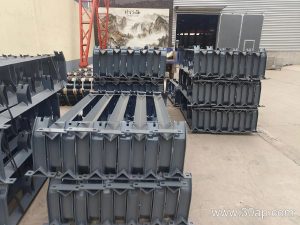
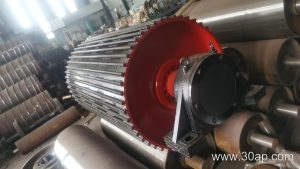
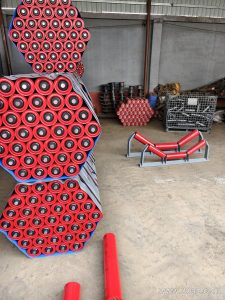
The idler is not a single part. A typical station uses a set of rollers mounted on a frame, with the belt resting on the roller surfaces. The frame is fixed to the conveyor bracket, which in turn connects to the stringer or support structure. A conveyor pulley drives or redirects the belt at the ends, but the idlers support it along the entire route.
Construction and Common Surface Forms
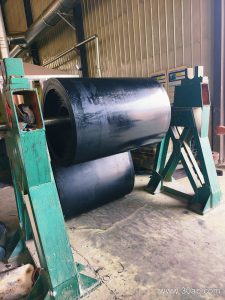
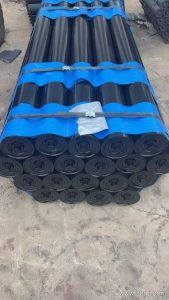
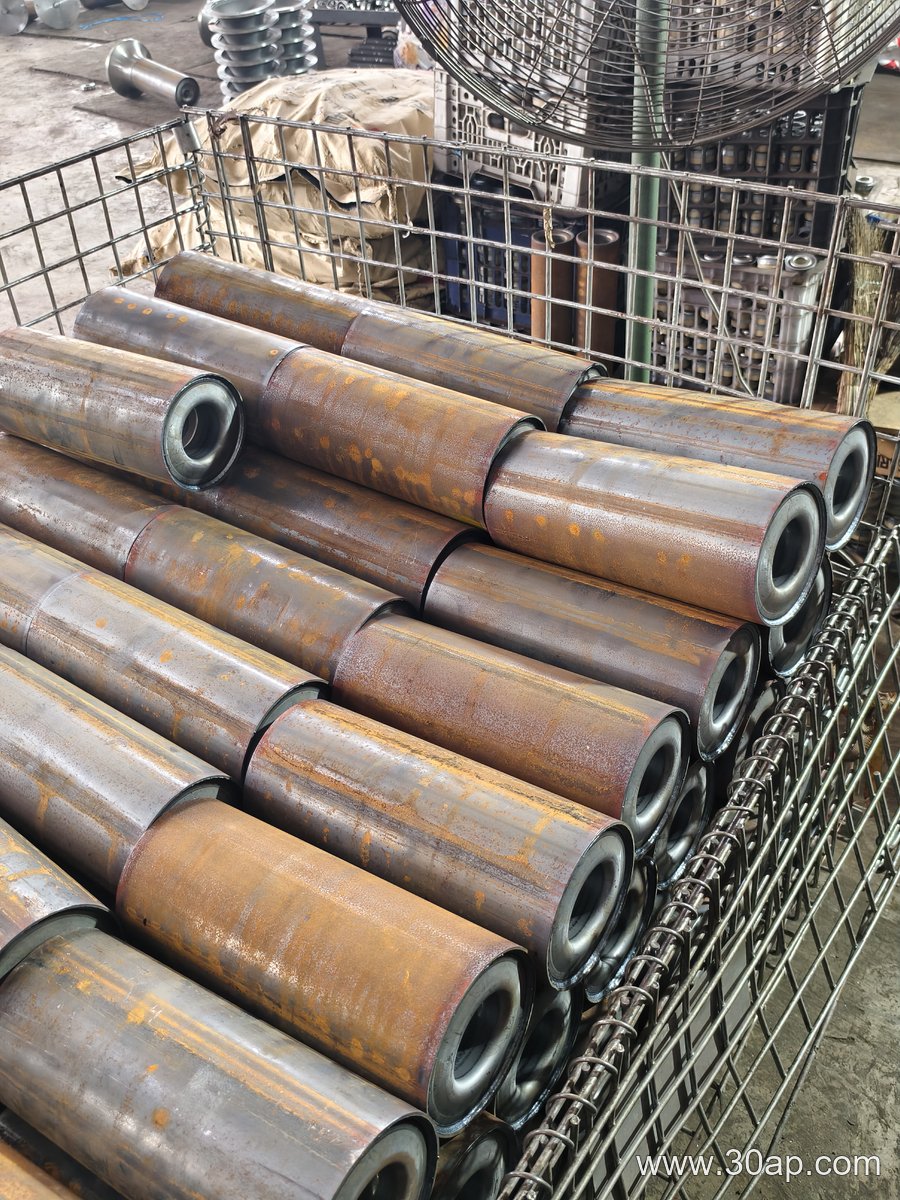
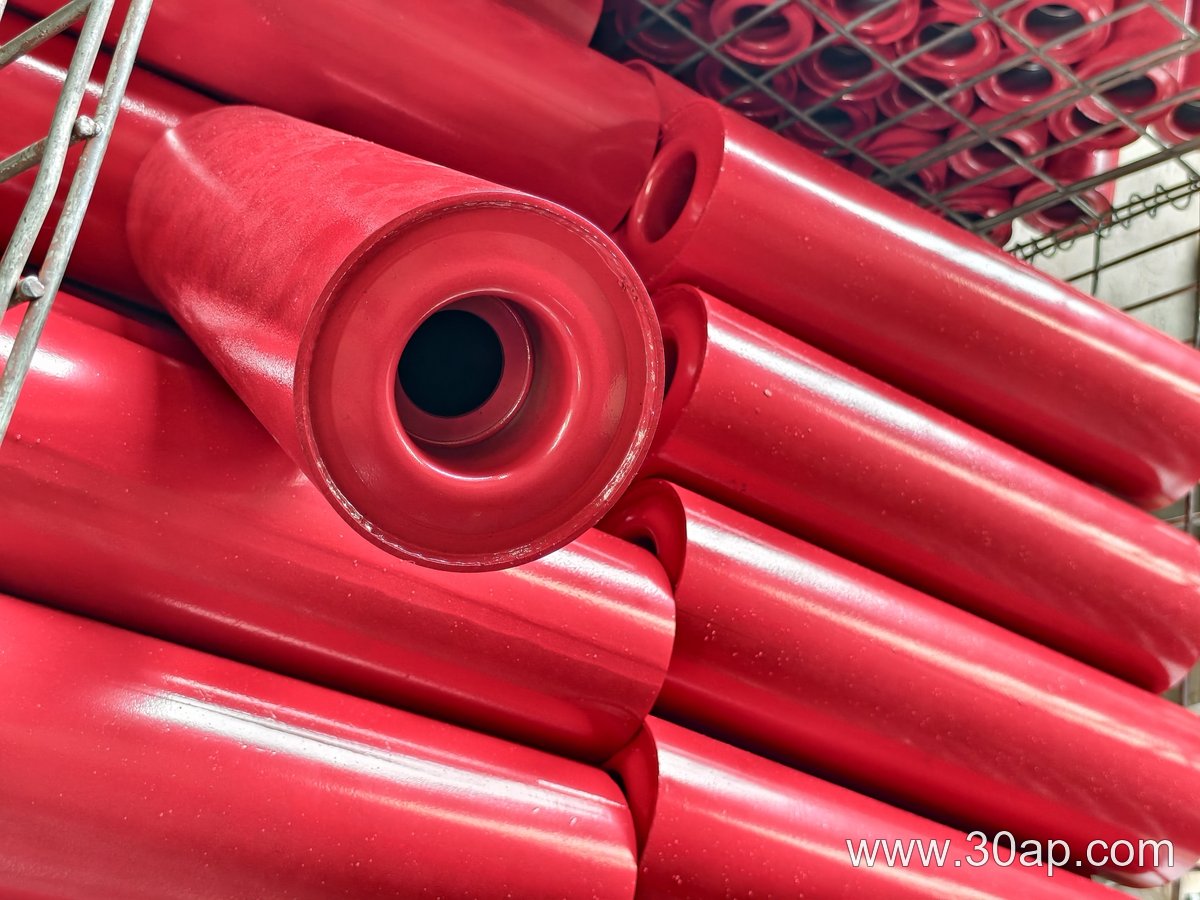
Most power plant conveyor idlers are built from a steel tube shell, a shaft, bearing housings, and seals. The shell can be plain steel, nylon-coated, ceramic-covered, or fitted with rubber rings. Rubber rings are common on impact idlers under loading points, where coal or limestone drops onto the belt. Ceramic or nylon surfaces may be chosen where abrasion or material buildup is a concern.
Bearing selection depends on load, speed, and expected service life. Common bearing numbers include 6204, 6205, 6305, 6306, 6308, 6310, and similar sizes. A larger roller diameter does not automatically require a specific bearing, and a given belt width does not lock the idler to one shaft diameter. The design should be confirmed against the actual load and speed.
Types and Where They Fit
Different positions on the conveyor call for different roller arrangements. The main types include:
- Troughing idlers, usually made as a single roller, two-roller, or three-roller set, with trough angles such as 20, 30, 35, or 45 degrees.
- Impact idlers and rubber-ring impact idlers, placed at transfer points to absorb falling material.
- Return idlers, including flat return and V-return rollers, which support the empty belt on the return strand.
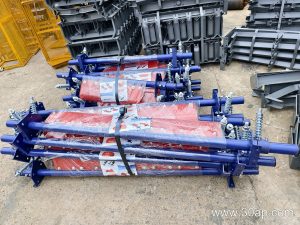
- Self-aligning idlers, such as friction and tapered types, used to correct belt misalignment.
- Spiral and comb idlers, which help shed sticky material in some bulk handling lines.
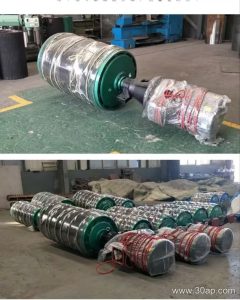
Transition idlers are sometimes used near a conveyor pulley to guide the belt from a flat profile into a trough. They are not the same as the drive pulley, tail pulley, or bend pulley, which are separate components with different functions.
Sizes and Reference Data
Roller diameter and belt width are related to the conveyor design, not fixed by a single rule. Common roller diameters include Ø63, Ø76, Ø89, Ø102, Ø108, Ø127, Ø133, Ø159, Ø178, Ø194, and Ø219. Belt widths often range from B400 up to B2400. The roller length changes with belt width, trough angle, and idler arrangement. For a three-roller troughing set, typical roller lengths can be around 200 mm for B500, 250 mm for B650, 315 mm for B800, 380 mm for B1000, 465 mm for B1200, 530 mm for B1400, 600 mm for B1600, 670 mm for B1800, and 750 mm for B2000. These are common examples, and side rollers may differ from the center roller.
| Parameter | Common Range or Example |
|---|---|
| Roller diameter | Ø63 to Ø219 |
| Belt width | B400 to B2400 |
| Trough angle | 20°, 30°, 35°, 45° |
| Bearing numbers | 6204, 6205, 6305, 6306, 6308, 6310 |
| Surface form | Steel, nylon, ceramic, rubber ring |
Forward tilt of about 1.5 to 2 degrees is sometimes used on troughing idlers to help center the belt. This is a design detail, not a universal requirement.
What a Buyer Should Know
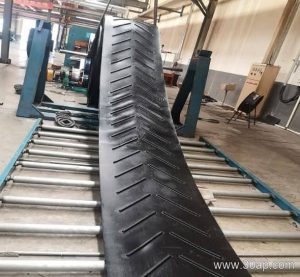
Before ordering a power plant conveyor idler, confirm the belt width, the trough angle, the roller diameter, the mounting dimensions, and the operating environment. In a coal yard or limestone crushing line, dust and moisture can affect bearing life, so seal quality matters. In a cement plant or aggregate line, abrasive material may call for a thicker shell or a wear-resistant surface. The idler should match the conveyor bracket and frame, and it should be compatible with the existing conveyor belt and pulley arrangement.
Maintenance is mostly about rotation. A seized roller can wear the belt, increase power demand, and cause misalignment. Inspecting idlers during scheduled shutdowns helps spot damaged seals, broken rollers, and worn surfaces. Keeping the belt path clean and aligned reduces the load on every idler roller along the line.