What a 1400mm Diameter Conveyor Pulley Is
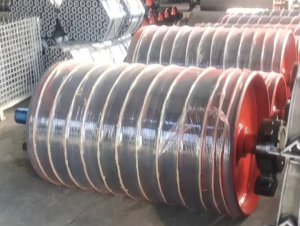
A 1400mm diameter conveyor pulley is a large drum used in high-capacity belt conveyor systems. With a nominal outside diameter of 1400 mm, this size is often chosen for main drive, head, or tail positions where the conveyor belt carries heavy loads over long distances. The large diameter helps reduce belt bending stress and improves traction when the pulley is rubber lagged. In mining, cement, and bulk material handling, this pulley is paired with wide belts and heavy-duty conveyor brackets to keep the system running smoothly.
It is not a one-size-fits-all component. The 1400mm figure refers to the drum diameter, while the face width, shaft diameter, and lagging type are determined by the belt width, load, and drive requirements. A 1400mm diameter conveyor pulley can be used with different belt widths, and the same belt width may also work with other pulley diameters depending on the conveyor design.
Construction and Key Components
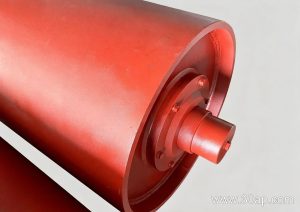
A typical 1400mm diameter pulley consists of a cylindrical shell, two end discs, a shaft, and a hub assembly. The shell is usually made from rolled steel plate and machined to ensure concentricity. The shaft is sized by torque and bending load, not by belt width alone. Common shaft diameters for large pulleys include Ø160, Ø180, and Ø200 mm, but the final value must be confirmed by the conveyor designer.
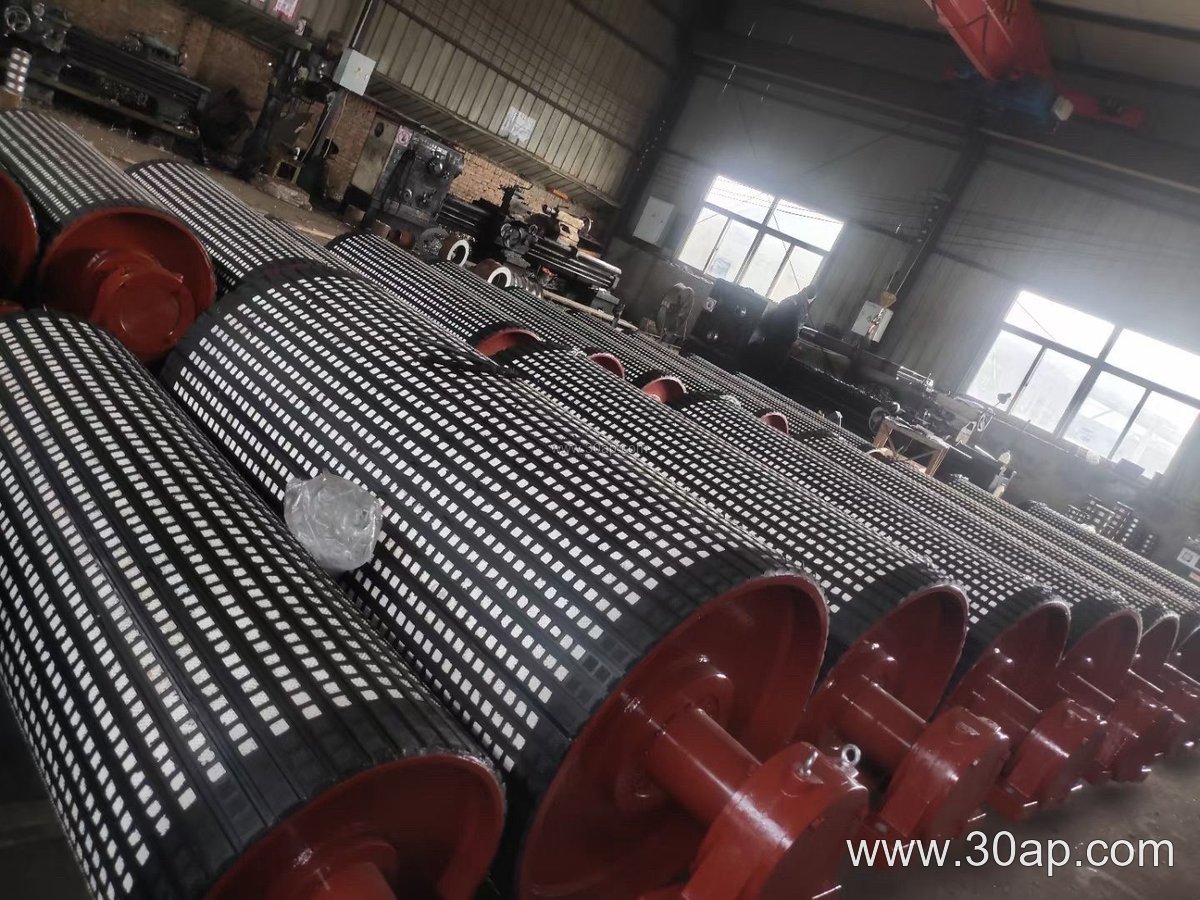
Surface treatment is critical for grip and wear life. Options include plain steel, cold-bonded rubber, hot-vulcanized rubber, diamond grooving, herringbone grooving, and ceramic lagging. Lagging thickness commonly ranges from 8 mm to 20 mm. For a 1400mm diameter drive pulley, diamond or herringbone rubber lagging is often selected to improve friction and shed water and fines.
Where It Is Used
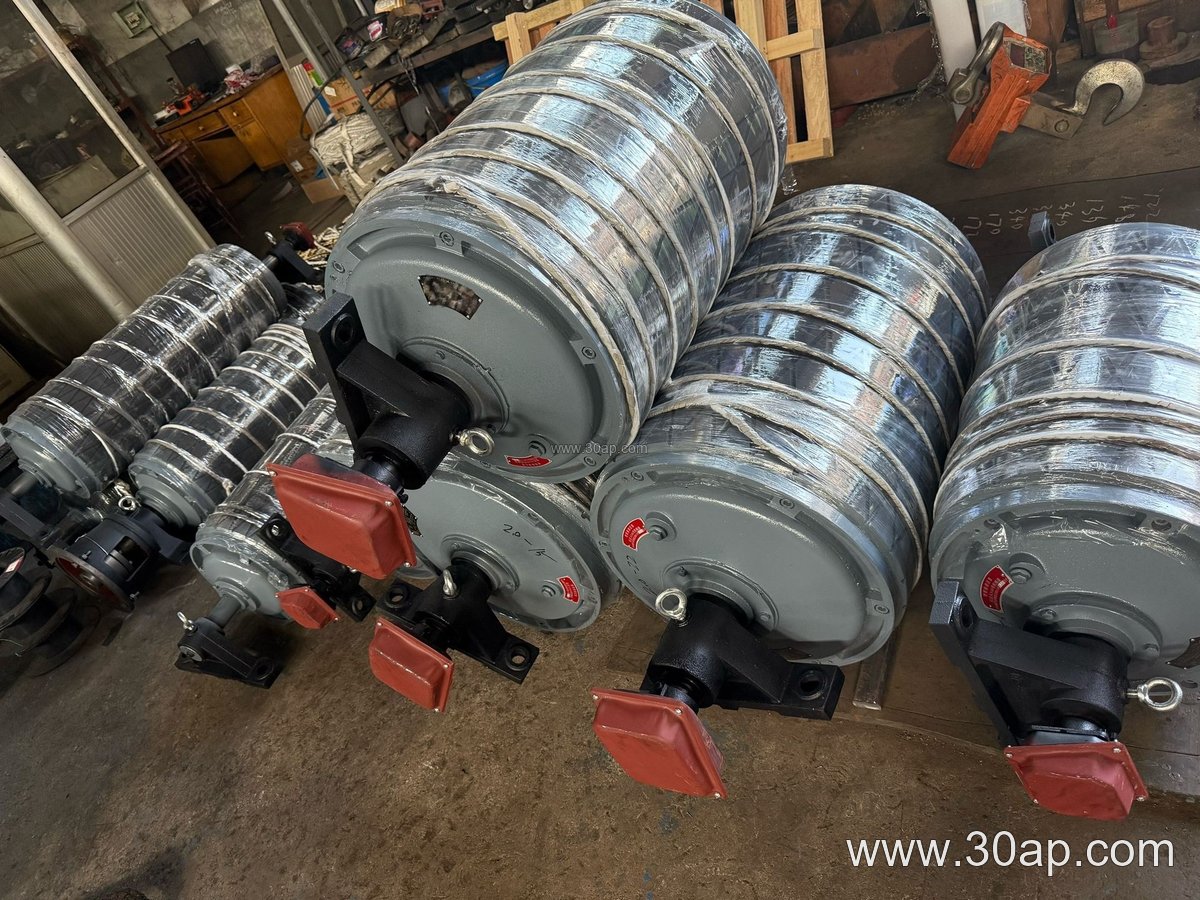
This large pulley is common in limestone quarries, iron ore plants, coal preparation facilities, and port bulk terminals. It may serve as a head pulley at the discharge end, a drive pulley connected to a gearbox, or a tail pulley with a tensioning system. In some arrangements, a bend pulley of smaller diameter redirects the belt, but a bend pulley is not a substitute for a drive or tail pulley. Each position has its own load and traction requirements.
Because of its size, a 1400mm diameter conveyor pulley is often matched with wide belts such as B1400, B1600, or B1800. The pulley face width is usually wider than the belt; for example, a B1400 belt may use a pulley face around 1600 mm, while a B1600 belt may use about 1800 mm. These are typical references, not fixed rules. The actual face width and shaft size are confirmed by the conveyor manufacturer.
Specifications and Selection Notes
When specifying a 1400mm diameter pulley, buyers should provide the belt width, belt speed, motor power, starting torque, and environmental conditions. The table below shows common reference values; they are not universal supply promises.
| Parameter | Common Reference |
|---|---|
| Nominal diameter | Ø1400 mm |
| Belt width examples | B1200, B1400, B1600, B1800 |
| Pulley face width | Usually wider than belt, e.g. B1400 belt ≈ 1600 mm face |
| Shaft diameter | Ø160, Ø180, Ø200 mm (by torque and load) |
| Lagging type | Plain, rubber, diamond, herringbone, ceramic |
| Lagging thickness | 8, 10, 12, 15, 20 mm |
| Pulley type | Drive, head, tail, tension, bend |
Do not assume that one belt width can only match one pulley diameter. A B1400 belt may run on a Ø1000, Ø1250, or Ø1400 pulley depending on the system. Likewise, a 1400mm diameter pulley may be used with B1200 or B1600 belts if the face width and shaft are designed accordingly.
Buyer Checklist
- Confirm the pulley position: drive, head, tail, tension, or bend. These are not interchangeable.
- Provide the actual belt width and required face width, not just the belt model.
- State the maximum torque and radial load so the shaft diameter can be calculated.
- Choose lagging based on material: wet, dusty, oily, or abrasive. Rubber or ceramic may be preferred in harsh conditions.
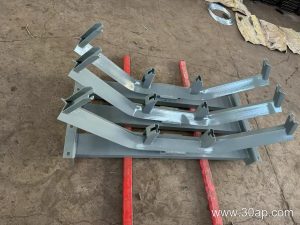
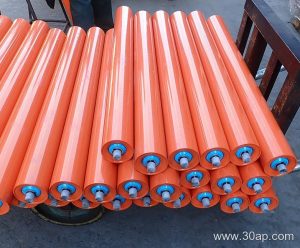
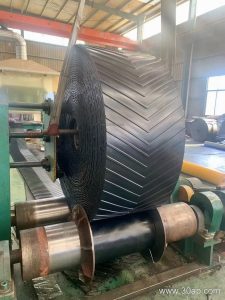
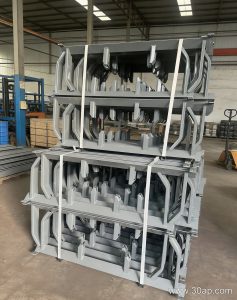
- Check compatibility with conveyor brackets, idler rollers, and the conveyor belt. Misalignment can shorten belt life.
- Ask for the balancing grade and inspection report if the pulley will run at high speed.
A 1400mm diameter conveyor pulley is a heavy, precision component. Proper selection and maintenance help reduce downtime in mines, cement plants, power stations, and aggregate operations. For any specific project, the final dimensions and materials should be confirmed by the conveyor designer and pulley manufacturer.