What the Ø89 Trough Idler Does on a Conveyor
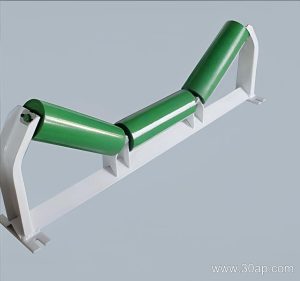
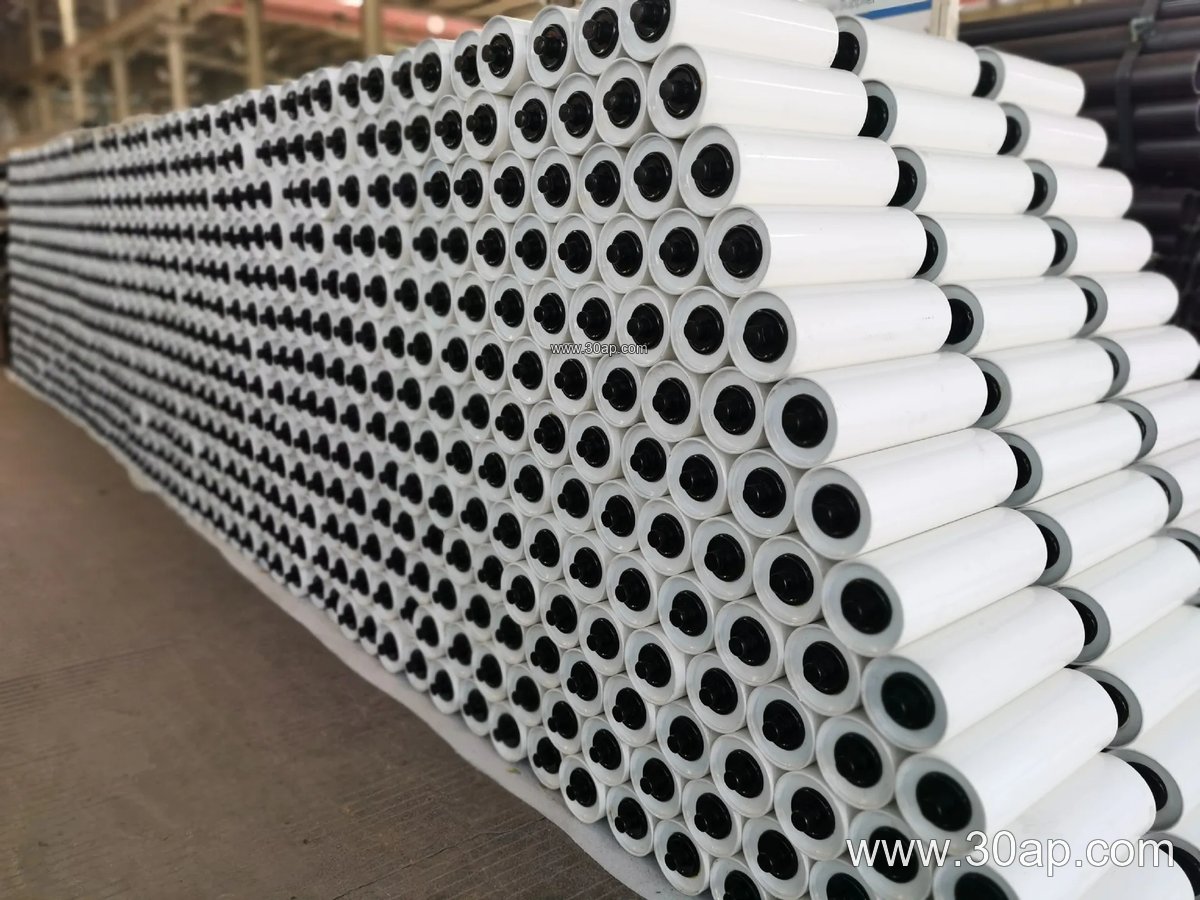
A Ø89 trough idler is a carrying idler with an 89 mm roller diameter, mounted in a troughed arrangement so the conveyor belt forms a shallow or deep channel. The three-roll trough set is the most common form: two side rolls angled upward and one center roll, together supporting the loaded belt between the head and tail of the conveyor. In a quarry or a cement plant, these idlers carry the full weight of stone, clinker or raw meal while letting the belt run smoothly over long distances.
The “Ø89” refers to the roller shell diameter, not the shaft or bearing size. It sits in the smaller-to-medium range of idler diameters, which makes it a practical choice for medium belt widths where weight and cost matter but stiffness still has to be adequate.
How a Ø89 Trough Idler Is Built
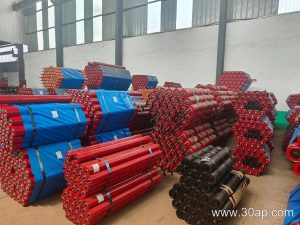
Each idler roller usually consists of a steel tube shell, a shaft, bearing housings, and a sealing arrangement at both ends. The roller surface can be plain steel, nylon, ceramic, or covered with rubber rings where impact or build-up is a concern. Common bearing sizes used in this diameter class include 6204, 6205 and 6305, though the final choice depends on load and speed rather than on the roller diameter alone.
Sealing is where many idlers succeed or fail. Dust from crushing, screening or cement grinding is aggressive, so a multi-stage labyrinth seal with grease retention is typical. A well-sealed Ø89 trough idler keeps grit away from the bearing, reduces drag, and extends service life between maintenance windows.
Typical reference dimensions
The table below shows common reference values. Actual roller length, shaft diameter and bearing selection are determined by belt width, trough angle and the design of the conveyor bracket.
| Belt width | Common roller length (three-roll trough) | Typical trough angle |
|---|---|---|
| B500 | about 200 mm | 20–35 degrees |
| B650 | about 250 mm | 20–35 degrees |
| B800 | about 315 mm | 30–35 degrees |
| B1000 | about 380 mm | 30–35 degrees |
| B1200 | about 465 mm | 30–45 degrees |
Side rolls and the center roll may differ in length, and a transition idler near the head pulley often uses a smaller trough angle to avoid stressing the belt edge.
Where the Ø89 Trough Idler Fits Best
This diameter suits medium-duty carrying positions on aggregate lines, stone crushing plants and cement conveying systems. In a sand and gravel operation, a Ø89 trough idler pair supports the belt after the crusher and before the screen house. In a cement plant, the same idler can carry clinker or limestone on a moderately loaded belt. It is also seen in fertilizer and grain handling where belt speeds are moderate and contamination is limited.
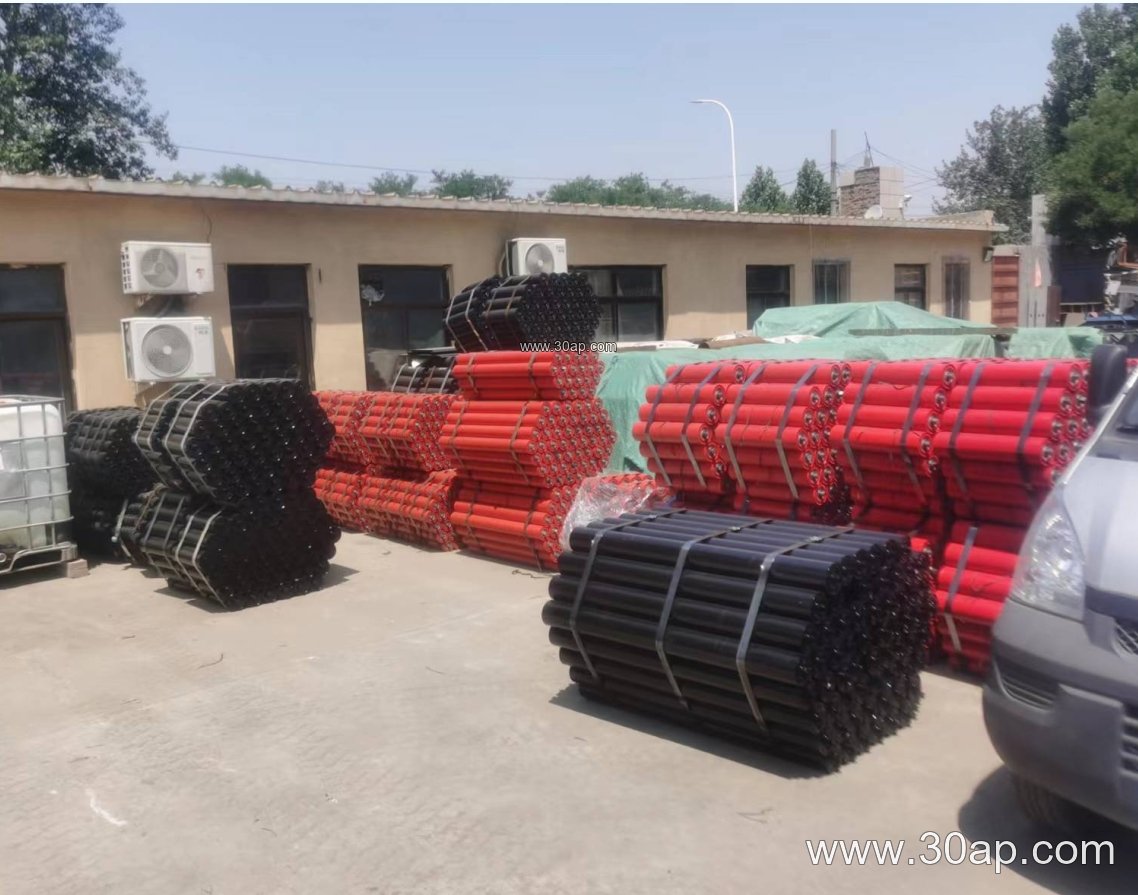
Where tonnage is heavy and impact is severe, a larger diameter or a rubber-ring impact idler may be the better choice. That is a comparison of duty, not a replacement: the Ø89 trough idler remains the standard carrying element for the belt section it serves.
Selection Points for Buyers
- Match the roller length to the actual belt width and trough angle; do not assume one belt width corresponds to one pulley diameter or one fixed shaft size.
- Confirm the bearing and seal class for the site: dusty quarry air demands better sealing than a clean grain terminal.
- Check the conveyor bracket and frame hole spacing so the idler drops in without modification.
- Decide the roller surface: plain steel for general use, rubber rings for impact zones, ceramic or nylon where sticking or wear is an issue.
- Consider the belt itself. A heavy abrasion resistant conveyor belt or a flame retardant conveyor belt for coal handling may call for a different idler spacing and inspection routine.
Maintenance and Everyday Checks
Walk the line periodically and listen for squealing or rumbling bearings, look for belt misalignment, and check that the trough idler still rotates freely. A seized roller will rub the belt, wear the cover and eventually damage the edge. Replacing a worn Ø89 trough idler early is cheaper than replacing a section of belt.
Keep spare rollers and seals on site for critical conveyors. In a power plant coal yard or a mining conveyor system, downtime often comes from small components, and a stocked idler shortens the interruption.
Related Equipment in the Same System
The trough idler works alongside the conveyor belt, the conveyor pulley at the head and tail, and the conveyor bracket that holds the frame. Upstream, an EP conveyor belt or a steel cord conveyor belt may feed the same line; the idler diameter and spacing should be reviewed whenever the belt specification changes. For more on compatible belting and conveyor components, see rubber conveyor belt and idler roller references, or browse conveyor pulley options for drive and tail positions.