Why the Conveyor Bracket Deserves Your Attention
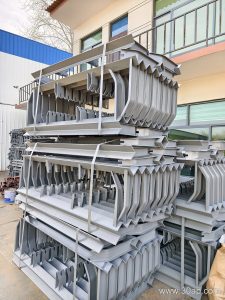
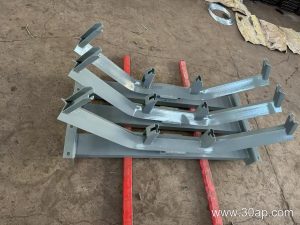
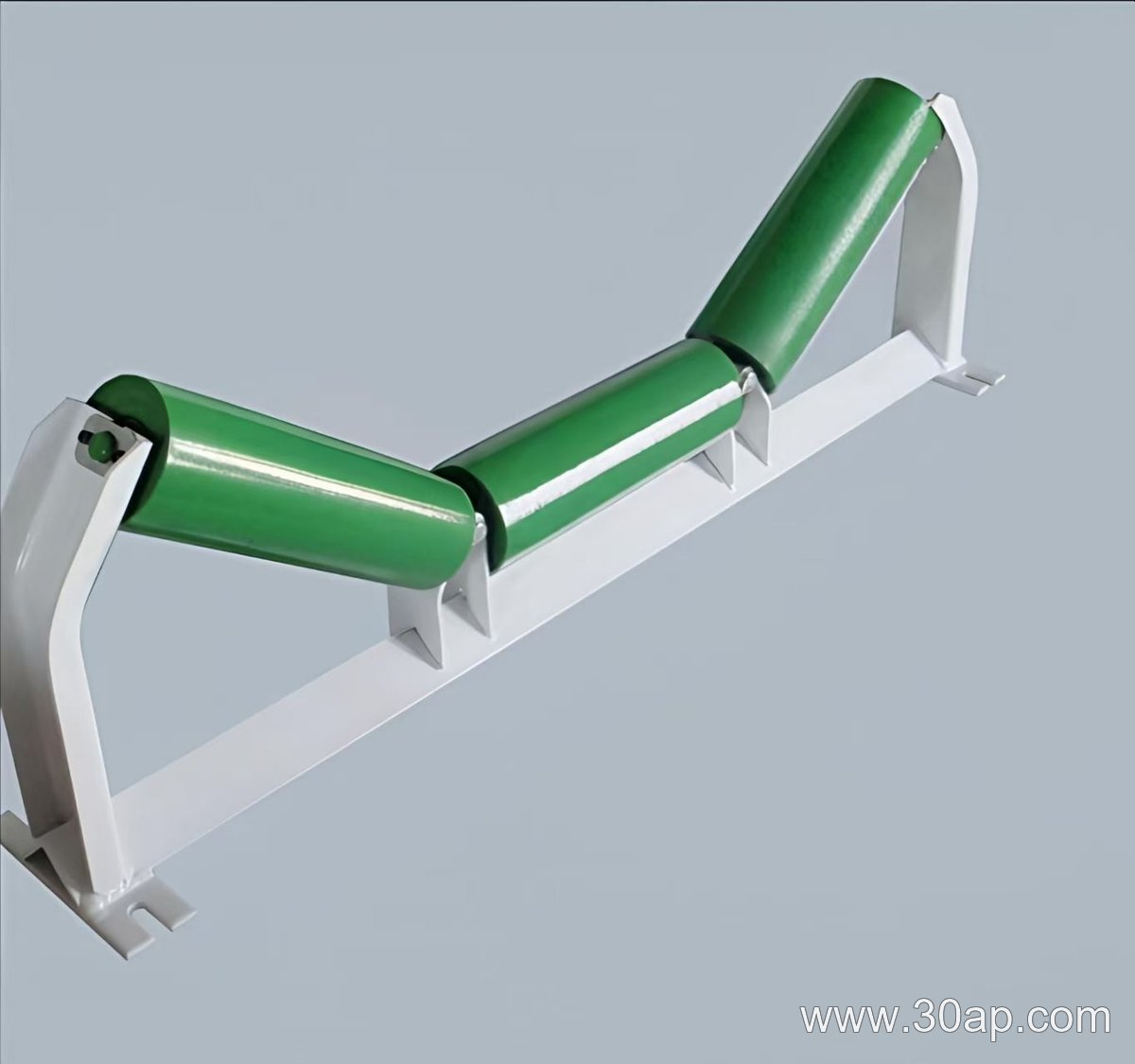
The conveyor bracket is the unsung hero of any bulk or unit handling line. It secures idlers, rollers, and impact beds to the stringer, absorbing dynamic loads and maintaining belt alignment. A weak or mismatched bracket leads to vibration, belt drift, and premature roller failure. For industrial buyers, understanding bracket geometry and steel grade is as critical as selecting the belt itself.
Key Selection Criteria for Conveyor Brackets
- Material specification: Choose hot-dip galvanized or stainless steel for corrosive or outdoor duty. Powder-coated mild steel suits dry, indoor environments.
- Load rating: Verify the bracket’s static and dynamic capacity against your belt speed, tonnage, and idler spacing. Over-specifying adds cost; under-specifying risks structural collapse.
- Mounting pattern: Measure slot widths and bolt centers to match existing stringers. Universal slotted brackets simplify retrofit but reduce rigidity.
- Angle and tilt: Troughing brackets (20°, 35°, 45°) must match your idler profile. Return-belt brackets require flat or V-shape designs.
Purchasing Advice: Avoid Costly Field Modifications
Request dimensional drawings and torque specs before ordering. Ask for a sample bracket for a test fit on your actual stringer—many failures come from misaligned bolt holes. Opt for brackets with reinforced gussets at the bend points, and specify weld-on versus bolt-on types for high-impact zones. Finally, stock spare brackets for critical conveyor segments to minimize downtime.
In short, invest in conveyor brackets that match your system’s duty cycle, not just its nominal width. The right bracket reduces maintenance hours, extends idler life, and keeps your line moving.
Conveyor Belt Fundamentals for Modern Operations
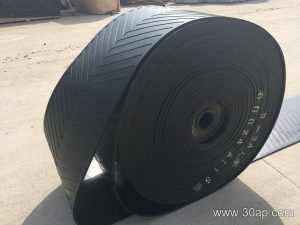
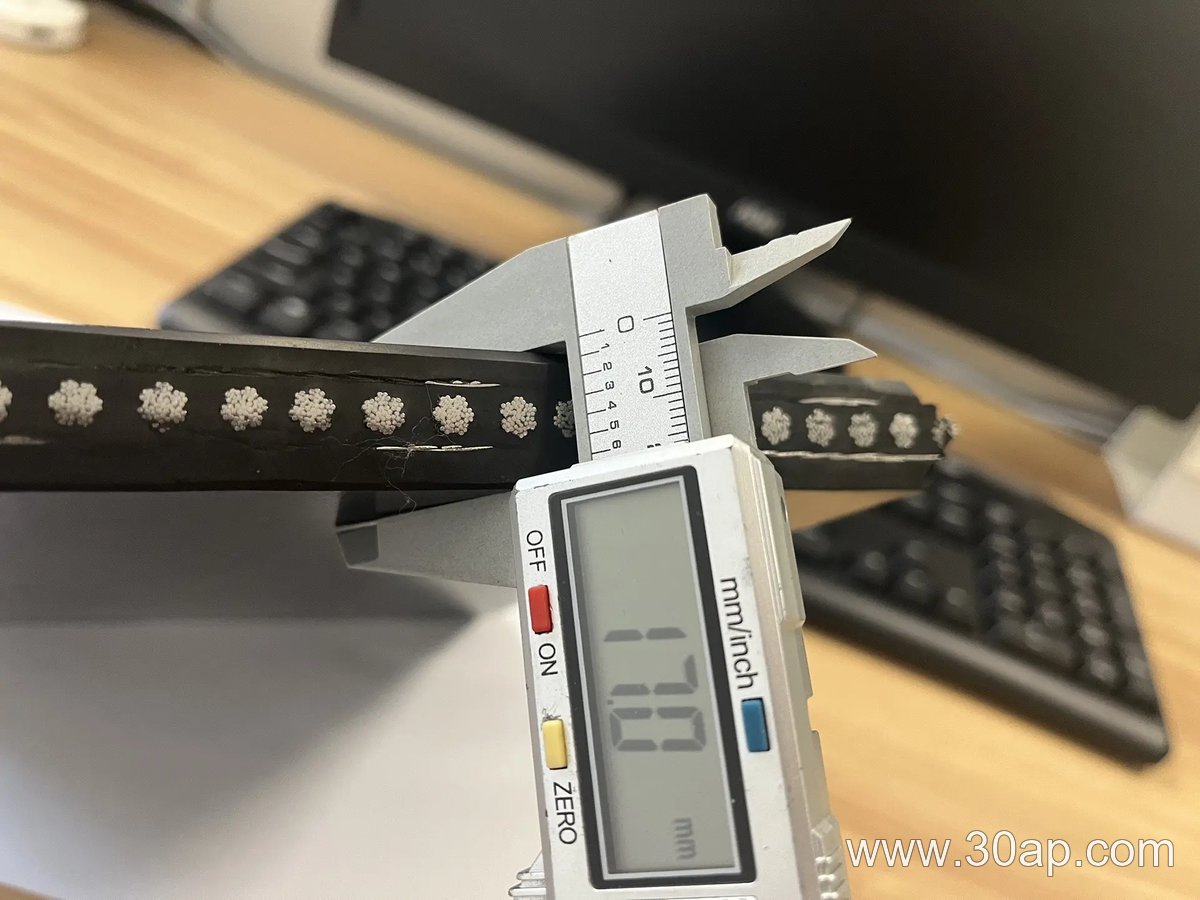
A conveyor belt is the circulatory system of any bulk handling or assembly line. Selecting the correct belt determines throughput, maintenance intervals, and total cost of ownership. Beyond mere rubber, today’s belts integrate fabric, steel cord, or modular plastic constructions to match specific loads, speeds, and environmental stresses.
Material and Reinforcement Options
For abrasive ores or sharp-edged scrap, choose a rubber belt with high-tensile fabric plies or steel cords. For food or pharmaceutical lines, opt for smooth, FDA-grade thermoplastic belts that resist oils and washdown chemicals.
Key Purchasing Criteria
- Belt width and speed: Match to your product dimensions and required throughput (tons/hour or units/min).
- Operating temperature: Standard belts fail above 80°C; use heat-resistant compounds or metal mesh for hotter zones.
- Impact and troughing: Reinforced carcasses and deeper trough angles handle heavy, lumpy loads without edge damage.
- Tracking and splicing: Request vulcanized endless splices for smooth running, or mechanical fasteners for quick field repairs.
- Environmental factors: UV, ozone, or chemical exposure demands EPDM or chloroprene covers, not natural rubber.
Advice to Avoid Common Failures
Always verify belt elongation under max tension with your supplier’s engineering sheet. Install gravity take-ups or screw take-ups to maintain proper slack. Finally, consider a belt with a reinforced bottom cover if you run over slider beds—pulleys with high wrap angles can also cause premature cover wear.
Why the Idler Roller Dictates Your Conveyor’s Lifespan
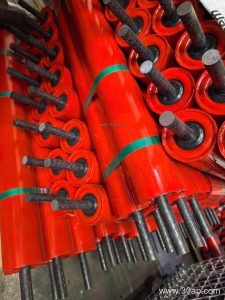
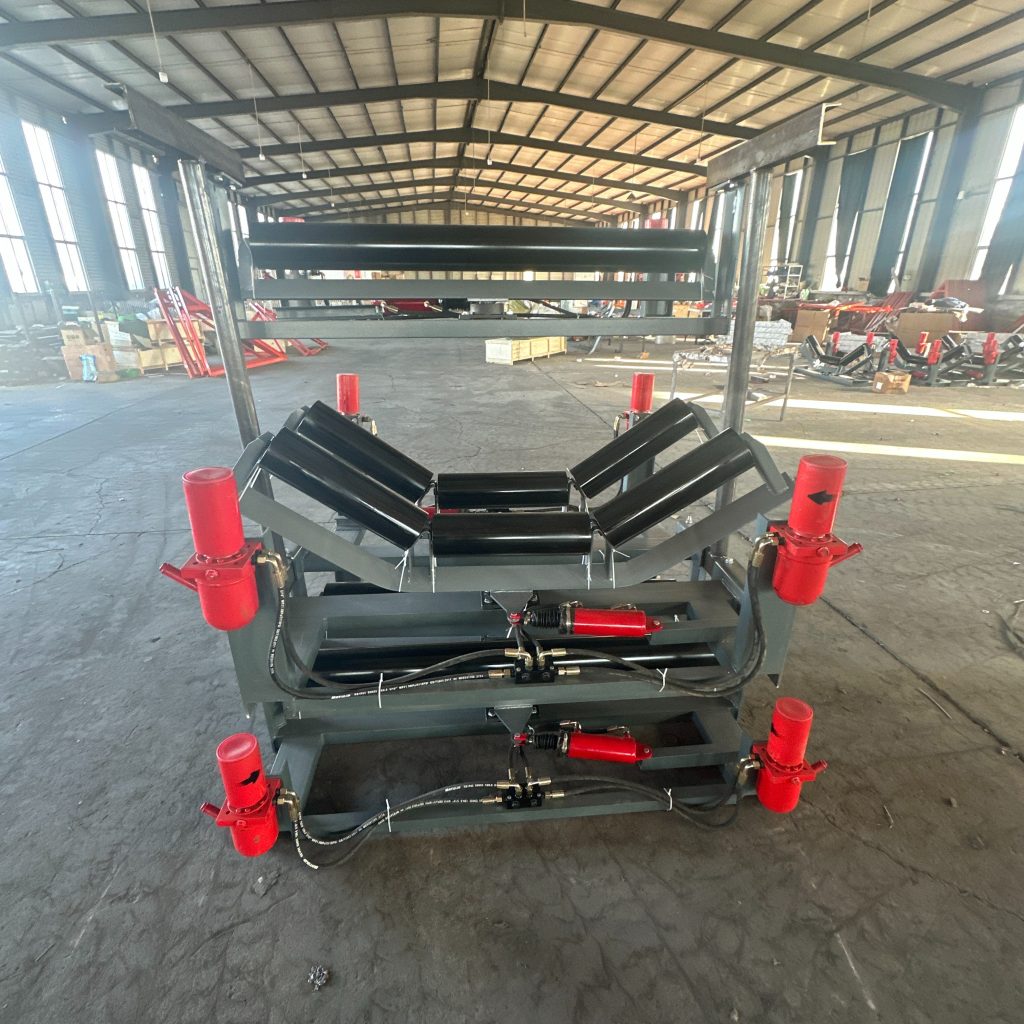
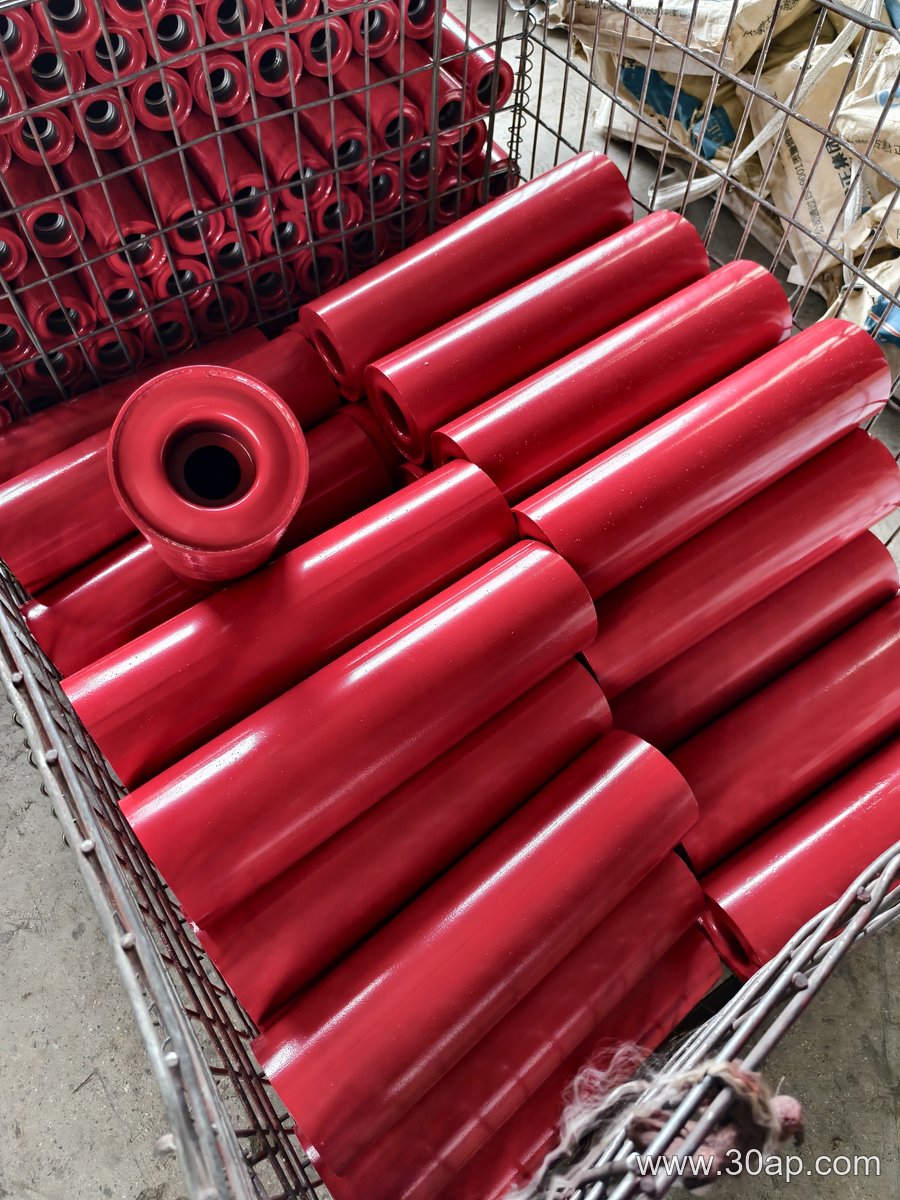
The idler roller is more than a rotating cylinder; it is the primary support structure for your belt and material load. A poorly chosen or low-quality idler roller leads to belt misalignment, excessive friction, and premature component failure. For bulk handling operations, the correct idler roller reduces energy consumption by up to 15% and extends belt life significantly. Always prioritize the idler roller’s diameter, shell thickness, and bearing seal rating over price alone.
Critical Factors in Idler Roller Purchasing
- Load rating: Calculate the actual CEMA load class (C, D, or E) based on belt speed, material density, and lump size. Never guess.
- Sealing system: For dusty or wet environments, choose triple-labyrinth seals with a contact seal. This prevents contamination and reduces maintenance intervals.
- Roller diameter vs. belt speed: Higher speeds require larger diameters (e.g., 219 mm for >5 m/s) to avoid excessive centrifugal forces and noise.
- Shell material: Steel is standard, but for corrosive or abrasive materials, consider rubber-lined or HDPE shells to reduce wear and material buildup.
Practical Advice for Replacement and Upgrade
When replacing idler rollers, measure the existing frame spacing and shaft end dimensions precisely. Also, verify the trough angle (usually 35° or 45°). For existing conveyors, a switch to impact idler rollers at loading zones will prevent belt damage. Always request a test sample before bulk ordering, and check the roller’s TIR (total indicated runout) – it should be under 0.5 mm for smooth operation. Finally, match the idler roller’s grease type to your ambient temperature; for cold climates, use synthetic low-temperature grease to avoid start-up failures.
Why the Conveyor Pulley Dictates System Uptime
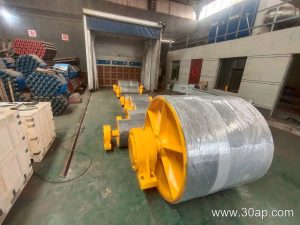
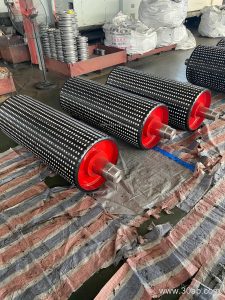
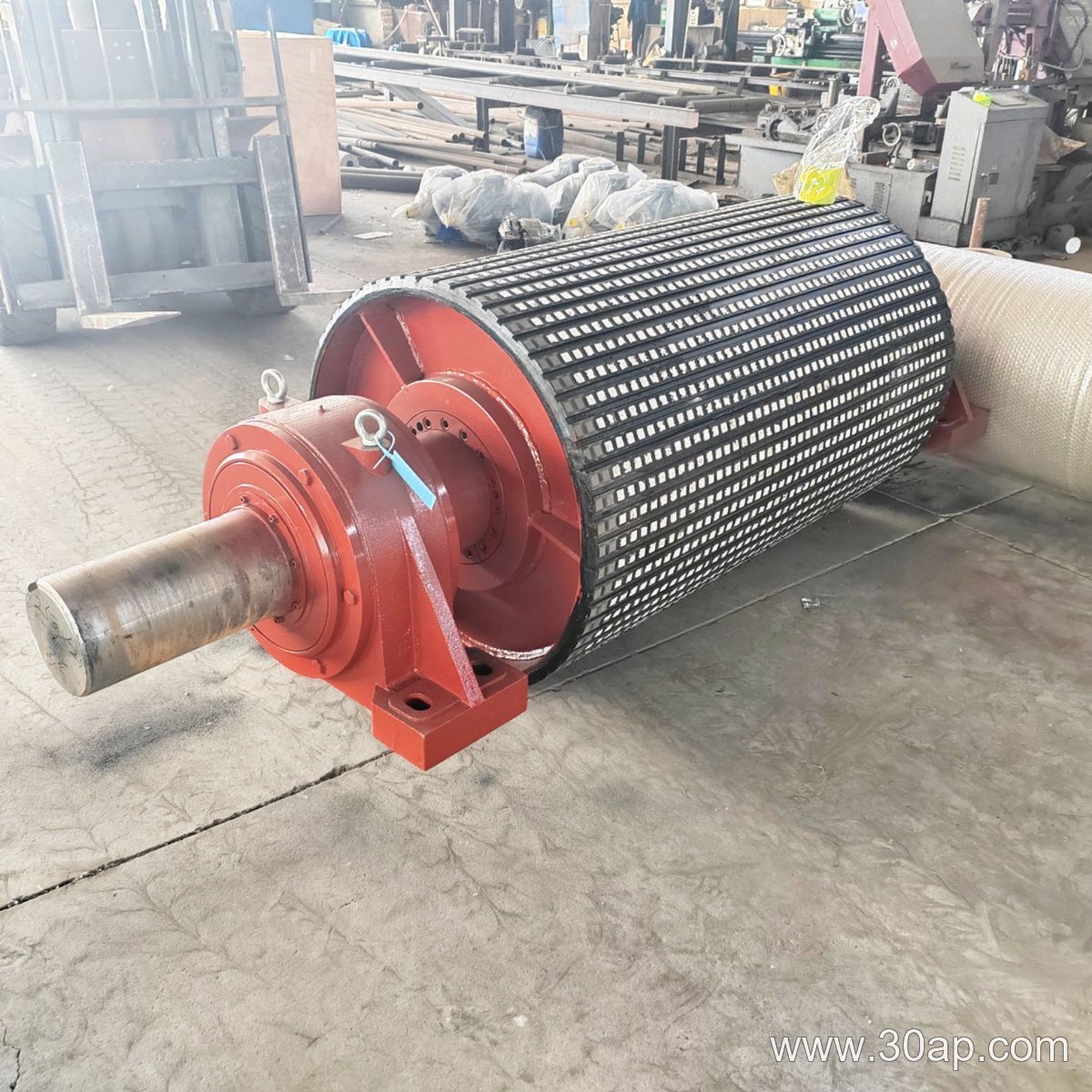
The conveyor pulley is not just a rotating cylinder; it is the structural anchor that transfers drive torque and maintains belt tension across the entire line. A poorly chosen pulley leads to belt slippage, misalignment, and premature wear of both belt and bearings.
Critical Design Factors for Industrial Buyers
- Shell thickness and face width: Match these to belt width and peak load to prevent deflection and fatigue cracks.
- Shaft and hub rating: Verify the combined bending and torsional stress against your motor’s starting torque and continuous duty.
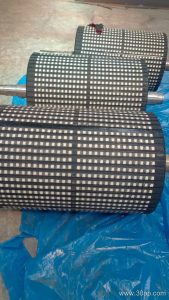
- Lagging type: Use ceramic lagging for wet or high-slip conditions; rubber for general abrasive service.
Purchasing and Maintenance Advice
Specify the pulley’s crown profile (usually 1–2 mm per meter) to self-center the belt. Always request dynamic balancing for speeds above 5 m/s. Order spare bushings and check weld integrity with ultrasonic tests on used units.
For new installations, simulate the belt sag between pulleys. If your system is over 200 meters long, consider a bend pulley with a larger diameter to reduce belt stress. Finally, source from a manufacturer that provides drawings and load certificates—this ensures interchangeability and safety.