What a Large-Diameter Conveyor Pulley Does
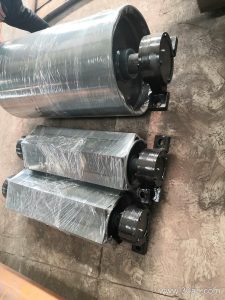
A large-diameter conveyor pulley is a drum-style component used to drive, redirect, or tension the conveyor belt in bulk material handling systems. When the pulley diameter is substantial, typically from Ø630 upward in heavy-duty service, the belt bends less sharply around the drum. That gentler curvature reduces bending stress in the belt carcass and helps extend belt life, especially where thick covers and high-tension splices are involved. This pulley is not a one-size-fits-all part; it belongs to a family that includes drive pulleys, tail pulleys, bend pulleys, and tension pulleys, each with distinct roles.
Construction and Surface Options
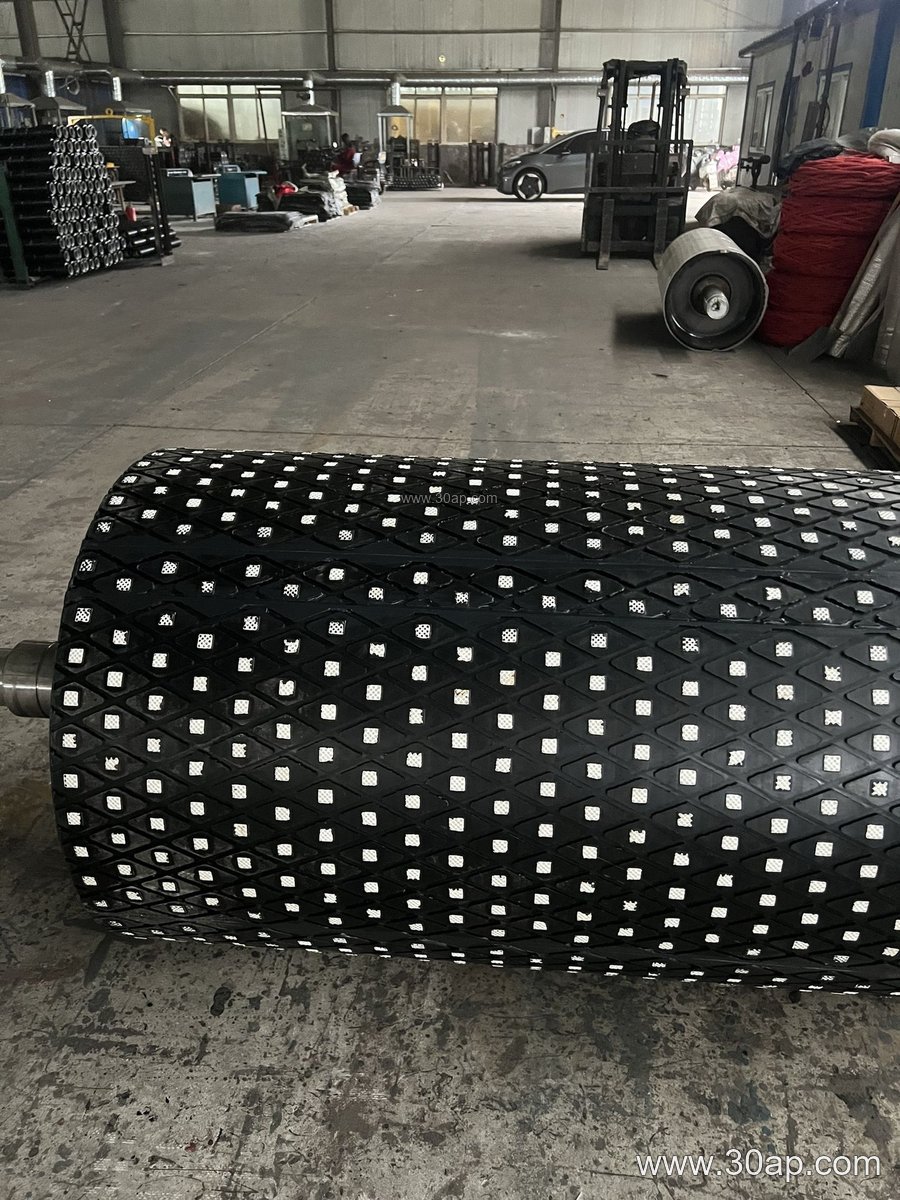
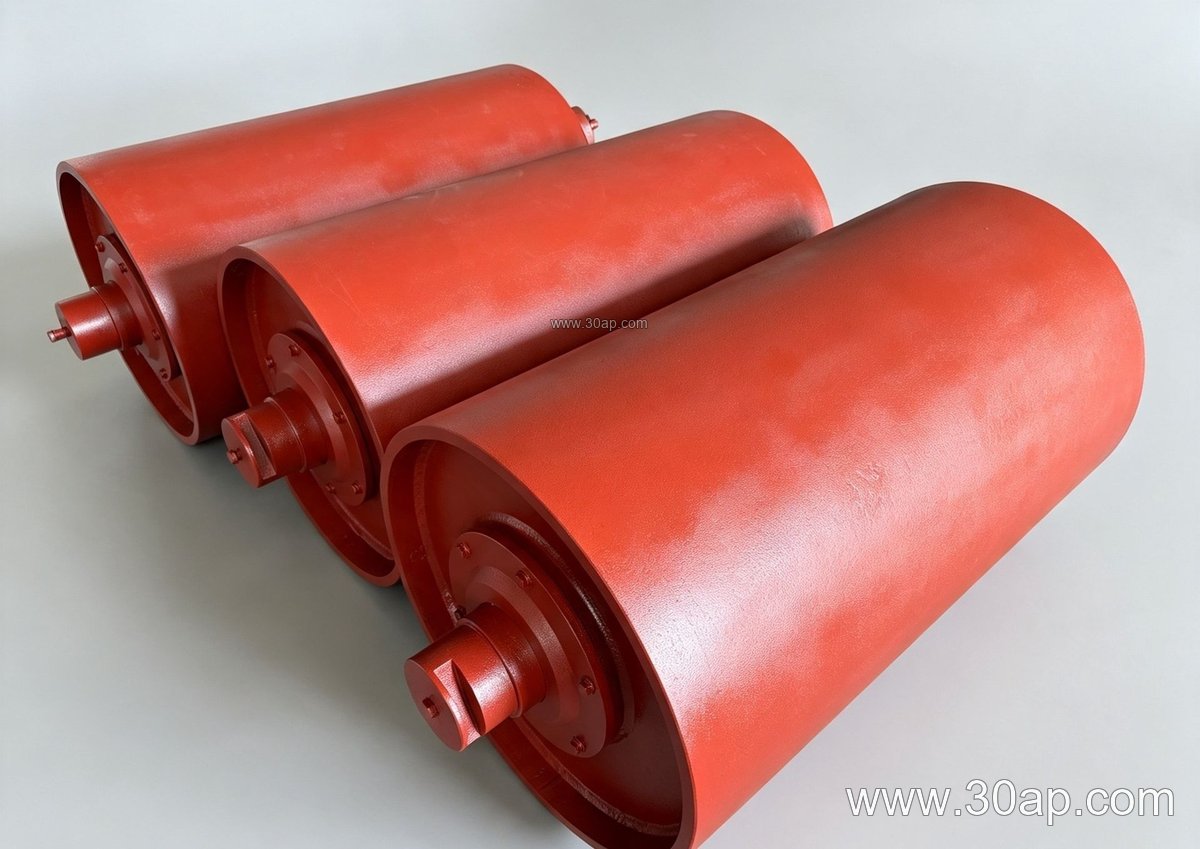
The drum body is usually welded steel, machined for balance and concentricity. Shaft diameter is determined by torque and load, not by belt width alone; common shaft sizes range from Ø100 to Ø200 for larger units. Surface finish matters for grip and wear. Plain steel is common for non-drive positions, while rubber lagging—applied by cold bonding, hot vulcanizing, or casting—improves friction on drive pulleys. Diamond and herringbone patterns help shed water and fines. Ceramic lagging is chosen where abrasion is severe. Lagging thickness commonly falls between 8 mm and 20 mm depending on duty.
Typical Diameter and Face Width Reference
Face width usually exceeds belt width to allow for tracking. The values below are common reference points, not fixed pairings:
- B800 belt — face width around 950 mm; pulley diameter often Ø500 to Ø800
- B1000 belt — face width around 1150 mm; diameter often Ø630 to Ø1000
- B1200 belt — face width around 1400 mm; diameter often Ø800 to Ø1000
- B1400 belt — face width around 1600 mm; diameter often Ø800 to Ø1250
- B1600 belt — face width around 1800 mm; diameter often Ø1000 to Ø1400
These combinations illustrate scale only. A B1200 system might use a Ø1000 drive pulley, while a lower-tension tail position could use a smaller drum. Final sizing depends on belt tension, wrap angle, and shaft load.
Where It Fits in the Conveyor
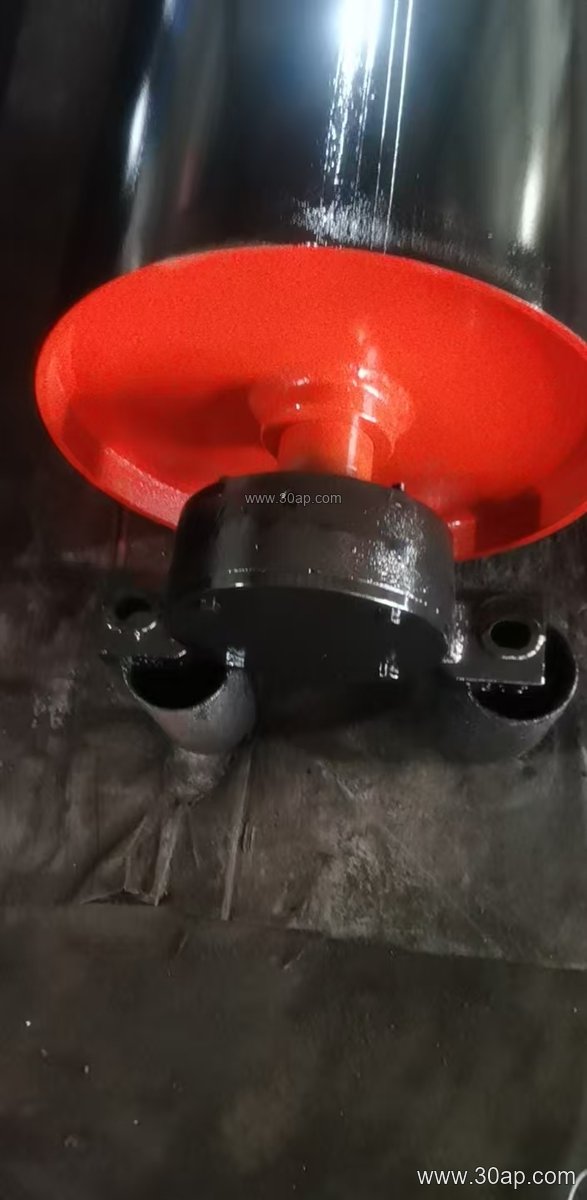
Large-diameter pulleys appear at the head drive, tail take-up, and bend stations. In a limestone quarry, a drive pulley with diamond lagging may pull a B1400 belt over a Ø1000 drum. At a coal-fired power plant, a bend pulley of similar diameter redirects the return strand without adding drive torque. The tail pulley, often smaller but still large by general standards, supports belt tracking at the loading point. Each position imposes different loads, so the drive pulley usually carries the heaviest shaft and bearing assembly. A wing pulley is sometimes used at the tail to shed sticky material, but it is a different subtype and not a substitute for a large-diameter drive drum.
Buyer Checklist
Before specifying a large-diameter conveyor pulley, confirm the belt width, maximum operating tension, and the wrap angle at the drive. Check whether the pulley will be lagged and, if so, which surface pattern suits the material—herringbone for wet conditions, plain rubber for general aggregate, ceramic for sinter or coke. Verify shaft diameter against the calculated torque rather than assuming a size from belt width. Ask about bearing housing style and whether the pulley will interface with standard conveyor brackets. For a B650 belt in a sand and gravel line, a Ø500 pulley may be adequate; for a B1800 belt in an iron ore terminal, Ø1400 or larger may be needed. The conveyor belt, idler rollers, and pulley must be treated as a system, not selected in isolation.
Maintenance Notes
Inspect lagging for wear and glazing during scheduled shutdowns. Worn lagging reduces friction and can cause belt slip at the drive. Check pulley alignment and shaft deflection if belt tracking drifts. Keep the pulley face clean; material buildup changes the effective diameter and can damage the belt edge. Lubricate bearings according to the manufacturer’s schedule, and monitor for abnormal vibration that may indicate bearing wear or an out-of-balance drum.