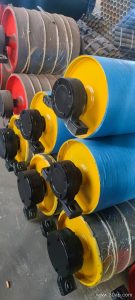
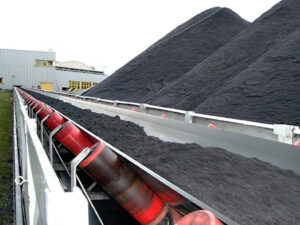
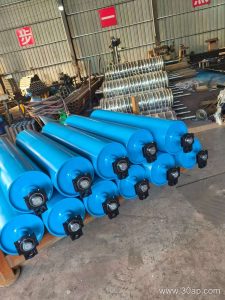
Many operators assume a conveyor pulley is just a rotating drum, but it is a force-transmitting component whose lagging, shell, and shaft must match the duty. Below are common questions from mineral-processing plants.
Does lagging always stop belt slippage on a conveyor pulley?
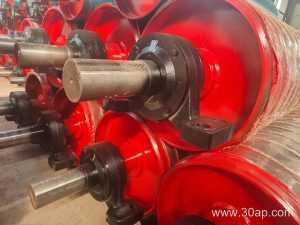
No. Lagging raises friction, but if the conveyor pulley is undersized for tension or the belt is overloaded, slip persists. In a hypothetical copper concentrator, switching from plain steel to grooved rubber lagging reduced slip only after the drive tension was recalculated.
How can I tell when a conveyor pulley needs replacement rather than relagging?
Check shell thickness and shaft runout. If the shell is worn thin or the shaft is bent, relagging wastes money. For example, a plant handling abrasive taconite may relag a conveyor pulley twice before the shell requires replacement.
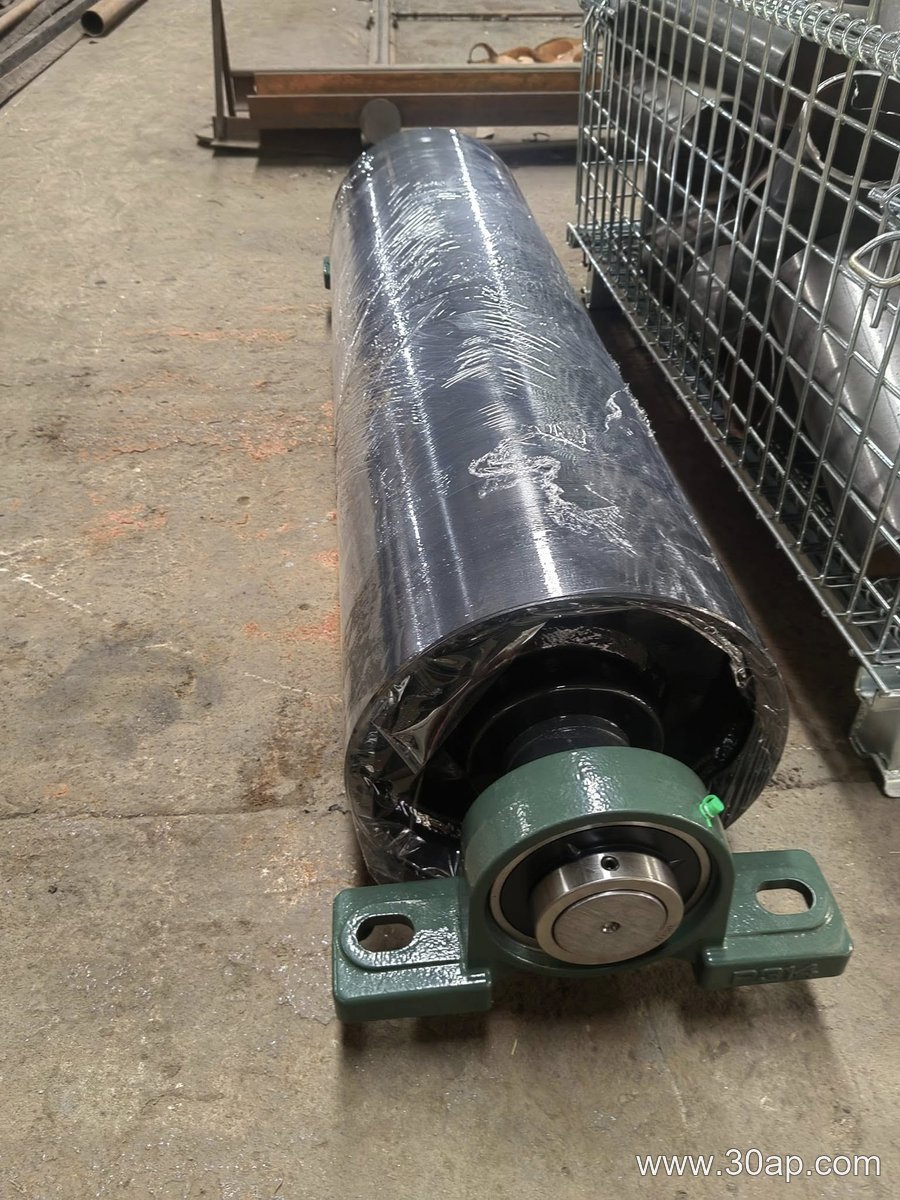
Can one conveyor pulley design handle both head and bend duties?
Not ideally. A head or discharge pulley carries higher torque and needs stronger lagging, while a bend pulley sees lower load but must resist misalignment. Using a light bend pulley as a head pulley often leads to premature lagging failure.
What causes lagging to wear faster on one side of a conveyor pulley?
Uneven wear usually points to belt mistracking, not a pulley defect. Correct the loading point and check pulley squaleness before blaming the lagging.
Why the Conveyor Bracket Sets the Maintenance Rhythm
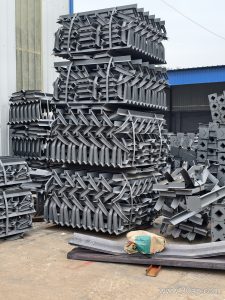
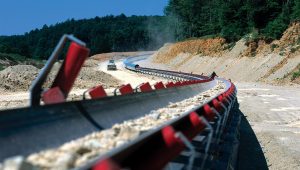
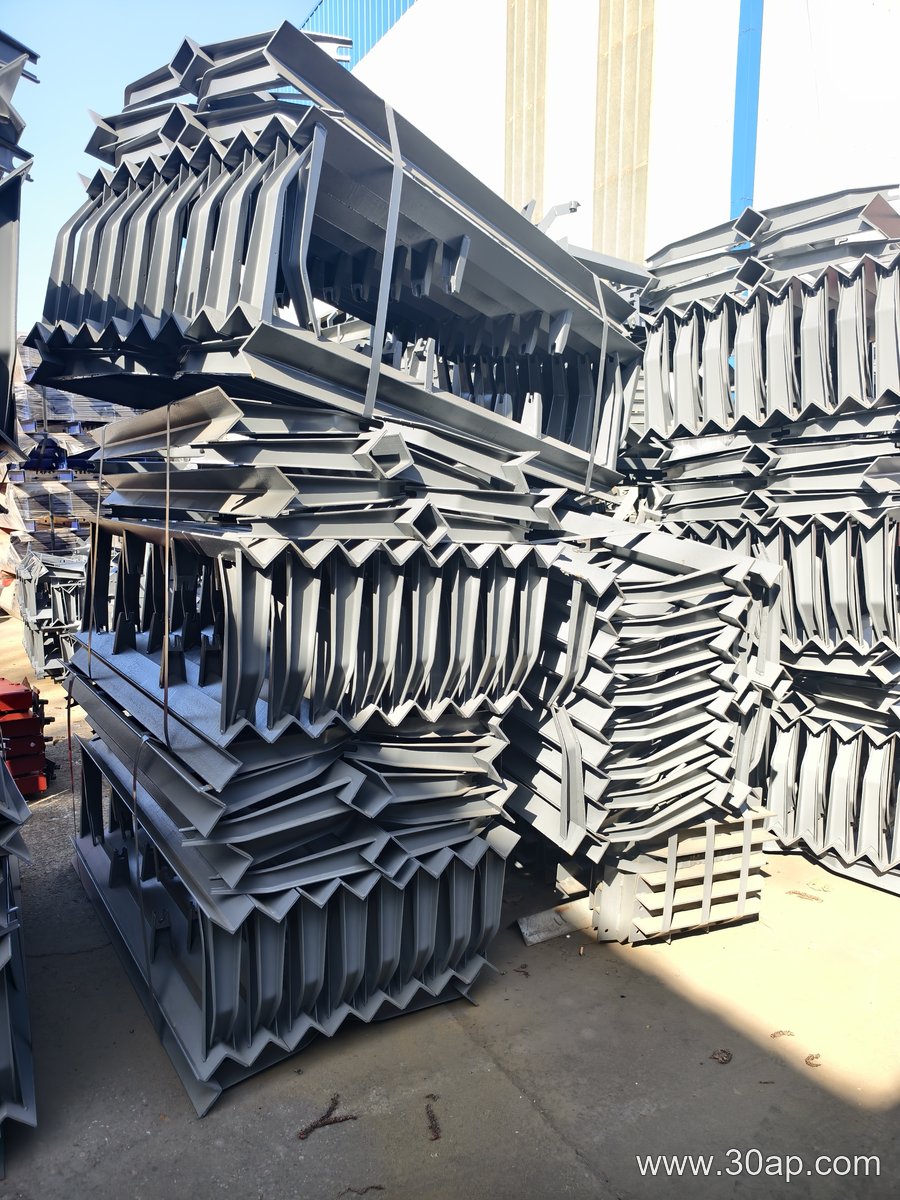
In a dusty quarry, the conveyor bracket is the part that decides how often crews return to a transfer point. It aligns idlers and stringers, yet it also collects fines in every pocket and thread. A bracket that sheds dust stays aligned; one that traps it becomes a wear point.
Design Choices That Matter Underground
- Sloped or open profiles let dust slide off instead of packing around bolt heads.
- Stamped heavy-duty conveyor bracket designs reduce crevices compared with welded assemblies.
- Standardized hole patterns keep replacement simple when a bracket finally wears through.
None of these choices is universal. A sealed bracket resists ingress but costs more and can hide corrosion. The practical answer is to match the conveyor bracket to the dust load and the washdown schedule, not to buy the heaviest option.
Why a Conveyor Belt Sizing Example Starts With Water, Not Load
In a wet outdoor conveyor, water changes friction and belt weight. Assume a 50 m transfer, 100 t/h, 1.2 m/s, 15° incline, rain exposure.
Step 1: Belt width and carcass
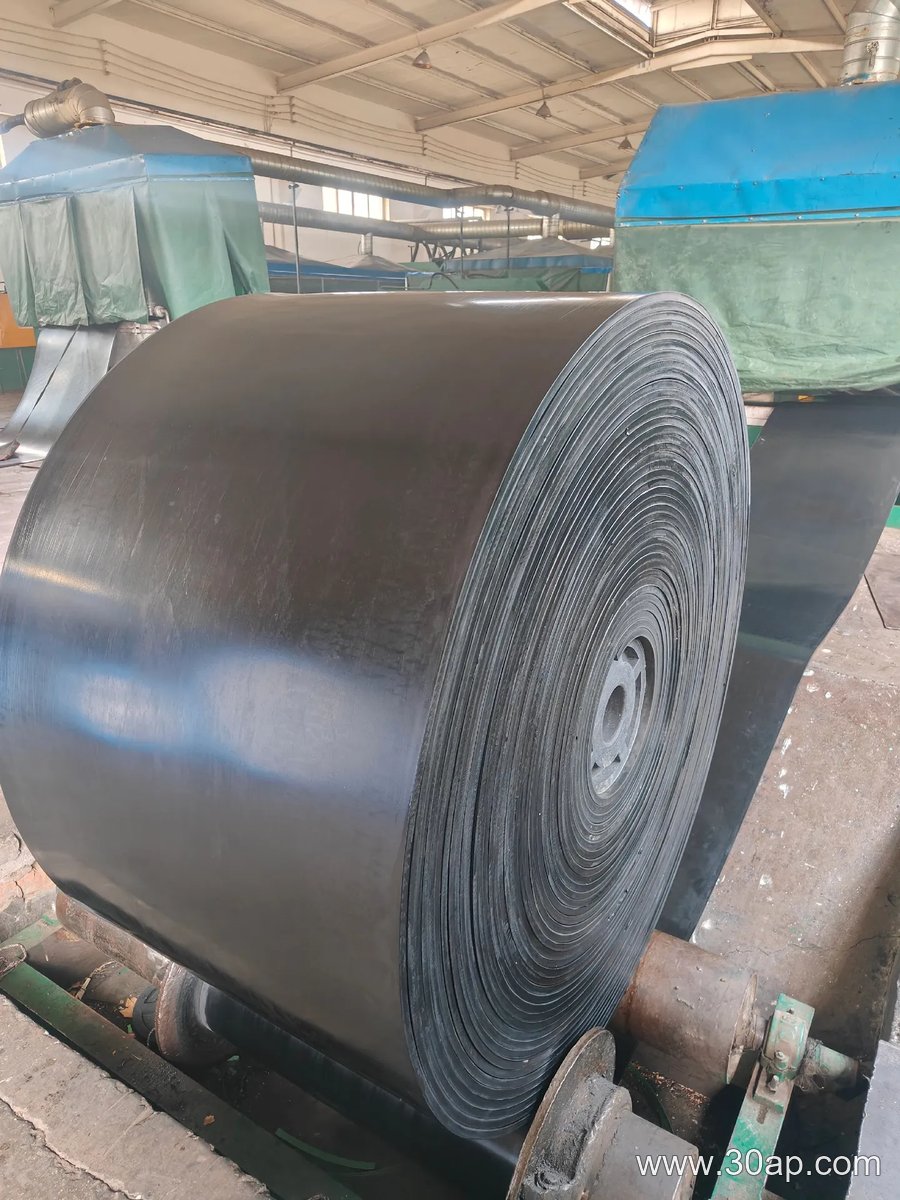
Choose 800 mm width, EP carcass, 3 mm covers. Wet grip requires lagged pulley and sufficient take-up.
Step 2: Power check
Estimate Te = lift + friction. With μ reduced by water, add 20% margin. These values are hypothetical.
Choosing an Idler Roller Diameter Under Real Constraints
Assume a hypothetical mineral-processing plant needs an idler roller for a 900 mm conveyor carrying crushed ore at 2.5 m/s. The design trade-off: a larger roll diameter reduces rotational speed and bearing stress, but raises frame height and cost.
Decision and Assumptions
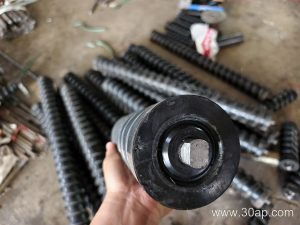
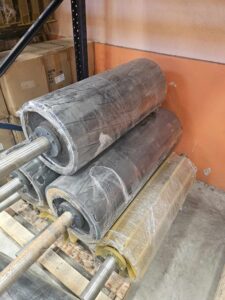
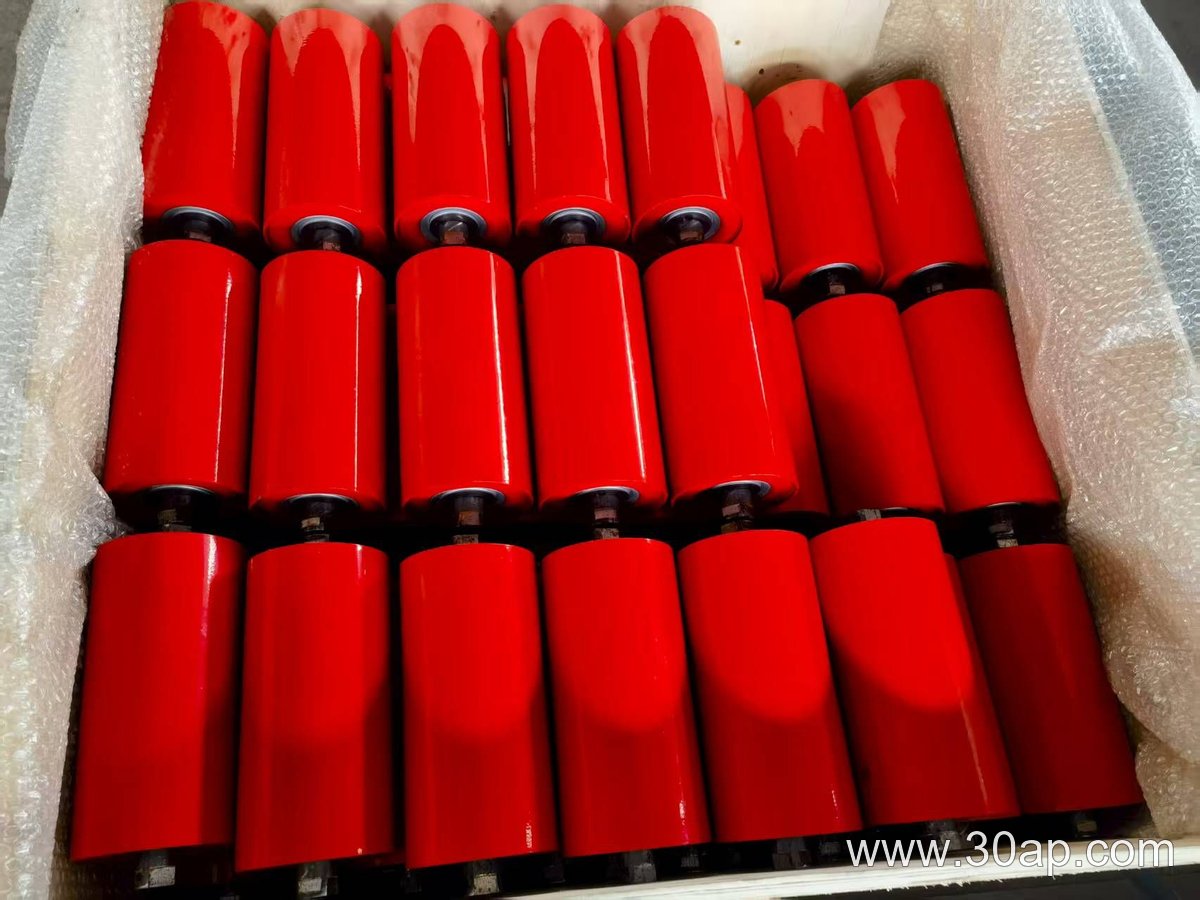
We assume 1,200 mm roll face, 25 mm shaft, and CEMA-class load. A 152 mm diameter idler roller at 2.5 m/s spins near 314 rpm; a 127 mm roller spins near 376 rpm. Lower speed favors bearing life.
- Dust exposure: sealed bearings preferred.
- Belt width: 900 mm constrains roll face.
- Target life: bearing L10 stated by supplier.
Decision: specify the 152 mm idler roller, accepting a taller frame for longer bearing service in abrasive ore dust.