Why the Conveyor Bracket Matters More Than You Think
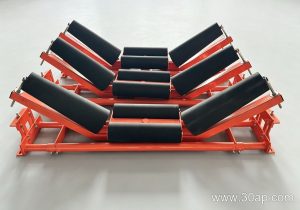
The conveyor bracket is the unsung hero of any material handling system. It anchors rollers, guides belts, and absorbs dynamic loads. A poorly chosen bracket leads to misalignment, premature wear, and costly downtime. Start by measuring your rail width and roller diameter; the bracket must match both precisely.
Key Specifications for Purchasing
- Material: Choose galvanized steel for corrosive environments, stainless for food-grade, or aluminum for weight-sensitive applications.
- Load rating: Always exceed your maximum dynamic load by at least 25%—not just static weight.
- Adjustability: Slotted holes allow fine-tuned belt tracking. Fixed brackets are cheaper but less forgiving.
- Fastening type: Weld-on vs. bolt-on. Bolt-on offers easier replacement; weld-on provides rigidity for high-speed lines.
Installation and Maintenance Tips
Torque bolts to the manufacturer’s spec—over-tightening cracks the bracket foot, under-tightening causes vibration. Inspect brackets quarterly for stress fractures near weld seams. When ordering spares, verify hole spacing against your existing frame; many suppliers offer custom drilling with minimum order quantities.
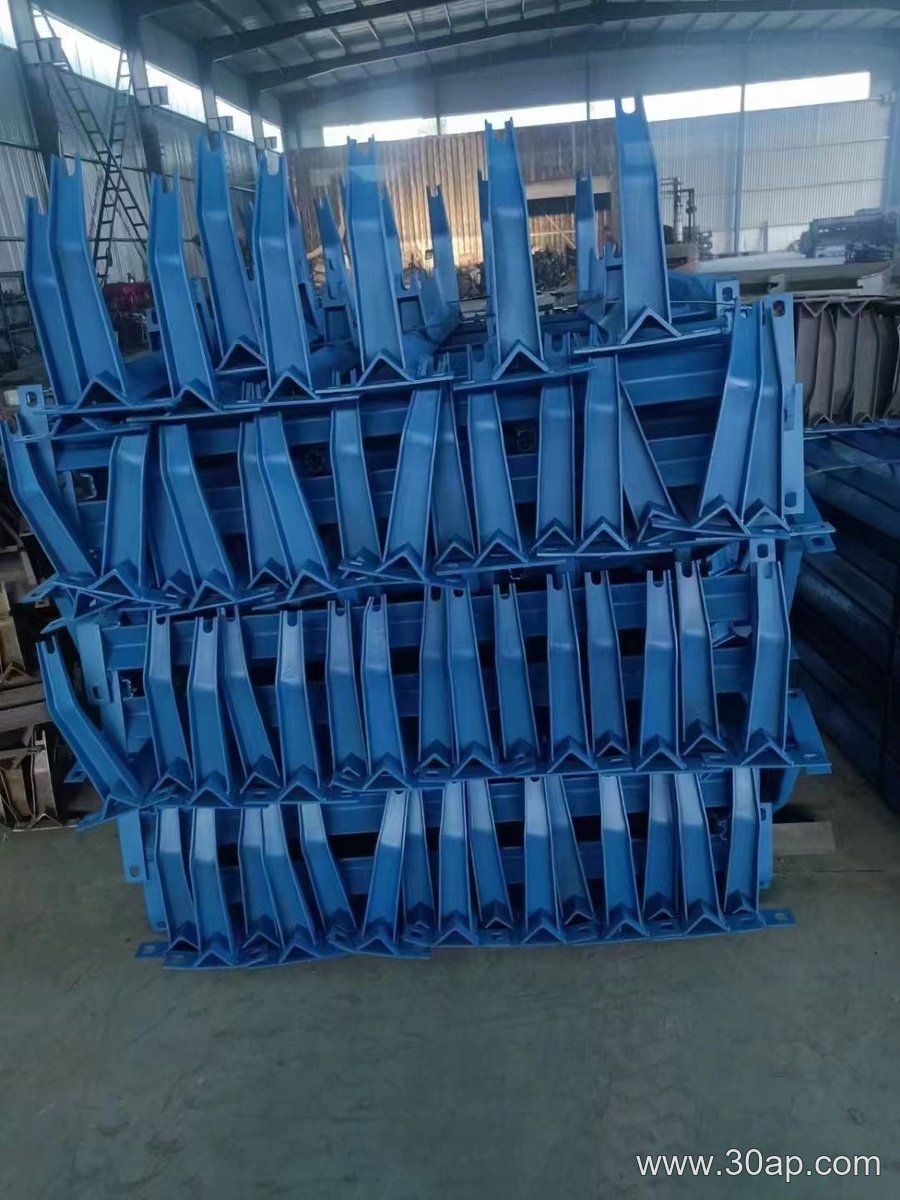
For new lines, request a sample bracket to test fit before bulk ordering. Ask about integrated shims or rubber pads for noise reduction. A quality conveyor bracket pays for itself in extended roller life and fewer emergency shutdowns.
Conveyor Belt Fundamentals for Long-Term Operations
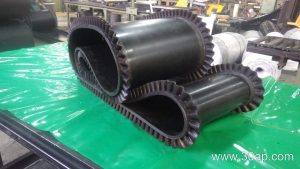
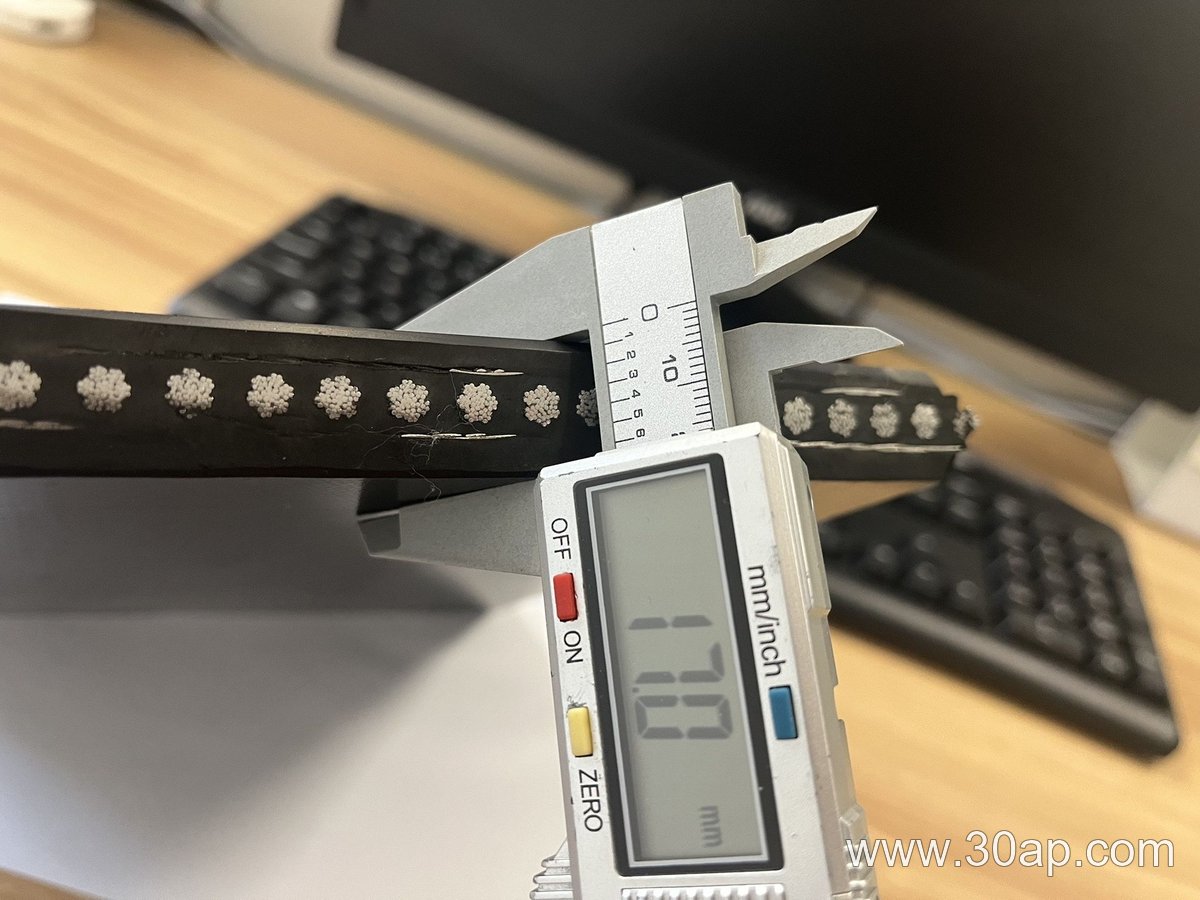
Every material handling system depends on a conveyor belt that balances tensile strength, surface friction, and wear resistance. Choosing a belt without analyzing your load profile leads to premature failure and costly downtime.
Key Factors in Conveyor Belt Selection
- Material type: Rubber belts handle abrasive aggregates, while PVC or polyurethane suits food and pharmaceutical lines.
- Tension rating: Match the belt’s carcass layers to motor power and incline angle to prevent stretch or breakage.
- Surface texture: Cleated or rough-top belts improve grip on steep slopes; smooth belts reduce product marking.
Purchasing and Maintenance Advice
Request a splice sample and verify belt thickness against your pulley diameter. Always buy from suppliers offering vulcanized or mechanical joint kits. Schedule weekly tracking and edge wear checks—this extends belt life by up to 40%.
Understanding the Role of Idler Rollers in Material Handling
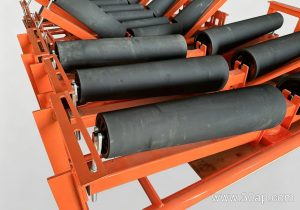
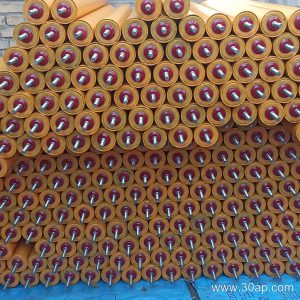
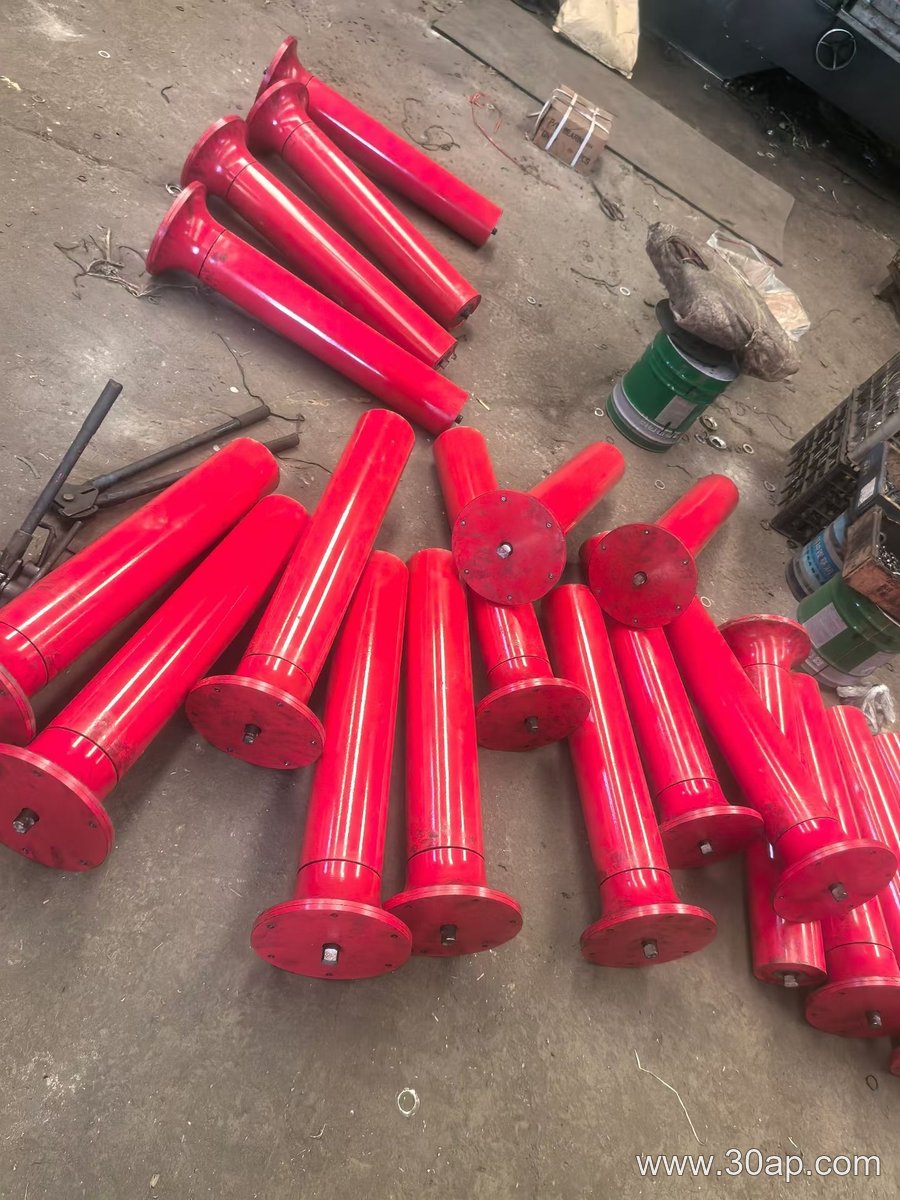
An idler roller is the unsung hero of any belt conveyor system. It supports the belt and transported material, reduces friction, and maintains proper belt tracking. Choosing the correct idler roller directly impacts operational uptime, energy consumption, and maintenance costs.
Key Factors for Idler Roller Selection
When specifying an idler roller, evaluate the following criteria to match your application environment and load profile.
- Load rating: Calculate the maximum belt load and impact force at loading zones. Over-specifying adds cost, while under-specifying leads to premature failure.
- Roller diameter and shell thickness: Larger diameters reduce belt sag and rolling resistance, ideal for high-speed or heavy-duty lines. Thicker shells resist abrasion in harsh materials.
- Sealing system: Choose labyrinth seals for dusty or wet conditions, and contact seals for high-pressure washing. Proper sealing extends bearing life.
- Bearing type and grease: Standard C3 clearance bearings suit most uses; high-temperature or food-grade grease may be required for specific industries.
- Troughing angle: Match the roller trough angle (20°, 35°, or 45°) to the belt width and load cross-section to prevent spillage and belt misalignment.
Purchasing Advice for Industrial Buyers
Purchase idler rollers from manufacturers that provide published CEMA or DIN ratings. Request samples for field testing under your actual load conditions. Verify interchangeability with existing frames to avoid retrofit costs. Also, consider total cost of ownership—energy savings from low-friction rollers often justify a higher upfront price.
Finally, stock critical spare idler rollers for your most active conveyor lines. A proactive replacement strategy reduces unplanned downtime and protects your investment in belt and structure.
Why the Conveyor Pulley Defines System Reliability
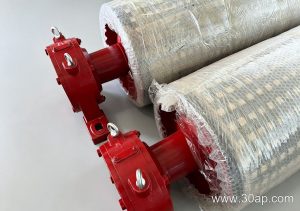
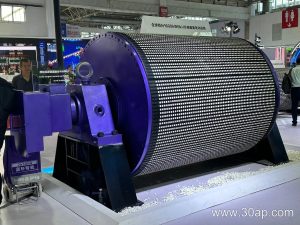
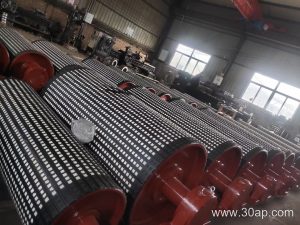
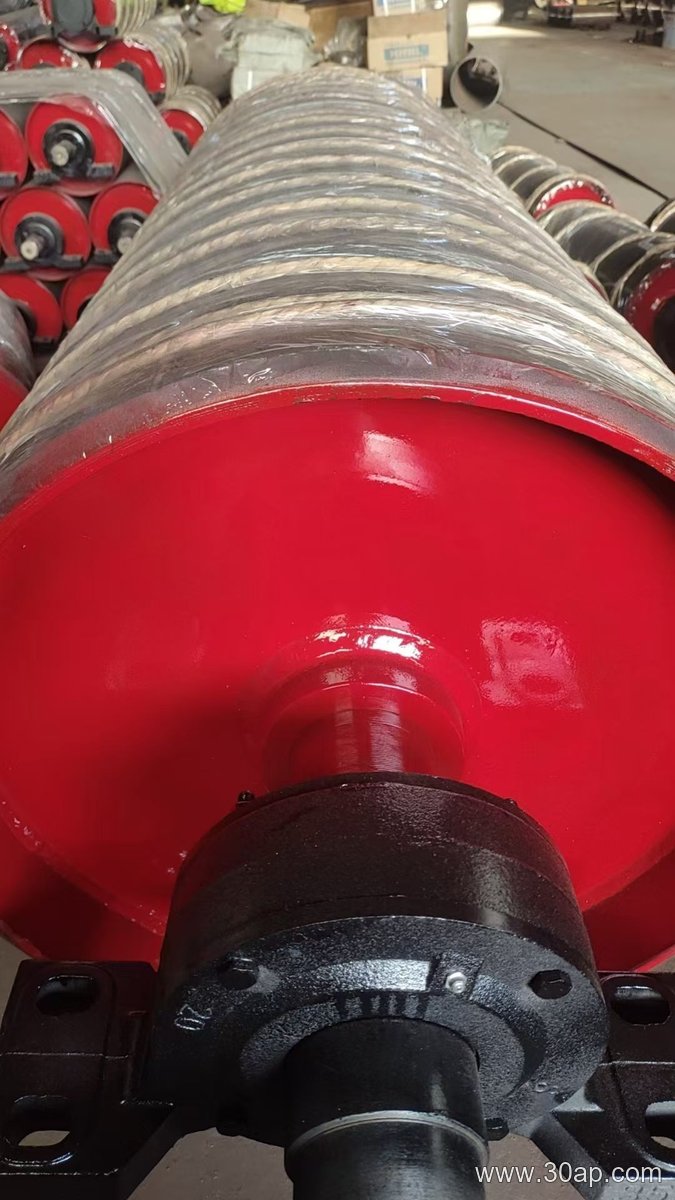
The conveyor pulley is not just a rotating cylinder; it is the load-bearing heart of any belt conveyor. It drives the belt, changes its direction, and maintains tension across the entire system. A poorly specified pulley leads to belt slippage, misalignment, and unplanned downtime.
Key Specifications for Correct Purchasing
Before ordering, always verify these dimensions and ratings against your operational load and belt speed:
- Diameter and face width – match the belt width and required wrap angle to avoid edge stress.
- Shaft and bearing capacity – calculate the resultant radial load at maximum tonnage, including start-up torque.
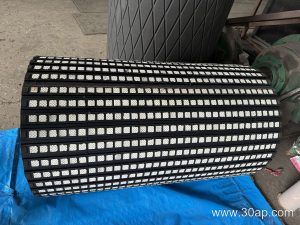
- Lagging type – choose ceramic for high grip in wet or steep conditions; rubber for general use; plain steel only for low-friction return runs.
- Crown profile – a 0.5–1% crown helps self-center the belt, reducing tracking issues.
Duty Classification and Material Choices
Select between drum, wing, or spiral-wrapped pulleys based on material abrasiveness and build-up risks. For heavy mining, use welded steel with a minimum shell thickness of 10 mm; for food-grade environments, specify stainless steel and food-safe lagging. Always request a dynamic balancing report for pulleys above 5 m/s.
Procurement and Maintenance Advice
Inspect the weld seams, hub-to-shell concentricity, and the bore tolerance for the shaft fit (H7/k6 recommended). Order spare bushings and seals with every pulley. Schedule monthly checks for lagging wear and bolt torque—replacing a pulley costs far less than repairing a damaged belt or structure.
Finally, confirm the manufacturer’s warranty covers both static and dynamic loads, not just the idle frame. A correctly engineered conveyor pulley will deliver 50,000+ operating hours with minimal intervention.