What Is a Steel Cord Conveyor Belt
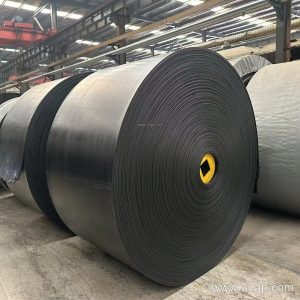
A steel cord conveyor belt is a heavy-duty conveyor belt built around a core of high-tensile steel cords. These cords run longitudinally through the belt and carry the load, allowing the belt to handle very high tension over long distances. Unlike fabric-core belts, where the strength comes from woven textile plies, the steel cord construction offers low elongation and excellent impact resistance, making it suitable for demanding applications in mining, cement, power plants, and ports.
As a product category, it is often referred to by its abbreviation or simply as steel cord belt. The core is embedded in rubber, and the belt is finished with cover compounds on both sides to protect the cords and provide the required surface properties.
Construction and Key Components
The belt consists of three main parts: the steel cord carcass, the top cover, and the bottom cover. The cords are arranged in a single plane and are typically brass-plated to promote adhesion to the rubber. The rubber compound penetrates between the cords to form a strong, flexible matrix.
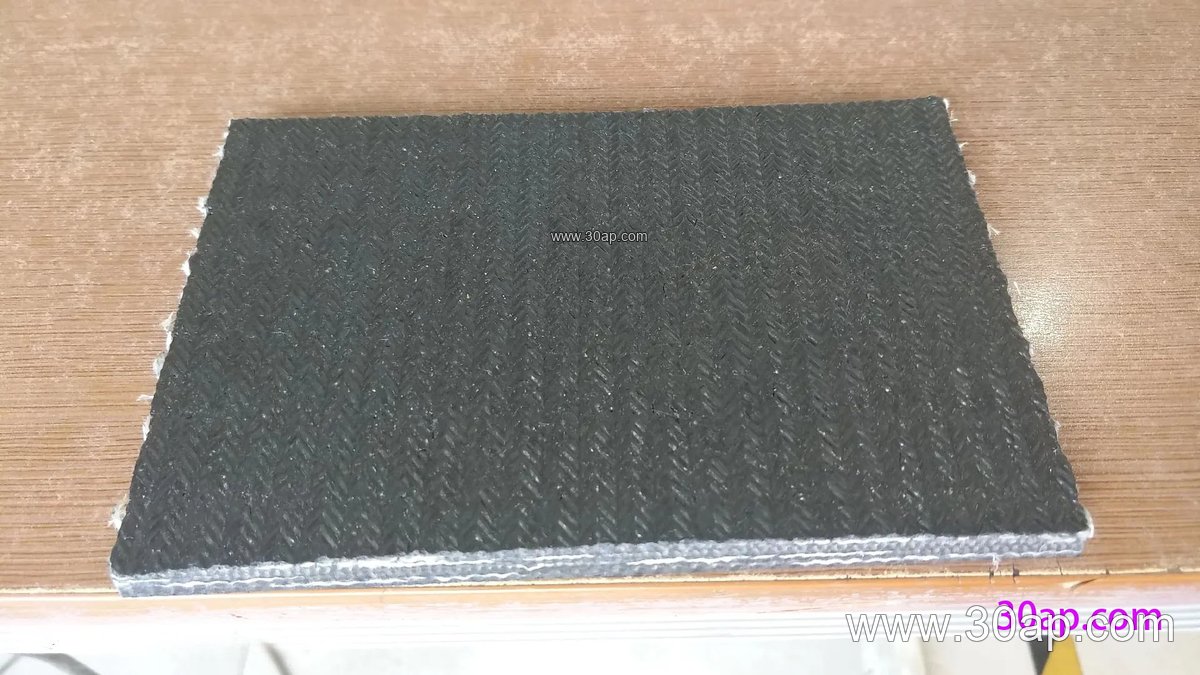
Cover thickness and compound quality are critical for wear life and resistance to the environment. Common cover thickness combinations include 4+2 mm, 5+2 mm, 6+2 mm, and 8+3 mm, though actual values are specified according to the duty. The rubber may be formulated for abrasion resistance, heat resistance, flame retardancy, oil resistance, or anti-static properties, depending on the operating conditions.
Typical Applications
Steel cord belts are widely used in industries that move large volumes of bulk material. In mining, they are found in underground mining conveyor systems and on surface operations handling ore, coal, and rock. Cement plants use them for clinker and raw material transport, while power plants rely on them for coal delivery. Quarries, aggregate operations, and port facilities also employ these belts for ship loading and stockyard conveying.
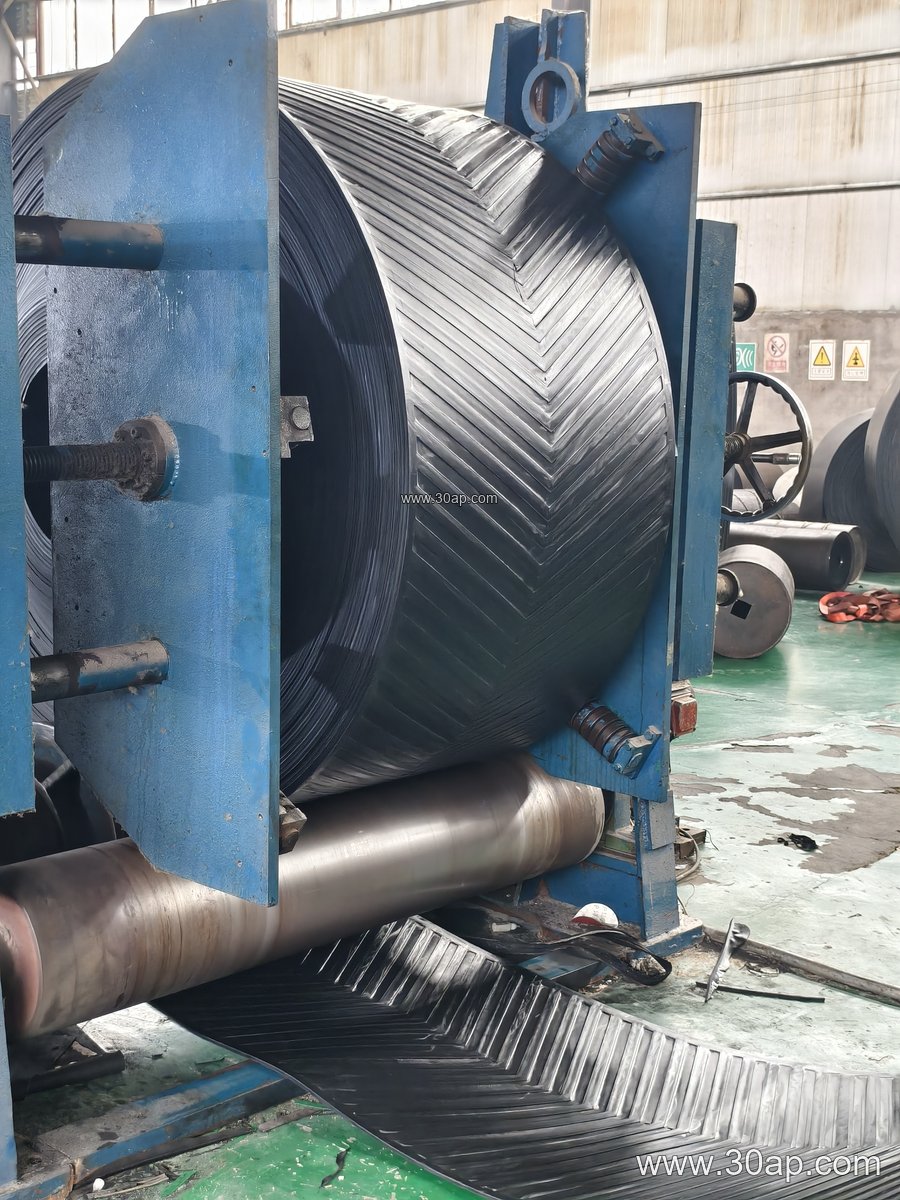
They are particularly advantageous where long center distances and high tonnages are involved, and where a fabric-core belt such as an EP conveyor belt or NN conveyor belt would require multiple transfer points. The low stretch of the steel cord design also reduces take-up travel and maintenance.
Strength Grades and Specifications
Steel cord belts are classified by their nominal tensile strength per unit width, usually expressed in newtons per millimeter (N/mm). Common grades include ST1000, ST1250, ST1600, ST2000, ST2500, and ST3150. These values indicate the breaking strength of the cord carcass and help engineers select a belt for a given conveyor profile.
Belt width is another key parameter. Standard widths range from 500 mm to 2400 mm, with wider belts available for high-capacity systems. The table below lists typical strength grades and common width options for reference. These are not mandatory combinations; the final specification depends on the conveyor design, material lump size, and operating conditions.
| Strength Grade | Common Belt Widths (mm) | Typical Cover Thickness (mm) |
|---|---|---|
| ST1000 | 800, 1000, 1200, 1400 | 4+2, 5+2 |
| ST1250 | 1000, 1200, 1400, 1600 | 5+2, 6+2 |
| ST1600 | 1200, 1400, 1600, 1800 | 6+2, 8+3 |
| ST2000 | 1400, 1600, 1800, 2000 | 6+2, 8+3 |
| ST2500 | 1600, 1800, 2000, 2200 | 8+3 |
| ST3150 | 1800, 2000, 2200, 2400 | 8+3 |
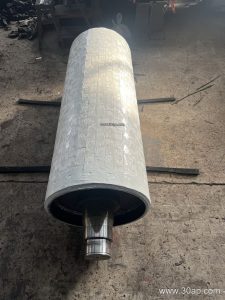
Note that belt width and pulley diameter are matched through conveyor design calculations, not by a fixed rule. A given width can work with different pulley sizes depending on the cord diameter, belt thickness, and system tension.
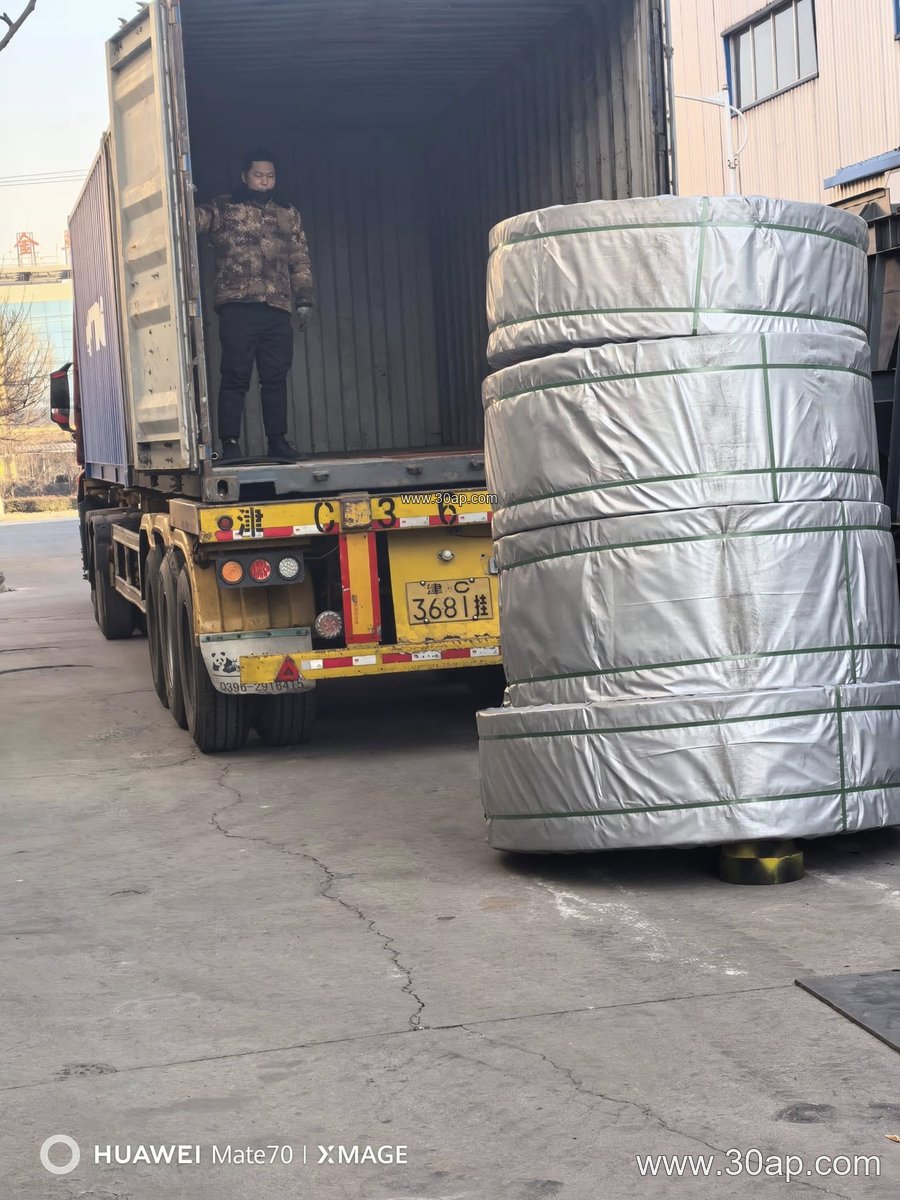
Selection and Maintenance Considerations
When selecting a steel cord conveyor belt, consider the material to be conveyed, lump size, operating temperature, and any special hazards. For example, a coal mining conveyor belt may require flame retardant and anti-static properties, while a belt in a cement plant may need heat resistance. Impact resistance is important at transfer points where large lumps drop onto the belt.
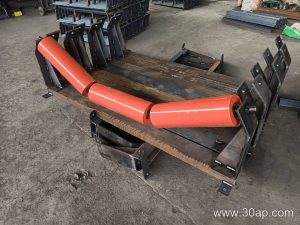
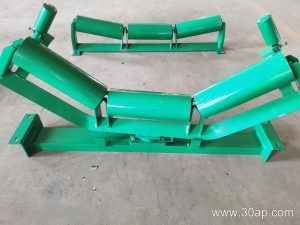
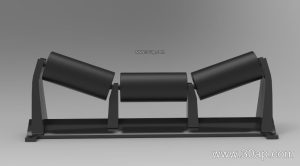
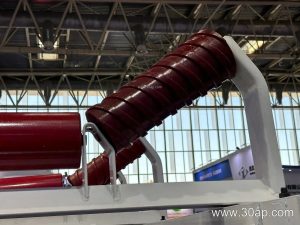
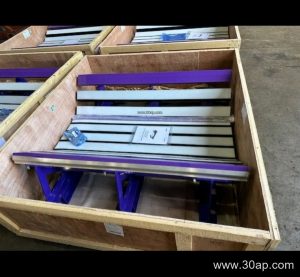
Maintenance focuses on monitoring belt tracking, checking splice integrity, and inspecting covers for wear or damage. Proper alignment of idler rollers and conveyor pulleys helps prevent edge damage and extends belt life. Conveyor brackets and frames should be sturdy to support the belt and maintain correct troughing. Regular inspection of the steel cord carcass through belt thickness measurements can detect cord exposure or degradation early.
For those comparing options, fabric-core belts like EP conveyor belts or multi-ply fabric core belts may be sufficient for shorter, lighter duties, while steel cord belts excel in high-tension, long-distance applications. Working with a knowledgeable supplier to review the conveyor profile and operational requirements ensures the right belt is chosen.