What a Carrying Idler Does on a Conveyor
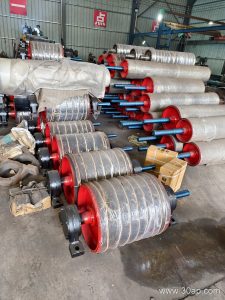
A conveyor belt carrying idler is the rotating roller set that supports the loaded side of the belt between the head and tail ends of the conveyor. Because it sits directly under the material load, it is often called a troughing idler or carrying roller. Its job is simple to describe but demanding in practice: hold the belt in a stable trough shape, keep friction low, and protect both the belt cover and the conveyed material from unnecessary wear.
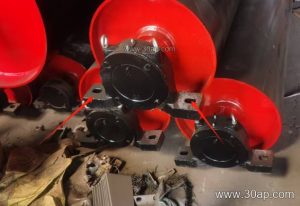
These rollers are not the same as a conveyor pulley. Drive, tail and bend pulleys transmit power and change belt direction; carrying idlers only support the belt. Mixing the two in a purchase list is a common and costly mistake, especially in quarry, cement and power plant conveyor systems.
How the Roller Set Is Built
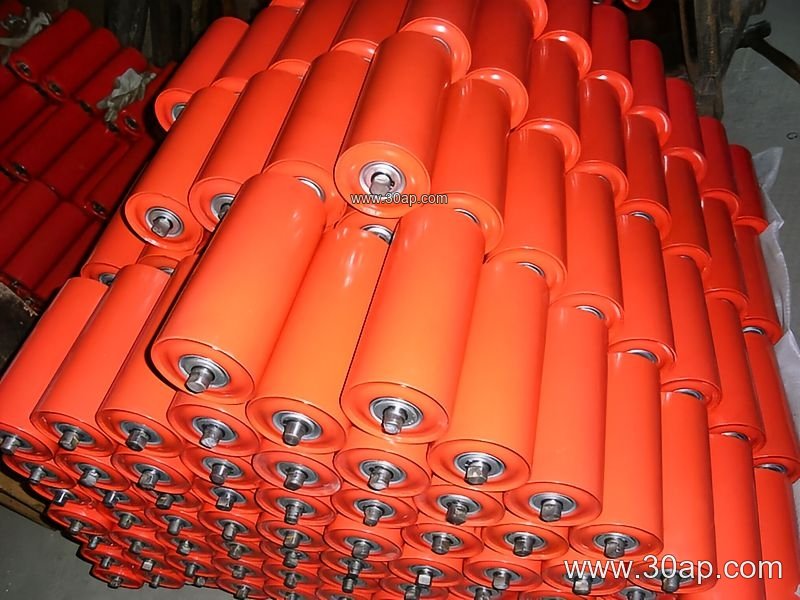
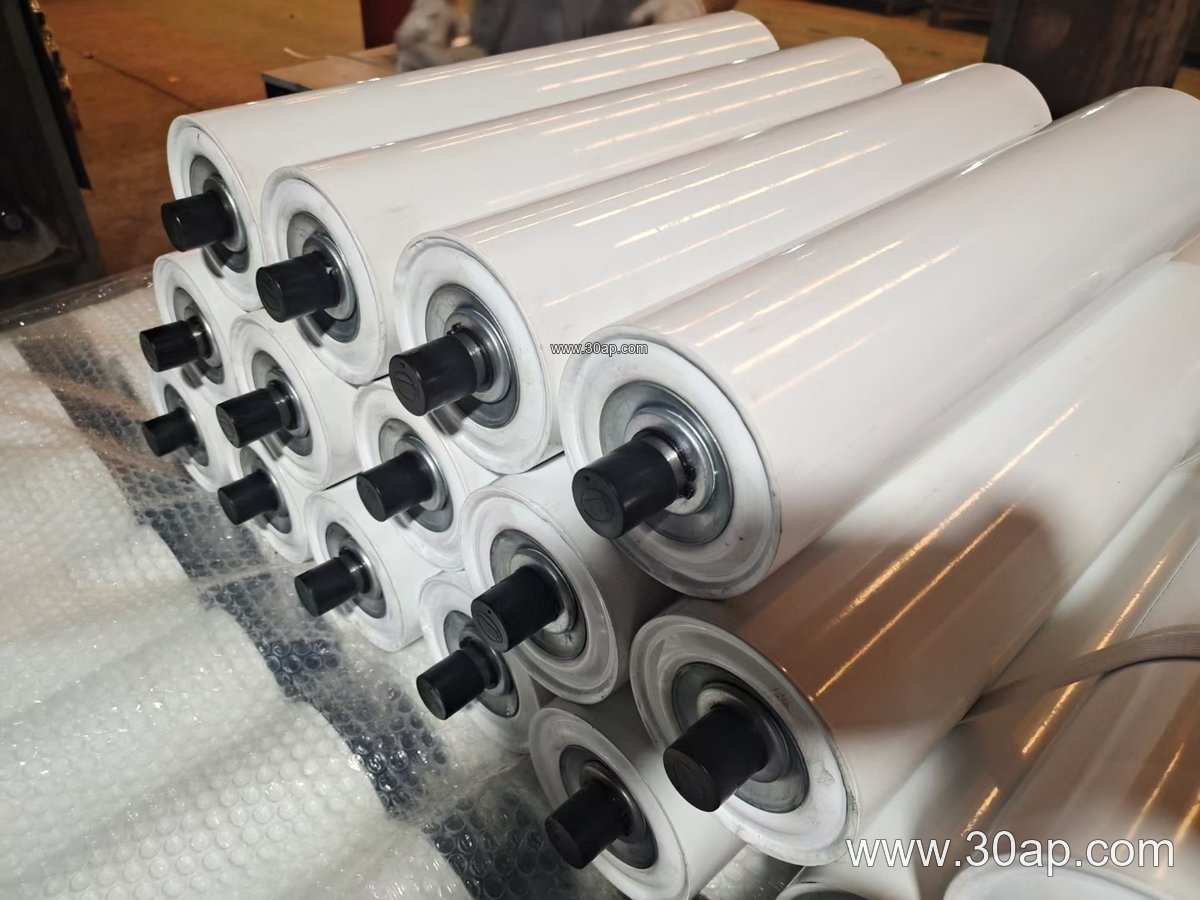
A typical carrying idler assembly includes a steel tube shell, bearing housings, a shaft, and a sealing arrangement at each end. Roller shells are commonly supplied in steel, nylon, ceramic or rubber-covered form. Sealing quality matters more than many buyers expect, because fine dust from limestone, coal or sand aggregate is the main cause of premature bearing failure.
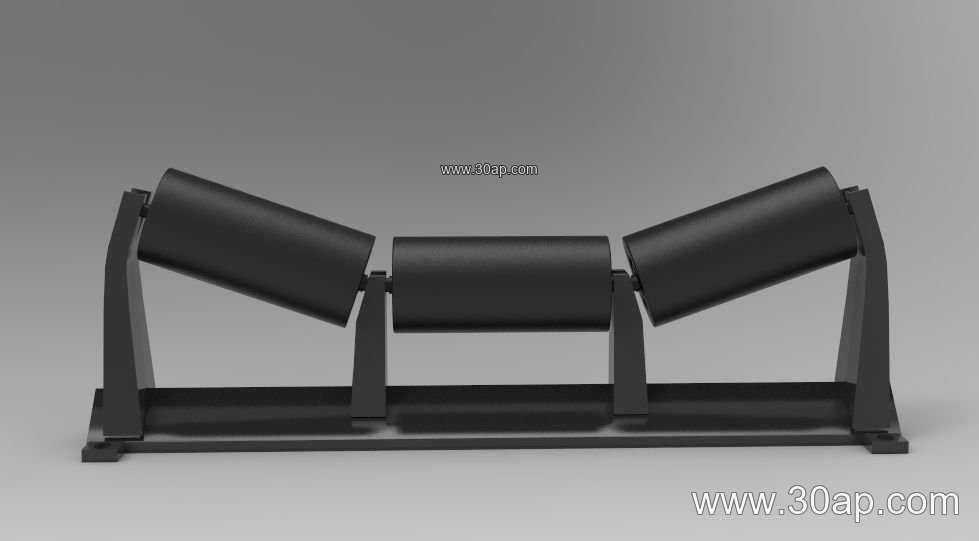
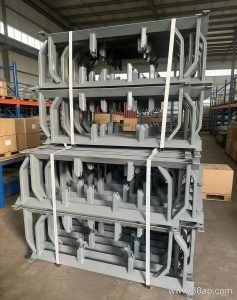
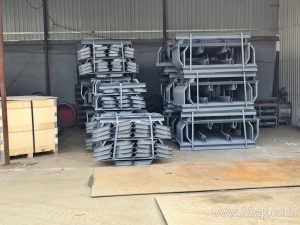
The idler set is mounted on a conveyor bracket or frame. Three-roll troughing sets are the most common arrangement for bulk material, while two-roll and single-roll designs appear on narrower belts or where a flatter profile is required. The trough angle is usually 20, 30, 35 or 45 degrees, and the choice affects how the material sits on the belt.
Common reference values
| Item | Typical range or example |
|---|---|
| Roller diameter | Ø63, Ø76, Ø89, Ø102, Ø108, Ø127, Ø133, Ø159, Ø178, Ø194, Ø219 mm |
| Belt width | B400 to B2400 mm |
| Trough angle | 20, 30, 35, 45 degrees |
| Bearing | 6204, 6205, 6305, 6306, 6308, 6310 |
| Three-roll carrying roller length (example) | B500 about 200 mm, B800 about 315 mm, B1200 about 465 mm, B1600 about 600 mm, B2000 about 750 mm |
These figures are reference examples, not fixed pairings. Roller length changes with belt width, trough angle and roll arrangement, and the side rollers may differ from the center roller. Bearing size should be confirmed with the idler manufacturer rather than guessed from belt width.
Where Carrying Idlers Are Used
You will find carrying idlers in almost every bulk handling line. In a sand and gravel plant they support the belt under crushed stone; in a cement plant they carry clinker and raw meal; in a coal washing plant or power plant coal yard they handle abrasive and sometimes wet material. A stone crushing line, a port ship loader, and a tunnel muck removal conveyor all rely on the same basic component.
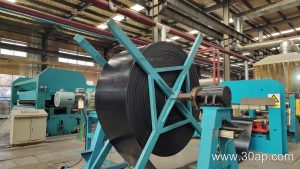
On a heavy-duty mining conveyor, the carrying idler works together with an abrasion resistant conveyor belt or a steel cord conveyor belt to move ore at high tonnage. In dusty or flammable environments, the belt itself may be a flame retardant conveyor belt, but the idler selection still focuses on load, speed and sealing.
Selection Points Buyers Should Check
- Load and spacing: Material weight per meter and idler spacing determine the load on each roller. Closer spacing is common at loading points and on heavy belts.
- Trough angle: A 35-degree trough is widely used for bulk material, while 45 degrees suits some free-flowing or high-capacity duties. The angle must match the frame.
- Roller diameter: Larger diameters usually run cooler and last longer on high-speed or heavy belts, but they need suitable frame height.
- Sealing and bearing: Ask about the seal design for dusty conditions. A good bearing with a poor seal will still fail early.
- Impact zone: At transfer points, impact idlers or rubber-ring impact rollers are often used instead of standard carrying idlers to absorb falling material energy.
- Belt compatibility: Check that the idler surface will not damage the belt cover, particularly with heat resistant or oil resistant conveyor belt grades.
For a new project, the safest approach is to give the supplier the belt width, belt speed, material type, capacity and trough angle, then let the idler and frame be matched as a set. Do not assume one belt width locks to one pulley diameter or one shaft size.
Maintenance and Everyday Checks
Carrying idlers are wear items. A seized roller can wear through a belt cover quickly, and a misaligned set can cause belt drift and spillage. Walk the line regularly and look for stopped rollers, noisy bearings, built-up material on the shell, and worn rubber rings. Transition idlers near the head and tail need attention because the belt changes shape there.
Keep spare sets in common diameters for the belts on site. In a busy quarry or cement plant, a small stock of troughing idlers, impact rollers and brackets can shorten downtime more than any other spare part decision.