What a 500mm Diameter Conveyor Pulley Is
A 500mm diameter conveyor pulley is a drum-shaped rotating component used to support and drive the conveyor belt in bulk material handling systems. With a nominal diameter of 500mm (Ø500), it sits in the mid-size range of pulleys, making it suitable for medium-duty to heavy-duty applications where belt tension and load requirements are moderate to high. You will often see this size referred to simply as a Ø500 conveyor pulley, or by its function such as a drive pulley, tail pulley, or bend pulley — each serving a distinct role in the conveyor circuit.
In a typical arrangement, the pulley works together with the conveyor belt, idler rollers, and conveyor brackets to keep material moving efficiently. The 500mm diameter offers a good balance between wrap angle, belt stress, and space requirements, which is why it appears in quarry lines, cement plants, and coal handling systems alike.
Construction and Key Components
A 500mm diameter conveyor pulley is not just a steel drum. Its construction involves several engineered parts that determine its performance and service life:
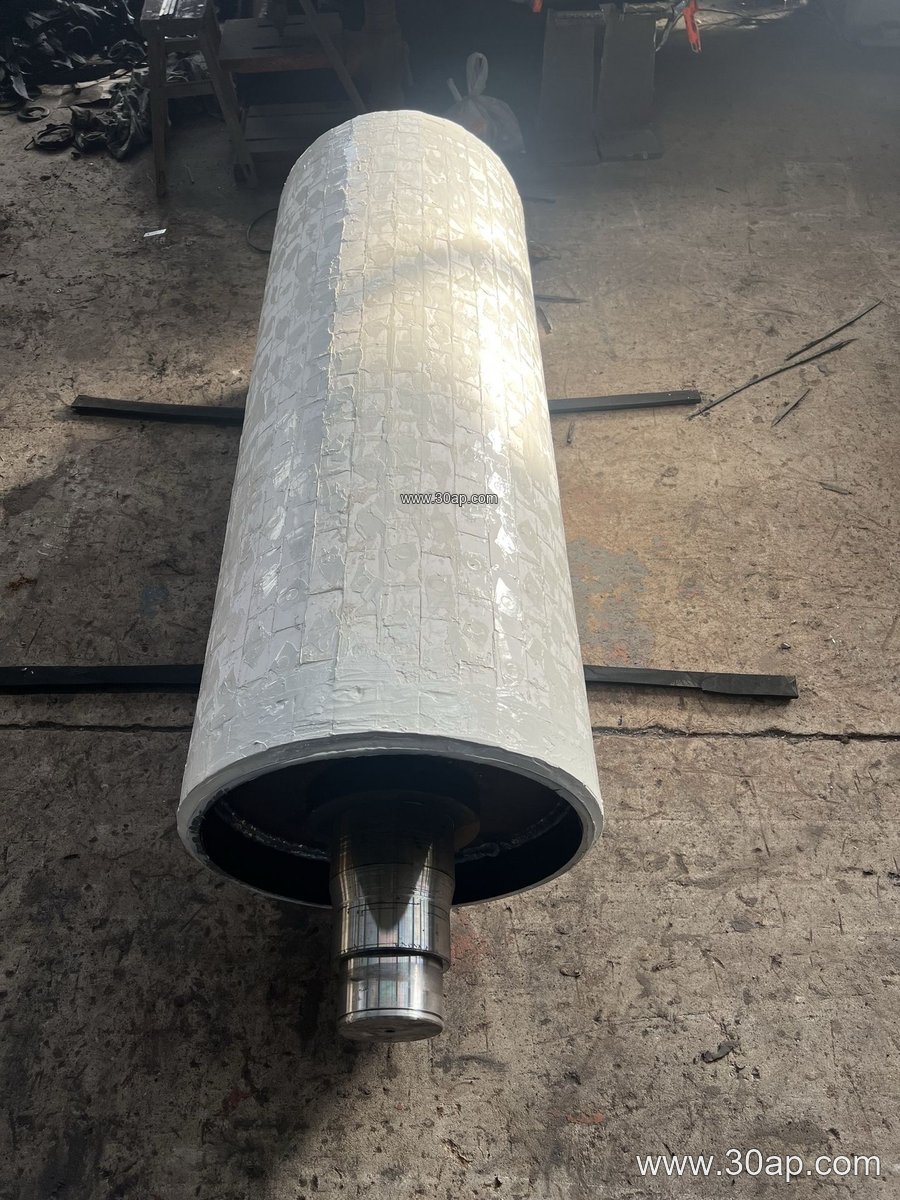
- Shell: Usually made from rolled steel plate, machined to ensure concentricity. The shell transfers torque to the belt.
- Shaft: Sized according to torque and load, not simply belt width. Common shaft diameters for this pulley size range from Ø80 to Ø160, depending on the application.
- End discs and hubs: Connect the shell to the shaft and distribute stress.
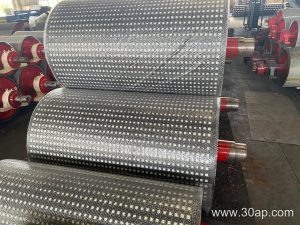
- Lagging: The surface can be plain, rubber-lagged, or ceramic-lagged to improve grip and wear resistance. Lagging thickness commonly ranges from 8mm to 20mm.
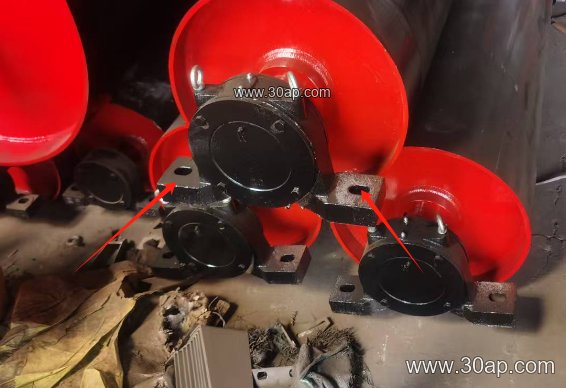
- Bearings and sealing: Chosen to suit the operating environment — dust, moisture, or temperature extremes.
For aggressive conditions such as those found in a mining conveyor belt system, the pulley may feature diamond or herringbone lagging to reduce slip and shed material. In coal mining or power plant coal handling, flame retardant and anti-static properties of the belt are critical, and the pulley must be compatible with those belt types.
Where a 500mm Diameter Pulley Fits
This pulley size is versatile and appears in several positions along a conveyor:
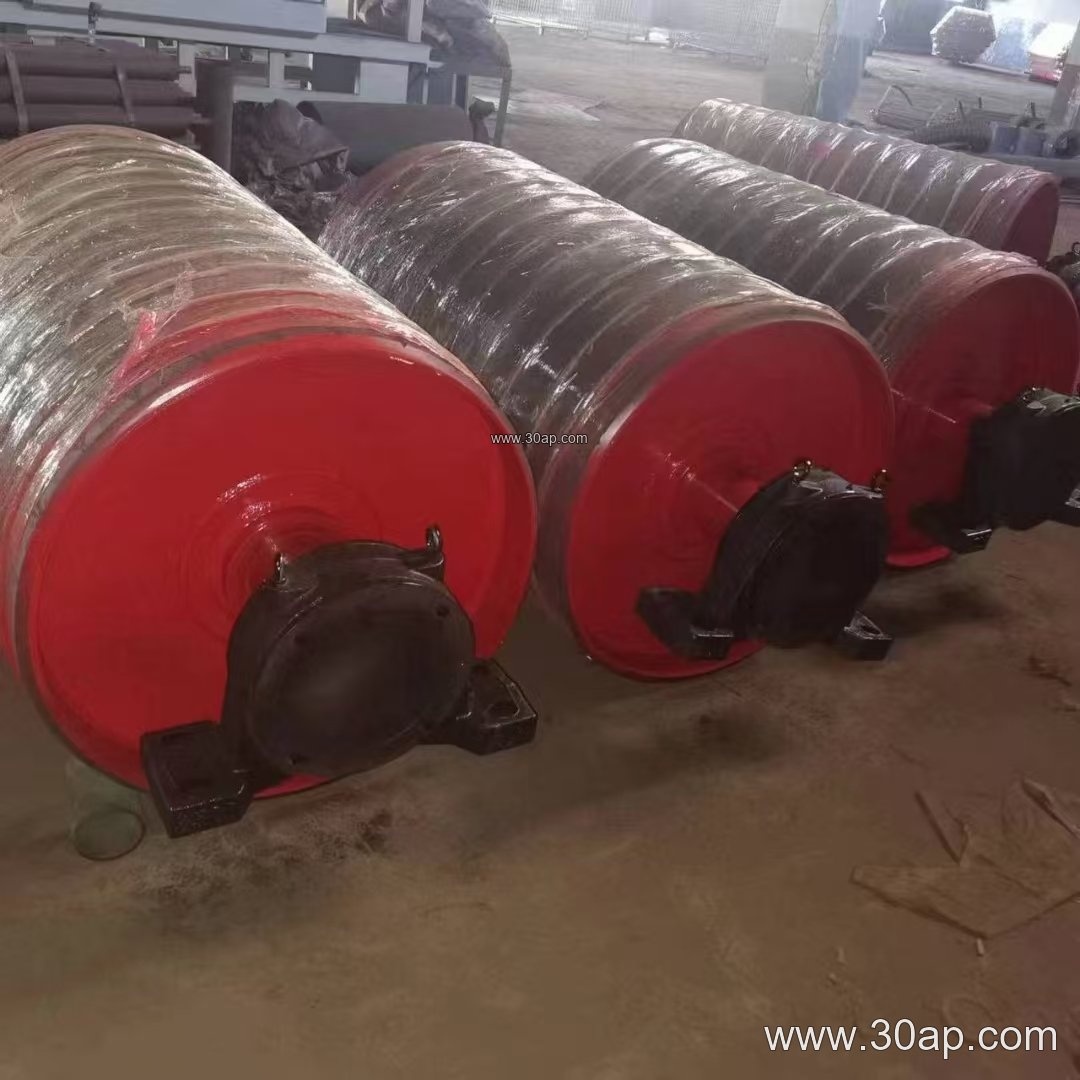
- Drive pulley: Transmits power from the motor to the belt. A 500mm diameter drive pulley is common on medium-capacity conveyors.
- Tail pulley: Provides belt tension and guidance at the loading end.
- Bend pulley: Changes belt direction or increases wrap angle around the drive pulley.
- Tension pulley: Maintains proper belt tension in take-up systems.
You might find a Ø500 pulley in a limestone quarry feeding a crusher, in a cement plant clinker transport line, or in a sand and aggregate plant. It is equally at home in a fertilizer granulation circuit or a grain silo discharge system. The key is matching the pulley’s load rating and lagging to the belt width and material characteristics.
Matching Belt Width and Pulley Dimensions
While there is no fixed rule that one belt width must use one specific pulley diameter, the pulley face width is typically wider than the belt to ensure proper support. For a 500mm diameter pulley, common face widths might be around 600mm, 750mm, or 950mm, corresponding to belt widths of B500, B650, and B800 respectively. However, these are reference examples — actual selection depends on the conveyor design, belt tension, and shaft loads.
The table below shows typical combinations for illustration only. Always confirm with your conveyor designer.
| Belt Width | Typical Pulley Face Width | Example Diameter |
|---|---|---|
| B500 | ~600 mm | Ø500 |
| B650 | ~750 mm | Ø500 |
| B800 | ~950 mm | Ø500 |
Keep in mind that shaft diameter is determined by torque and load, not by belt width alone. A 500mm pulley might use a Ø100 shaft in one application and a Ø140 shaft in another, depending on the drive power and belt tension.
Surface Options and Their Uses
The surface of a 500mm diameter conveyor pulley can be specified to suit the environment:
- Plain: For clean, low-tension applications.
- Rubber lagging (cold-bonded or hot-vulcanized): Improves friction and protects the shell. Common in aggregate and cement plants.
- Diamond or herringbone lagging: Helps with material shedding and grip in wet or dusty conditions.
- Ceramic lagging: Offers high wear resistance for abrasive materials like iron ore or copper ore.
When selecting lagging, consider the belt type. For example, a steel cord conveyor belt may require a different pulley surface than an EP fabric core belt. In food or grain handling, a food grade belt demands a pulley that is easy to clean and non-toxic.
Buyer Checklist
Before ordering a 500mm diameter conveyor pulley, gather the following information:
- Belt width (e.g., B650, B800) and belt type (e.g., EP1000, NN300, ST1250).
- Pulley position: drive, tail, bend, or tension.
- Required shaft diameter and bearing type.
- Lagging type and thickness (8–20 mm).
- Operating environment: temperature, dust, moisture, fire risk.
- Compatibility with conveyor idlers and brackets.
Also consider the pulley’s dynamic balance and run-out, especially for high-speed conveyors. A well-specified Ø500 pulley will contribute to smooth operation and reduced belt wear in any bulk material handling system, from a quarry to a port terminal.