What an EP400 Conveyor Belt Is
An EP400 conveyor belt is a fabric-reinforced rubber belt built on polyester-cotton (EP) carcass layers. The number 400 refers to the nominal tensile strength of the carcass, commonly expressed as 400 N/mm per ply width. It sits in the middle of the EP range, above lighter EP200 and EP315 belts and below heavier EP500, EP630 and EP800 constructions. In a typical plant, this belt is the workhorse for medium-duty main haulage and long transfer runs where a钢丝绳芯 belt would be overkill and a thin two-ply belt would be under-designed.
The same product is often shortened to EP400 belt or EP 400 rubber conveyor belt in purchase documents. All three names describe one carcass grade, not a family of interchangeable belts.
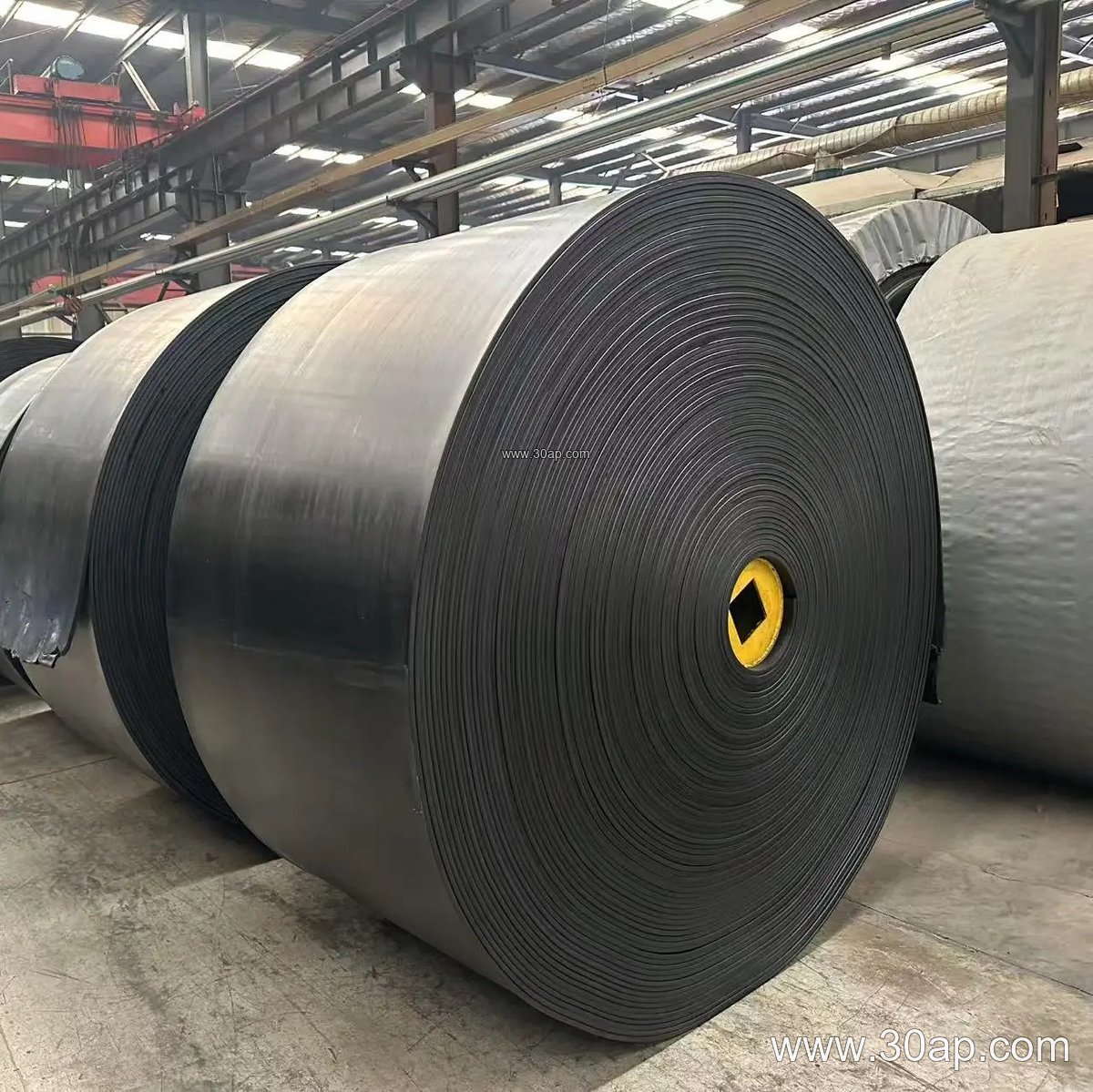
How the Belt Is Built
The carcass consists of two to six EP fabric plies, usually two to four for this strength class, bonded with skim rubber and protected by top and bottom cover compounds. Cover thickness is commonly written as a pair, for example 4+2 mm or 5+2 mm, where the first figure is the carrying cover and the second is the pulley-side cover. A 3+1.5 mm build suits lighter duty, while 6+2 mm and 8+3 mm give more wear allowance in abrasive service.
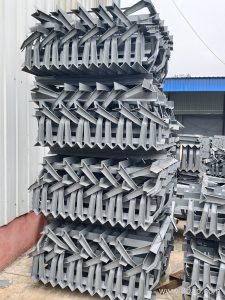
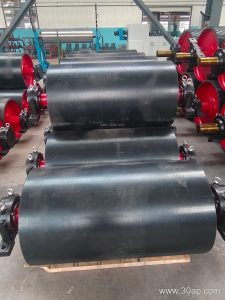
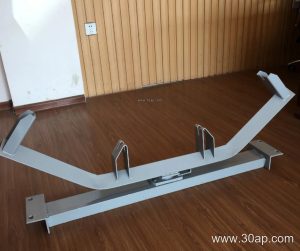
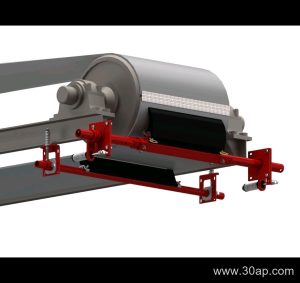
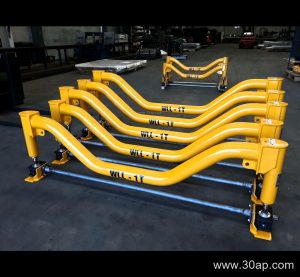
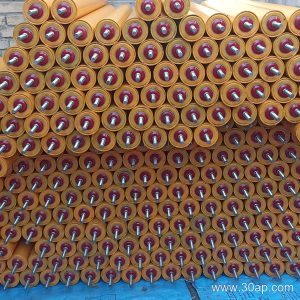
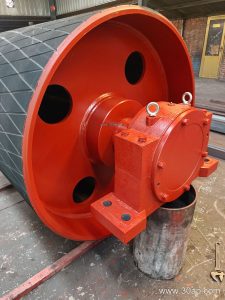
Edge construction matters as much as the carcass. Cut edges are common in general industrial use; moulded edges resist fraying on long runs and tight transitions. On a conveyor, the belt works with conveyor pulleys at the head and tail, idler rollers along the carrying and return strands, and conveyor brackets that hold the whole frame together. None of these parts are interchangeable, and the belt grade should be matched to the pulley diameters and troughing angle chosen for the line.
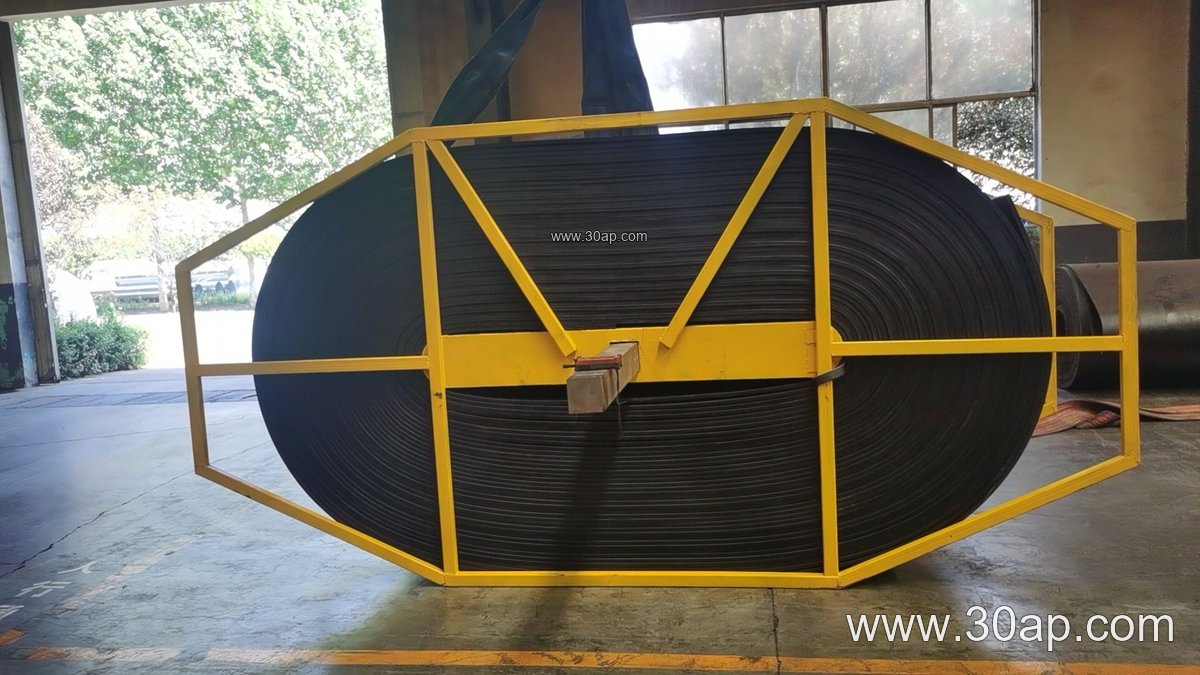
Typical Duty and Industries
EP400 belts appear in mines, coal preparation plants, cement works, power stations, sand and gravel yards, and bulk handling terminals. They carry crushed stone, clinker, coal, ore, fertiliser and similar granular loads on inclines and long horizontal runs.
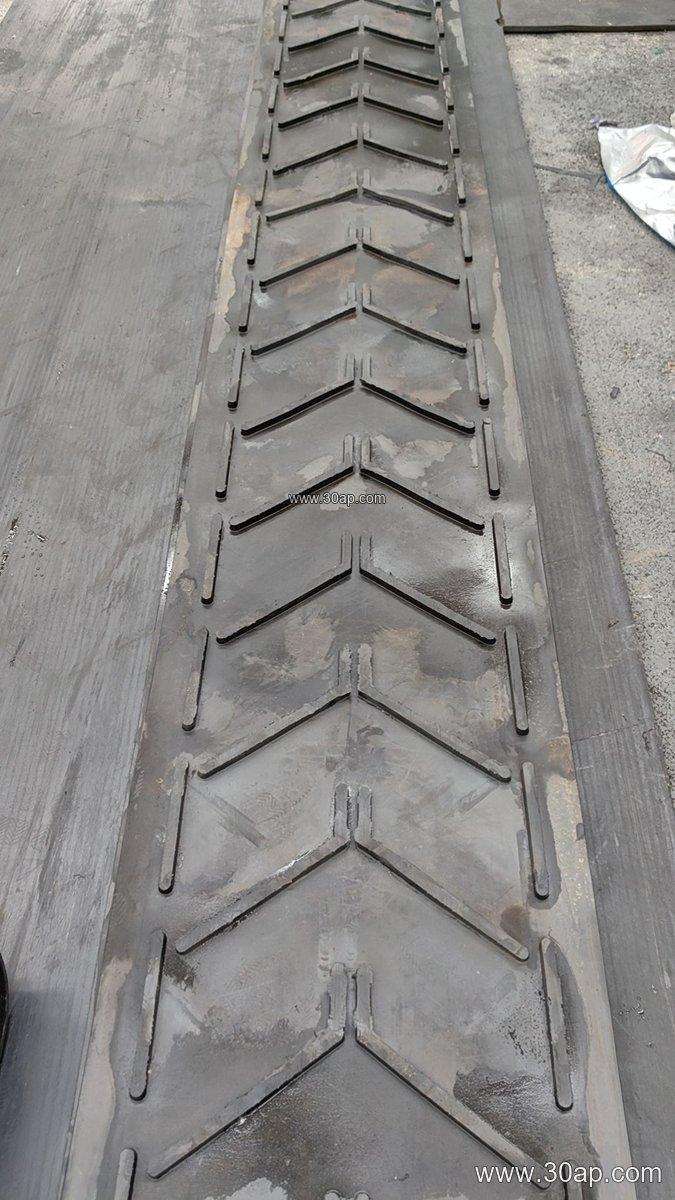
Grade variants widen the fit. Wear-resistant covers handle sharp aggregate; heat-resistant grades serve clinker and sinter; oil-resistant belts suit oily feedstock; flame-retardant and antistatic grades are specified for coal and other combustible dust areas; cold-resistant and acid-alkali grades cover outdoor and chemical duty. Patterned surfaces such as herringbone or chevron help on steep inclines, and corrugated sidewall belts contain material on very steep or vertical sections. These are surface or profile options on the same carcass concept, not different strength classes.
Common Reference Dimensions
The figures below are reference ranges, not fixed combinations. Final width, ply count and cover thickness are set by the conveyor design, load, lump size and pulley geometry.
| Parameter | Common reference values |
|---|---|
| Carcass grade | EP200, EP315, EP400, EP500, EP630, EP800 |
| Belt width | B500, B650, B800, B1000, B1200, B1400, B1600 |
| Cover thickness | 3+1.5, 4+2, 5+2, 6+2, 8+3 mm |
| Ply count | 2 to 6 plies, usually 2 to 4 at this grade |
A wider belt does not automatically dictate one pulley diameter, and belt width alone does not fix shaft size. Both are calculated from tension, wrap angle and shaft loading.
Buyer Checklist
- Confirm the required tensile grade and ply count against the calculated belt tension, not against a neighbouring line.
- State the material, lump size and temperature so the cover compound and thickness are correct.
- Give the pulley diameters and troughing idler arrangement so the belt flexes without ply fatigue.
- Specify flame-retardant or antistatic requirements where dust or coal is present.
- Ask for the actual cover thickness and edge type in writing, since suppliers vary.
During operation, check belt tracking at the tail pulley, inspect idler rollers for seizure, and watch splice condition. A correctly matched EP400 belt, paired with sound conveyor pulleys, rollers and brackets, gives predictable service life in demanding bulk handling work.