What a Q235 Conveyor Bracket Does
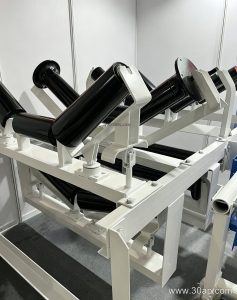
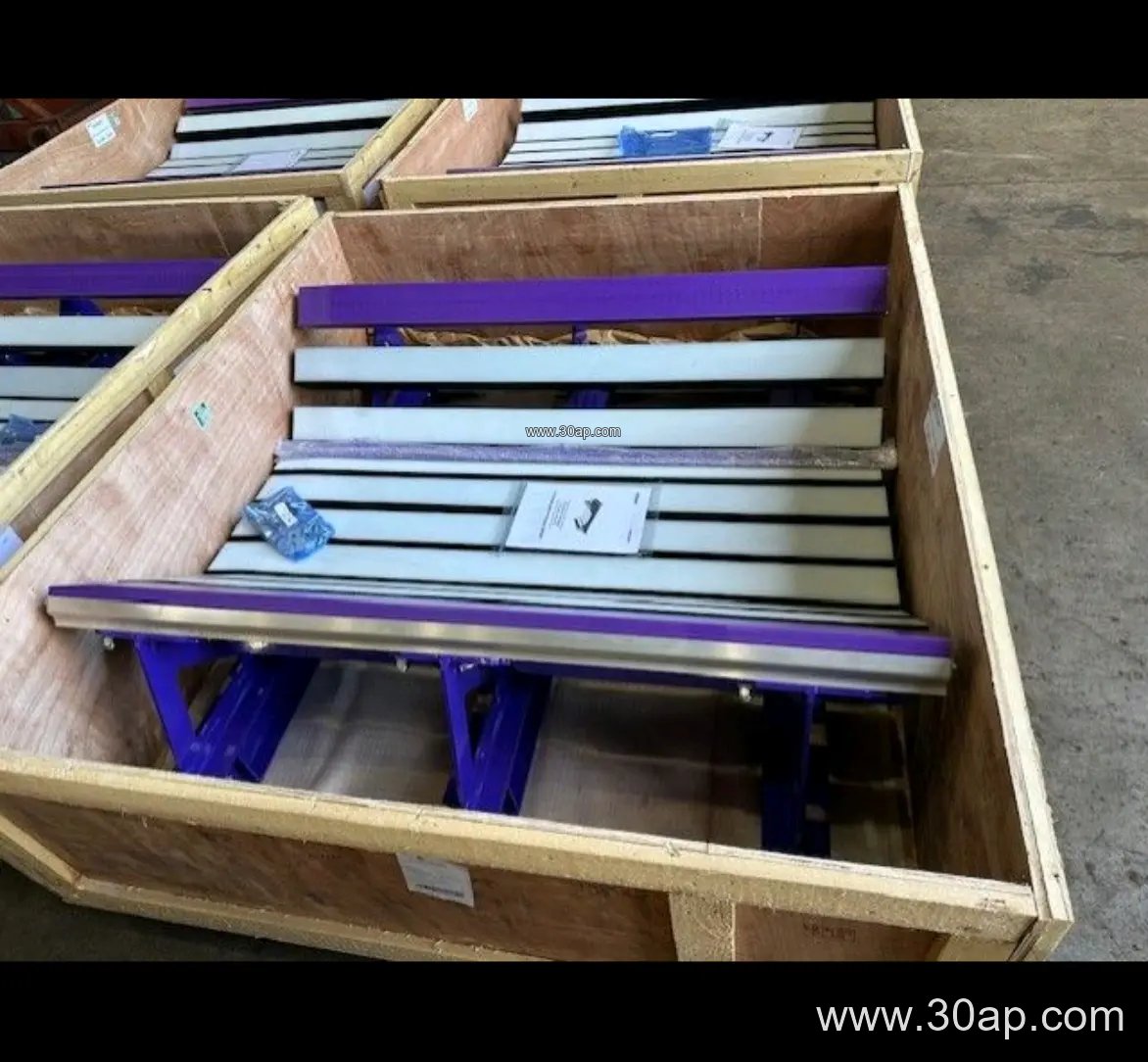
A Q235 Conveyor Bracket is the steel support frame that holds the idler rollers in position along a belt conveyor. In many plants the same item is simply called a Q235 conveyor support bracket or a Q235 idler bracket, but the job is always the same: keep each set of rollers at the right height, angle and spacing so the conveyor belt runs smoothly. Because Q235 is a common structural carbon steel, these brackets are widely used in quarries, coal preparation plants and cement lines where a balance between strength and cost matters.
The bracket does not carry the material itself. It carries the rollers, and the rollers carry the belt. That chain of support makes the bracket a small but important part of any conveyor frame.
How the Bracket Is Built
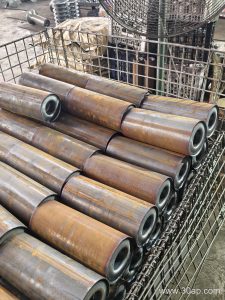
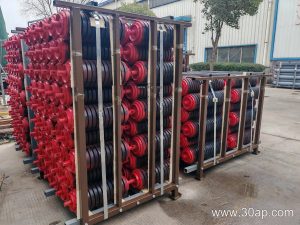
Most units are made from angle steel, channel steel or folded steel plate, cut to length and welded or bolted into a frame. A troughing bracket usually has two or three inclined arms that set the trough angle, while a return bracket is flatter and supports the belt on its way back. Holes in the base allow the bracket to be fixed to the conveyor stringer.
Typical reference data for planning looks like this:
| Item | Common Reference Values |
|---|---|
| Material | Q235 carbon steel |
| Belt width | B500, B650, B800, B1000, B1200, B1400 |
| Trough angle | 20, 30, 35, 45 degrees |
| Roller diameter | Ø89, Ø108, Ø133, Ø159 |
These are reference points, not fixed combinations. A B800 frame may be built with a 35 degree trough and Ø108 rollers, while a B1200 line might use 45 degrees and Ø133 rollers. Hole spacing and beam length change with belt width and trough angle, so they are set by design rather than by a single standard number.
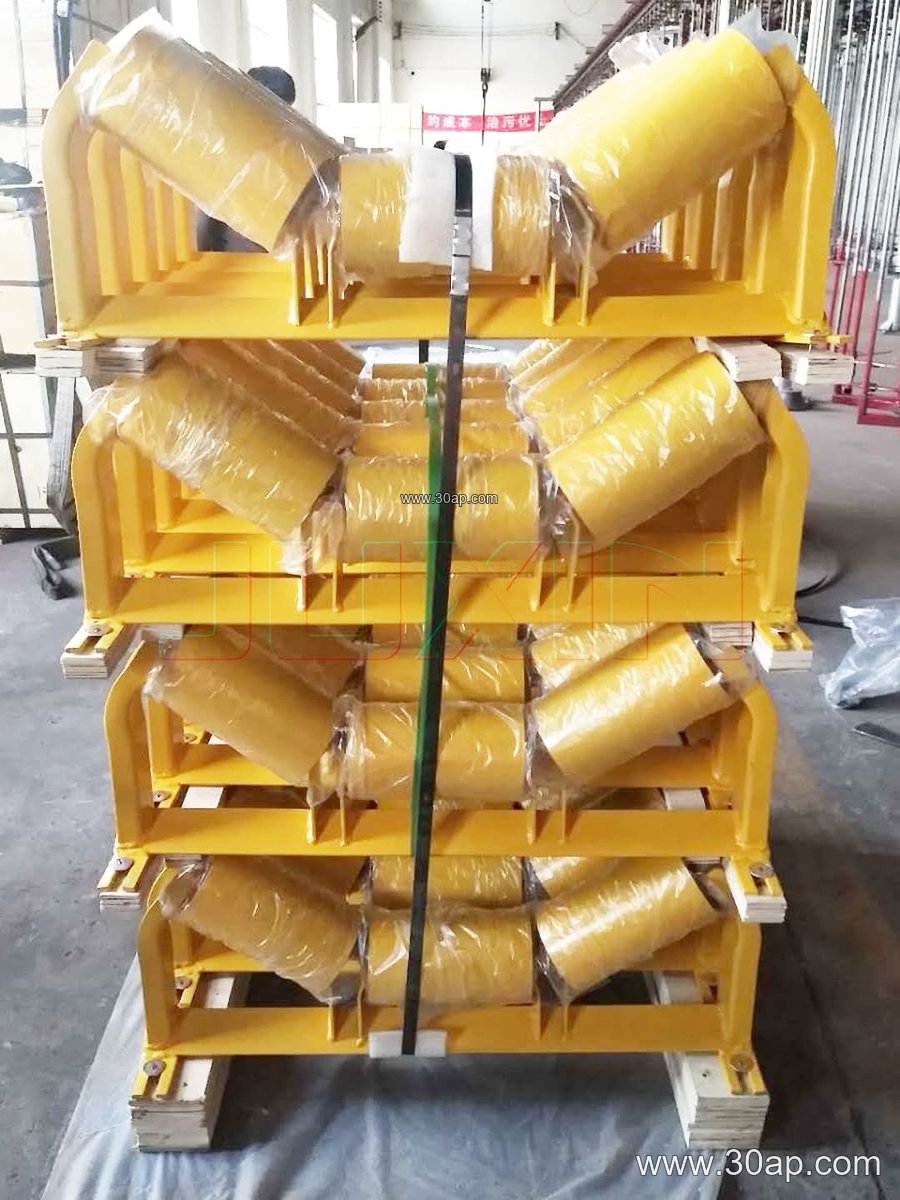
Common Types on a Conveyor Line
- Troughing brackets for the carrying side
- Transition brackets near the feed point
- Return and V-return brackets for the lower run
- Impact brackets under loading chutes
- Self-aligning brackets for belt tracking
- Adjustable brackets that allow the trough angle to be changed
Adjustable and fixed brackets are often compared. A fixed bracket is simple and rigid, while an adjustable one lets maintenance staff fine-tune the trough angle to suit the load. On a heavy-duty mining conveyor belt, fixed frames are common, but a self-aligning or adjustable bracket can still appear where tracking is difficult.
Where It Fits in the Plant
In a limestone quarry or a stone crushing line, troughing brackets sit under the loaded belt while return brackets support the empty run. In a cement plant, the same parts appear on clinker and raw meal conveyors, often paired with a heat resistant conveyor belt near the kiln area. In a coal preparation plant, flame retardant conveyor belt and anti-static conveyor belt may run over Q235 brackets in the same gallery.
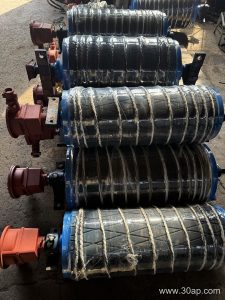
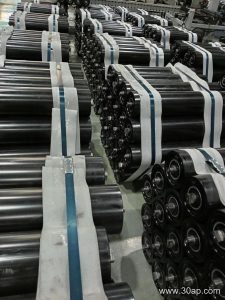
The bracket also works together with the idler roller, the conveyor pulley and the belt itself. If the bracket is misaligned, the rollers tilt and the belt starts to wander. That is why bracket installation and leveling are checked before tensioning.
Buying Notes
Before ordering, confirm the belt width, the roller diameter, the trough angle and the mounting hole pattern. Ask whether the bracket is welded or bolted, and check the steel thickness and surface treatment. For dusty or wet sites, a painted or galvanized finish helps. Buyers should also confirm that the bracket matches the actual roller shaft, because a bracket drilled for one shaft size will not fit another.
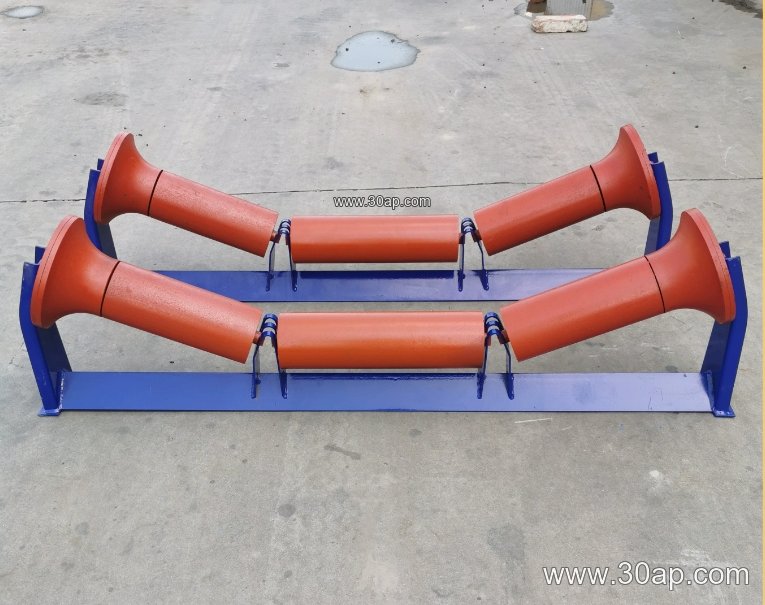
Keep a few spare brackets on hand for impact zones and transition areas, where wear and vibration are highest. A small spare stock avoids long stops when a frame is bent by a fallen lump or a jammed roller.
Maintenance and Checks
Walk the line regularly and look for loose bolts, bent arms and cracked welds. Clean material buildup from the bracket so the rollers can sit flat. If a bracket is damaged, replace it rather than bending it back into shape, since a distorted frame will affect belt tracking and roller life.
Used correctly, a Q235 Conveyor Bracket is a straightforward, cost-effective support part that keeps the rollers, the belt and the whole conveyor line working together.