Classifying Conveyor Belt Designs by Structural Mechanics
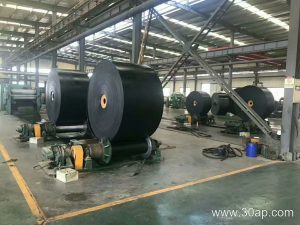
Selecting the appropriate conveyor belt for heavy industrial processing relies on mapping structural subtypes to specific operational demands. A cement plant provides a harsh testing ground where raw limestone, highly abrasive clinker, and elevated temperatures punish handling equipment. Understanding how carcass construction and rubber compound configurations define performance ensures that every conveyor belt matches the mechanical tension and environmental wear of its specific station.
Fabric Ply Constructions for Medium Duty Runs
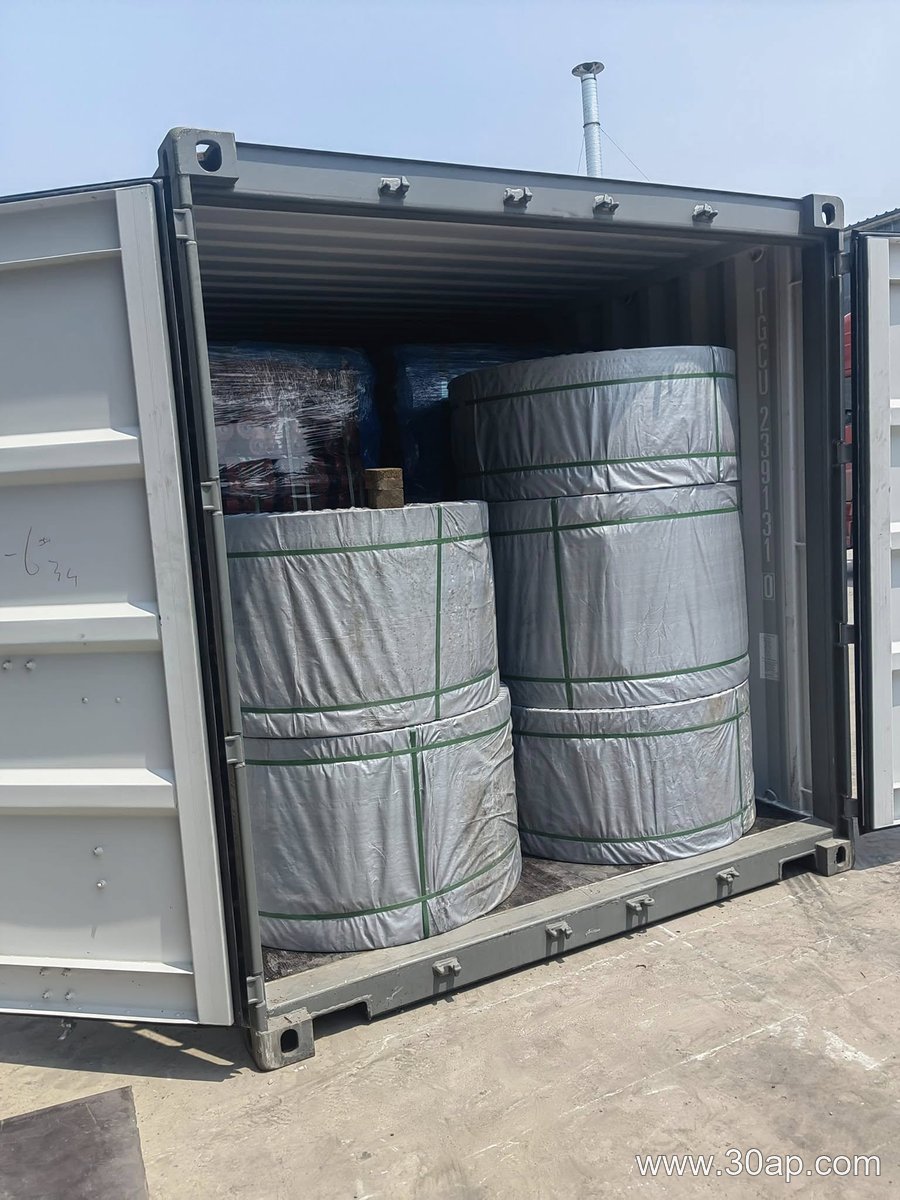
Fabric-reinforced options, such as multi-ply EP carcasses combining polyester warp and nylon weft threads, offer exceptional flexibility and high impact absorption. These structures suit short-to-medium distance transfer lines where pulley diameters are compact. In a cement plant, an EP-constructed conveyor belt manages raw material feed from primary crushers to blending stockpiles, where elasticity prevents structural damage from sudden heavy rock drops.
Steel Cord Designs for Long Distance High Tension Lines
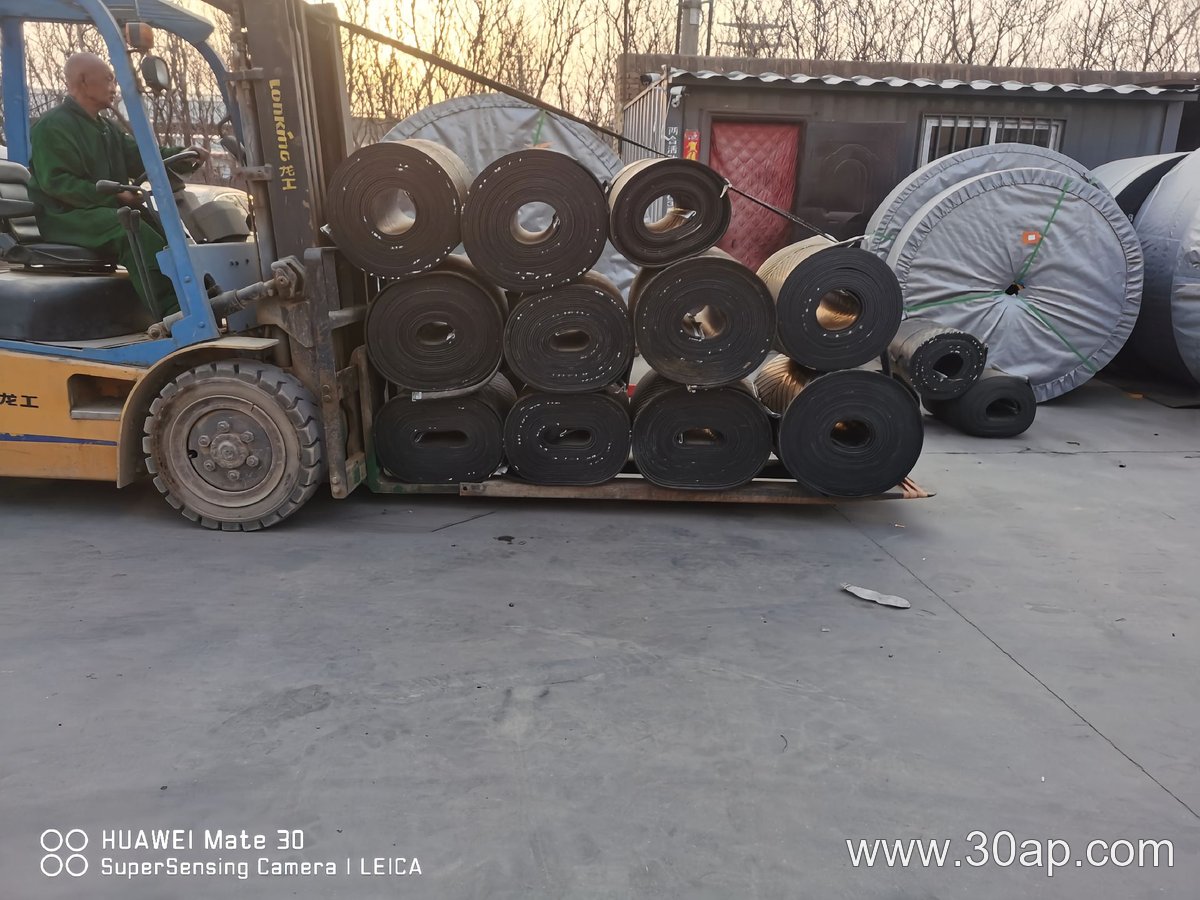
When haul distances stretch across expansive quarry-to-plant pathways, steel cord alternatives replace fabric plies. High-tensile steel cables embedded longitudinally in rubber deliver minimal elongation under load, allowing single-drive systems to span thousands of meters without excessive take-up travel. This design handles the massive continuous throughput required when transporting crushed limestone directly from remote quarry faces to raw grinding mills.
Performance Classifications Based on Thermal and Abrasion Duty
Beyond tensile mechanics, operating conditions dictate cover compound selection. A standard general-purpose conveyor belt quickly fails when exposed to the intense heat radiating from freshly burned clinker exiting the rotary kiln. Specialized compounds are therefore categorized by their thermal resilience and cut-and-gouge resistance.
- Heat resistant compounds withstand continuous temperatures exceeding 150 degrees Celsius without hardening or cracking.
- Oil resistant covers prevent rubber swelling when handling petroleum-coated additives or maintenance lubricants.
- Flame retardant grades prevent fire propagation in enclosed underground or tunnel gallery networks.
By categorizing each conveyor belt according to its carcass mechanics and cover performance, plant engineers avoid premature failures, reduce unplanned downtime, and maintain steady material flow across every processing phase.