What the Idler Bearing Housing Does
In a belt conveyor, the idler bearing housing is the small but decisive component that holds the bearing in place at the end of an idler roller. It sits inside the roller shell or at the end cap, keeps the bearing aligned, and protects it from dust, water, and spilled material. The housing carries the radial load from the belt and the material on it, then transmits it through the shaft to the conveyor bracket and frame. A well-made housing keeps the roller turning freely; a poor one lets grit in and shortens bearing life.
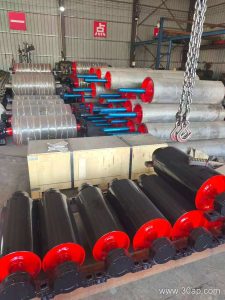
The same part is often called an idler bearing seat or bearing end cap assembly. All three names describe the same product. It is not a pulley component, and it should not be confused with drive pulley, tail pulley, or bend pulley parts, which serve different functions at different points of the conveyor.
How the Housing Is Built
Most housings are stamped or machined from steel, then pressed into the roller end. Inside, the bearing sits in a machined bore with a defined shoulder that controls axial position. A labyrinth seal, felt ring, or lip seal sits outboard of the bearing, and a cover or end cap closes the assembly. Common bearing sizes for idlers include 6204, 6205, 6305, 6306, 6308, and 6310, but the housing bore must match the chosen bearing and the shaft, not the other way round.
Key features buyers should check:
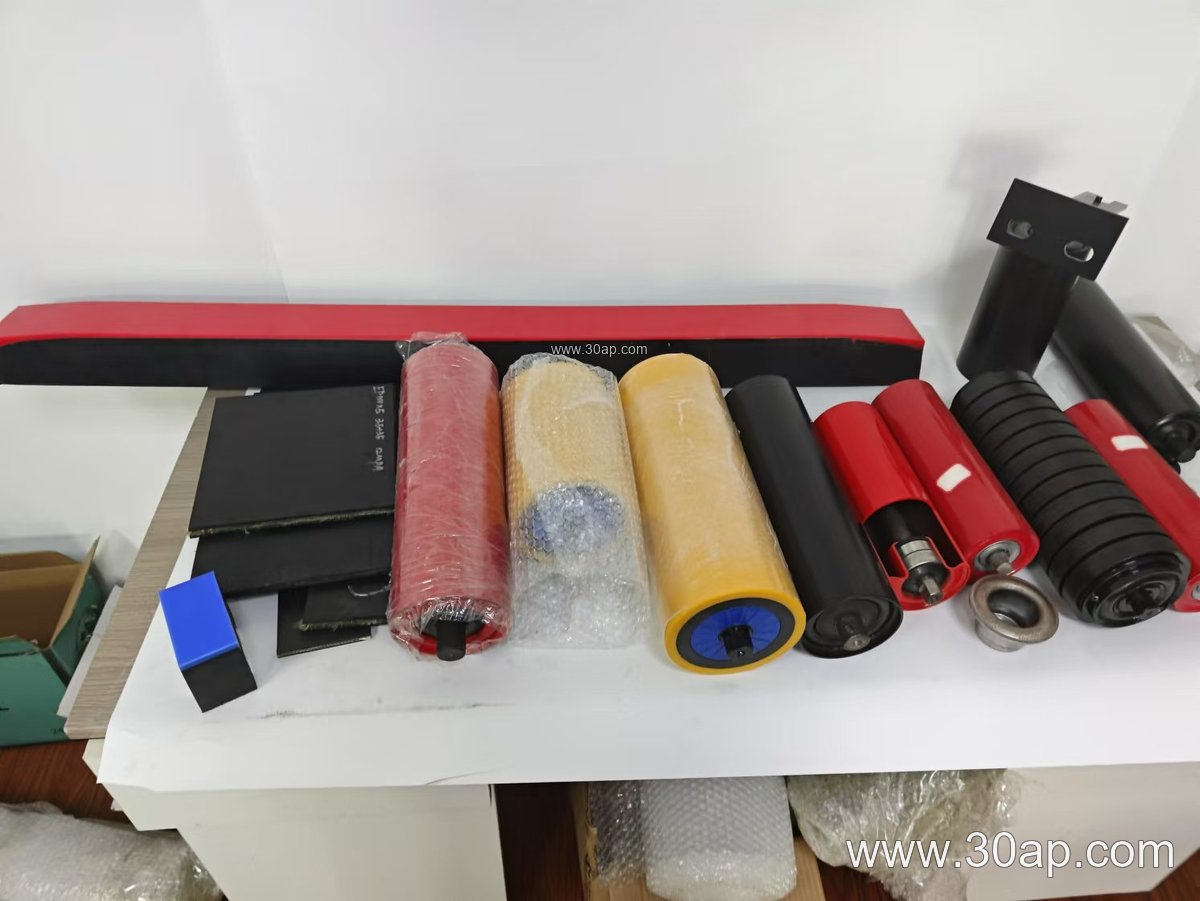
- Bore tolerance and concentricity, which affect vibration and noise
- Seal design and the number of sealing stages
- Wall thickness and coating or plating for corrosive service
- Fit with the shaft and the roller end cap
Where It Is Used
These housings appear wherever idler rollers run: a quarry conveyor carrying crushed stone, a cement plant moving clinker, a coal handling line at a power plant, and a port terminal loading bulk material. In a coal mine or underground coal mining conveyor, dust and moisture make seal quality the deciding factor. In a steel plant or sinter line, heat and grit put pressure on both the seal and the housing material.
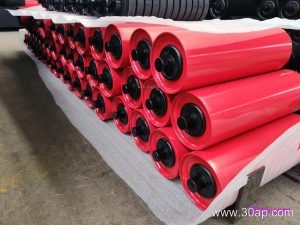
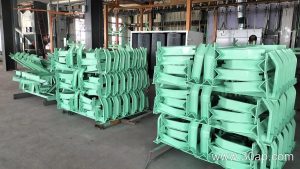
On the carrying side, a three-roll troughing set with 30 or 35 degree trough angle may use rollers from Ø89 to Ø159 mm, and each roller end needs a matched housing. Return rollers and V-return sets use the same kind of housing on a different roller body. The housing itself does not change the trough angle or the belt width; it only supports the bearing that lets the roller spin.
Matching Housing to Roller and Belt
Selection starts with the roller diameter and bearing number, then moves to shaft size and seal class. Belt width guides the roller length and the number of rolls in a set, but it does not fix a single shaft diameter. Common examples for three-roll troughing sets are roughly 200 mm roll length at B500, 250 mm at B650, 315 mm at B800, 380 mm at B1000, and 465 mm at B1200. These are reference figures for orientation only, and side rolls can differ from the center roll.
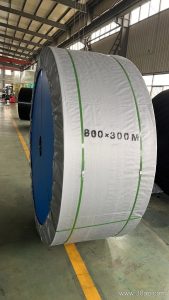
When the conveyor carries an abrasive bulk material, a wear-resistant housing finish pays for itself. When it carries a heavy-duty mining conveyor belt loaded with iron ore or copper ore, the bearing load is higher and the housing should be sized for that duty. A belt with high tension, such as a steel cord conveyor belt, does not change the housing design, but it does underline why every roller must run smoothly.
Maintenance and Replacement Notes
Listen for squealing rollers and check for play at the roller end. A housing that has lost its seal will usually show rust or fine dust around the end cap. Replace the whole roller or the end assembly rather than forcing a new bearing into a worn bore. Keep spares matched to the roller diameter and bearing number already in use, and record the housing type alongside the roller specification so reordering stays simple.
Quick Reference
| Item | Common Range or Example |
|---|---|
| Bearing numbers | 6204, 6205, 6305, 6306, 6308, 6310 |
| Roller diameters | Ø63 to Ø219 mm |
| Belt widths | B400 to B2400 |
| Trough angles | 20, 30, 35, 45 degrees |
| Seal styles | Labyrinth, felt, lip seal |
For related conveyor components such as the conveyor belt, idler roller, conveyor pulley, and conveyor bracket, confirm the housing bore and bearing number before ordering. A small part like this one is easy to overlook, but it is where roller reliability begins.