What Idler Procurement Covers
Idler procurement is the process of specifying and purchasing the idler rollers that support a conveyor belt along its carrying and return runs. In a coal preparation plant or a limestone quarry, a single conveyor may use dozens of these rollers, and each position in the line has its own duty. The buyer’s job is to match the roller to the belt, the load, and the environment rather than to order a single generic item across the whole conveyor.
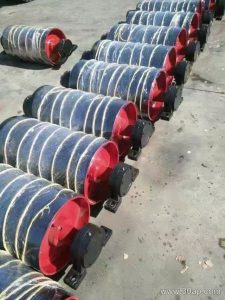
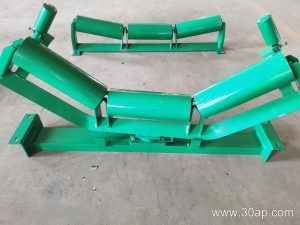
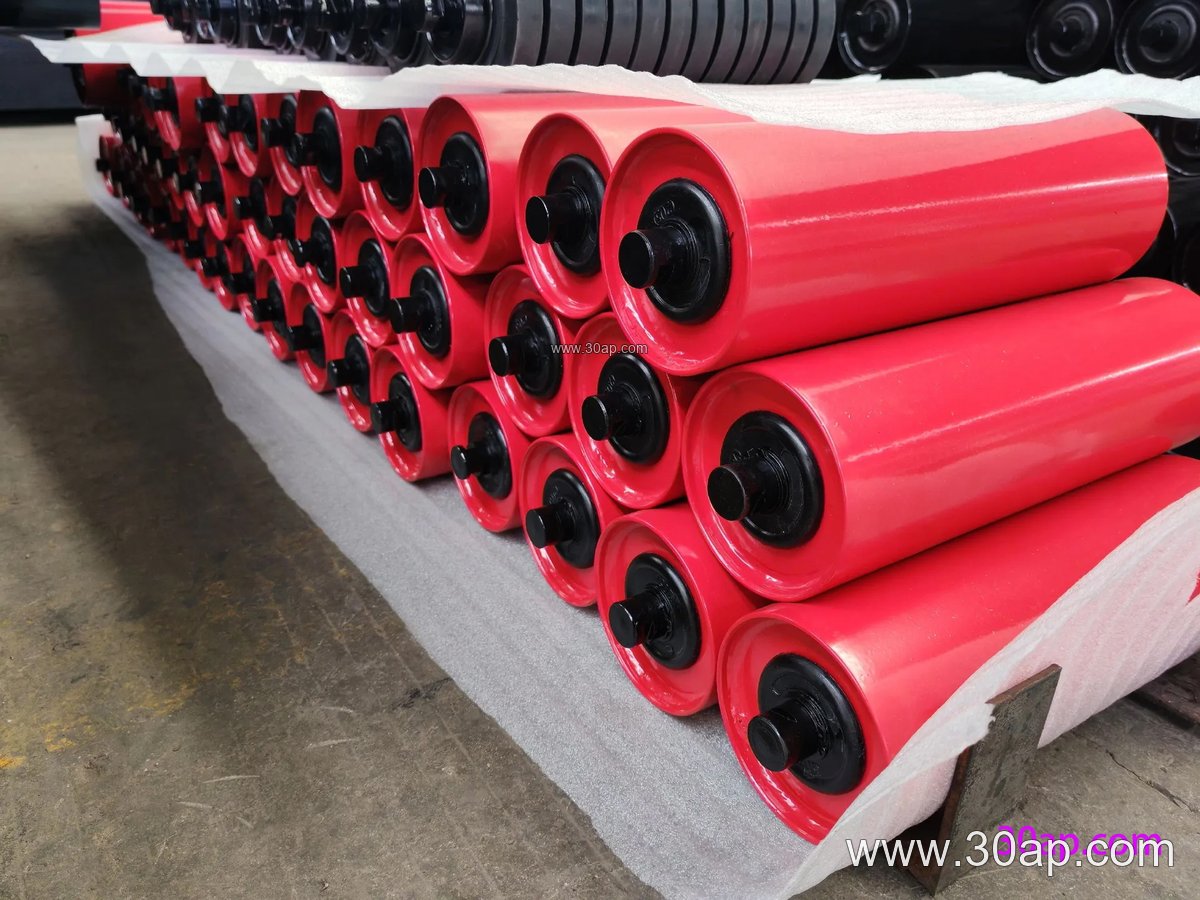
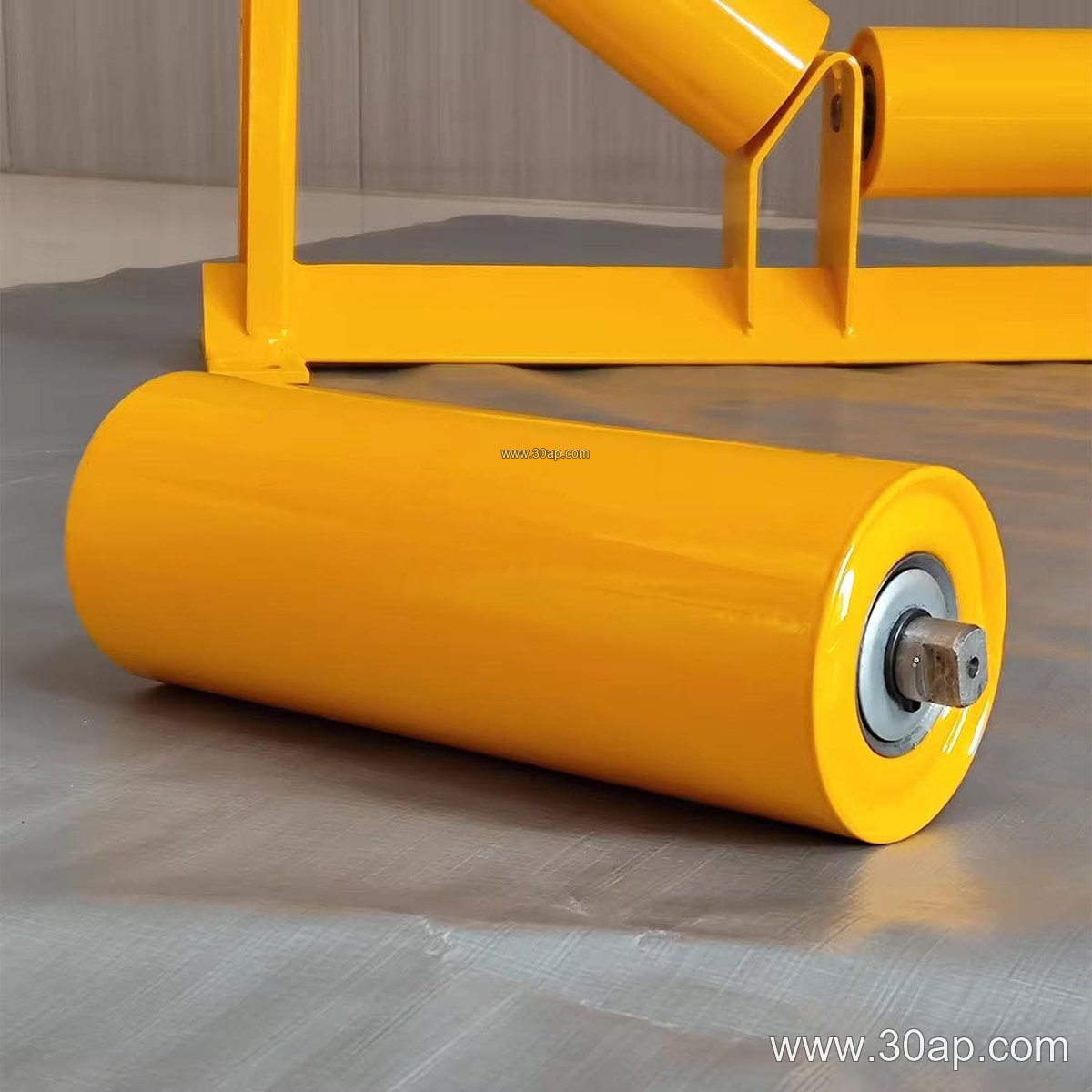
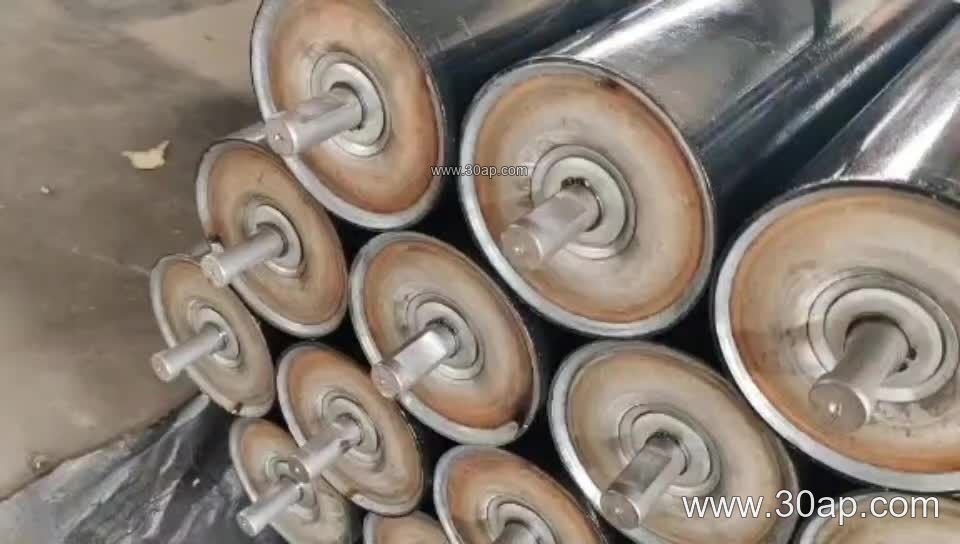
An idler roller is a steel tube fitted with bearings at each end and sealed against dust and moisture. The assembly usually turns on a fixed shaft and is mounted in a frame or bracket. Because the roller is a wear part, procurement decisions directly affect belt life, energy use, and maintenance hours.
Matching the Roller to the Belt Section
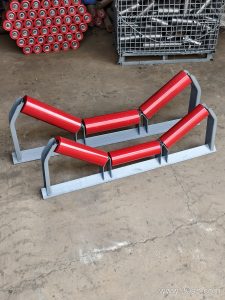
The carrying run normally uses three-roll troughing sets, where side rolls are inclined at a trough angle. The return run uses flat or V-shaped return rollers. Transition zones near the tail and head may need closer spacing or a different roll geometry to avoid belt edge stress. A buyer should obtain the conveyor layout and note which positions are carrying, return, transition, or impact areas before requesting quotations.
Where Other Components Fit
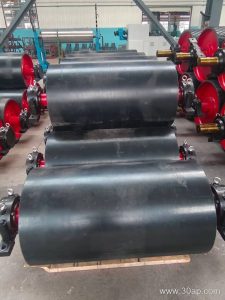
Idlers work alongside the conveyor pulley, the conveyor bracket, and the belt itself. Drive pulleys and tail pulleys transmit motion, while idlers only support the belt. This distinction matters in procurement because a roller specification should never be swapped for a pulley specification, and a bend pulley is not a substitute for a return roller.
Common Types and Where They Are Used
- Troughing idlers: carrying run in mines, cement plants, and aggregate lines.
- Impact or rubber-ring buffer idlers: below loading points where material drops onto the belt.
- Return rollers, including V-type: supporting the empty belt on the return side.
- Self-aligning idlers: correcting belt wander on long or curved conveyors.
- Spiral and comb-type rollers: sticky or wet material in fertilizer and coal handling.
In a power plant coal yard, buffer rollers under the chute protect the belt from lump impact, while standard troughing sets handle the steady run. In a sand and gravel line, self-aligning rollers reduce edge damage on long inclined sections.
Reference Dimensions Buyers Should Confirm
The values below are common reference points, not fixed rules. Final dimensions are determined by the conveyor design, belt width, trough angle, and roll position.
| Parameter | Common reference values |
|---|---|
| Roller diameter | Ø63, Ø76, Ø89, Ø102, Ø108, Ø127, Ø133, Ø159, Ø178, Ø194, Ø219 mm |
| Belt width | B400, B500, B650, B800, B1000, B1200, B1400, B1600, B1800, B2000, B2200, B2400 |
| Trough angle | 20, 30, 35, 45 degrees |
| Bearing size | 6204, 6205, 6305, 6306, 6308, 6310 |
| Roll surface | Steel tube, nylon, ceramic, rubber ring |
Roll length changes with belt width and trough angle. For three-roll troughing sets, common roll lengths are roughly 200 mm at B500, 250 mm at B650, 315 mm at B800, 380 mm at B1000, 465 mm at B1200, 530 mm at B1400, 600 mm at B1600, 670 mm at B1800, and 750 mm at B2000. Side rolls and center rolls may differ, so these figures should be treated as examples only.
Specification Points That Affect Service Life
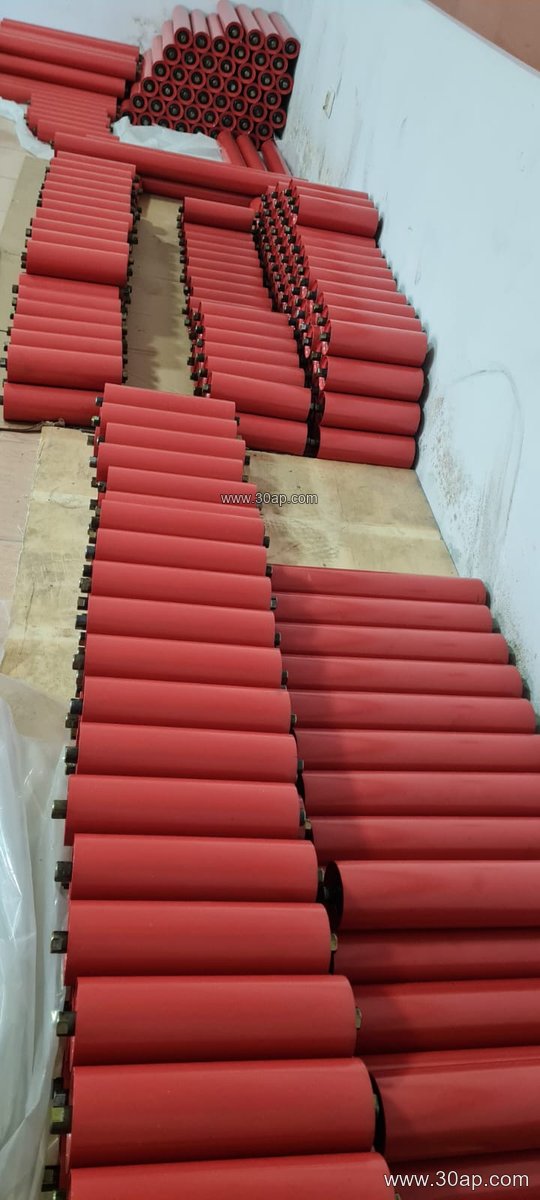
Sealing and bearing selection are often the deciding factors in dusty environments such as an iron ore stockyard or a cement clinker line. A well-sealed bearing keeps grit out and reduces regreasing frequency. The roller shell material also matters: nylon rollers reduce belt wear in some light-duty positions, while ceramic or rubber-covered rollers resist abrasion or impact. Buyers should ask for the bearing size, seal type, shell thickness, and shaft end configuration for each position.
Procurement Checklist
- Confirm belt width and conveyor layout before selecting roller diameter.
- Identify impact, transition, and return positions separately.
- State the trough angle and roll length for each set.
- Match bearing and seal class to the dust and moisture level.
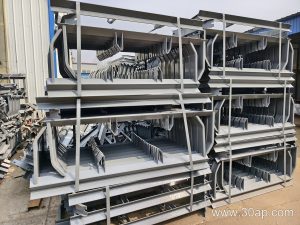
- Verify mounting dimensions against the existing conveyor bracket.
- Request spare quantities for high-wear positions such as loading zones.
Good idler procurement is mostly about position-by-position accuracy. When the roller, frame, and belt are correctly matched, the conveyor runs quieter and the maintenance team spends less time replacing parts.