Why the Conveyor Bracket Determines System Longevity
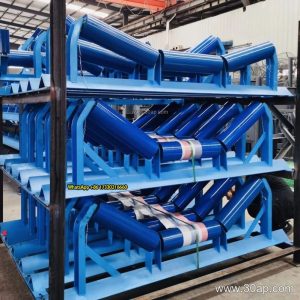
The conveyor bracket is the unsung structural interface that locks rollers, idlers, and frames into precise alignment. Even the most advanced belt fails prematurely when brackets flex, corrode, or misalign under load.
Key Selection Criteria for Conveyor Brackets
- Material grade: Choose hot-dipped galvanized steel for wet or abrasive environments; stainless steel for food or chemical plants.
- Load rating: Match bracket dynamic capacity to peak belt tension plus 20% safety margin.
- Slot geometry: Slotted bolt holes allow field adjustment—critical for belt tracking and vibration reduction.
Purchasing and Inspection Advice
Verify weld seams and edge burrs before ordering. Request sample brackets for torque testing on your existing frame. Inspect for wall thickness consistency—thin sections crack under cyclic loading. For curved or high-speed conveyors, specify forged brackets over stamped versions to prevent fatigue fractures.
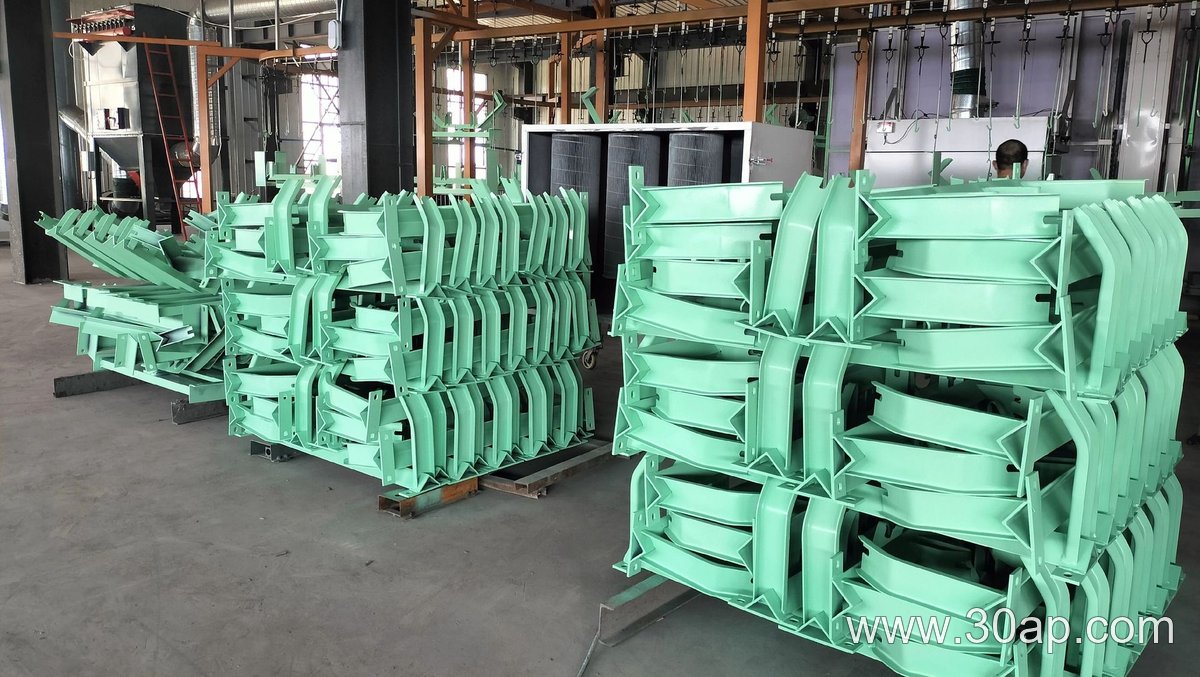
Always document the bracket’s center-to-center spacing and bolt pattern against your idler manufacturer’s drawing. A correct conveyor bracket purchase reduces downtime, protects belt splices, and lowers energy consumption by up to 8%.
Conveyor Belt Fundamentals for Modern Operations
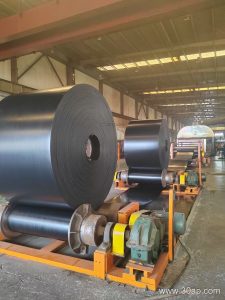
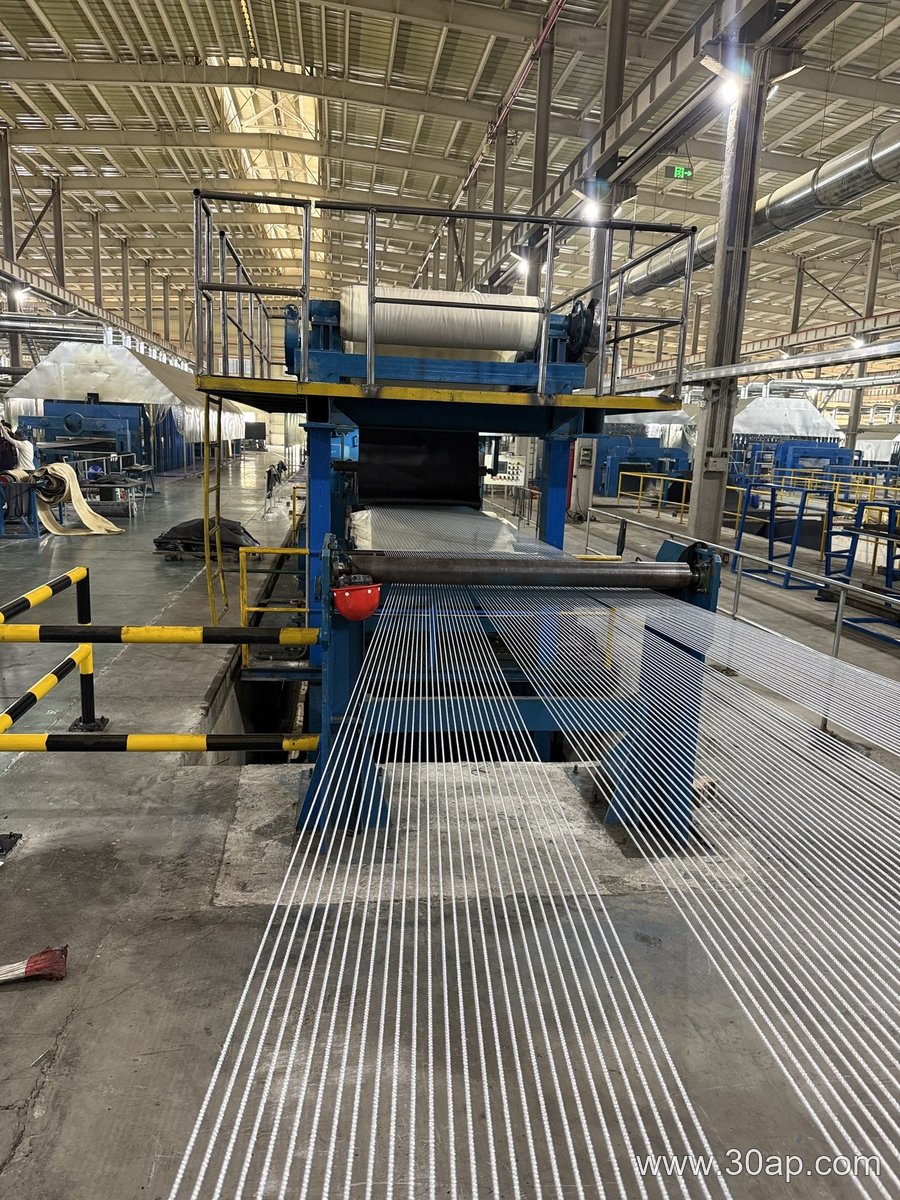
The conveyor belt is the silent workhorse of any bulk material handling system. Choosing the correct belt directly impacts uptime, energy consumption, and product integrity. A mismatched belt leads to premature wear, spillage, and costly stoppages.
Key Selection Criteria
- Material compatibility: Match belt polymer (rubber, PVC, PU) to the product’s temperature, oil, and chemical exposure.
- Tensile strength: Calculate the maximum load and belt speed to determine required carcass (fabric, steel cord, or solid woven).
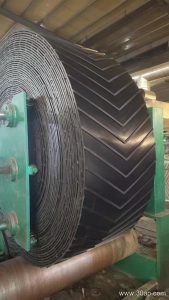
- Surface profile: Use cleated or chevron belts for inclined transport; smooth belts for horizontal, delicate items.
Purchasing and Maintenance Advice
Request a detailed technical data sheet, including elongation at break and splice strength. Always order spare belt length for future splicing. Verify that your suppliers offer field vulcanizing services, as a poor splice is the top cause of belt failure. For abrasive aggregates, prefer a rubber cover with a shore hardness of 60–65; for food handling, ensure FDA-grade compliance and easy washdown characteristics. Finally, align your belt tension and tracking system during installation, as 80% of belt misalignment issues originate from poor frame and idler setup.
Why the Idler Roller Defines Your Conveyor’s Lifespan
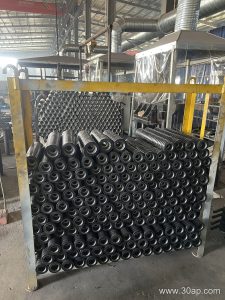
The idler roller is the unsung workhorse of any bulk material handling system. It supports the belt, absorbs impact, and guides tracking. Choosing the wrong one causes belt misalignment, premature wear, and costly downtime. This guide focuses on what matters when specifying idler rollers for new or retrofit projects.
Key Specifications to Evaluate
- Diameter and wall thickness – Match the roller to belt speed and load density to prevent flexing and fatigue.
- Bearing type and seal – For dusty or wet environments, prefer labyrinth-sealed C3 clearance bearings to extend service intervals.
- Frame material – Steel is standard; stainless or HDPE-coated rollers suit corrosive or food-grade applications.
Selection and Purchasing Advice
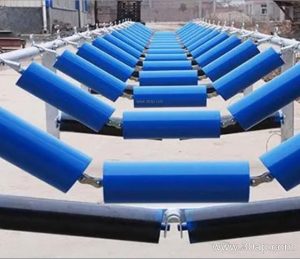
Always request load ratings at your actual belt speed, not just static capacity. Check the idler roller’s trough angle (20°, 35°, or 45°) against your conveyor design. For high-impact loading zones, specify impact idler rollers with rubber discs. Compare total cost of ownership: a cheaper roller with lower-grade bearings often fails twice as fast. Finally, verify that the roller’s shaft end dimensions match your existing frame – retrofit mismatches are a common source of vibration and belt damage.
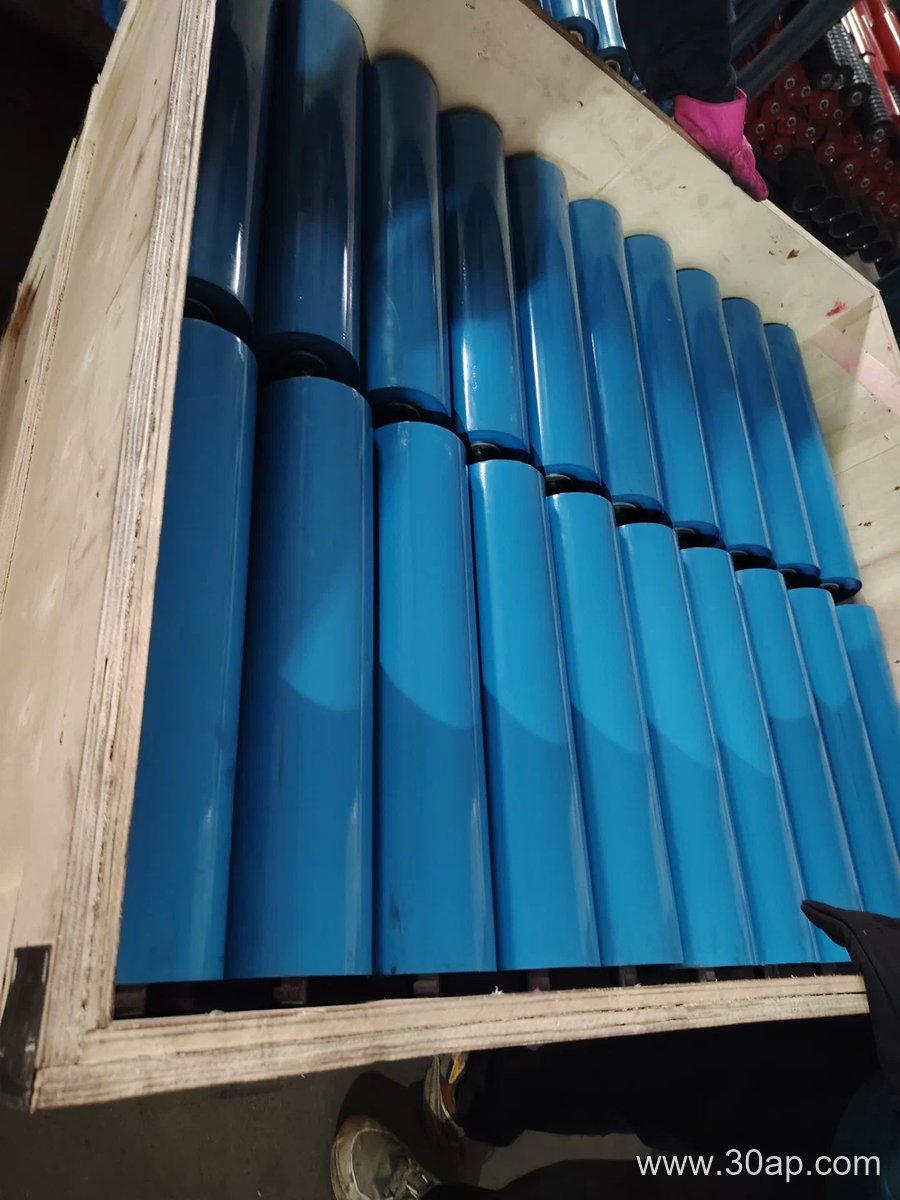
Prioritize suppliers that provide certified run-out tolerances (below 0.5 mm) and offer sample testing. A well-chosen idler roller reduces energy consumption by up to 10% and keeps your line running predictably.
Understanding the Conveyor Pulley’s Core Role
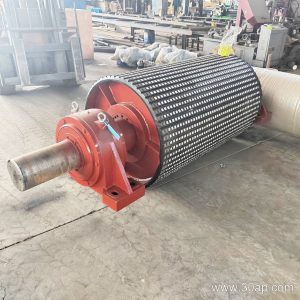
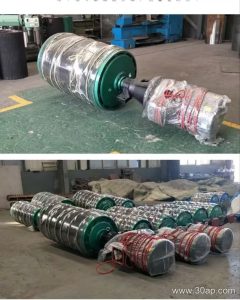
The conveyor pulley is the mechanical heart of any belt system, dictating tension, tracking, and torque transfer. A poorly chosen unit causes slippage, misalignment, and premature belt wear.
Key Design Factors for Industrial Use
- Shell thickness and lagging: Choose rubber lagging for high-friction drive pulleys, ceramic for wet or high-slip environments.
- Bearing and shaft rating: Calculate equivalent dynamic load, not just static weight, to prevent fatigue failure.
- Diameter vs. belt wrap: Larger diameters reduce belt flex fatigue, but require more space and cost.
Purchase and Inspection Advice
Specify crown face on head pulleys for self-centering. Always verify runout (TIR below 0.5 mm) and balance grade G2.5 for speeds over 3 m/s.
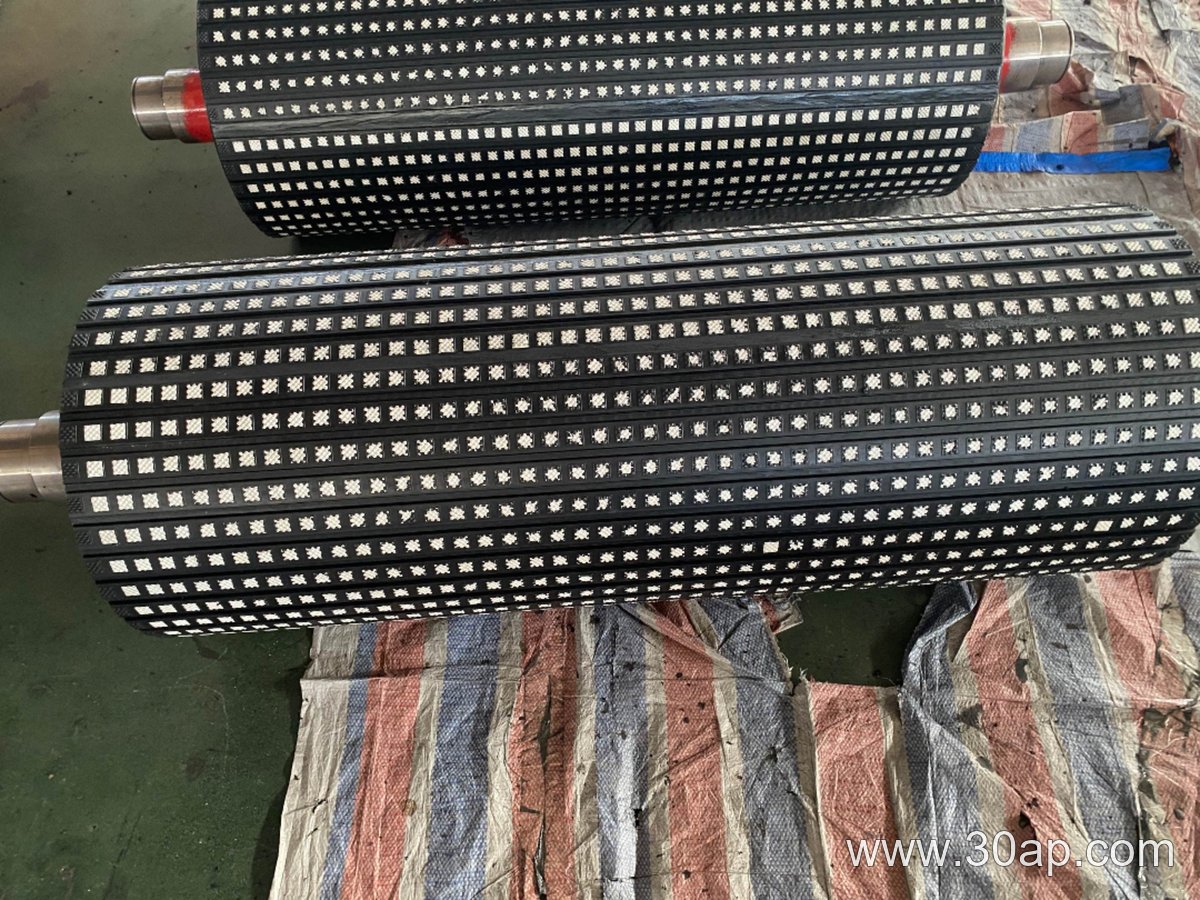
When ordering, provide belt width, belt speed, wrap angle, and take-up travel. Request a finite element analysis report for shafts over 150 mm. Inspect welds for full penetration and confirm lagging hardness Shore A 60–70. Avoid unverified imports lacking ISO 5049 or DIN 22101 documentation.