What a High-Friction Lagged Pulley Does
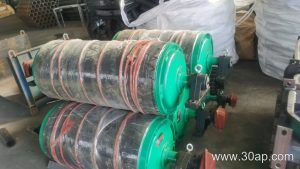
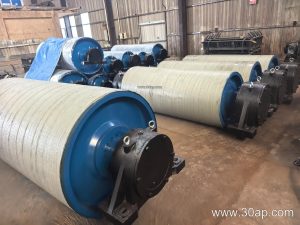
A high-friction lagged pulley is a conveyor pulley whose shell is covered with a rubber or ceramic lagging layer designed to raise the coefficient of friction between the drum surface and the conveyor belt. In practice, this is the same product many plants call a rubber-lagged pulley or friction-lagged drum. The lagging is what separates it from a plain steel shell: instead of relying on bare metal contact, the pulley grips the belt through a textured or smooth rubber surface that resists slip under load.
The added grip matters most where the belt must transmit high torque without slipping, such as the drive position of a long overland conveyor at a quarry or the head end of a coal handling line feeding a power plant. Slip at the pulley face wastes energy, heats the belt cover, and shortens belt life, so the lagging is a functional component rather than a cosmetic add-on.
How the Lagging Is Built
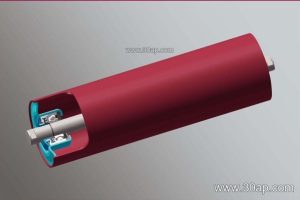
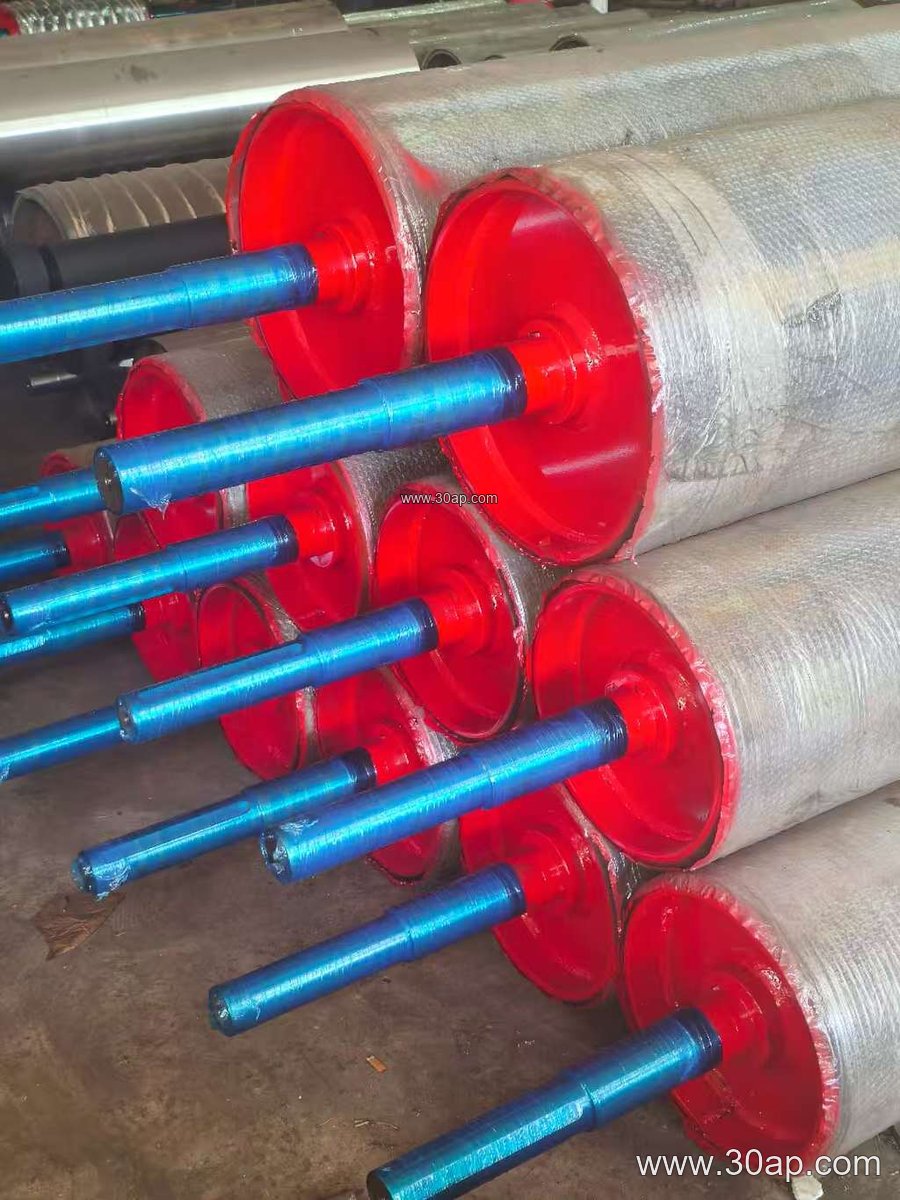
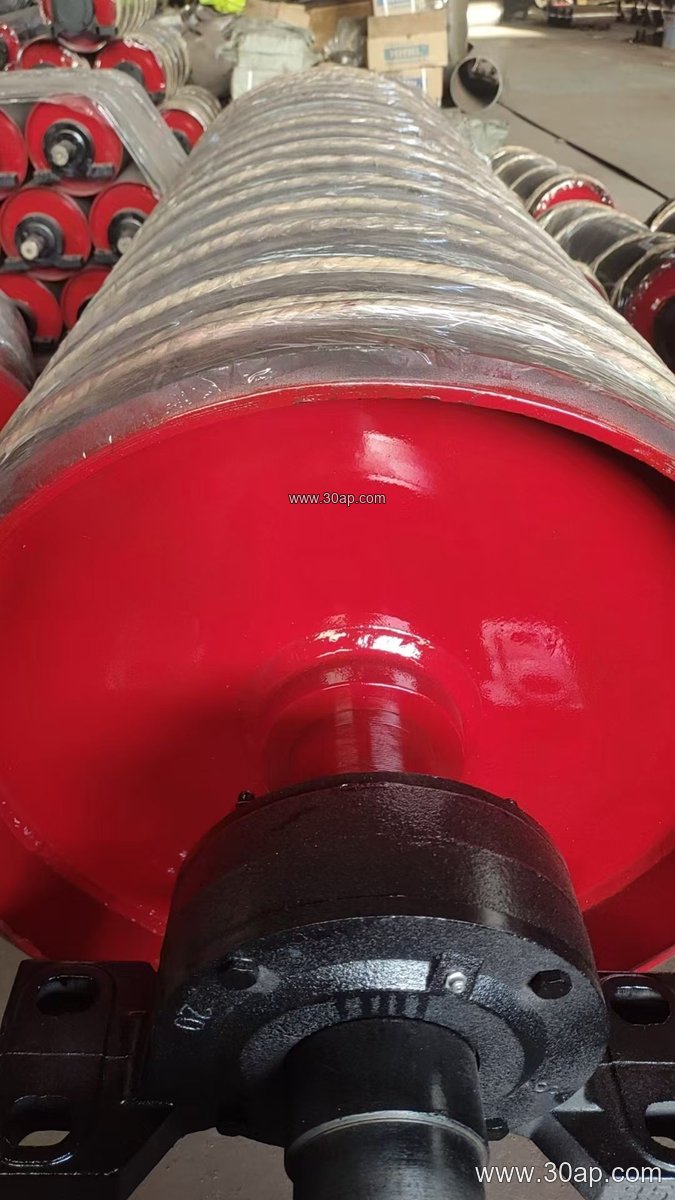
The pulley body is usually a welded steel shell with end discs and a shaft, machined for balance and concentricity. Lagging is then applied in one of several ways:
- Hot-vulcanized rubber – bonded under heat and pressure for a dense, durable layer.
- Cold-bonded rubber – adhered at ambient temperature, often used for field replacement.
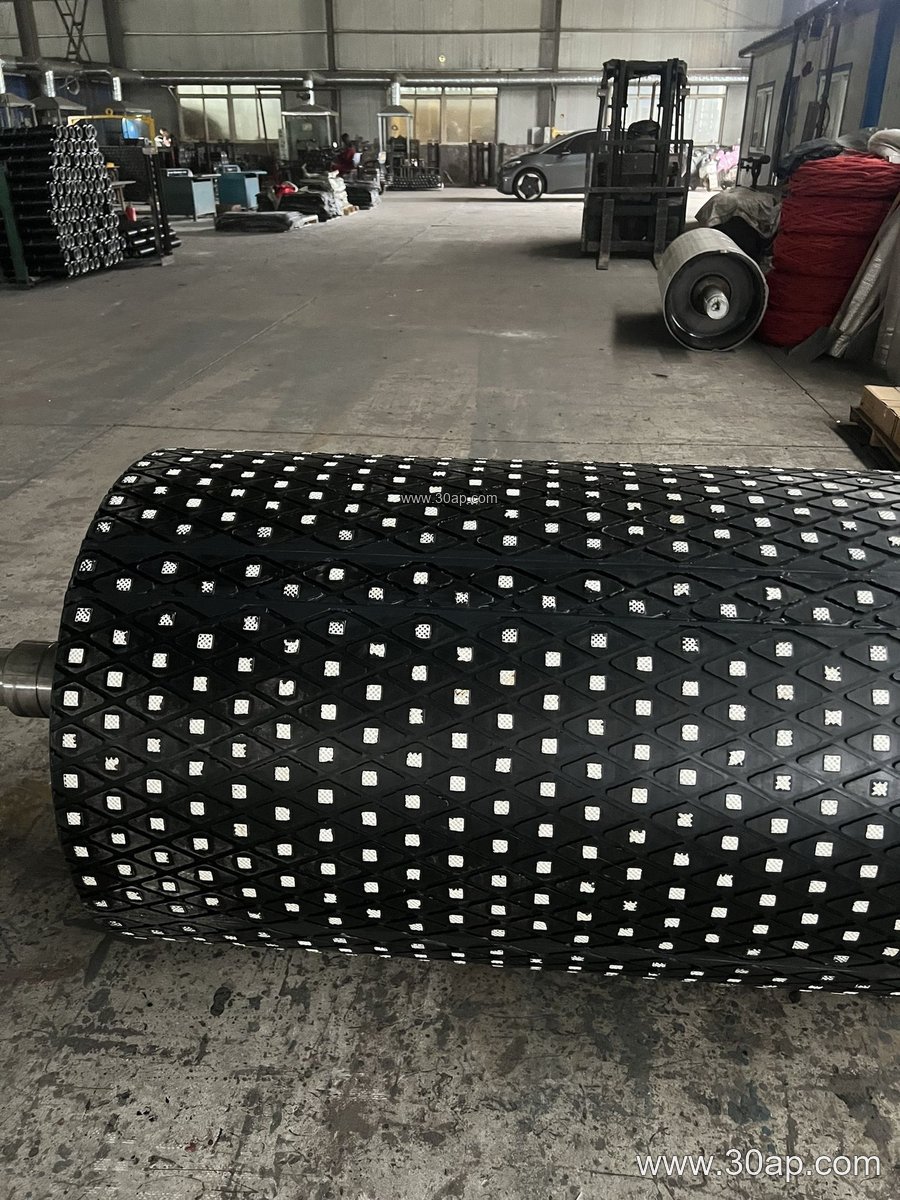
- Diamond or herringbone profile – grooved patterns that channel water and fines away from the contact zone.
- Ceramic tiles – embedded in rubber for extreme abrasion resistance in iron ore or aggregate duty.
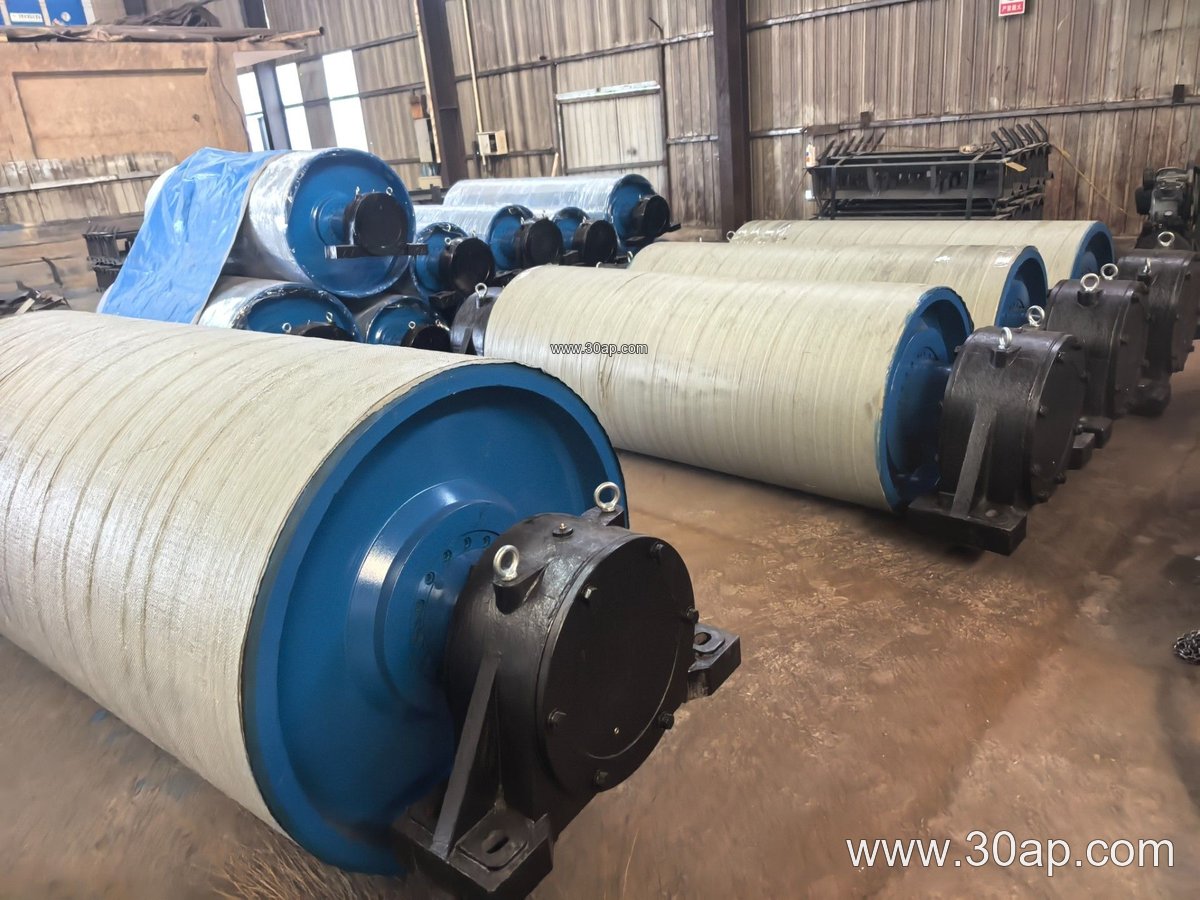
Common lagging thicknesses are 8, 10, 12, 15 and 20 mm, chosen according to torque demand, belt tension and the abrasiveness of the material. The shell face width normally exceeds the belt width so the belt is fully supported; a B800 belt, for example, typically runs on a pulley face of about 950 mm, while a B1200 belt may use a face around 1400 mm. These are reference figures, not fixed rules.
Where It Fits on the Conveyor
A high-friction lagged pulley is most often the drive or head pulley, but the same friction-lagged construction can appear at a tension pulley or a bend pulley where grip is critical. It should not be confused with a tail pulley, which mainly guides and supports the return belt, or with a bend pulley, which changes belt direction without driving. A plain tail pulley may need no lagging at all, whereas the drive drum usually benefits from it.
Typical duty locations include:
- Primary crushing and screening plants in a limestone quarry
- Coal yard and boiler feed conveyors at a thermal power plant
- Clinker and raw meal transport in a cement works
- Ore transfer conveyors in copper and iron ore operations
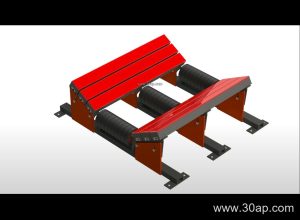
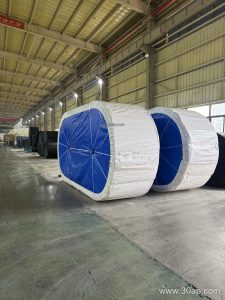
In these settings the pulley works together with the conveyor belt, troughing idlers and conveyor brackets to keep the line running smoothly.
Matching the Pulley to the Belt
Selection starts with belt width and the required torque, not with a single catalog number. A B650 belt on a short feeder may suit a Ø400 drum, while a B1400 belt on a heavy-duty mining conveyor might use Ø800 or Ø1000. Combinations such as B800 × Ø500, B1200 × Ø1000 and B1400 × Ø800 are common in design discussions, but the diameter should be confirmed against belt tension, wrap angle and shaft load.
Shaft diameter is determined by torque and bending load, commonly falling in the Ø50 to Ø200 range, and should never be guessed from belt width alone. When specifying the drum, confirm the lagging type and thickness, the pulley face width, the shaft size and the bearing arrangement with the supplier.
Buyer Checklist
- Confirm whether the position is drive, head, tension or bend, since each has different grip and load requirements.
- Match lagging profile to conditions: diamond for wet or dusty service, ceramic for high abrasion, smooth rubber for general duty.
- Check that the pulley face width covers the belt, and that the lagging thickness suits the torque.
- Review compatibility with the belt type in use, whether an EP conveyor belt, a steel cord belt or a flame retardant grade for underground work.
- Ask for the shaft and bearing data together with the drum drawing before ordering.
A well-matched high-friction lagged pulley reduces slip, protects the belt cover and keeps the conveyor available through long shifts in demanding bulk handling environments.