What a Carbon Steel Conveyor Bracket Does
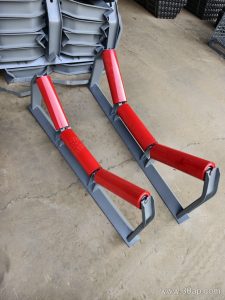
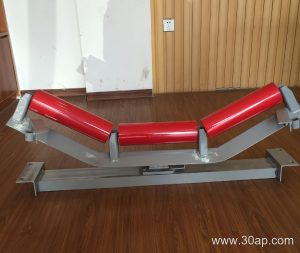
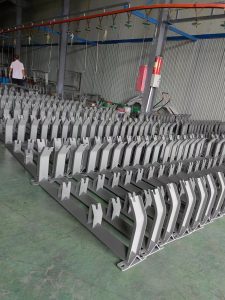
A carbon steel conveyor bracket is the structural support that holds idler rollers in place along a belt conveyor. Often called a carbon steel conveyor idler bracket or simply a steel bracket, it keeps the conveyor belt at the correct profile and carries the load from the belt and material into the conveyor frame. In a quarry, coal preparation plant, cement kiln line, or power station coal yard, these brackets are the quiet workhorses that determine how well the belt tracks and how long the idler roller bearings last.
How the Bracket Is Built
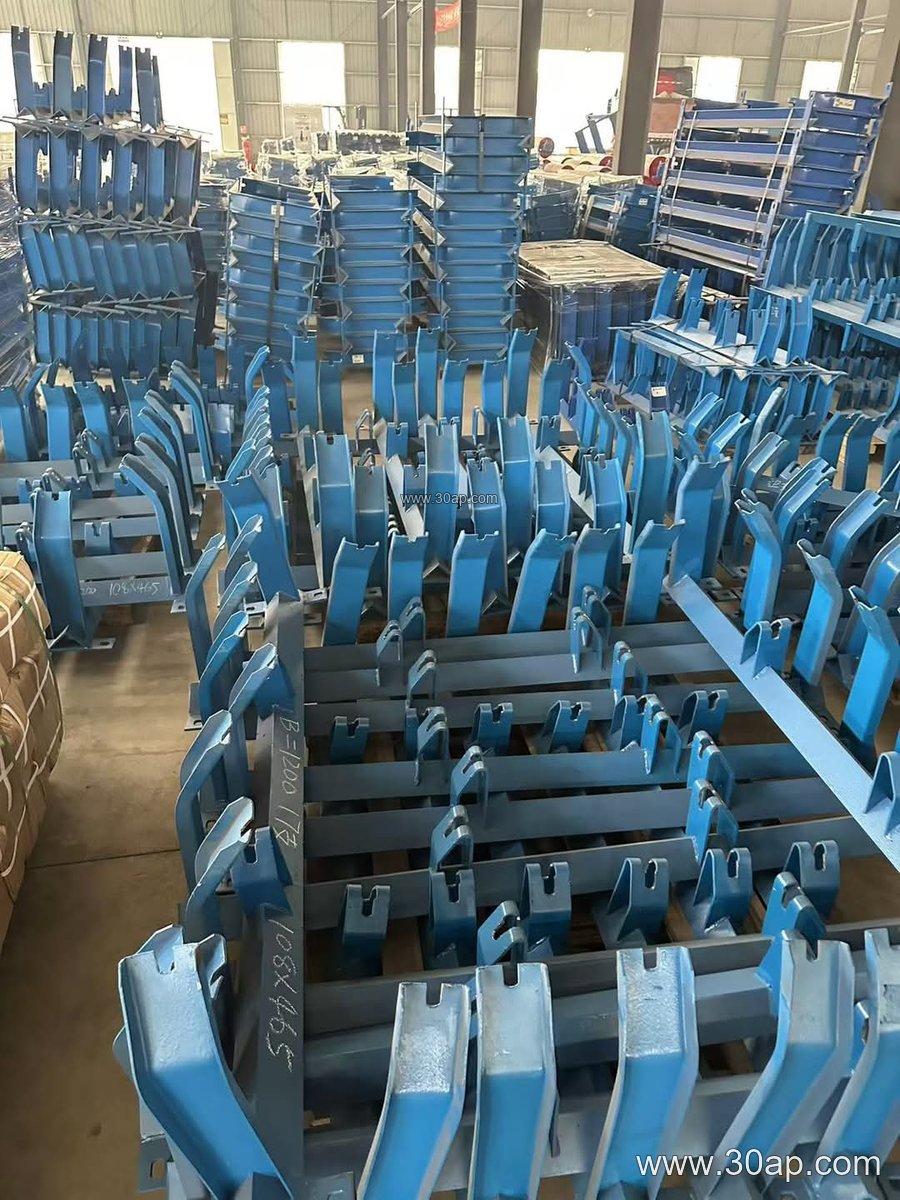
Most brackets are fabricated from angle steel, channel steel, or folded steel plate. The choice depends on the load and the conveyor width. A typical bracket has a base that bolts to the stringer, one or more inclined arms that set the trough angle, and slots or holes for mounting the idler roller shaft. Welds are usually continuous at load points, and the surface may be painted or galvanized to resist dust and moisture. Because the bracket is made from carbon steel rather than a specialized alloy, it offers a good balance of strength and cost for general bulk handling.
Common Types and Where They Sit
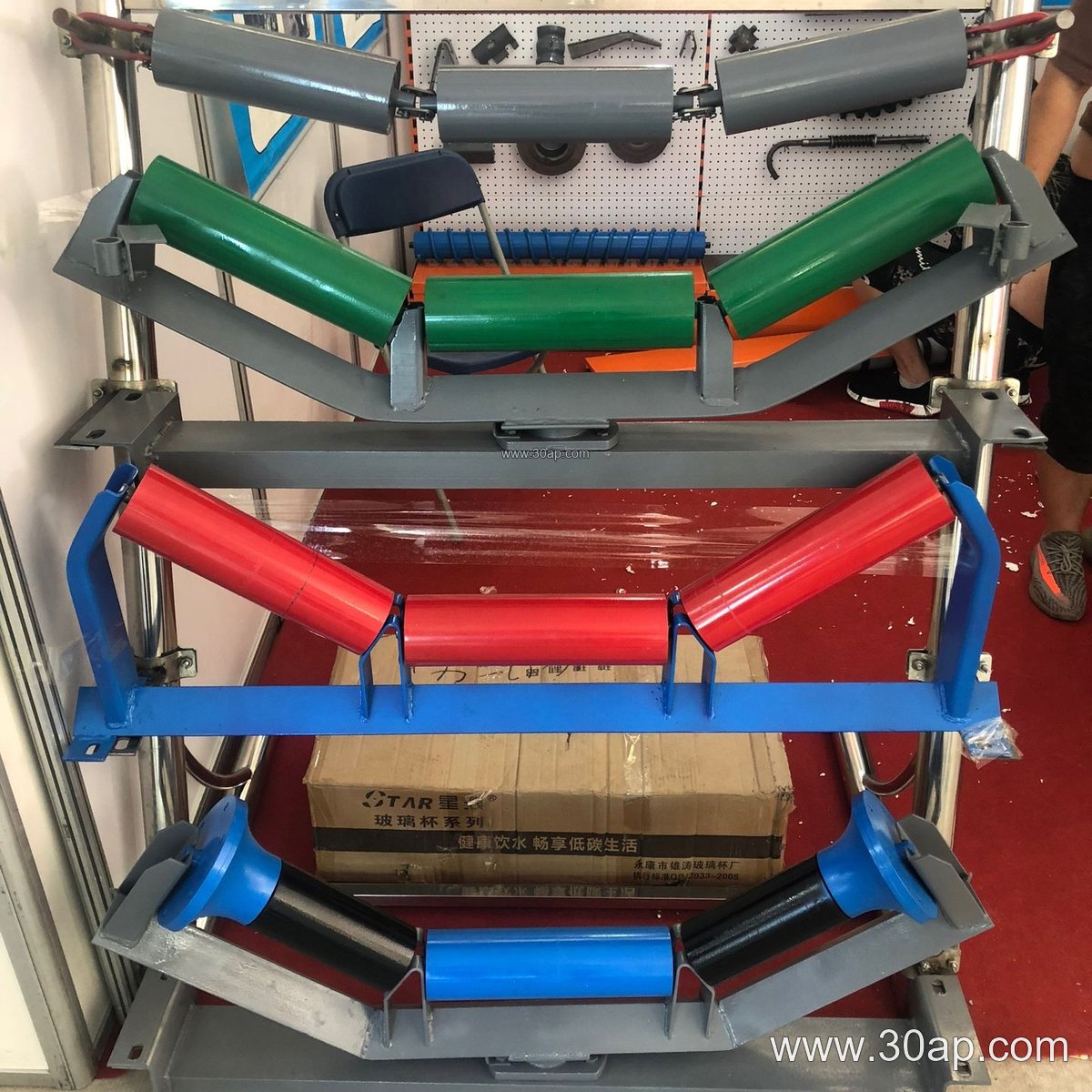
Brackets are not one-size-fits-all. The main types differ by position and function:
- Troughing bracket – supports the upper carrying idlers and sets the trough angle.
- Transition bracket – used near the head or tail to ease the belt from flat to troughed.
- Return bracket – carries the lower return idlers; a V-return bracket helps center the belt.
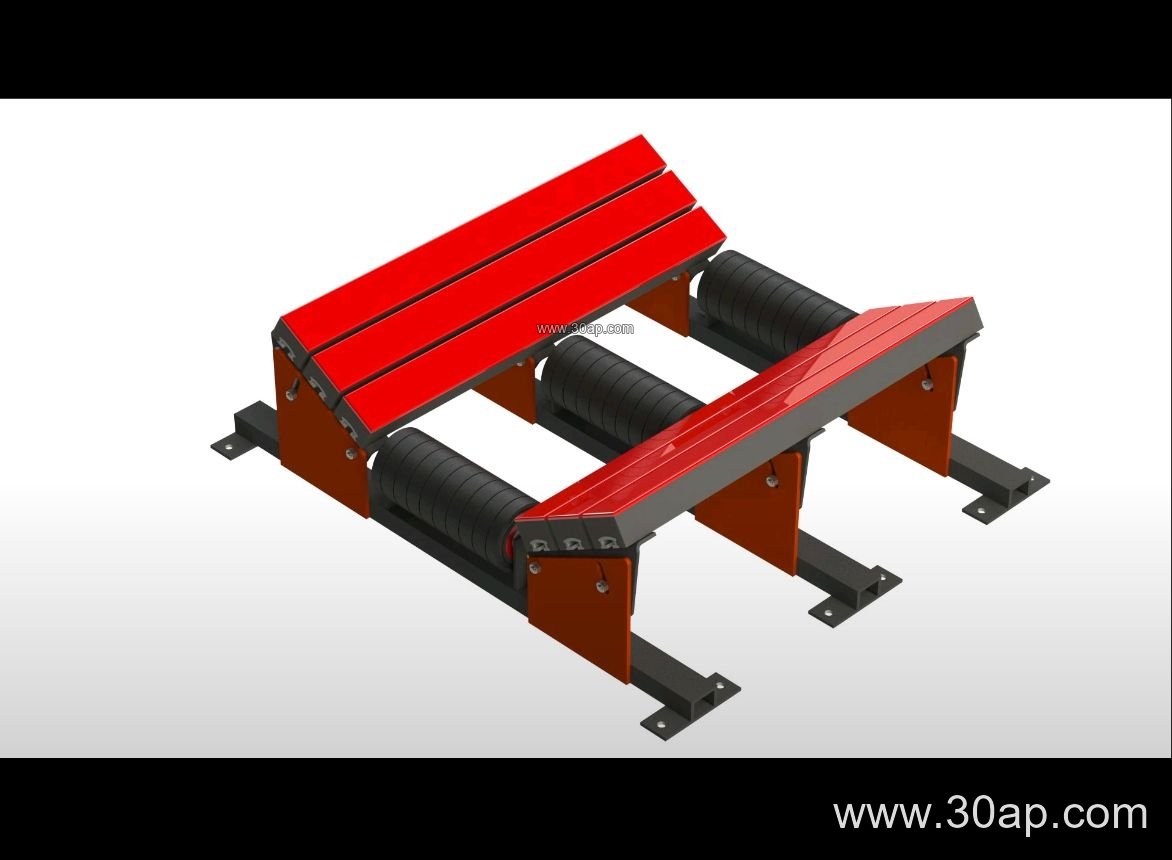
- Impact bracket – reinforced for loading points where material falls onto the belt.
- Self-aligning bracket – allows the idler to pivot slightly to correct belt drift.
- Adjustable bracket – lets maintenance staff change the trough angle within a range.
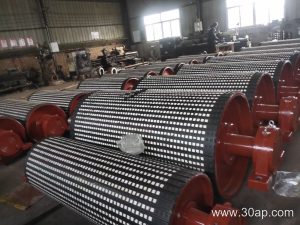
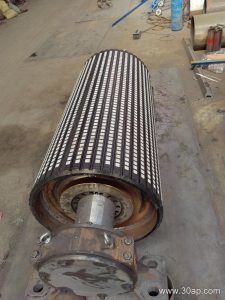
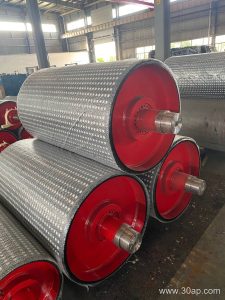
Drive pulleys, tail pulleys, and bend pulleys are separate components and are not interchangeable with brackets. A bracket supports idlers; a pulley drives or redirects the belt. Keeping that distinction clear helps when ordering spares.
Sizes and Configurations
Bracket dimensions follow the belt width, trough angle, and idler diameter. There is no single mandatory size for every conveyor. The table below shows common combinations for reference; actual mounting hole spacing and beam length should be confirmed with the conveyor design.
| Belt Width (B) | Common Trough Angle | Typical Idler Diameter | Bracket Style |
|---|---|---|---|
| B500 | 20°–30° | Ø89 | Troughing, return |
| B650 | 30°–35° | Ø89–Ø108 | Troughing, transition |
| B800 | 30°–35° | Ø108 | Troughing, impact |
| B1000 | 35°–45° | Ø108–Ø133 | Troughing, self-aligning |
| B1200 | 35°–45° | Ø133 | Troughing, return |
| B1400 | 35°–45° | Ø133–Ø159 | Troughing, transition |
| B1600 | 35°–45° | Ø159 | Troughing, impact |
| B1800 | 35°–45° | Ø159–Ø194 | Troughing, return |
| B2000 | 35°–45° | Ø194 | Troughing, self-aligning |
Adjustable brackets can often be set between 20° and 45°, while fixed brackets are welded at one angle. Forward-leaning brackets, common at about 1.5° to 2° ahead of vertical, help with belt training on high-speed lines.
Where Carbon Steel Brackets Are Used
These brackets appear wherever a conveyor belt moves bulk material. In a sand and gravel line, troughing brackets support the belt through the crushing and screening circuit. In a coal-fired power plant, return brackets keep the empty side of the belt aligned under the coal yard conveyor. In a cement plant, impact brackets absorb the shock of clinker at transfer points. The same bracket design also serves fertilizer plants, grain silos, and tunnel spoil handling. The common thread is that the bracket must match the conveyor frame, the idler roller, and the belt width.
Buyer Checklist
When specifying a carbon steel conveyor bracket, confirm the belt width, the required trough angle, the idler diameter, and the mounting hole pattern. Ask whether the bracket is fixed or adjustable, and whether it is for carrying, return, impact, or transition service. Check the steel section and finish for the environment—dust, moisture, or corrosive material. Do not assume one belt width pairs with only one pulley diameter or one trough angle; the conveyor design determines the match. Finally, keep a small stock of the most wear-prone brackets so a damaged unit does not stop the line.