What a Heavy-Duty Impact Idler Does
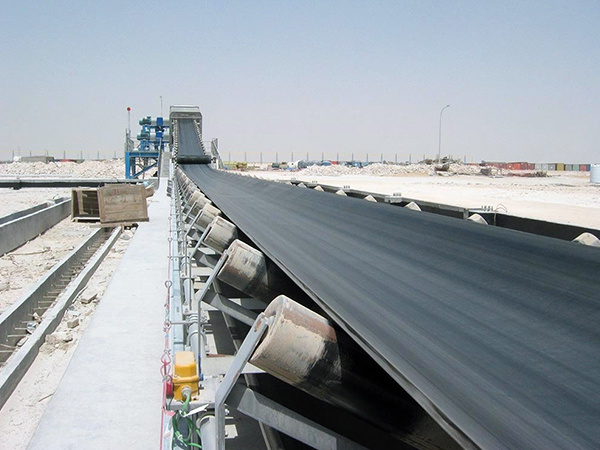
A heavy-duty impact idler is the shock-absorbing roller set placed under the loading point of a conveyor belt. Also called a buffer idler, it sits exactly where the material stream hits the belt, and its job is to take the repeated hammering that would otherwise damage a standard carrying idler. In a quarry, a coal preparation plant, or a cement plant, the drop height and lump size can be severe, so this subtype is chosen to protect both the belt cover and the roller frame.
Where It Belongs on the Conveyor
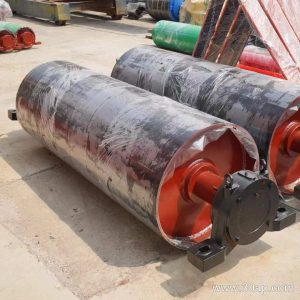
Typical locations include the feed chute discharge, the transfer tower, and the first few metres after a crusher or screen. A conveyor pulley at the head or tail end does a different job, and drive, tail, and bend pulleys are not interchangeable with an impact idler. The buffer set simply supports the belt at the point of impact.
How It Is Built
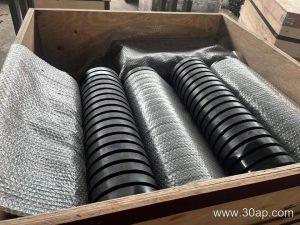
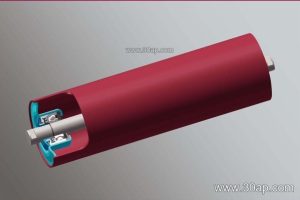
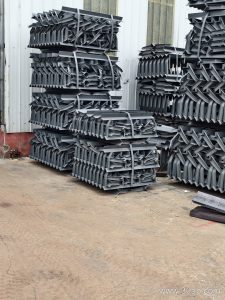
Most heavy-duty impact idlers use a steel tube body fitted with rubber rings or a thick rubber disc surface. The rubber absorbs the energy of falling material and reduces noise. The roller ends run on sturdy bearings, and the whole assembly is mounted on a robust conveyor bracket or frame that resists bending.
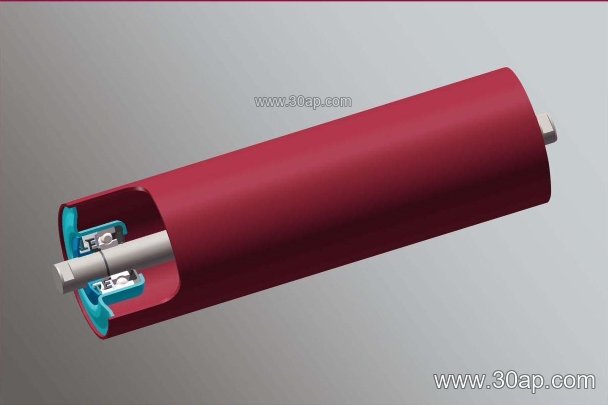
- Tube: heavy-wall steel, sometimes with a rubber lagging
- Surface: rubber rings, rubber discs, or a plain steel shell
- Bearing: commonly 6205, 6305, 6306, 6308, or 6310
- Mounting: fixed frame or spring-loaded bracket
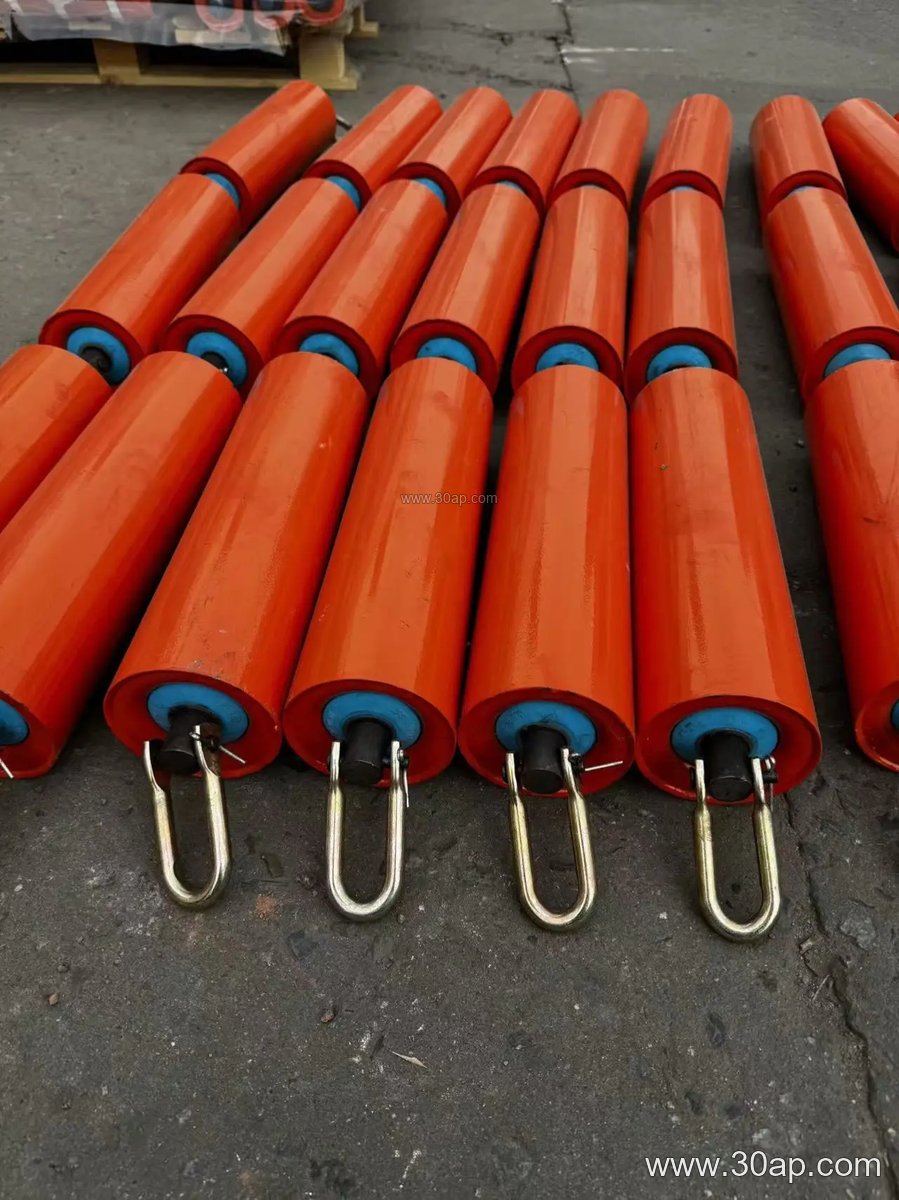
Rubber-ring impact idlers are popular in hard-rock and coal operations because the rings can be replaced without scrapping the whole roller. A plain steel impact roller is lighter and cheaper, but it transfers more shock to the bearings.
Common Sizes and Configurations
The table below shows reference values, not a fixed supply list. A buyer should confirm roller diameter, length, and bearing seat with the conveyor designer.
| Item | Common Options |
|---|---|
| Roller diameter | Ø89, Ø102, Ø108, Ø127, Ø133, Ø159, Ø178 mm |
| Belt width | B650, B800, B1000, B1200, B1400, B1600 mm |
| Trough angle | 20°, 30°, 35°, 45° |
| Idler set | single roll, two-roll, three-roll trough |
| Roller length | about 250 mm for B650, 315 mm for B800, 380 mm for B1000, 465 mm for B1200, 530 mm for B1400, 600 mm for B1600 |
These lengths are examples for a three-roll trough set; the side rollers and centre roller may differ. A wider belt does not force one specific shaft diameter, and a given belt width can match more than one pulley diameter on the same conveyor.
Selection Points for Buyers
Ask for the material lump size, drop height, belt speed, and the weight of the largest piece. Heavier lumps and higher drop points usually call for a larger roller diameter and thicker rubber rings. Check the bearing size against the load and the expected service life. Confirm the bracket hole spacing and the frame height so the impact idler matches the existing conveyor structure.
Comparison With a Standard Troughing Idler
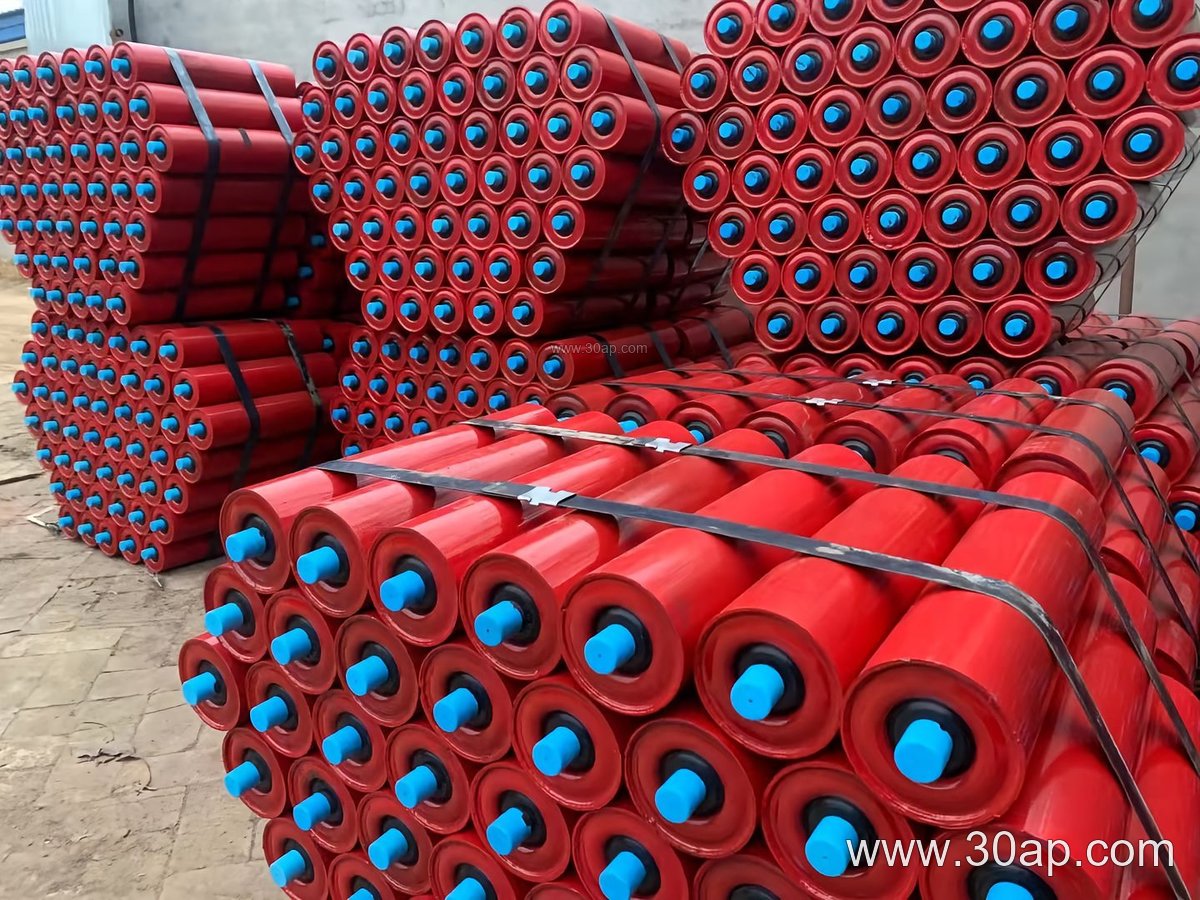
A standard troughing idler is fine along the carrying run, but it has less shock absorption. In a gravel pit or a power plant coal yard, the loading zone is where a heavy-duty impact idler earns its place. A spiral or return idler is used on the return strand for cleaning and tracking, not for impact duty. Keep the product name clear: this article is about the heavy-duty impact idler, not about a drive pulley or a return roller.
Maintenance Notes
Inspect rubber rings for cuts and chunking, and replace worn rings before the steel shell is exposed. Check that the roller turns freely and that the bracket bolts stay tight. In dusty sites such as a limestone mine or a batching plant, re-greasing or sealed-for-life bearings can extend service. Record the roller diameter and bearing number on the frame so future replacement is simple.
When ordering, state the application, belt width, trough angle, roller diameter, roller length, bearing type, and mounting style. That set of details is enough to match a heavy-duty impact idler to a real conveyor, whether the line handles ore, clinker, or aggregate.