What an Oil Resistant Conveyor Belt Is
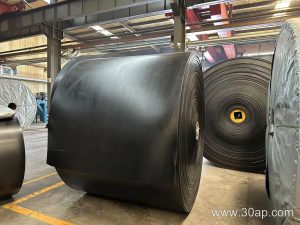
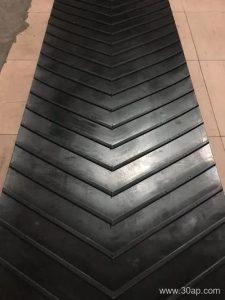
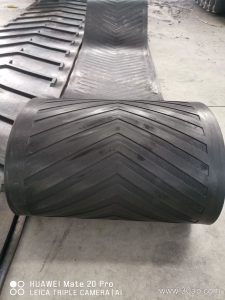
An oil resistant conveyor belt is a rubber conveyor belt built to carry materials that contain mineral oil, vegetable oil, animal fat, or oily process residue without swelling, softening, or cracking too quickly. In mines, cement plants, power stations, sand and gravel yards, and coal preparation facilities, belts often meet oily scrap, coated aggregate, or machinery that drips lubricant onto the carrying surface. A standard belt may absorb that oil and lose adhesion between the cover and the carcass, so the oil resistant variant uses a cover compound formulated to limit oil penetration.
The accurate equivalent name for the same product is oil-resistant rubber conveyor belt. Both terms describe the same belt family, and the oil resistance is a property of the cover compound rather than a separate mechanical design.
How the Belt Is Built
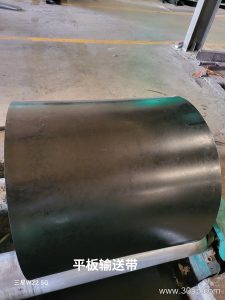
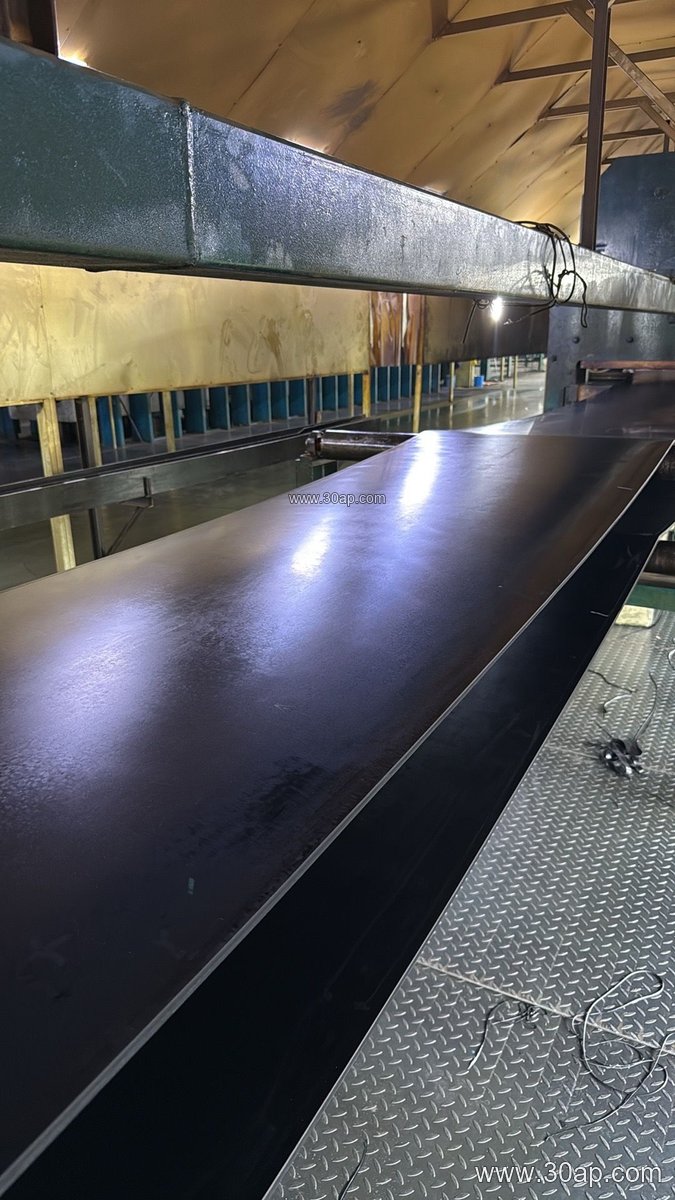
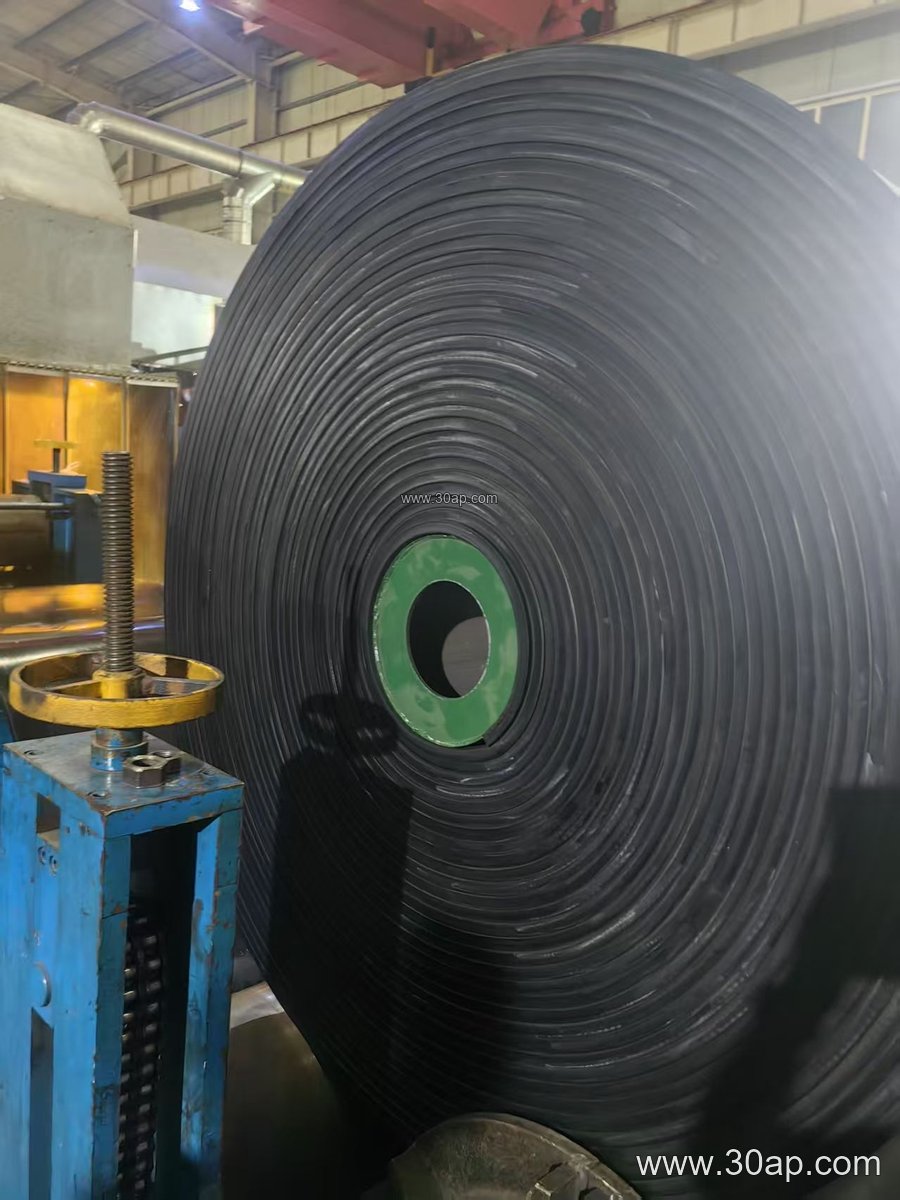
The construction follows the usual layered approach. A tension-bearing carcass carries the load, and oil resistant rubber covers protect it on the top and bottom. Common carcass options include EP conveyor belt fabric, NN nylon fabric, and steel cord constructions for heavier duties. The oil resistant compound is normally applied to the load-carrying cover and, where needed, to the pulley side as well.
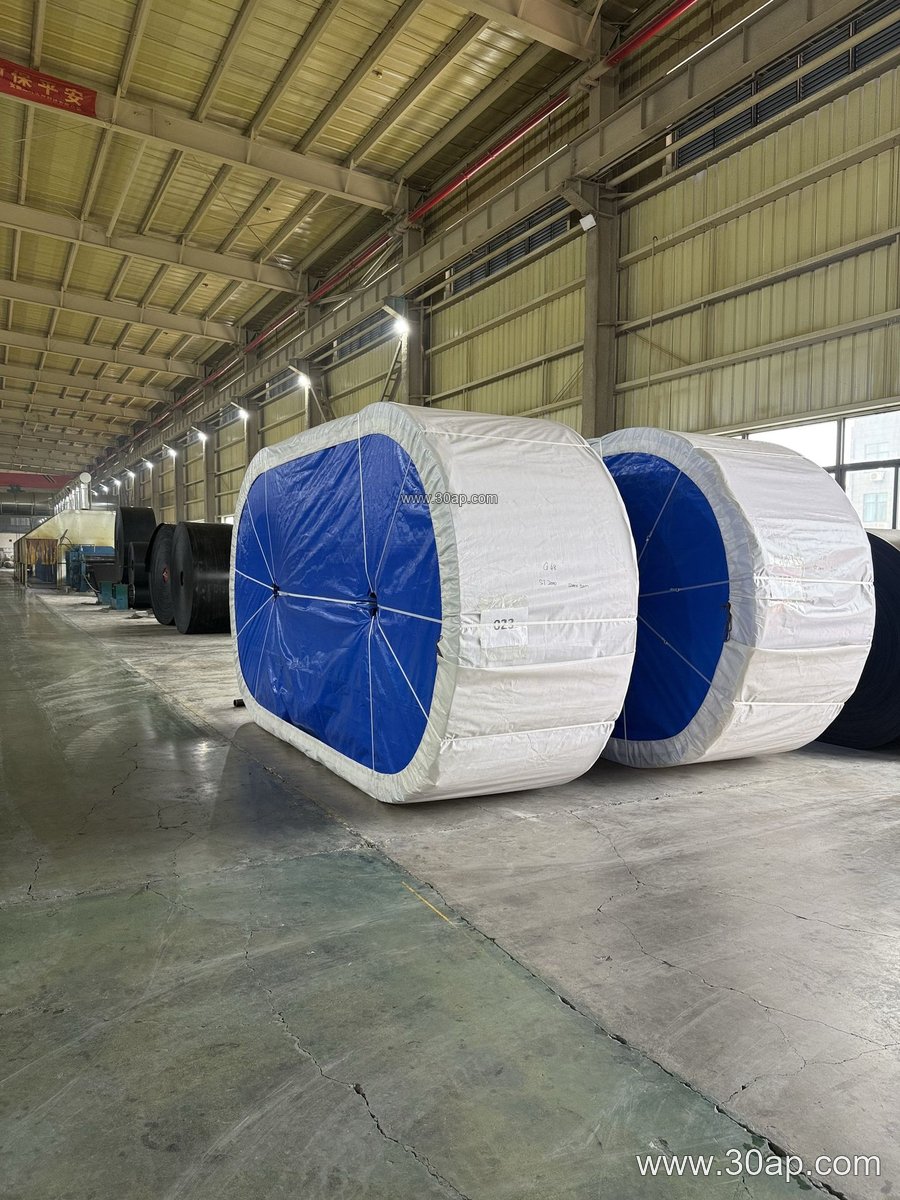
Cover thickness is usually specified as a top and bottom pair. Typical combinations include 3+1.5 mm, 4+2 mm, 5+2 mm, 6+2 mm, and 8+3 mm, with the thicker covers used where oily material is abrasive or the drop height is significant. The carcass typically has 2 to 6 fabric plies, depending on the required strength. These figures are common reference values; the final construction is set by the conveyor design and the material being handled.
Common Specifications at a Glance
The table below shows reference ranges often seen in enquiries. They are not universal specifications, and different manufacturers will offer different combinations.
- Fabric types: EP fabric, NN nylon, steel cord
- Strength grades: EP200, EP315, EP400, EP500, EP630, EP800, EP1000, EP1250, EP1600, EP2000
- Belt widths: B500, B650, B800, B1000, B1200, B1400, B1600, B1800, B2000
- Cover combinations: 3+1.5 mm, 4+2 mm, 5+2 mm, 6+2 mm, 8+3 mm
- Carcass plies: 2 to 6 layers, typically
Where It Fits in the Plant
Oil resistant belts are common in crushing and screening circuits where recycled oil, lubricant spillage, or oil-contaminated feedstock is present. In a coal preparation plant, a belt may carry coal that has picked up oil from machinery. In a cement plant, oil-soaked material can appear around kiln and mill areas. Sand and gravel yards sometimes handle oily dredged material or stockpiles near fuel storage. Power stations may use such belts in fuel handling and ash lines where oily residue is a concern.
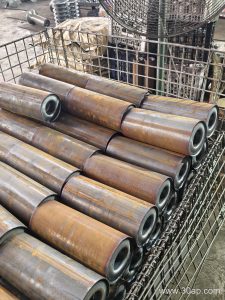
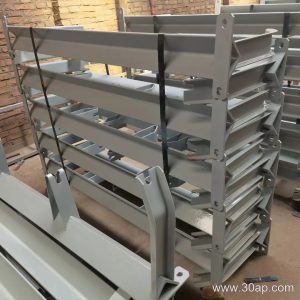
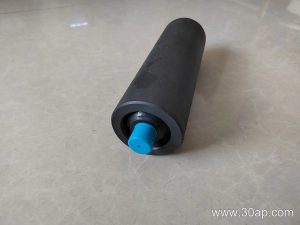
The belt works with the rest of the conveyor: idler rollers support the loaded strand, the conveyor pulley at the drive end transmits motion, and conveyor brackets hold the structure together. Oil resistance in the belt does not remove the need to keep rollers turning freely, since seized idlers can damage any cover.
Selection Points for Buyers
Start with the oil type and concentration. Mineral oil, diesel, and vegetable oils affect rubber differently, and the cover compound should match the exposure. Next, confirm the strength grade and width against the actual conveyor, not against a catalogue default. A B800 belt on a short run and a B1400 belt on a long overland conveyor will need different carcass builds even if both are oil resistant.
Check the cover thickness against abrasion and impact. A 4+2 mm cover may suit a moderate duty, while an 8+3 mm combination is more typical for coarse, oily feedstock with high drop points. Confirm whether the pulley side also needs oil resistance, especially if spillage reaches the return strand.
For comparison only, a heat resistant belt addresses high temperature rather than oil, and a flame retardant belt addresses fire risk; these are different properties and are not substitutes for oil resistance. If a conveyor needs more than one property, discuss a combined cover specification with the supplier.
Installation and Maintenance Notes
Keep the belt tracking correctly and maintain pulley alignment so the edges do not fray. Clean oil spillage from the return side when practical, and check the cover for swelling or softening during routine inspections. Replace worn idler rollers promptly, because a damaged roller can cut or gouge an oil resistant cover just as easily as a standard one. Store spare belts away from oils, solvents, and direct sunlight to protect the rubber before installation.
Oil resistance extends service life in oily conditions, but it is not unlimited. Buyers should state the operating environment clearly so the belt construction, cover grade, and thickness are chosen for the real duty rather than a generic assumption.