What a Heavy-Load Idler Does on the Line
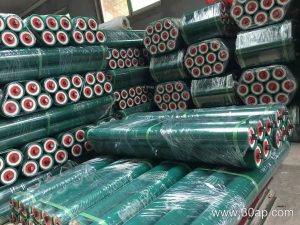
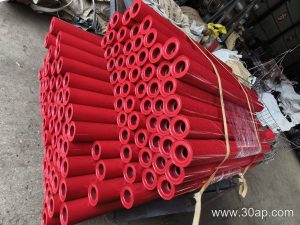
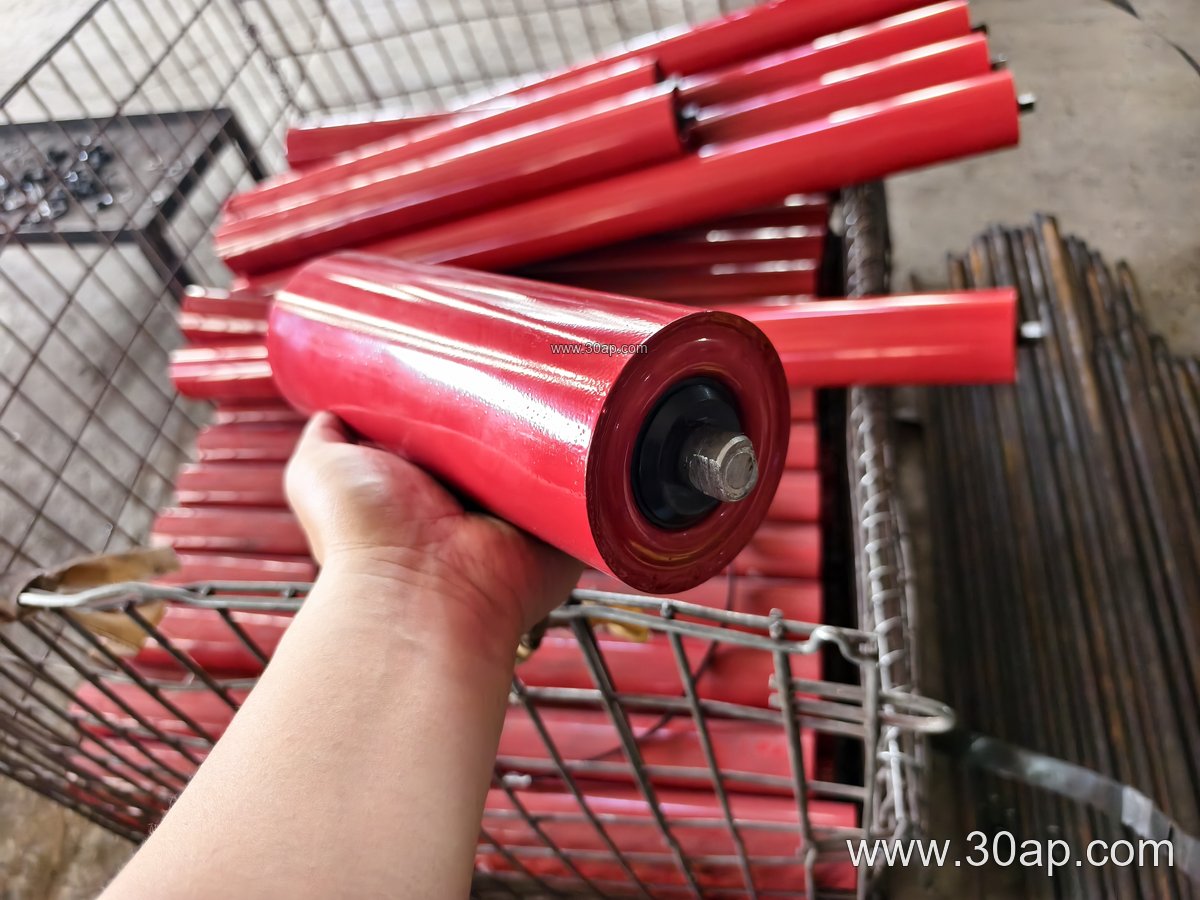
A heavy-load idler is the carrying or return roller built to survive the punishing end of a conveyor system, where tonnage is high, impact is constant, and downtime is expensive. In a primary crushing circuit at a quarry, or on a raw-material feed line at a cement plant, the conveyor belt itself may be heavy, the lump size large, and the drop height significant. Under those conditions an ordinary roller can fail early through bearing fatigue, shell wear, or seal ingress. The heavy-duty idler addresses that by using thicker tube walls, larger shaft diameters, stronger bearing housings, and more robust sealing. It remains a roller, not a pulley, so it supports the belt rather than driving or redirecting it.
Construction Details That Matter
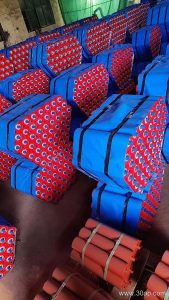
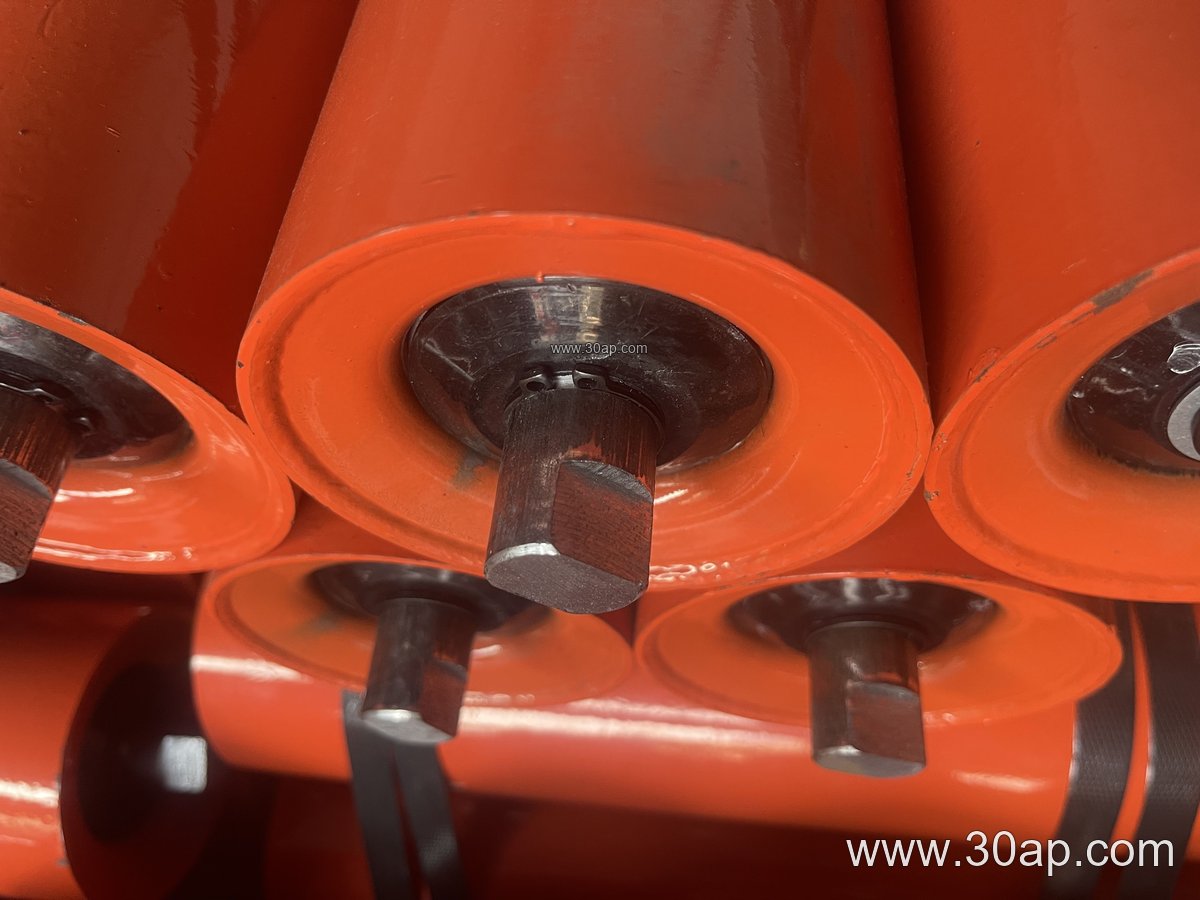
The core of the design is a seamless steel tube shell, often with a machined end face to seat the bearing housing squarely. Shafts are typically turned, ground, and fitted with forged or cast bearing housings that are welded or press-fitted into the tube. Bearings are usually deep-groove ball types in the 6200 or 6300 series, selected according to load and speed rather than tied to one shell diameter. Labyrinth seals, sometimes backed by a secondary lip seal, keep fines and water away from the bearing cavity. For abrasive service, the shell may be fitted with rubber rings or a ceramic lagging; for wet or sticky material, a spiral or wing-type shell can help shed carryback.
Common Formats and Dimensions
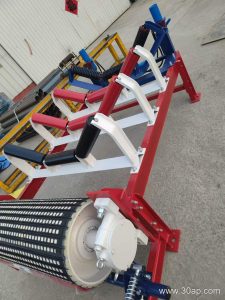
The heavy-load idler appears in troughing sets, return sets, and impact positions. Troughing arrangements usually use two or three rolls with trough angles of 20, 30, 35, or 45 degrees. Return positions may use a single flat roll or a V-shaped set. Typical roll diameters in this class include 108, 127, 133, 159, 178, and 194 mm, though the final choice depends on belt width, load, and shaft deflection limits. Belt widths commonly run from B800 through B2000 and beyond. The table below gives reference examples only; actual roll length, shaft size, and bearing fit must be confirmed against the conveyor design.
| Reference Item | Typical Range or Example | Note |
|---|---|---|
| Roll diameter | 108, 127, 133, 159, 178, 194 mm | Selected by load and belt width |
| Belt width | B800 to B2000 | Wider belts need longer rolls |
| Trough angle | 20, 30, 35, 45 degrees | Higher angles suit lumpy material |
| Bearing series | 6205, 6305, 6306, 6308, 6310 | Matched to duty, not to one roll size |
| Shell surface | Steel tube, rubber ring, ceramic | Rubber for impact, ceramic for abrasion |
For a three-roll troughing set, common roll lengths include roughly 315 mm for B800, 380 mm for B1000, 465 mm for B1200, and 530 mm for B1400. These are illustrative values, and side rolls may differ from the centre roll.
Where Heavy-Duty Rollers Are Applied
Mining and quarrying are the obvious homes for this equipment, especially at transfer points where rock lands on the belt. A limestone mine feeding a primary crusher, or an iron ore operation moving coarse ore, will specify impact-rated rollers under the chute. Coal handling at a power plant or a wash plant also uses heavy-load idlers on the main feed and return runs, where coal dust and moisture attack seals. Aggregate lines and tunnel spoil conveyors are other common applications. In each case the roller works alongside the conveyor belt, the conveyor pulley at the head and tail, and the conveyor bracket that holds the frame in alignment.
Buyer Checklist Before Ordering
- Confirm the belt width, trough angle, and roll length rather than assuming a standard set.
- State the material type, lump size, and drop height so impact duty is understood.
- Check shaft diameter and bearing series against the actual load calculation.
- Ask about seal design for wet, dusty, or washdown conditions.
- Verify that mounting dimensions match the existing conveyor bracket and frame.
- Consider shell surface options only where abrasion or impact justifies the cost.
A heavy-load idler is not simply a thicker version of a standard roller; it is a system component whose bearing, seal, shell, and shaft must be matched to the conveyor duty. Buyers who supply complete duty information usually get a better fit than those who order by diameter alone.