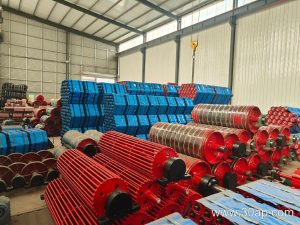
What a Non-Standard Conveyor Pulley Really Means
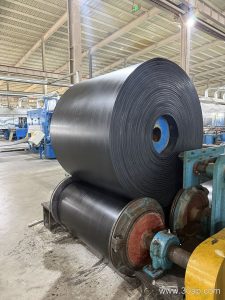
A non-standard conveyor pulley is a drum built to a customer’s own dimensional, load, or surface requirement rather than to a catalogue series. In a quarry, a coal washing plant, or a cement clinker line, the head, tail, and take-up positions often leave no room for an off-the-shelf unit. The belt width, the available bearing centres, the shaft extension, and the lagging profile may all need to be adjusted together. That is when a customised drum becomes the practical choice.
This is still a conveyor pulley in every mechanical sense: a cylindrical shell, two end discs, a shaft, bearing housings, and a lagged or plain face. What changes is the engineering around it. A non-standard unit is defined by the drawing, not by a size code, so the buyer should treat the specification sheet as the controlling document.
How the Drum Is Put Together
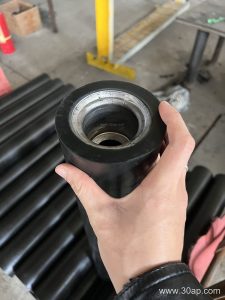
The shell is usually rolled from steel plate and welded to end discs, with the shaft pressed and keyed in place. Where torque is high, the connection between shaft and end disc is a key design point. Bearing selection follows the radial and axial loads, and the housing style must match the conveyor bracket at the installation point.
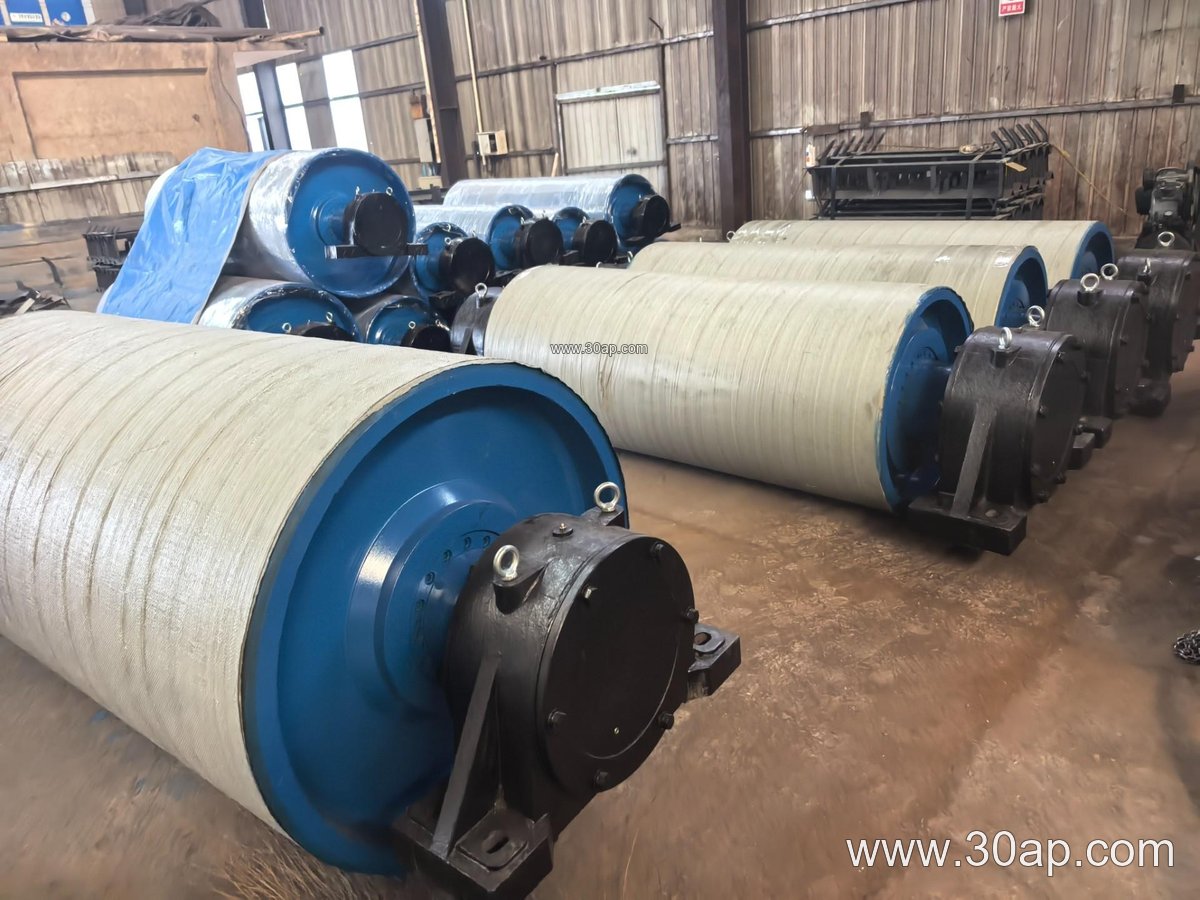
- Shell: wall thickness and diameter chosen for belt tension and bending load
- Shaft: sized by torque and load, not by belt width alone
- Lagging: plain, rubber, diamond, herringbone, or ceramic face as traction and material dictate
- Bearings and seals: matched to speed, dust, and re-lubrication practice
Common reference diameters run from Ø200 up to Ø1600 and beyond, while shaft journals are often in the Ø50 to Ø200 range. These are starting points for discussion, not fixed pairings.
Where a Custom Drum Earns Its Place
Retrofit work is the classic case. A limestone mine may replace a worn head drum while keeping the existing conveyor bracket and bearing pedestals, so the new pulley must copy the old mounting geometry exactly. In a power plant coal handling system, a bend or take-up position may be cramped, forcing a shorter face or a different shaft extension.
Aggregate plants and crushing-screening circuits also ask for non-standard units when belt width changes between stages. A B1200 × Ø1000 head pulley and a smaller B800 × Ø500 tail pulley can sit on the same line, each with its own face width and lagging. The face is usually wider than the belt: B650 might use about 750 mm, B1000 about 1150 mm, and B1400 about 1600 mm, though the final figure follows the drawing.
Matching the Surface to the Duty
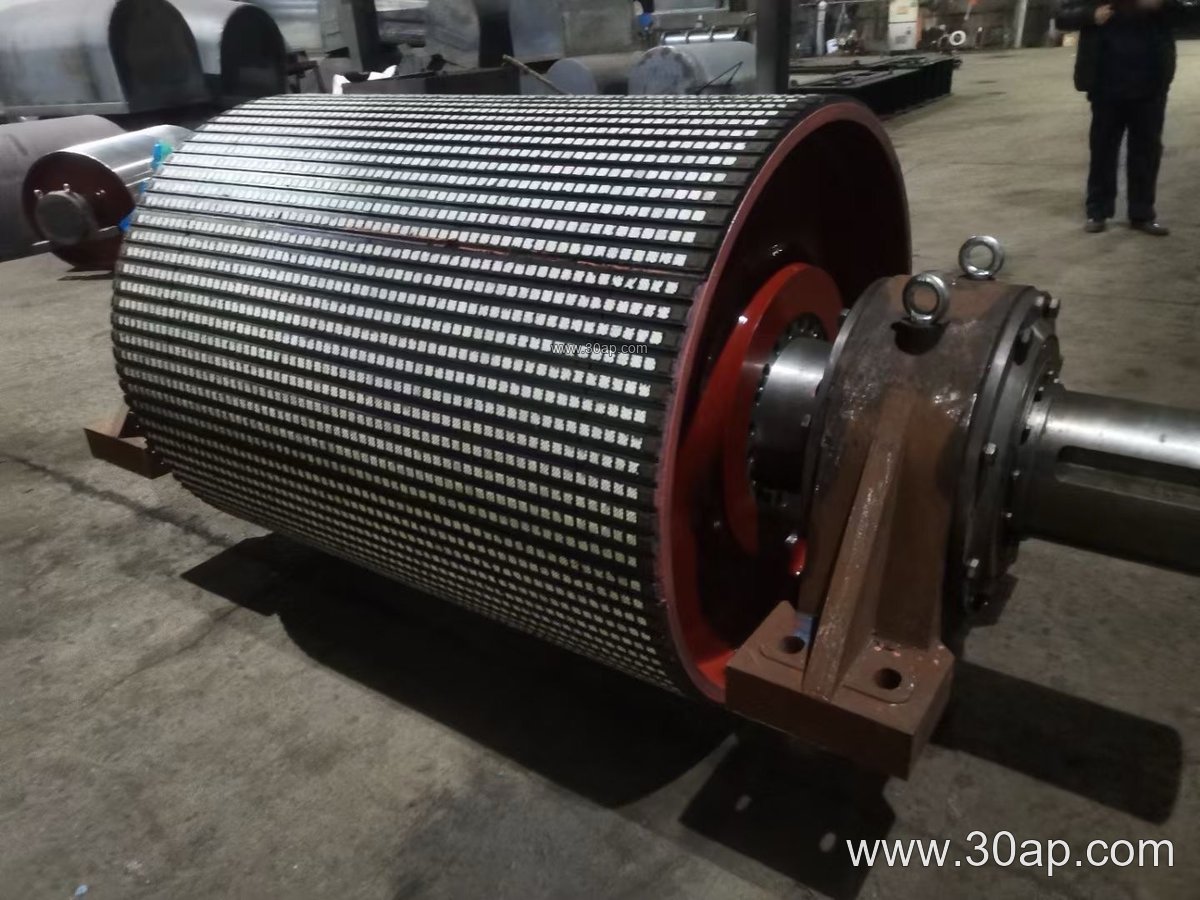
Lagging choice matters as much as dimensions. Plain face suits light duty and cleaning-friendly positions. Rubber lagging in 8, 10, 12, 15, or 20 mm thickness improves grip on a drive drum. Diamond or herringbone patterns help shed water and fines, while ceramic lagging is used where slip and wear are severe. A tail or bend pulley may run plain or lightly lagged, since its job is guidance rather than torque transfer.
What a Buyer Should Confirm Before Ordering
Send the drawing and the duty data together. The supplier needs belt width, pulley diameter, face width, shaft diameter and extension, bearing type, lagging specification, and the position in the conveyor. Also state the conveyor bracket interface and whether the unit is a drive, tail, or bend pulley, because these roles are not interchangeable and each carries different load assumptions.
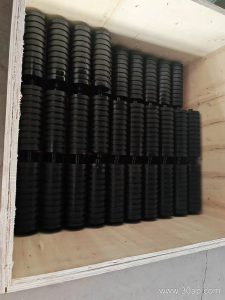
Ask for the shell and shaft material, the welding and inspection routine, and the balancing class where speed is high. Confirm how the lagging is applied and how the pulley is protected against dust and water. A non-standard conveyor pulley is a made-to-order component, so clarity at the enquiry stage saves rework at installation.