What a Belt Conveyor Bracket Does
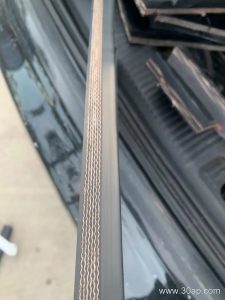
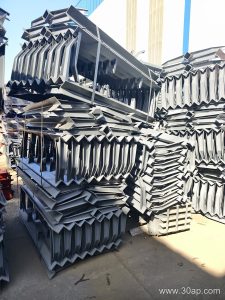
A belt conveyor bracket is the structural support that holds idler rollers in the correct position under the conveyor belt. It is often called a conveyor bracket or idler support bracket. In a quarry, limestone mine, or sand and gravel line, these brackets carry the weight of the belt and the bulk material, keep the belt tracking, and absorb impact at transfer points. The bracket works together with the conveyor belt, idler roller, and conveyor pulley, but it is not a pulley itself. Drive pulleys, tail pulleys, and bend pulleys are separate components, and they are not interchangeable with brackets.
Brackets are typically made from angle steel, channel steel, or folded steel plate. The material and thickness depend on the load and the environment. In a coal mine or power plant coal handling system, brackets may be built heavier to resist vibration and material buildup. In a cement plant or aggregate operation, brackets must handle abrasive dust and frequent washdown. The bracket does not move the belt, but it defines the belt line and keeps the idler roller at the right angle.
Common Types and Where They Fit
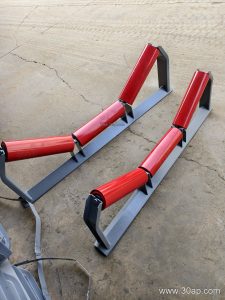
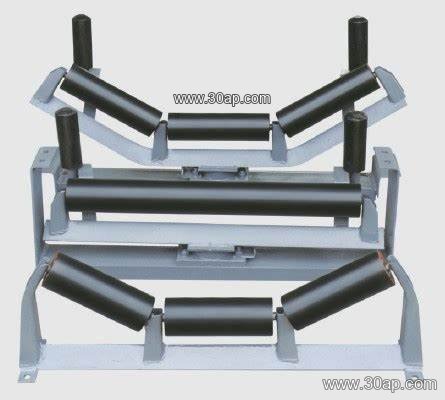
Belt conveyor brackets come in several forms, and each serves a specific position on the conveyor. The main types include troughing brackets, transition brackets, return brackets, and adjustable brackets. The troughing bracket supports the carrying side of the belt and sets the trough angle. Transition brackets are used near pulleys to guide the belt from a flat profile to a troughed profile. Return brackets support the belt on the return side. Adjustable brackets allow the trough angle to be changed within a range, which helps during commissioning or when material characteristics change.
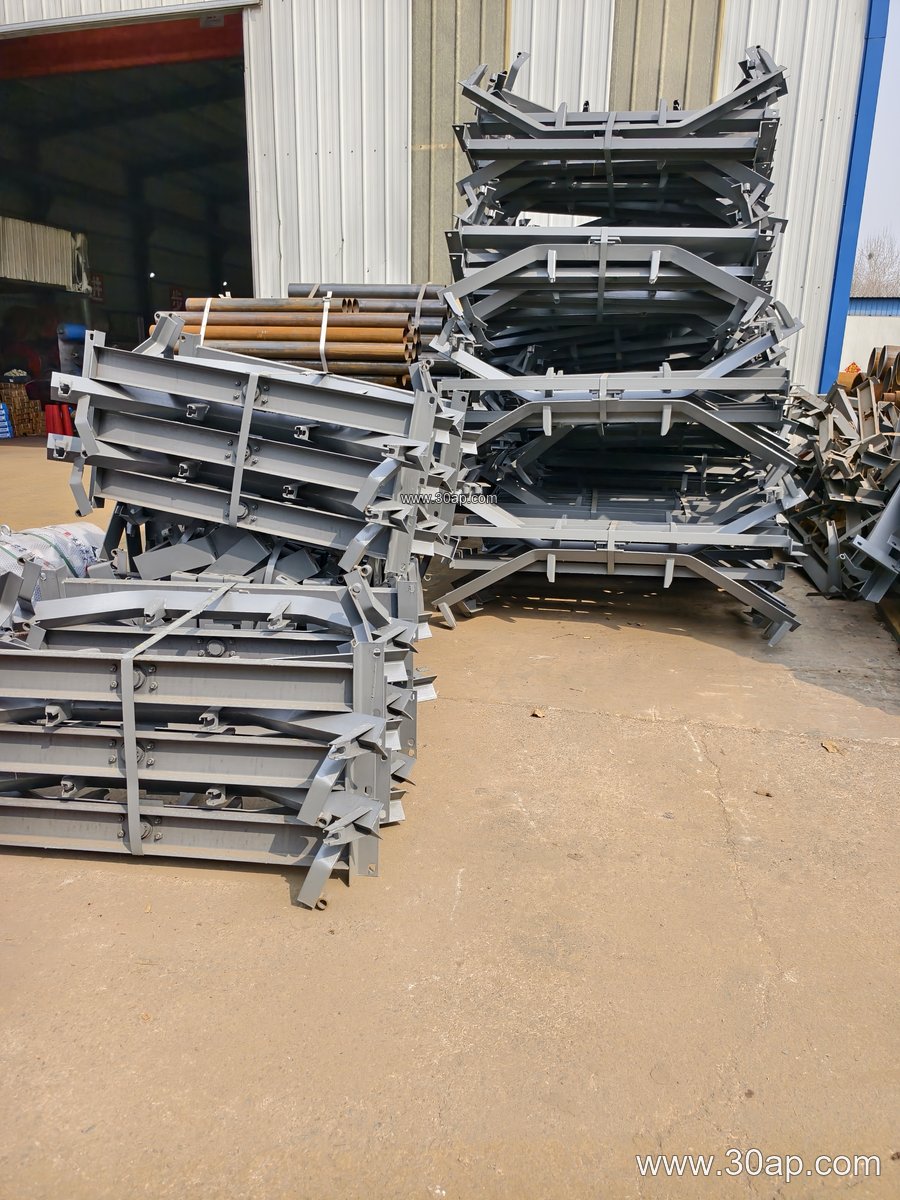
- Troughing bracket: supports three-roller idler sets on the carrying side.
- Transition bracket: placed near a conveyor pulley to ease belt transition.
- Return bracket: supports the belt on the return run, often with a flat or V-shaped idler.
- Adjustable bracket: allows trough angle adjustment, commonly between 20 and 45 degrees.
- Impact bracket: used at loading points with impact idlers to absorb shock.
In a coal mining conveyor or a quarry conveyor, the choice between fixed and adjustable brackets depends on the belt width, the trough angle, and the idler diameter. A fixed bracket is simple and rigid, while an adjustable bracket offers flexibility but requires proper locking to avoid loosening under vibration.
Matching Brackets to Belt Width and Idler Diameter
Brackets are selected by belt width, trough angle, and idler roller diameter. Common belt widths include B500, B650, B800, B1000, B1200, B1400, B1600, and B1800. Trough angles of 20, 30, 35, and 45 degrees are widely used. Idler diameters such as Ø89, Ø108, Ø133, Ø159, and Ø194 are common in different duty levels. The table below gives typical reference combinations, but these are not fixed rules. A B800 belt can work with different trough angles and idler diameters depending on the conveyor design.
| Belt Width | Typical Trough Angle | Common Idler Diameter | Typical Bracket Type |
|---|---|---|---|
| B500 | 20–30° | Ø89 | Troughing, fixed |
| B650 | 30° | Ø89–Ø108 | Troughing, adjustable |
| B800 | 35° | Ø108 | Troughing, transition |
| B1000 | 35–45° | Ø108–Ø133 | Troughing, impact |
| B1200 | 45° | Ø133 | Troughing, return |
| B1400 | 35–45° | Ø133–Ø159 | Troughing, transition |
| B1600 | 35–45° | Ø159 | Troughing, return |
| B1800 | 35–45° | Ø159–Ø194 | Troughing, impact |
Installation hole spacing and crossbeam length change with belt width and trough angle, so they are determined by design rather than fixed numbers. The bracket must align with the idler roller frame and the conveyor structure. On a steel cord conveyor belt system, brackets are often heavier because the belt tension and load are higher. On a fabric core conveyor belt line, a lighter bracket may be sufficient, but the selection still depends on the actual load and belt speed.
Buyer Checklist for Belt Conveyor Brackets
Before ordering, confirm the belt width, trough angle, idler diameter, and mounting dimensions. Check the material and finish: angle steel and channel steel are common, and folded steel plate is used for lighter or more compact designs. For a coal mining conveyor or underground mining conveyor, flame retardant and anti-static properties of the belt are important, but the bracket itself should be selected for corrosion resistance and structural strength. In a port or ship loading conveyor, salt air may require a protective coating. In a cement plant or power plant, dust and heat can affect the bracket and the idler roller.
Ask for drawings that show the bracket position relative to the conveyor pulley and the belt line. A bracket that is too weak can cause idler misalignment, belt edge wear, and spillage. A bracket that is too stiff in the wrong place can resist belt transition. The bracket should be matched to the conveyor belt type, whether it is an EP conveyor belt, NN conveyor belt, or steel cord conveyor belt, and to the idler roller series. For abrasive materials such as iron ore or copper ore, impact brackets at transfer points help protect the belt. For food grade or cold resistant applications, the bracket finish should be suitable for the environment.
Finally, plan for maintenance. Brackets should allow idler roller replacement without cutting the belt. Adjustable brackets should be easy to lock and check. Keeping spare brackets for the most loaded positions, such as the head and tail areas, reduces downtime in a busy quarry or coal handling system. For more information on conveyor components, visit conveyor belt, idler roller, and conveyor pulley resources.