Why Conveyor Bracket Selection Matters
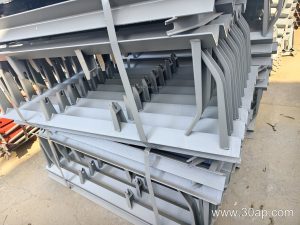
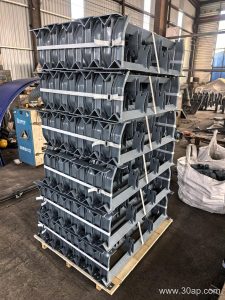
A conveyor bracket holds rollers, idlers, and frames in precise alignment. Choose mild steel for general use, stainless for washdowns, or aluminum for light loads. Verify hole spacing, load rating, and bolt grade. For purchasing, match bracket profile to your conveyor system and confirm corrosion resistance. Buy from reputable suppliers offering dimensional tolerances and load test data.
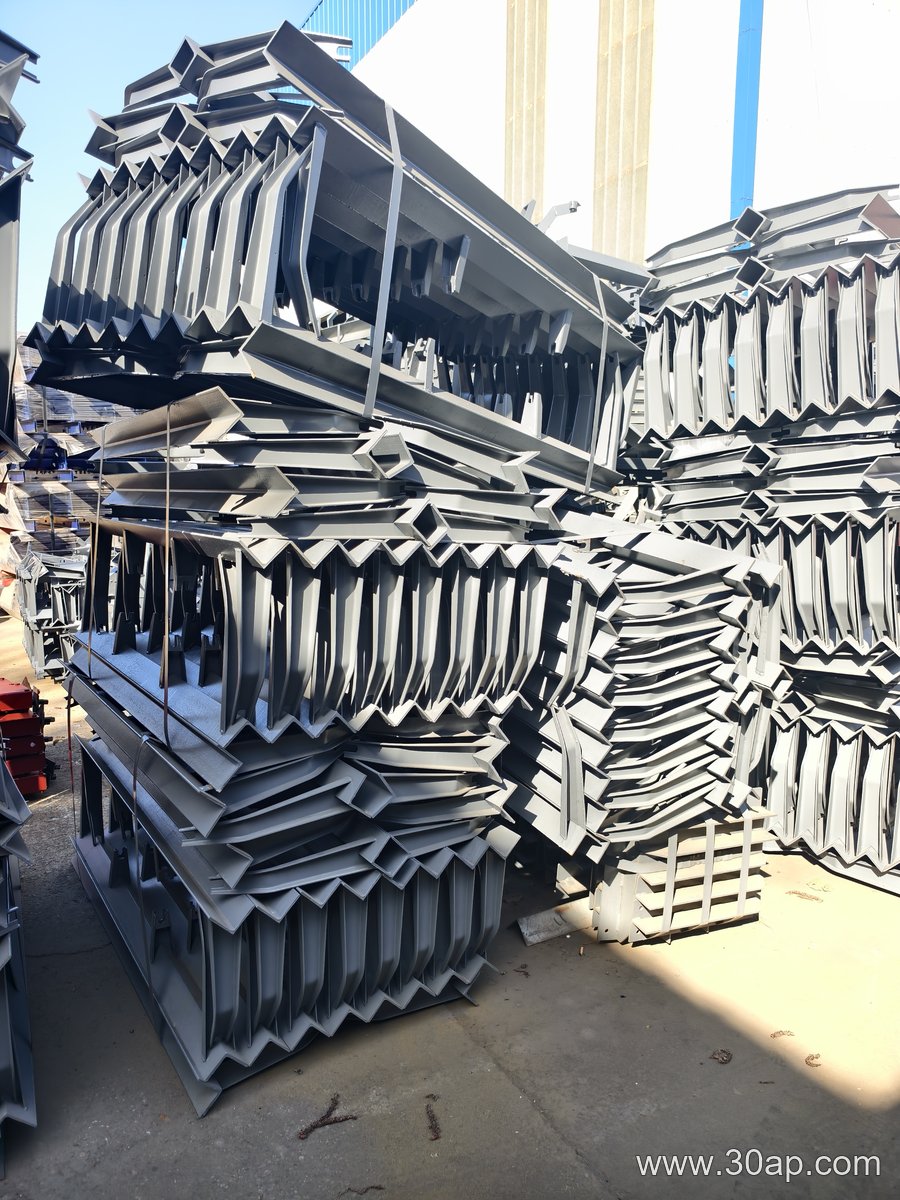
- Check mounting hole pattern
- Confirm load capacity
- Match material to environment
Conveyor Belt: Core of Industrial Material Handling
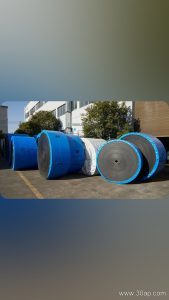
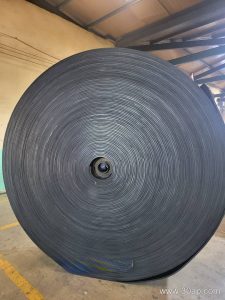
A conveyor belt moves bulk or unit loads efficiently across mining, food, and logistics operations. Choose the right belt to cut downtime and cost.

Key Selection Factors
- Material: rubber, PVC, or steel cord
- Load weight and speed
- Temperature and abrasion resistance
- Cleat or sidewall needs
Purchasing Advice
Verify tensile strength, splice type, and pulley compatibility. Request test reports and warranty terms before ordering.
Idler Roller Selection and Purchasing Guide
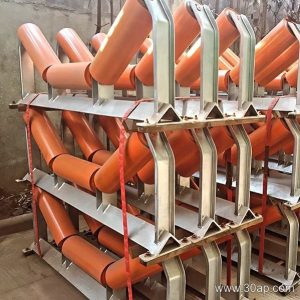
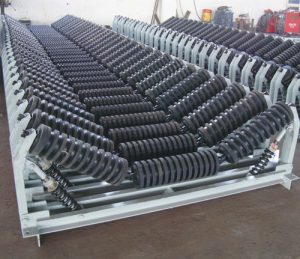
An idler roller supports and guides conveyor belts without driving them. Choose the right unit to cut downtime and energy costs.

Key Selection Factors
- Load capacity and belt width
- Bearing type: sealed vs. open
- Material: steel, stainless, or polymer
- Environmental conditions: dust, moisture, heat
Purchasing Advice
Verify shaft diameter, mounting style, and rotation speed. Request test data and warranty terms. Buy from suppliers offering consistent tolerances and replacement parts.
Conveyor Pulley Essentials
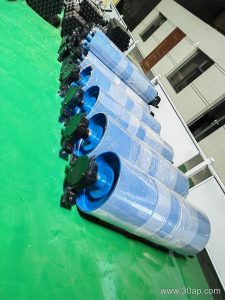
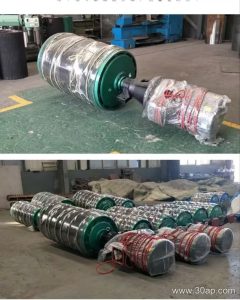
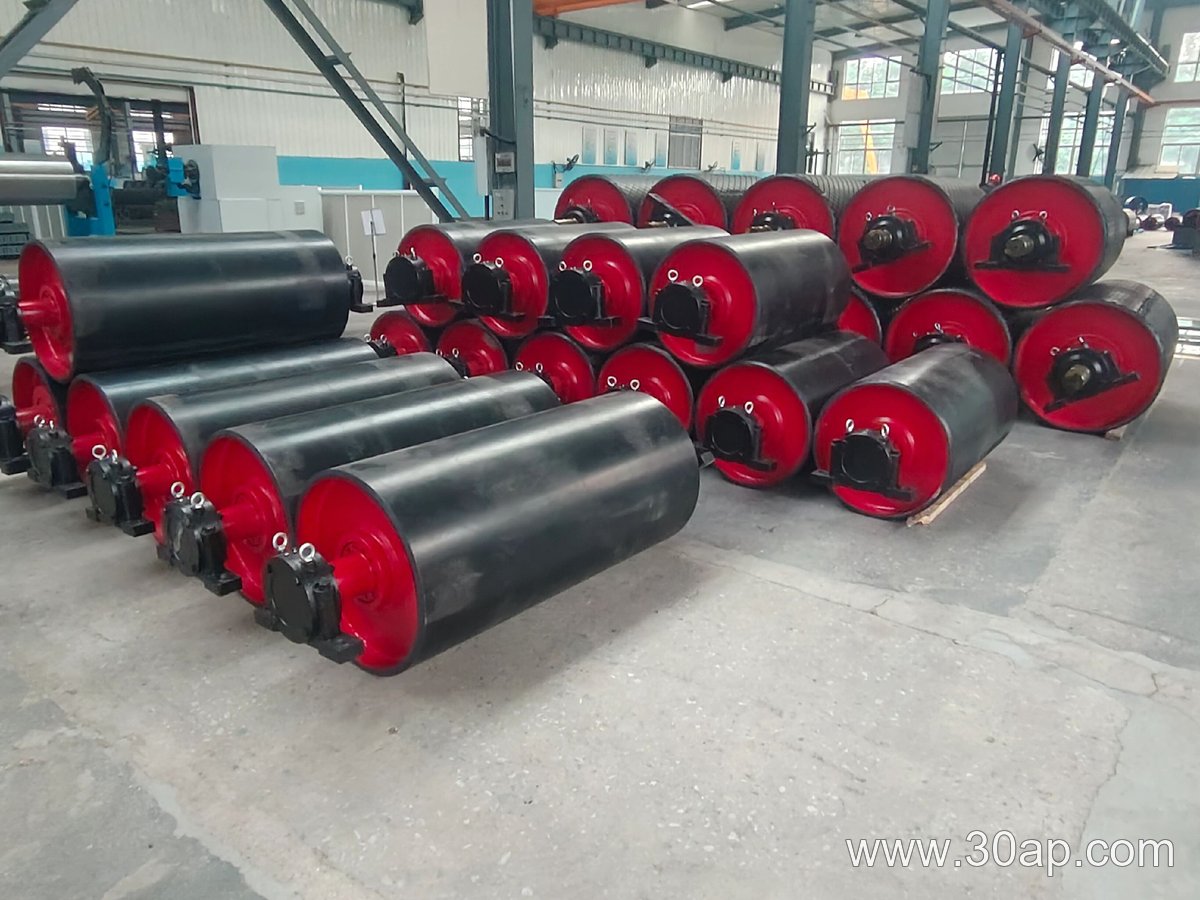
The conveyor pulley is the driving and driven component of a belt conveyor system, essential for material handling across industries. Choosing the right pulley ensures efficiency, longevity, and minimal downtime.
Key Selection Factors
- Load Capacity: Match pulley diameter and shaft size to belt tension and material weight.
- Lagging: Use rubber or ceramic lagging for grip in wet or high-torque applications.
- Bearing Type: Select sealed bearings for dusty environments; consider split housings for easy maintenance.
- Material: Steel pulleys are standard; stainless steel or coated options resist corrosion.
Purchasing Advice
Verify manufacturer certifications and request load calculations. Compare lead times and warranty terms. For heavy-duty needs, prioritize welded vs. cast construction. Always confirm compatibility with your belt width and speed.