What an Abrasion Resistant Conveyor Belt Is
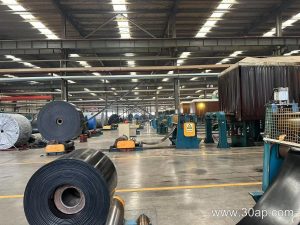
An abrasion resistant conveyor belt is a rubber conveyor belt built to resist surface wear when it carries sharp, hard, or heavy materials. In mines, coal preparation plants, cement works, power stations, and sand and gravel yards, the belt surface meets lump ore, crushed stone, clinker, and similar cargo every day. A standard belt may wear through the cover quickly; an abrasion resistant conveyor belt uses a tougher cover compound and a strong carcass so the belt keeps its shape and carrying capacity for longer.
This product is also called a wear resistant rubber conveyor belt, and the two names describe the same item. It is not the same as a heat resistant belt, an oil resistant belt, or a flame retardant belt, although those properties can be combined in one construction when the working place demands it.
How the Belt Is Built
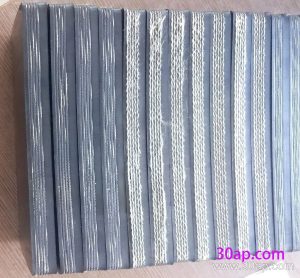
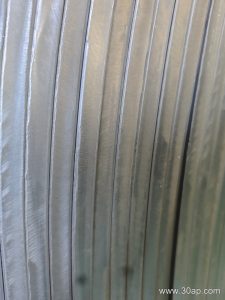
The belt has two main parts: the cover rubber and the carcass. The cover is the part that touches the material. For abrasive duty, the top cover is usually thicker than the bottom cover, because the load side takes most of the cutting and rubbing. Common cover thickness combinations include 4+2 mm, 5+2 mm, 6+2 mm, and 8+3 mm. The bottom cover protects the pulley side and runs against idler rollers, so it can be thinner, but it still needs enough rubber to resist wear.
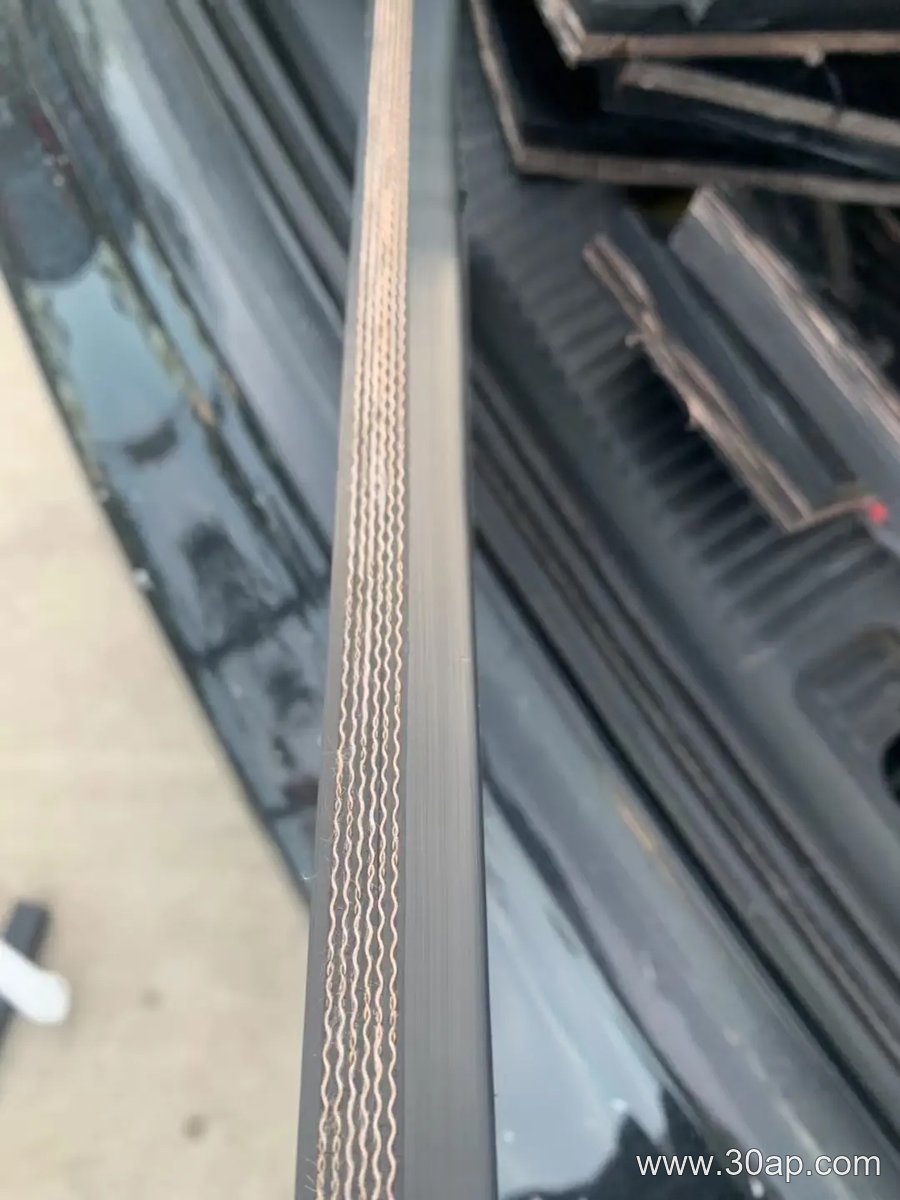
The carcass gives the belt its tensile strength and keeps it from stretching too much. Common fabric types are EP (polyester/cotton) and NN (nylon/nylon), and steel cord carcasses are used for very long or high tension lines. Fabric belts often have 2 to 6 plies. Strength grades such as EP200, EP315, EP400, EP500, EP630, EP800, EP1000, EP1250, EP1600, and EP2000 are available depending on the load and the conveyor design.
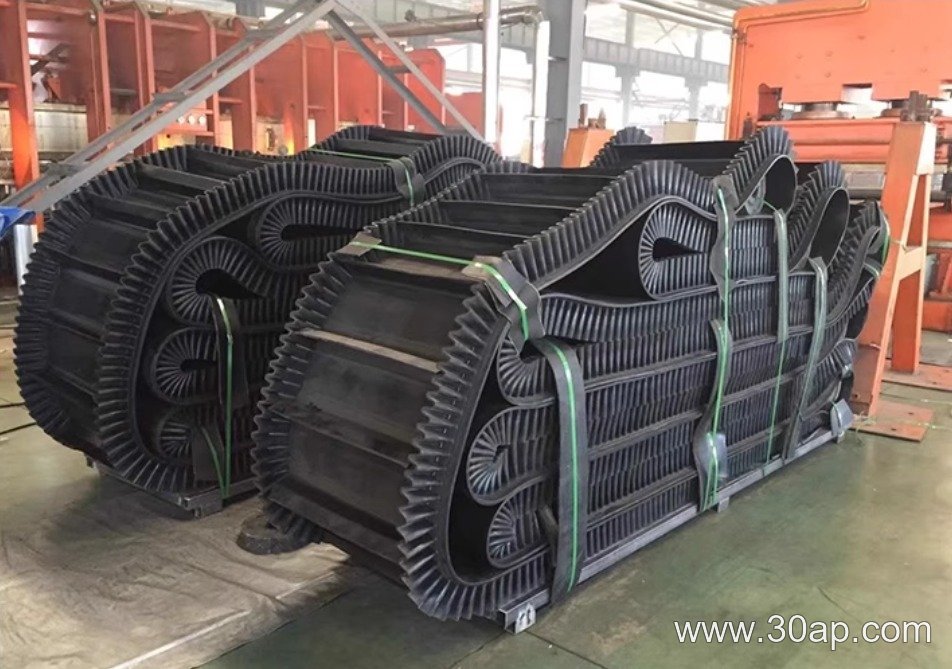
For special duties, the belt may also be made as a PVC conveyor belt or a PVG conveyor belt, with a patterned surface such as a chevron or herringbone profile, or with corrugated sidewalls. These are separate constructions and are chosen for their own reasons, not as replacements for a smooth abrasion resistant belt.
Where It Is Used
These belts are common in mining, coal, cement, electric power, and sand and gravel plants. They move crushed ore, coal, limestone, clinker, slag, and aggregate. The working conditions often include dust, moisture, high impact at the loading point, and continuous running. A wear resistant cover helps in all these places, but the belt still needs correct support from the conveyor structure.
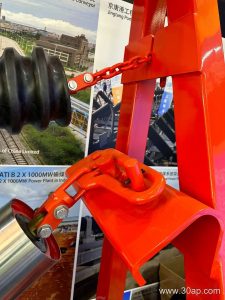
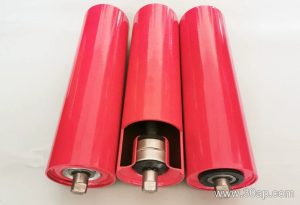
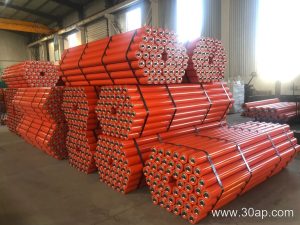
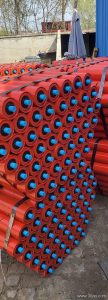
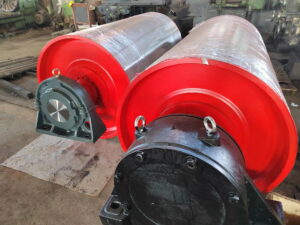
Idler rollers carry the belt and the load along the line. A conveyor pulley at the head, tail, and bend points turns the belt and sets its path. A conveyor bracket holds the rollers and pulleys in place. If any of these parts are misaligned or seized, the belt can rub and wear faster, even if the rubber compound itself is good. Regular inspection of rollers, pulleys, and brackets is therefore part of getting a long belt life.
Common Reference Data
The figures below are common reference values, not fixed supply promises. Actual belt width, strength, and cover thickness are set by the conveyor design and the material being carried.
| Item | Common Reference |
|---|---|
| Belt type | EP, NN, steel cord, PVC, PVG |
| Strength grade | EP200, EP315, EP400, EP500, EP630, EP800, EP1000, EP1250, EP1600, EP2000 |
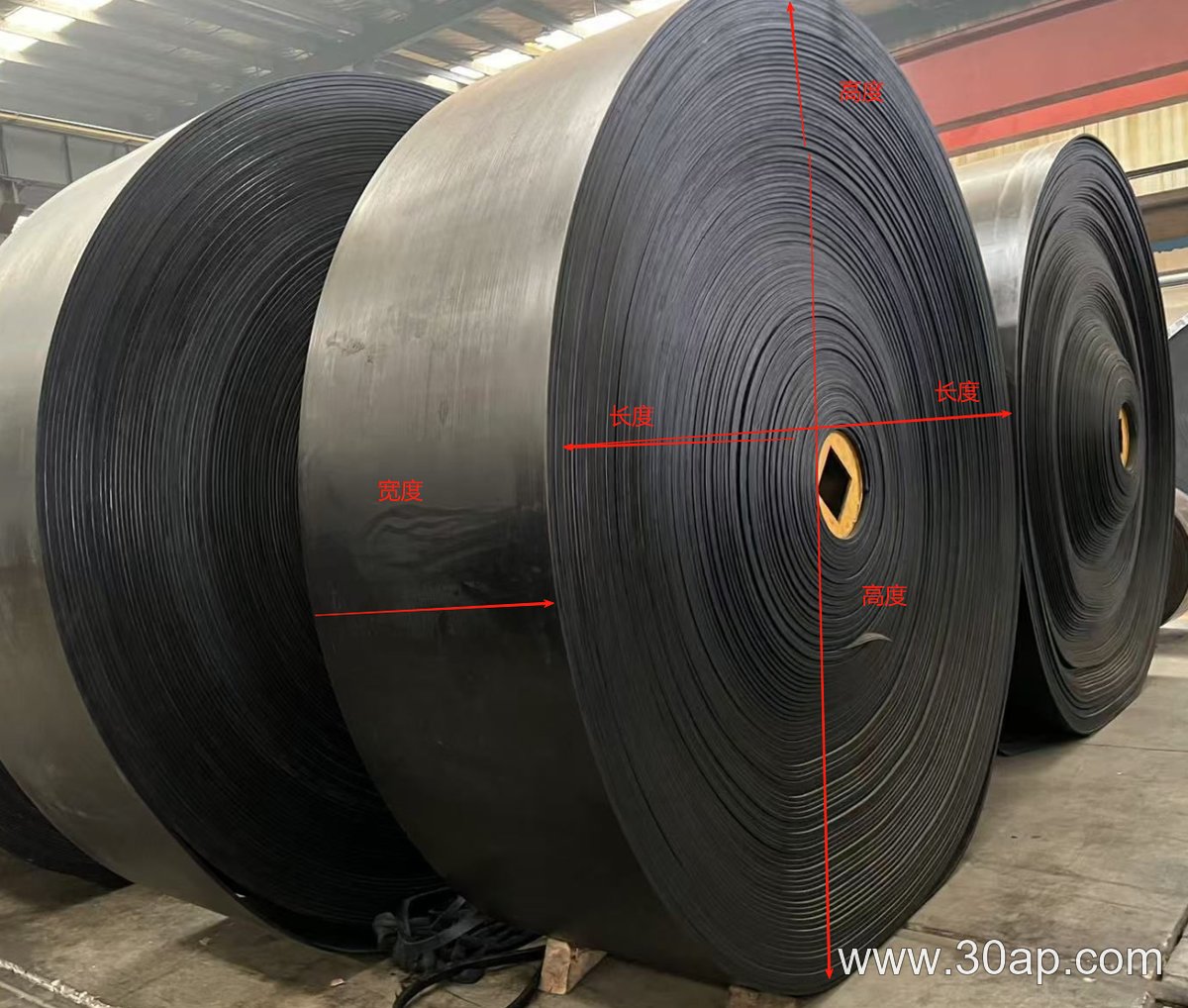
| Belt width | B500, B650, B800, B1000, B1200, B1400, B1600, B1800, B2000 |
| Cover thickness | 3+1.5 mm, 4+2 mm, 5+2 mm, 6+2 mm, 8+3 mm |
| Carcass plies | 2 to 6 plies, or steel cord |
The belt width and the pulley diameter are matched by the conveyor designer. A wide belt does not mean one fixed pulley size, and a belt width alone does not set a shaft diameter. These choices depend on tension, speed, load, and the pulley position in the system.
What a Buyer Should Know
Before choosing an abrasion resistant conveyor belt, gather the material type, lump size, fall height at the loading point, belt speed, capacity, and the shortest pulley diameter in the line. Ask for the cover rubber grade and the carcass type, because two belts with the same width can behave very differently. Check whether the site also needs heat, oil, flame, or antistatic properties, since those requirements can change the compound and the carcass.
On site, keep the loading chute centered so material does not hit the belt edge. Maintain idler rollers and pulleys so the belt runs straight. Repair small cover cuts before they reach the carcass. With the right belt and reasonable care, an abrasion resistant conveyor belt can serve reliably in harsh mining, cement, power, and aggregate duty.