What a Belt Conveyor Idler Frame Does on the Line
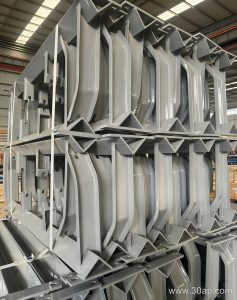
A belt conveyor idler frame is the steel structure that holds the idler rollers in the right position under and along the conveyor belt. In everyday plant language it is also called a conveyor idler bracket or idler support frame, and it is one of those parts that quietly decides how well the belt tracks, how the rollers wear, and how much spillage a transfer point produces. On a quarry conveyor or a power plant coal line, the frame is usually the first thing maintenance crews check when a belt starts wandering.
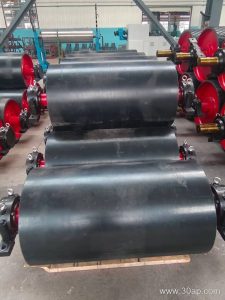
The frame is not a pulley. Drive, tail and bend pulleys each have their own separate role at the ends and corners of the conveyor, and they are never swapped for an idler frame. A frame simply carries the idler roller set that supports the loaded belt.
How the Frame Is Built
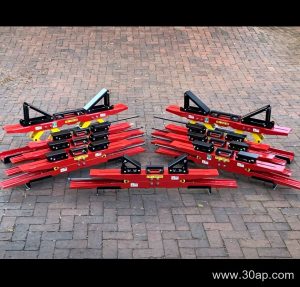
Most frames are fabricated from angle steel, channel steel or folded steel plate, then drilled and welded into a rigid crossbeam with two or three mounting positions for rollers. The common forms include troughing frames on the carrying side, transition frames near the pulleys, return frames and V-return frames underneath, plus impact frames at loading points and self-aligning frames where belt training is difficult. Materials and welds should suit the duty: a dusty cement plant and a wet underground coal mine put very different demands on a frame.
Key dimensions are not universal. The beam length and mounting hole spacing follow the belt width and trough angle, so a frame for one project is rarely a drop-in fit for another. Typical reference groupings look like this:
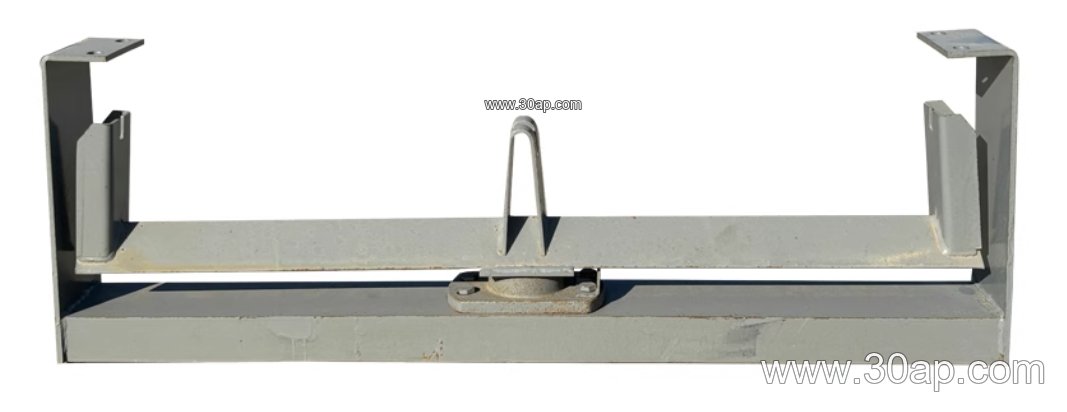
- B650 belt with a 30 degree trough and Ø89 rollers
- B800 belt with a 35 degree trough and Ø108 rollers
- B1000 belt with a 35 degree trough and Ø133 rollers
- B1200 belt with a 45 degree trough and Ø133 or Ø159 rollers
- B1400 and B1600 belts with 35 or 45 degree troughs and Ø159 or Ø194 rollers
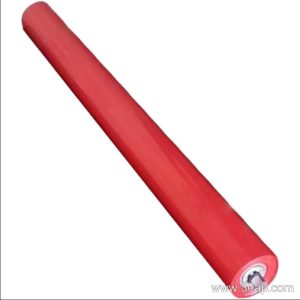
These are common pairings, not rules. A wide belt can run a shallow trough, and roller diameter is chosen from load, speed and belt stiffness rather than from belt width alone. Fixed frames hold one trough angle; adjustable frames let crews set 20, 30, 35 or 45 degrees on site. Forward-tilted frames usually lean about 1.5 to 2 degrees to help self-training.
Where the Frame Fits in the Plant
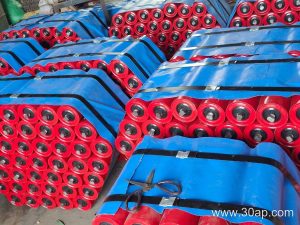
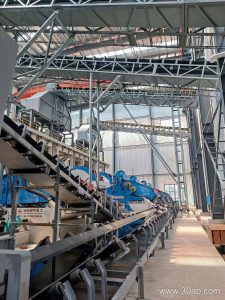
You will find idler frames in almost every bulk handling circuit: a limestone quarry feeding a crusher, a coal stockyard, a cement kiln line, a sand and gravel washing plant, a steel sinter yard, or a port shiploader. The carrying frame sits under the loaded run of the conveyor belt, while the return frame holds the empty side. At a transfer chute, impact frames with cushion rollers absorb the drop; on a long overland run, transition frames ease the belt from the flat pulley profile into the trough.
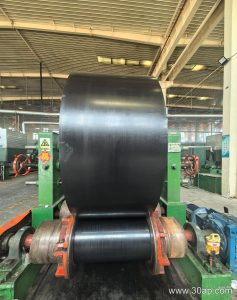
Frame choice should match the belt it supports. A heavy-duty mining conveyor belt or a steel cord conveyor belt carrying iron ore needs a stiffer beam than a light aggregate line. Where the belt is a chevron or corrugated sidewall type, check that the frame and roller set clear the cleats and sidewalls, and keep skirted conveyor belt zones in mind when positioning the first troughing frame after the skirt boards.
Selection and Maintenance Notes for Buyers
Before ordering, confirm belt width, trough angle, roller diameter, mounting hole pattern, beam length and the surface finish required. Ask whether the frame is fixed or adjustable, and whether it is for the carrying side, return side, impact zone or a transition. State the environment: dusty, wet, corrosive or high temperature. A frame that suits a dry sand plant may need a different coating or heavier section in a wash plant.
On site, check that frames are square to the belt centreline, that rollers sit fully in their seats, and that the beam has not bent after a jam. Loose bolts and worn roller seats are common causes of belt mistracking, and a quick alignment check often saves a replacement. Keep a small stock of spare brackets for your most common widths so a damaged frame does not stop the line.
Used together with the right conveyor pulley and a well-chosen belt, a properly specified idler frame keeps the whole conveyor stable, from the crusher discharge to the stockpile.