How Materials, Dimensions, Manufacturing, and Freight Shape the Cost of an Idler Roller
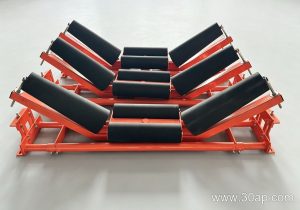
Many buyers assume an idler roller’s price is driven mainly by its size. In reality, cost is a sum of material choice, dimensional precision, manufacturing method, and freight. This article breaks down each factor so you can evaluate quotes with confidence.
Materials: The Base Cost Driver
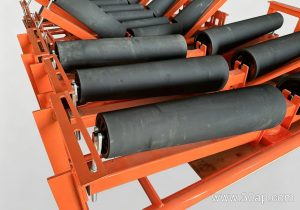
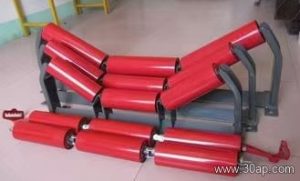
The shell, bearing housing, shaft, and seals each contribute. Steel is common but heavier and prone to corrosion unless coated. Polymer shells resist corrosion and reduce weight but may cost more per kilogram. Bearing grade and seal type also shift cost: sealed-for-life bearings cost more than open bearings but reduce maintenance.
Dimensions and Tolerances
Larger diameters and thicker walls use more material. Tight tolerances on concentricity and shaft fit require additional machining, raising labor and tooling costs. Non-standard lengths or custom end caps often add setup charges.
Manufacturing Process
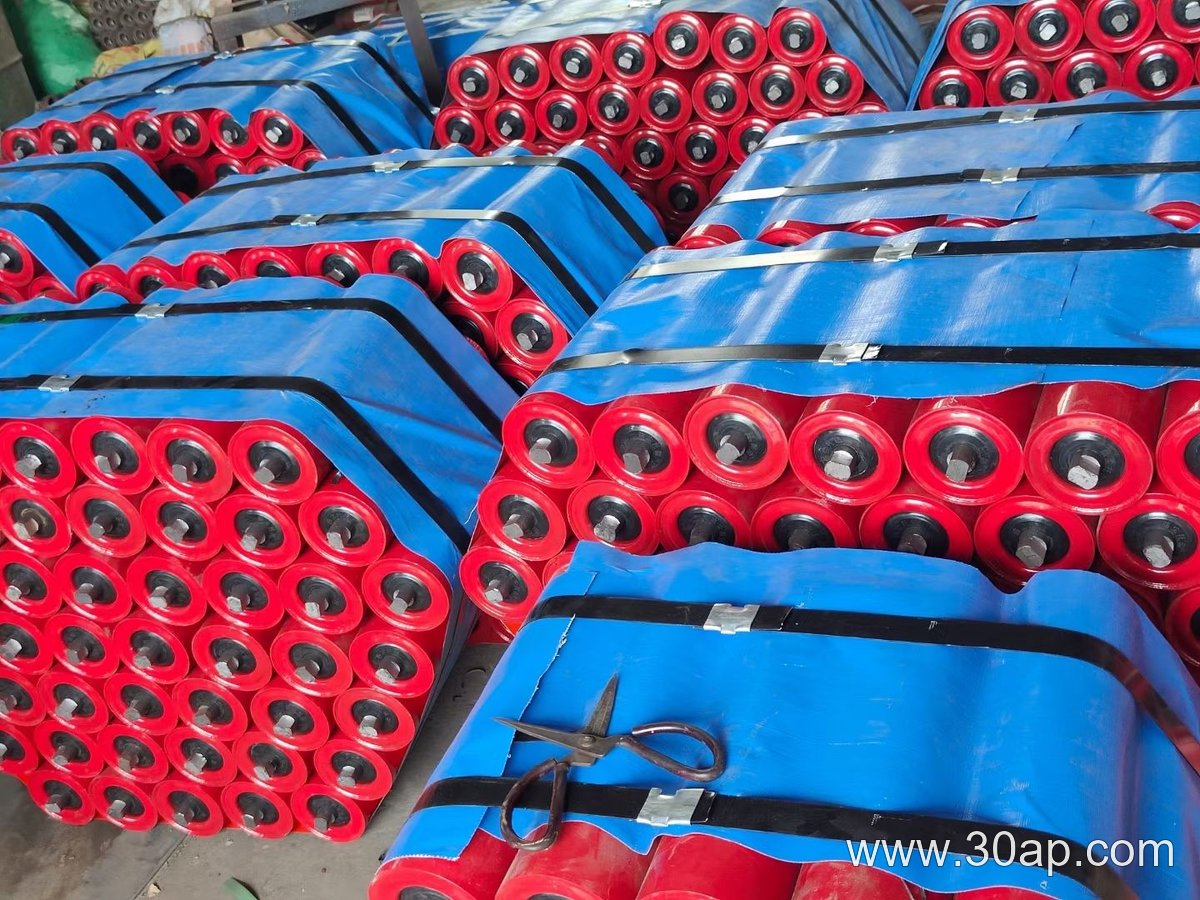
Welded steel rollers are generally less expensive than seamless tubes, but welds can affect balance. Precision machining, dynamic balancing, and specialized coatings add cost. Automated production lowers unit cost at high volumes, while small batches carry higher per-unit overhead.
Freight and Logistics
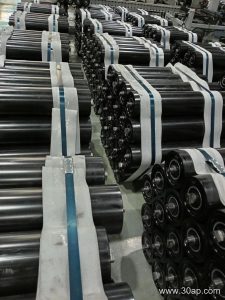
Idler rollers are bulky and heavy. Freight cost depends on weight, volume, distance, and packaging. Shipping air instead of product increases cost. Consolidating orders or choosing a diameter that nests efficiently can reduce freight per unit.
In summary, compare quotes by breaking down material, dimensions, manufacturing, and freight. A lower unit price may not be lower total cost if freight or replacement frequency is higher. Always request a detailed cost breakdown from suppliers.
What Do the Numbers on a Conveyor Pulley Datasheet Actually Mean?
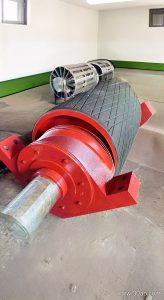
They describe geometry, load capacity, and environment—not a single rating. For a wet outdoor conveyor, start with diameter, face width, shaft size, lagging, and bearing type.
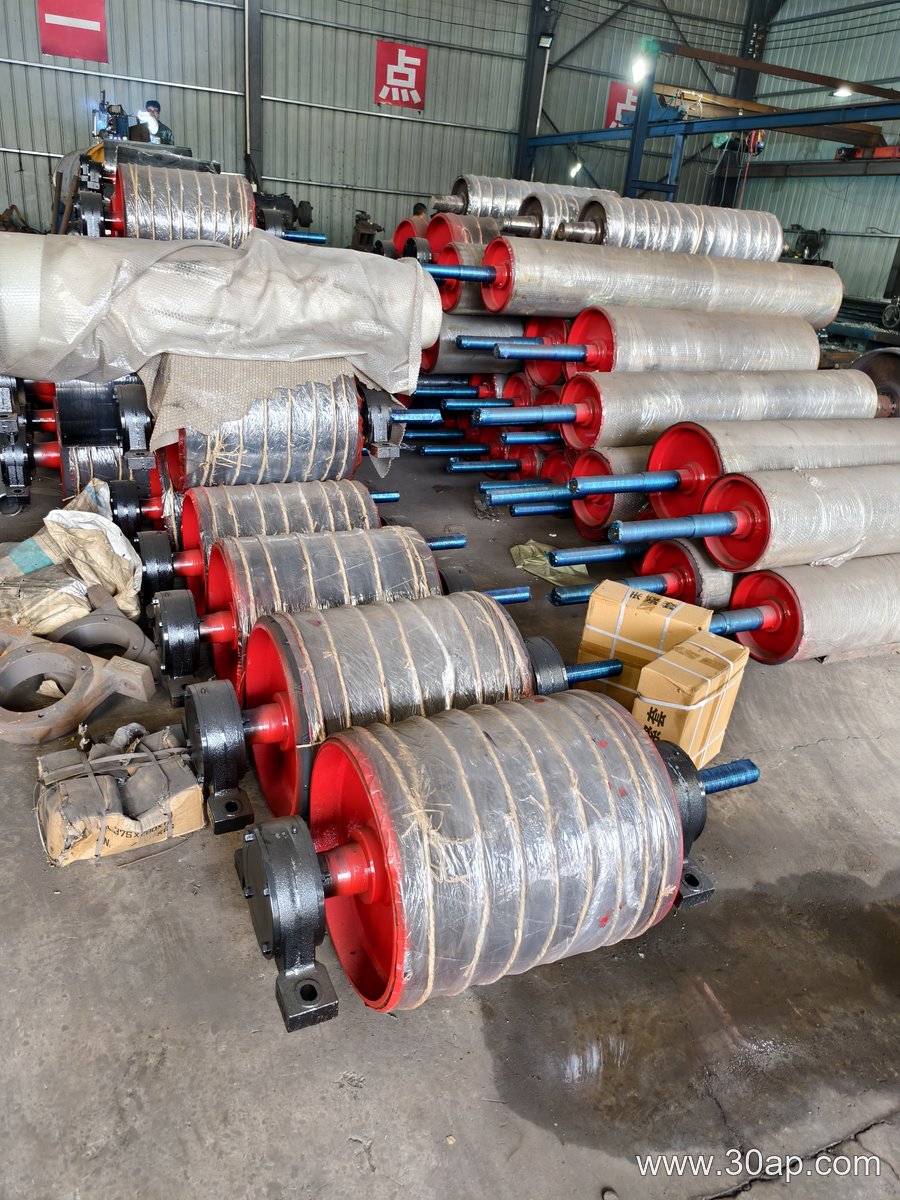
Core Specification Fields and Units
- Diameter: mm or inch; affects belt fatigue and torque.
- Face width: mm; must match belt width plus margin.
- Shaft diameter: mm; check keyway and bearing bore.
- Lagging: plain, rubber, ceramic; thickness in mm.
- Bearing: housed unit; note sealing class for rain and grit.
Read each field against the duty, not in isolation. If a value is missing, request it rather than assume. Hypothetical example: a 1600mm diameter conveyor pulley on a wet outdoor conveyor needs lagging grooves that shed water.
Preparing for Conveyor Bracket Installation
Before mounting a conveyor bracket in a mineral-processing plant, verify that the support structure is plumb, level, and free of debris. Check that the bracket’s hole pattern matches the stringer or idler frame. Gather shims, torque wrench, and alignment tools.
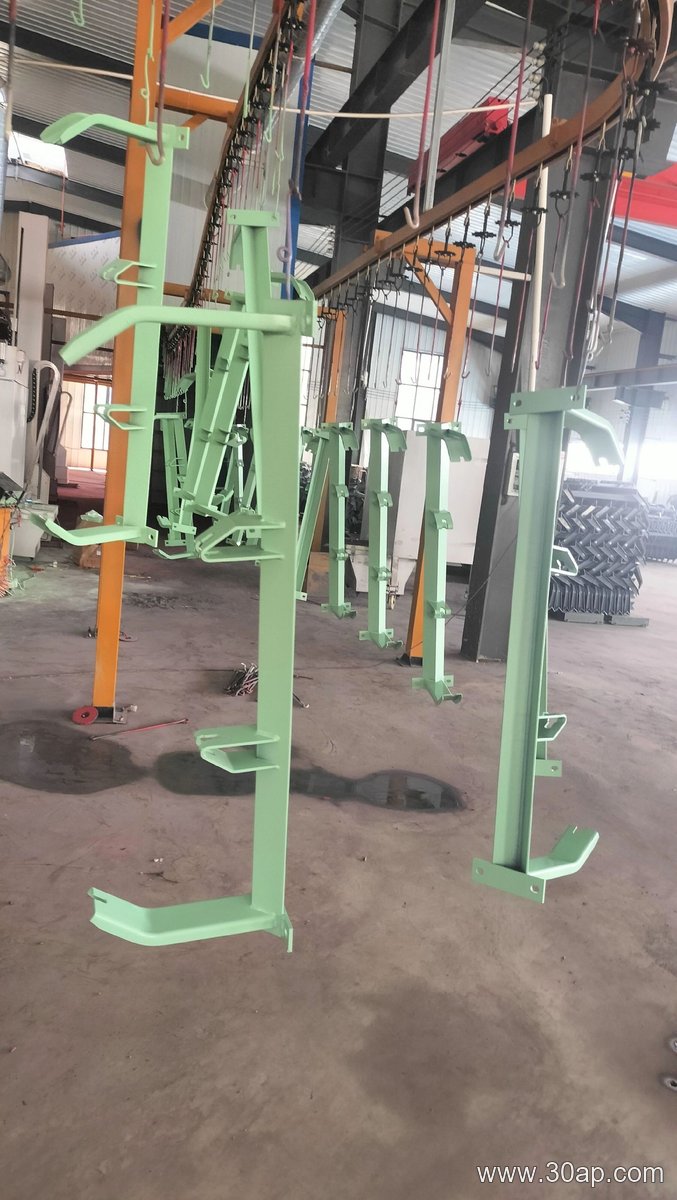
Mounting and Aligning the Conveyor Bracket
Set the conveyor bracket in place and hand-tighten bolts. Use shims to bring the bracket face into the same plane as adjacent units. Align the bracket so the idler or roller sits perpendicular to the belt centerline. Tighten bolts to the specified torque.
Commissioning Checks for Conveyor Brackets
- Confirm all fasteners are torqued and locked.
- Run the conveyor empty and watch for belt drift or bracket vibration.
- Check that the bracket does not interfere with moving parts.
- After one hour, re-torque bolts and verify alignment.
Why Conveyor Belt Standards and Grades Matter in Mineral Processing
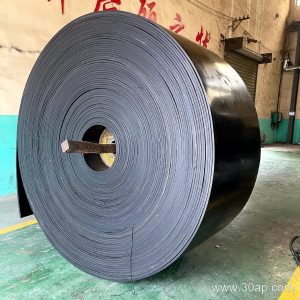
A conveyor belt in a mineral-processing plant faces abrasive ore, impact at transfer points, and dust. Standards and grades give buyers and engineers a shared language for describing construction, cover performance, and test methods.
What Standards Usually Cover
International and regional standards typically address dimensions, tensile strength of the carcass, cover thickness, adhesion, and test methods. They define how properties are measured rather than certifying a specific belt. A supplier may state compliance, but the plant should verify test reports.
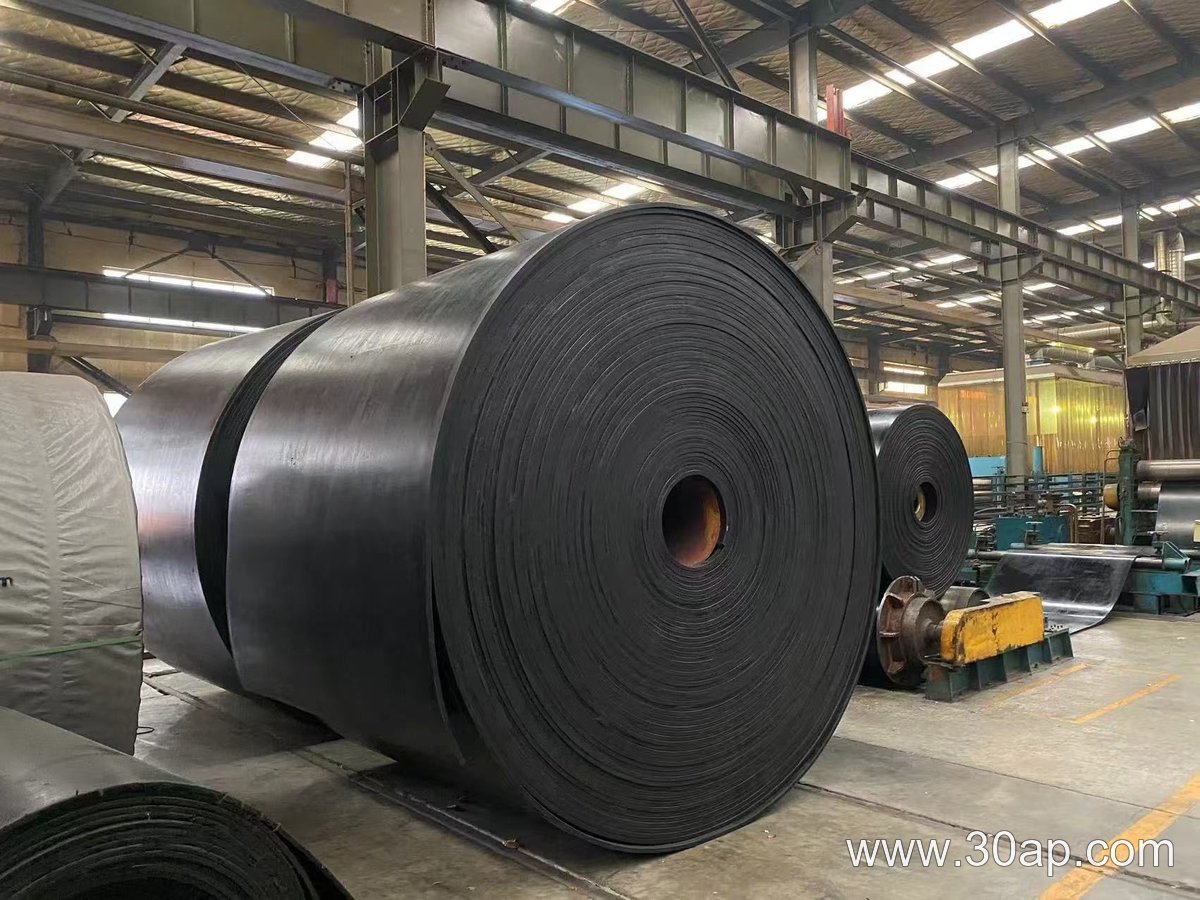
Common Grade Families
- Abrasion-resistant covers for ore and aggregate.
- Impact-resistant covers for large lump sizes.
- Heat-resistant grades for hot clinker or sinter.
- Oil-resistant grades where lubricants or oils are present.
Select a grade by the dominant wear mechanism, then confirm the carcass rating matches the duty. Standards help compare offers, but the duty in the plant remains the final test.