What a Conveyor Idler Frame Does
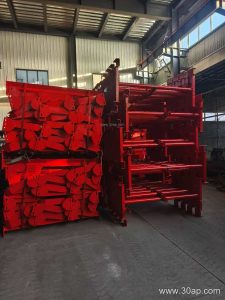
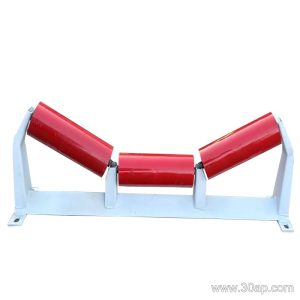
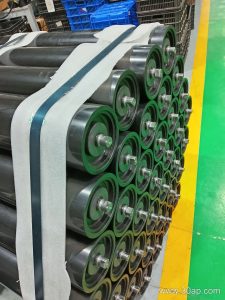
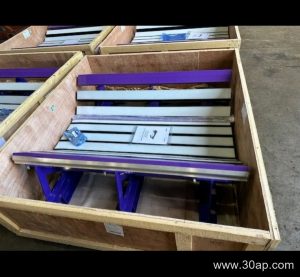
A conveyor idler frame is the structural support that holds idler rollers in position along a belt conveyor. It keeps the conveyor belt at the correct profile, transfers the load of the belt and material to the conveyor structure, and helps maintain proper belt tracking. In a typical bulk handling line, these frames are mounted at regular intervals on the stringers or trestles, and they work together with the conveyor belt, idler roller, conveyor pulley, and conveyor bracket to keep material moving efficiently.
Although often overlooked, the conveyor idler frame directly affects belt life, energy consumption, and maintenance frequency. A well-matched frame keeps rollers aligned, reduces belt edge damage, and supports smooth operation from the load zone to the discharge point.
Construction and Materials
Most frames are fabricated from angle steel, channel steel, or bent steel plate. The choice of material and thickness depends on the load, belt width, and environmental conditions. In dusty or corrosive settings such as a coal preparation plant or a limestone quarry, galvanized or painted finishes are common to extend service life.
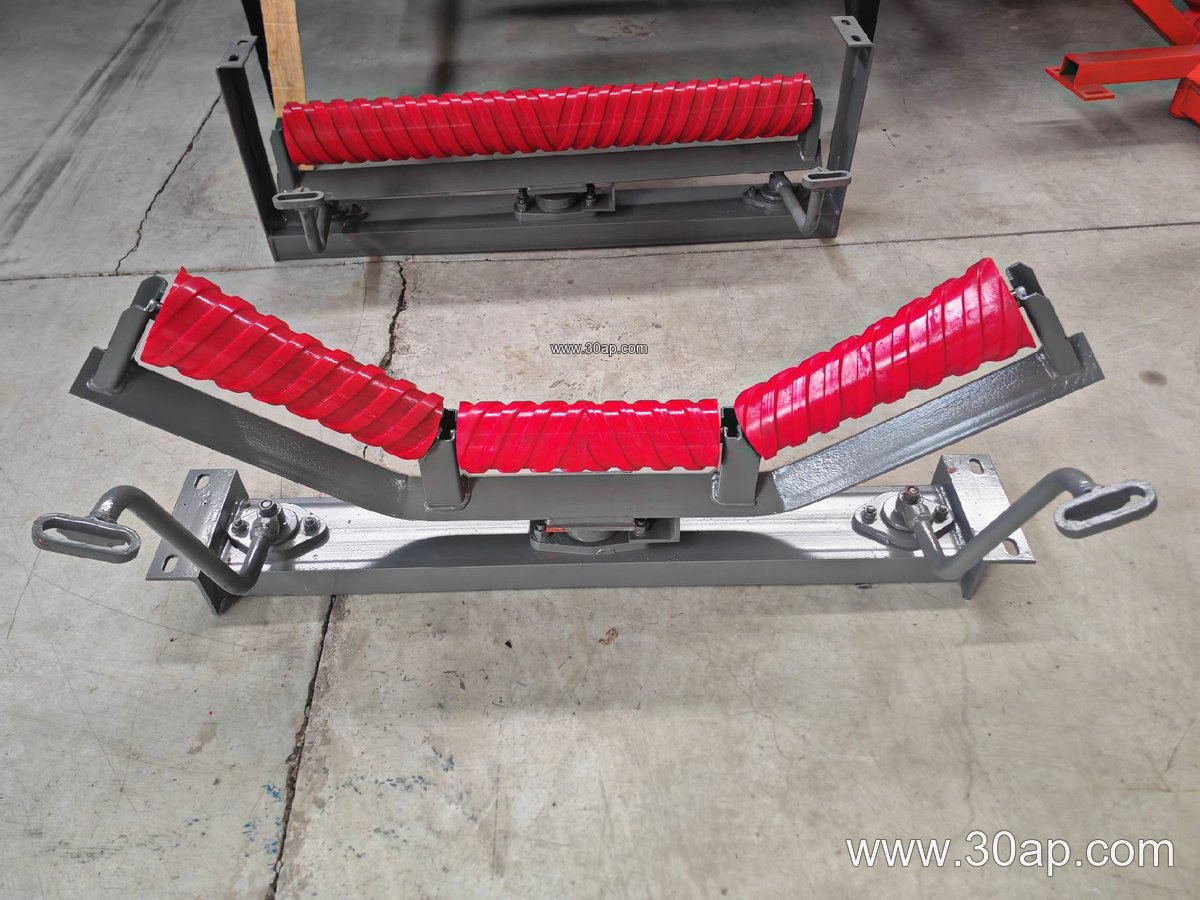
The frame geometry is designed to match the idler roller diameter and the required trough angle. Installation hole spacing and crossbeam length are determined by the belt width, trough angle, and roller type, so they are not fixed numbers. A frame that fits a B800 belt with a 35-degree trough will not fit a B1200 belt without redesign.
Common Types and Their Roles
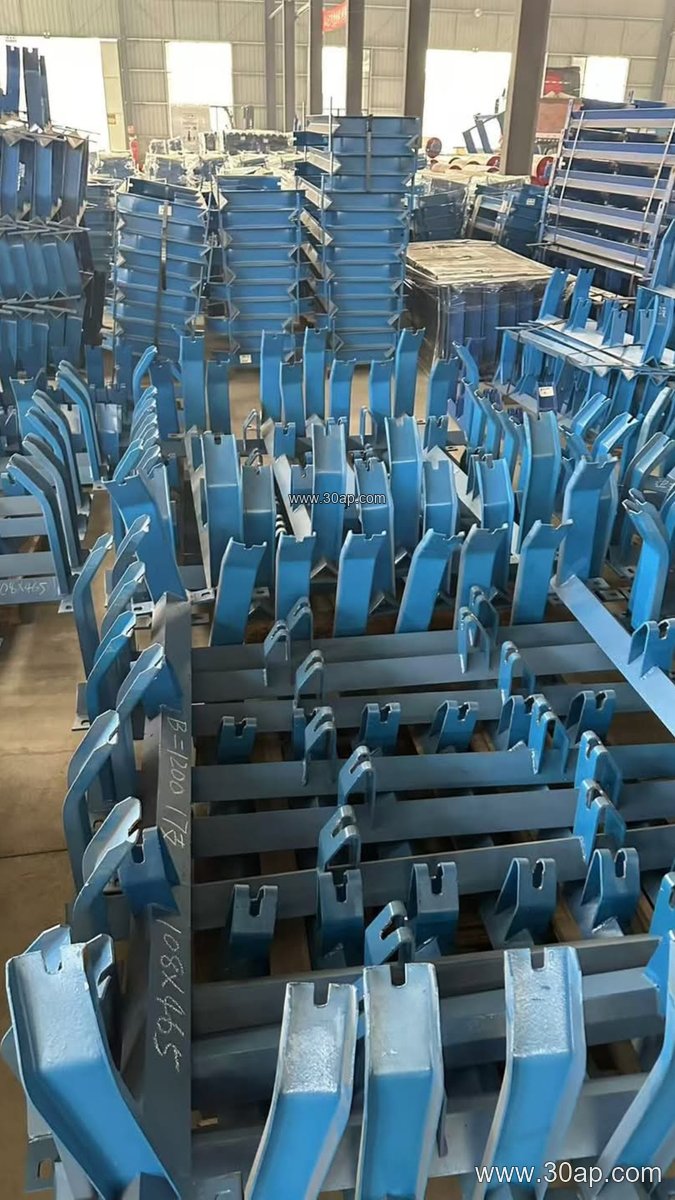
Different positions on the conveyor call for different frame designs. The table below lists typical configurations found in aggregate, cement, and power plant applications.
| Type | Typical Function | Common Belt Width Range | Typical Trough Angle | Common Roller Diameter |
|---|---|---|---|---|
| Troughing idler frame | Supports the carrying side of the belt | B500 to B2200 | 20°, 30°, 35°, 45° | Ø89 to Ø194 |
| Impact idler frame | Absorbs shock at loading points | B650 to B1800 | 30°, 35°, 45° | Ø108 to Ø159 |
| Return frame (flat or V-type) | Supports the return belt | B500 to B2000 | Not applicable | Ø89 to Ø159 |
| Self-aligning frame | Corrects belt misalignment | B650 to B1600 | 20°, 30°, 35° | Ø89 to Ø133 |
| Transition frame | Gradual change from trough to flat at pulleys | B800 to B1800 | 20° to 35° | Ø108 to Ø159 |
Adjustable frames allow the trough angle to be changed within a range, which is useful when the same conveyor structure handles different materials or belt loads. Fixed frames are simpler and more rigid but offer no angle adjustment. Forward-leaning frames, often set at about 1.5 to 2 degrees, help with belt training in specific sections.
Where These Frames Are Used
Conveyor idler frames appear wherever bulk material moves on a belt. In a sand and gravel line, troughing frames support the load from the crusher to the screen. In a cement plant, they carry clinker and raw meal across long distances. Coal-fired power plants rely on them in coal handling systems, while port terminals use heavy-duty frames for ship loading and unloading. Other common settings include iron ore mines, steel mills, fertilizer plants, and grain silos.
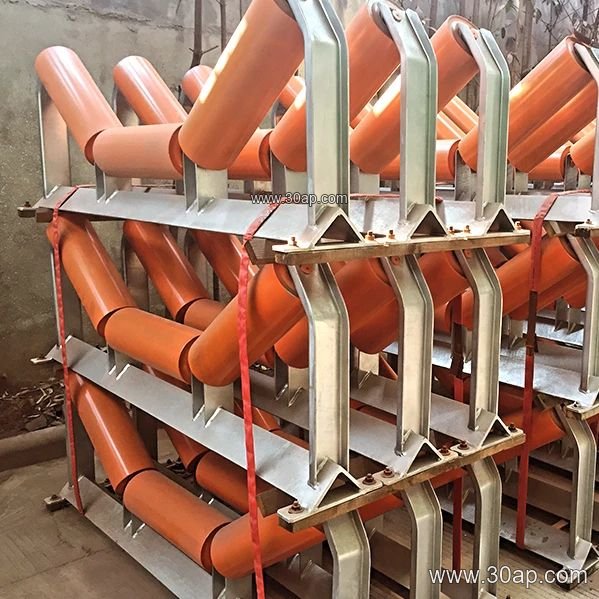
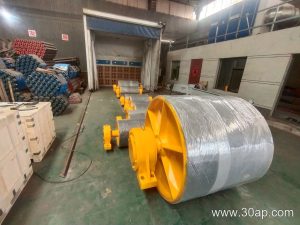
In each case, the frame must match the conveyor pulley arrangement and the belt path. Drive pulleys, tail pulleys, and bend pulleys each serve different functions and are not interchangeable, so frame placement near these components must be planned carefully.
Selection and Maintenance Tips
Buyers should consider belt width, roller diameter, trough angle, and the load profile when choosing a conveyor idler frame. A frame that is too light for the application may deflect under load, causing premature roller failure and belt mistracking. Conversely, an oversized frame adds unnecessary weight and cost.
- Check that the frame’s installation hole spacing matches the roller shaft and the conveyor stringer.
- Confirm the trough angle suits the material’s angle of repose and the belt’s flexibility.
- Inspect frames for wear, corrosion, and loose fasteners during routine maintenance.
- Replace bent or cracked frames promptly to avoid damage to the conveyor belt and rollers.
When specifying a frame, provide the belt width, required trough angle, roller diameter, and mounting dimensions. A common example is a B800, 35-degree troughing frame with Ø108 rollers, but many other combinations are available. The right choice depends on the conveyor design, not on a single standard size.