What a 1250mm Drive Pulley Does
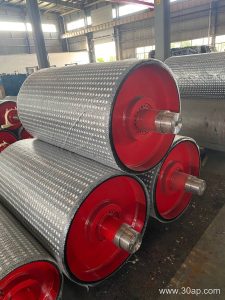
A 1250mm drive pulley is the powered drum at the head of a belt conveyor, and its job is simple to state but demanding to execute: it must grip the conveyor belt firmly enough to move the load without slipping, while transferring torque from the gearbox into the belt over a long service life. In a coal preparation plant, a limestone quarry, or a power station coal yard, the head pulley is the point where the belt turns around and discharges its burden, so it takes the highest tension and the most concentrated wear of any conveyor pulley on the line.
The same component is often called a head pulley or a motorized head drum. Those are accurate equivalents for the powered drum at the discharge end. It should not be confused with a tail pulley, which turns freely at the loading end, or a bend pulley, which only redirects the belt. Those are separate subtypes with separate duties, and they are not interchangeable with the driving drum.
Construction and Key Dimensions
The drum body is normally a rolled steel shell welded to two end discs, with a shaft running through the centre and hubs keyed or shrunk onto the shaft. Larger units are built with a machined face and a slight crown so the belt self-centres. The 1250 mm in the product name refers to the pulley diameter, which is a major factor in belt bending stress, contact arc, and the wrap that can be achieved with the drive arrangement.
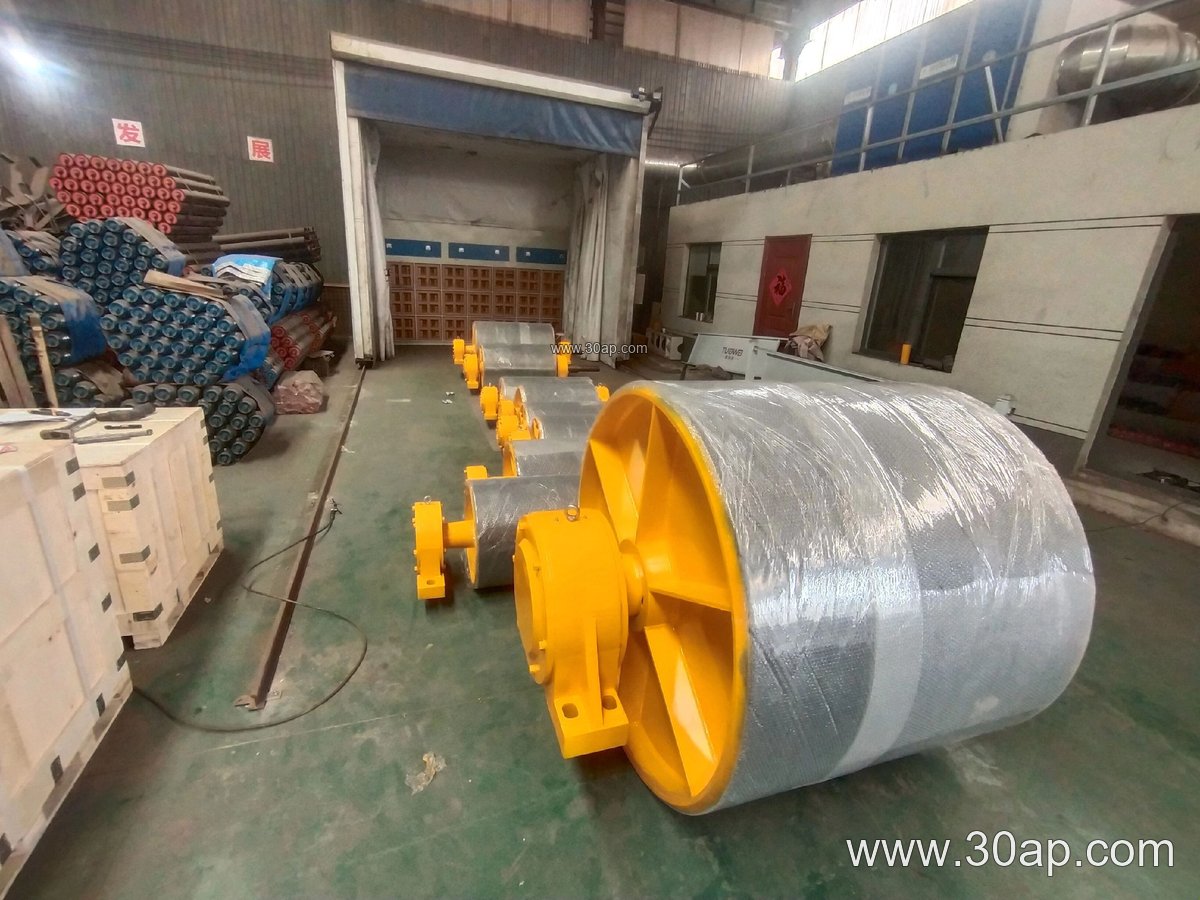
Face width is chosen to match the belt, and it is always greater than the belt width. Typical reference figures are shown below; final values are confirmed by design.
| Belt width | Typical pulley face width |
|---|---|
| B1000 | about 1150 mm |
| B1200 | about 1400 mm |
| B1400 | about 1600 mm |
| B1600 | about 1800 mm |
| B1800 | about 2000 mm |
| B2000 | about 2200 mm |
A belt width does not dictate a single pulley diameter. A B1200 conveyor might use Ø1000 or Ø1250 depending on belt tension, speed, and the load profile, and the pairing should always come from the conveyor design rather than a rule of thumb. Shaft diameter is likewise determined by torque and bending load, not by belt width alone; common shaft sizes range from Ø100 to Ø200 on heavier drives, but the correct value comes from the drive calculation.
Surface Options and Grip
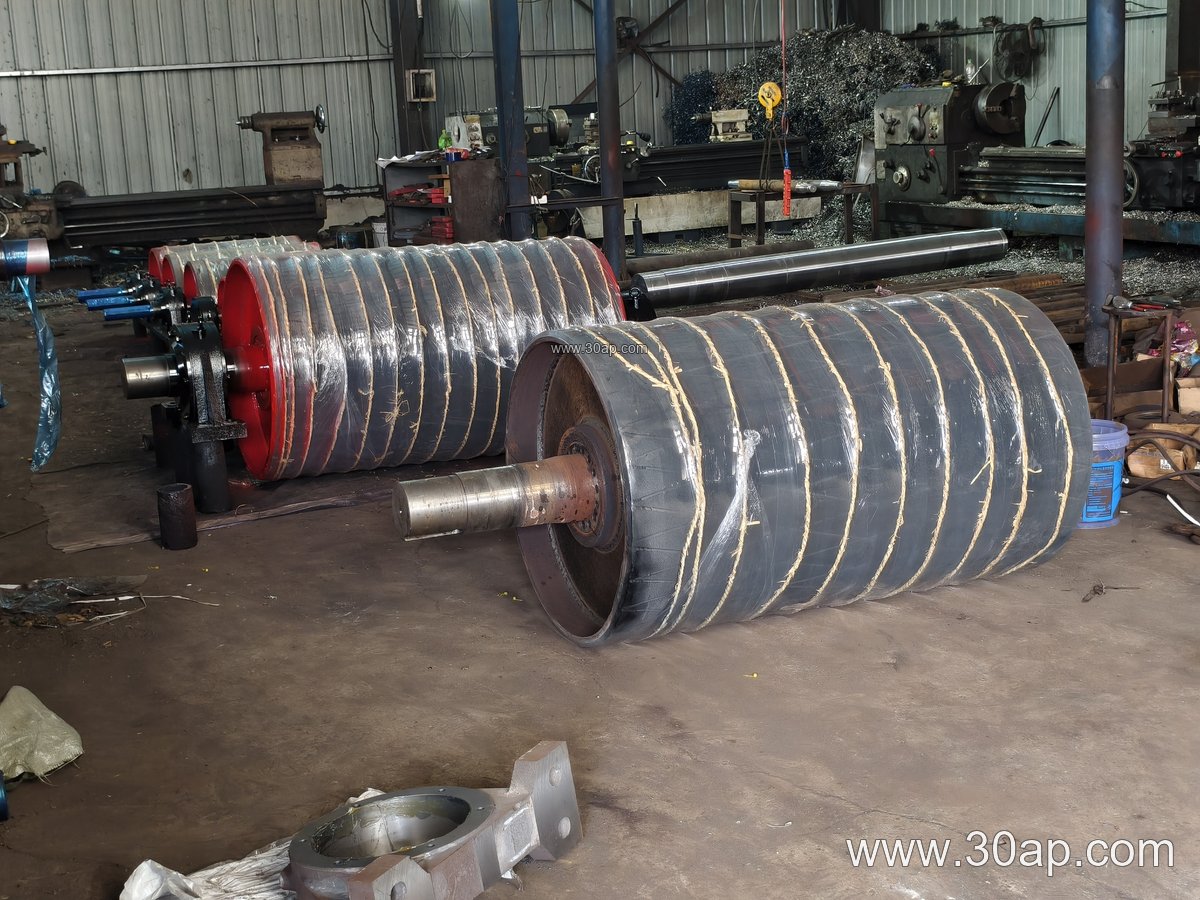
Lagging is what turns a smooth steel drum into a reliable drive pulley. Plain ground surfaces are used where grip is adequate, while rubber lagging is standard for wet or dusty duty. Available forms include cast rubber, cold-bonded rubber, hot-vulcanised rubber, diamond pattern, herringbone pattern, and ceramic lagging. Lagging thickness is commonly 8, 10, 12, 15, or 20 mm. In a sand and gravel line with water spray, diamond or herringbone lagging helps shed material and maintain friction; ceramic lagging is often chosen where abrasive fines and high slip risk coexist.
Where It Fits in the Plant
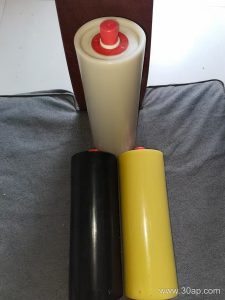
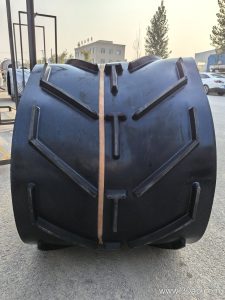
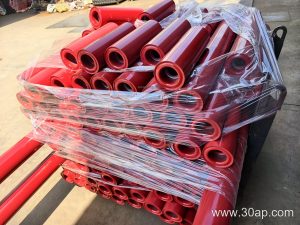
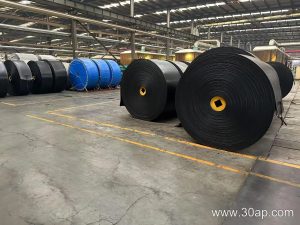
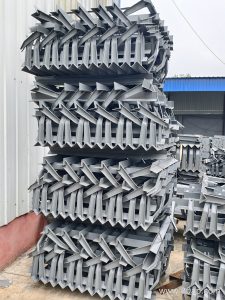
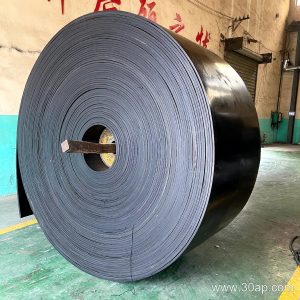
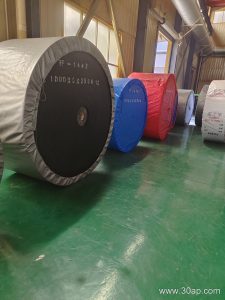
This drive size suits medium to heavy duty circuits. In an iron ore crushing and screening section it may sit at the discharge of a primary belt; in a cement plant it can drive clinker or raw meal transport; in a tunnel muck line it handles the final lift out of the heading. The pulley works together with the conveyor belt, the conveyor pulley set on the return run, idler roller assemblies along the carrying side, and the conveyor bracket that anchors the bearing housings. Getting the bracket alignment right matters as much as the drum itself, because a misaligned head pulley will track poorly no matter how well it is lagged.
Buyer Checklist
- Confirm the belt width, pulley diameter, face width, and shaft size as one package from the conveyor design.
- State the duty: wet, abrasive, high-tension, or reversing. This drives the lagging choice.
- Ask how the lagging is applied, since bonded and vulcanised surfaces behave differently in service.
- Check bearing type, housing style, and whether the pulley is supplied with a shaft lock or keyway detail.
- Plan lifting and access space, as a 1250mm drive pulley is a substantial component to install and maintain.
Treat catalogue figures as reference data. The final 1250mm drive pulley specification should be confirmed against the actual conveyor tension, speed, and material conditions before ordering.