Idler Roller Selection and Purchasing Guide
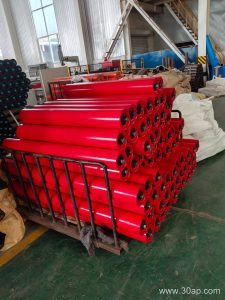
An idler roller supports the belt and reduces friction in conveyor systems. Choosing the right one improves efficiency and service life.

Key Selection Factors
- Load capacity and belt width
- Roller diameter, wall thickness, and shaft type
- Bearing seal for dust, water, or heat
- Material: steel, stainless, or polymer
Purchasing Advice
Match the roller to your operating environment, verify dimensional standards, and compare total cost, not just unit price. Request load and speed ratings before ordering.
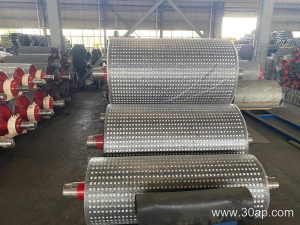
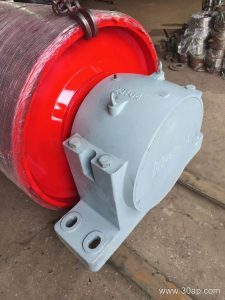
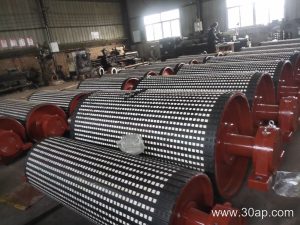
Conveyor Pulley: Core of Belt Conveyor Systems
A conveyor pulley drives or redirects the belt, so correct selection protects uptime and reduces cost.
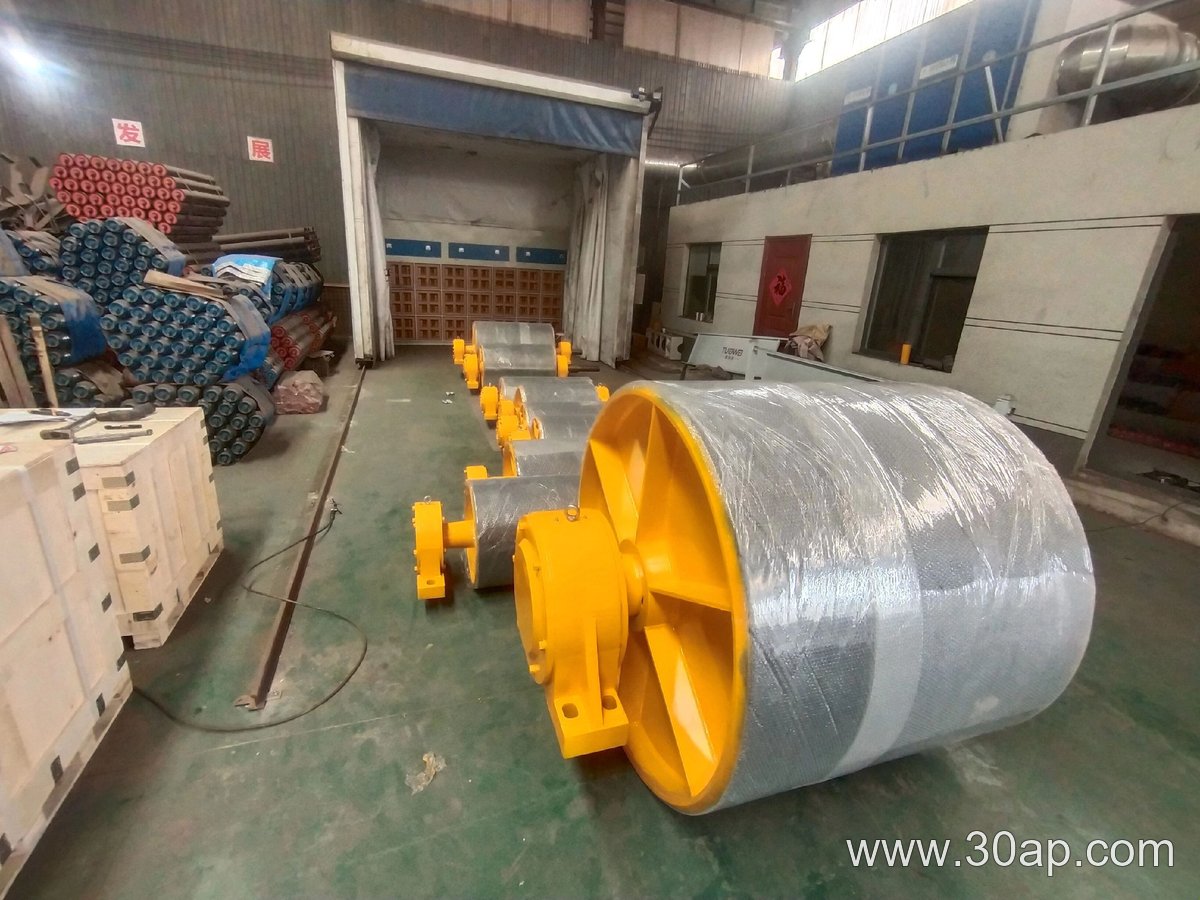
Key Selection Factors
- Belt tension and load capacity
- Pulley diameter and face width
- Lagging type for grip
- Shaft and bearing fit
Purchasing Advice
Confirm duty cycle, compare weld quality, and request balance and runout reports before ordering.
Conveyor Bracket Essentials
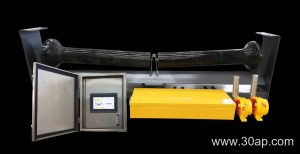
A conveyor bracket supports rollers, idlers, and frames, ensuring alignment and load stability. Choose mild steel or stainless based on environment.
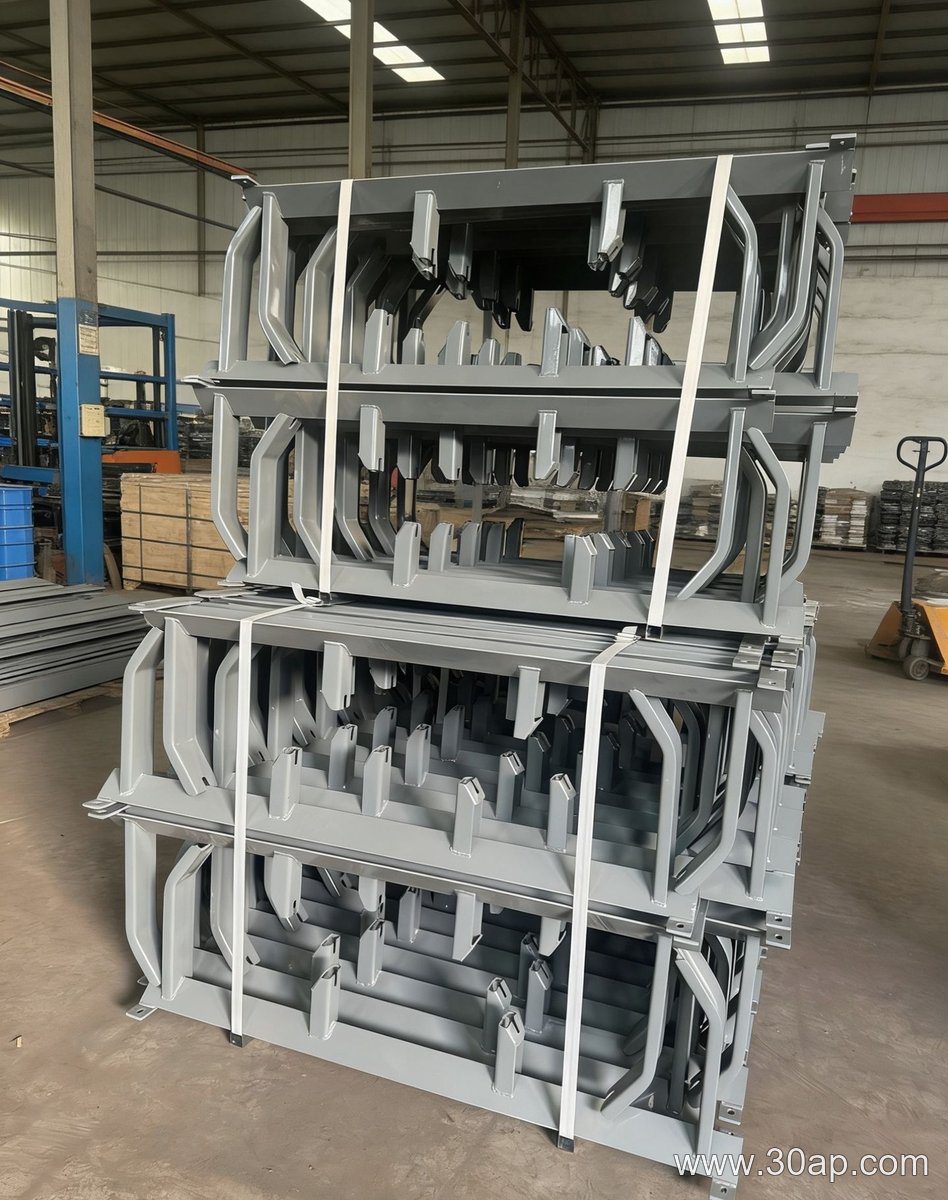
Selection Advice
- Match bracket load rating to belt capacity.
- Verify hole spacing and mounting style.
- Use corrosion-resistant coatings for washdown areas.
Purchasing Tips
Buy from suppliers offering dimensional drawings and material certs. Standardize sizes to cut spares cost.
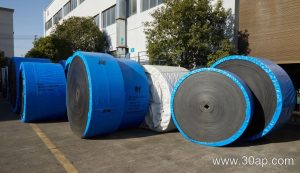
Key Factors in Conveyor Belt Selection
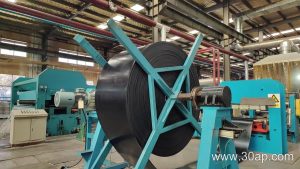
Choose a conveyor belt based on load, speed, and environment. For abrasive materials, opt for thicker covers. In food processing, select FDA-approved, easy-clean belts. Consider tension and pulley diameter to avoid premature wear.

Purchasing Advice
- Verify belt specification: width, length, ply, and cover grade.
- Request samples and test under real conditions.
- Check supplier lead times and warranty.
- Compare total cost of ownership, not just price.
Proper installation and maintenance extend belt life. Align pulleys, control tension, and schedule regular inspections.