What a Galvanized Conveyor Bracket Does
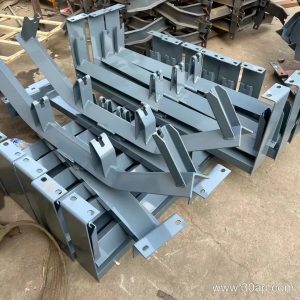
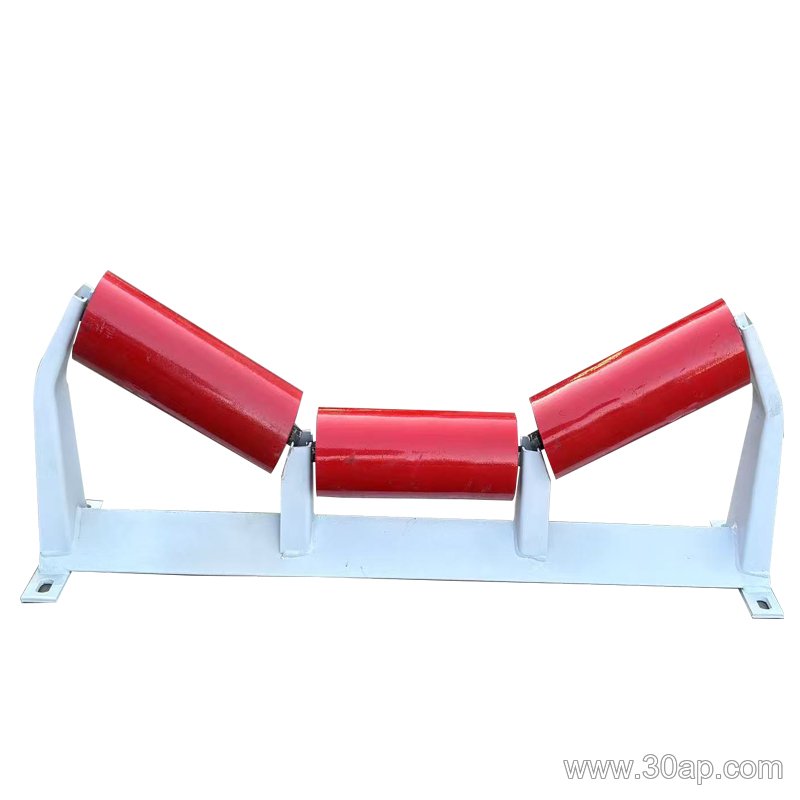
A galvanized conveyor bracket is the structural support that holds idler rollers in place along a belt conveyor. It connects the roller frame to the main conveyor stringers, keeping the belt at the correct trough angle and alignment. In dusty, humid, or washdown-heavy environments such as coal preparation plants, cement terminals, and stone crushing lines, the zinc coating on these brackets resists corrosion far better than untreated mild steel. The same component is also known as a hot-dip galvanized idler bracket or a zinc-coated roller support, depending on the workshop and region.
How the Bracket Is Built
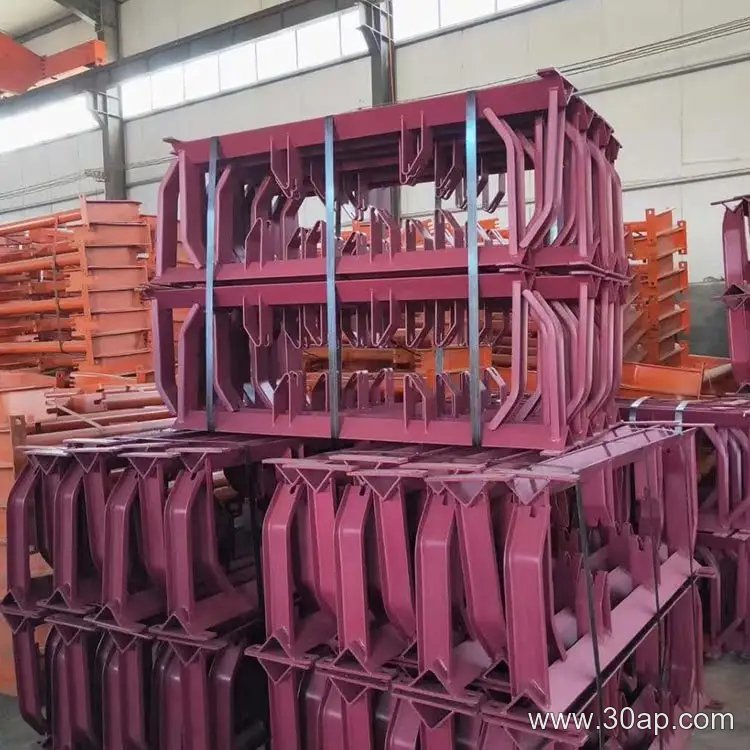
Fabrication usually starts with angle steel, channel steel, or folded steel plate. After cutting, punching, and welding, the assembly is cleaned and then hot-dip galvanized or electro-galvanized. Hot-dip coating generally gives a thicker zinc layer and better outdoor durability, while electro-galvanizing offers a smoother finish for tighter tolerances. The bracket may be fixed or adjustable. Adjustable versions allow the trough angle to be set between common values such as 20, 30, 35, and 45 degrees, which helps when a conveyor handles different materials or needs fine-tuning after installation.
Typical Material and Surface Options
- Base material: angle steel, channel steel, or folded steel plate
- Surface treatment: hot-dip galvanized or electro-galvanized
- Mounting: bolted or welded to the conveyor frame, depending on design
Where It Fits in a Conveyor
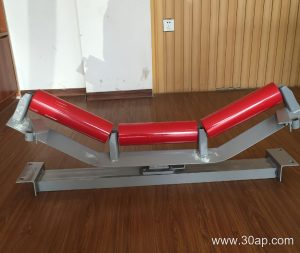
A troughing bracket sits on the carrying side and supports three idler rollers that shape the conveyor belt into a trough. A return bracket holds the lower rollers that support the empty belt on its way back. Transition brackets are placed near the head or tail to guide the belt smoothly from flat to troughed. V-return and flat-return brackets appear where the belt needs less support or where material buildup must be avoided. These positions are not interchangeable with drive pulleys, tail pulleys, or bend pulleys, which transmit power or change belt direction rather than carry the belt.
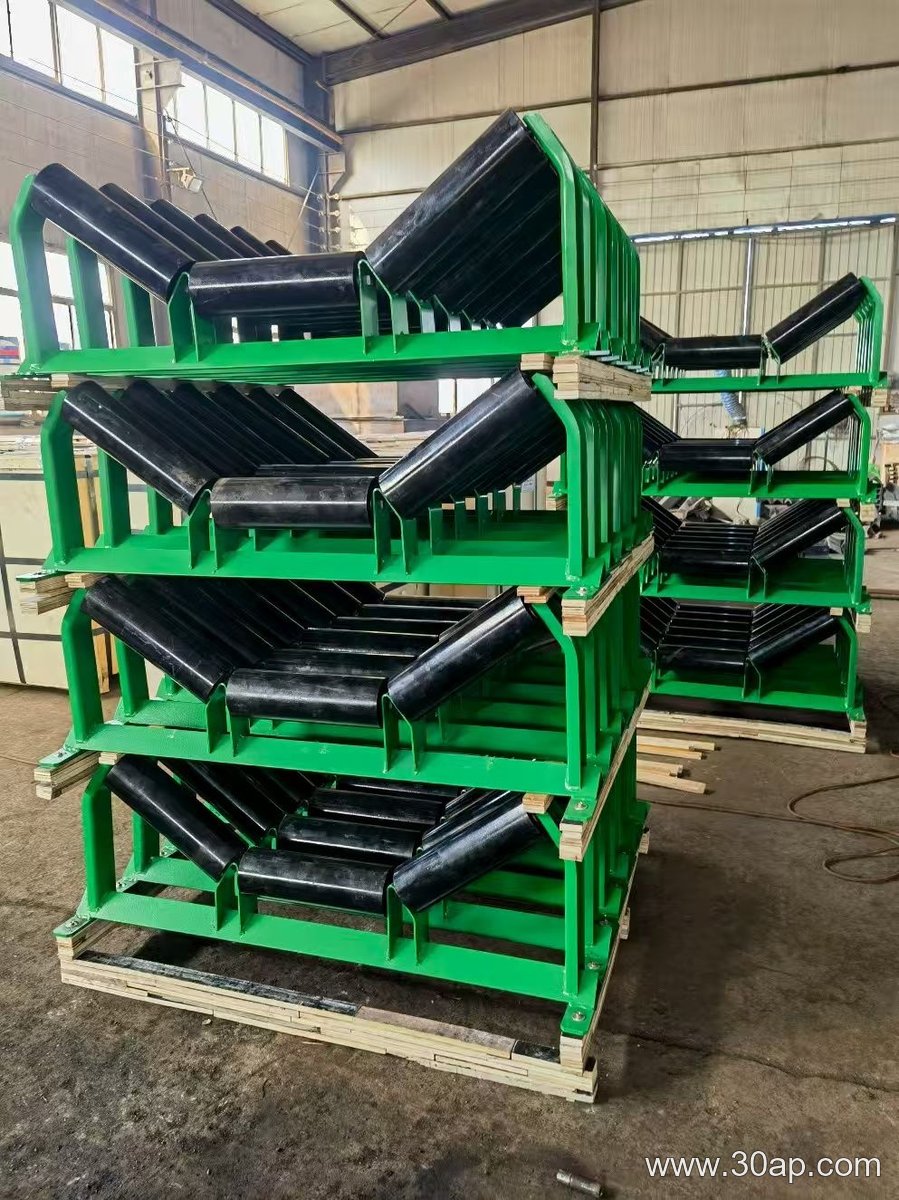
Common industries include coal mines, iron ore concentrators, limestone quarries, power plant coal handling, port bulk terminals, and sand and gravel plants. In each case, the bracket works together with the conveyor belt, idler roller, and conveyor pulley to keep the system tracking correctly.
Matching Bracket to Belt Width and Roller Diameter
Belt width and roller diameter are chosen together, not in a fixed one-to-one relationship. A wider belt generally needs a longer crossbeam and a larger mounting hole spacing, but the same belt width can pair with different roller diameters depending on load, speed, and material. The table below shows common combinations found in catalogues and design drawings; actual selection should follow the conveyor design.
| Belt Width | Typical Trough Angle | Common Roller Diameter |
|---|---|---|
| B500 | 20 degrees | Ø89 |
| B650 | 30 degrees | Ø89 or Ø108 |
| B800 | 35 degrees | Ø108 |
| B1000 | 35 degrees | Ø108 or Ø133 |
| B1200 | 45 degrees | Ø133 |
| B1400 | 45 degrees | Ø133 or Ø159 |
| B1600 | 45 degrees | Ø159 |
| B1800 | 45 degrees | Ø159 or Ø194 |
| B2000 | 45 degrees | Ø194 |
These values are reference data only. Hole spacing and crossbeam length change with belt width and trough angle, so they should be confirmed against the actual conveyor drawing rather than assumed.
What Buyers Should Check
Before ordering a galvanized conveyor bracket, confirm the belt width, trough angle, roller diameter, and mounting hole pattern. Ask whether the bracket is fixed or adjustable, since adjustable models cost more but simplify alignment later. Check the zinc coating thickness if the conveyor runs outdoors or near salt water. Also verify that the bracket is designed for the specific roller type, because a return bracket and a troughing bracket are not interchangeable. Finally, consider the material being conveyed: abrasive stone or wet coal may call for heavier steel and a more robust galvanized finish.
With the right bracket, a conveyor runs straighter, rollers last longer, and maintenance intervals stretch out. For anyone specifying a belt conveyor in a quarry, cement plant, or bulk terminal, the galvanized conveyor bracket is a small but important part of the whole support system.