What an Ø133 Conveyor Idler Set Does
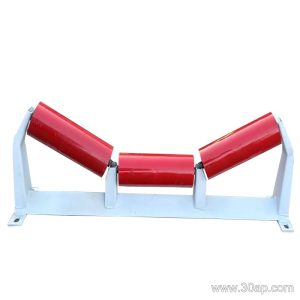
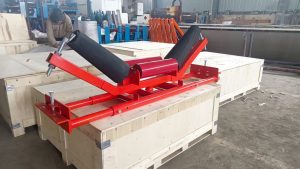
An Ø133 conveyor idler set is a group of rollers built around a 133 mm roll diameter, mounted on a frame to carry the conveyor belt along the load-carrying or return side of a bulk handling conveyor. In a crushing circuit, a coal yard, or a cement plant, these idlers hold the belt in a stable trough, keep material from spilling, and let the belt travel with low rolling resistance. The set is usually supplied as a complete assembly of rollers, shaft, bearings, seals, and mounting brackets, so it can be dropped into a conveyor frame and aligned.
The 133 mm diameter sits in the middle of the common range. It is larger than Ø89 and Ø108 rolls often found on narrow belts, and smaller than Ø159 and Ø178 rolls used on heavy-duty lines. That middle position gives an Ø133 conveyor idler set a useful balance between load capacity and weight, which is why it appears on medium to wide belts in mining, quarrying, and power generation.
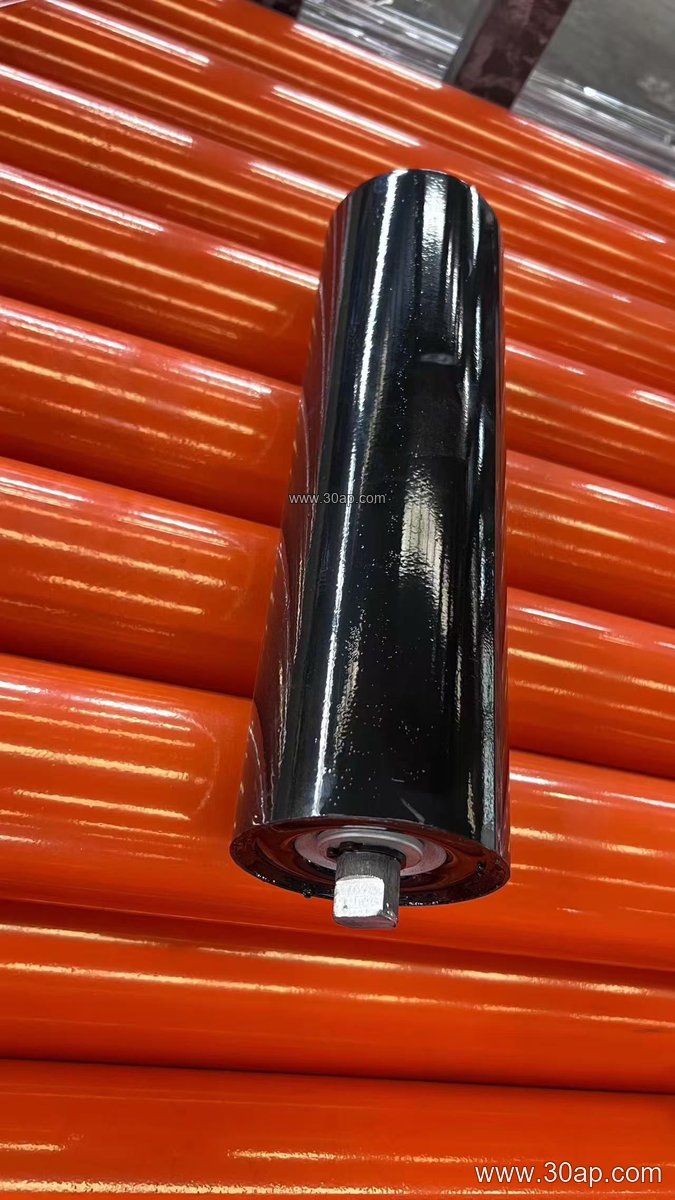
How the Set Is Built
A typical set uses steel tube shells, welded end discs, a through shaft, and deep-groove ball bearings. Common bearing sizes in this class include 6205, 6305, 6306, and 6308, though the final choice depends on load and speed rather than on diameter alone. Seals are important: dust from a limestone mine or grit from a sand and gravel line will destroy an unprotected bearing quickly, so labyrinth seals and grease retention features matter more than a shiny paint finish.
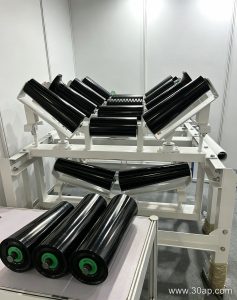
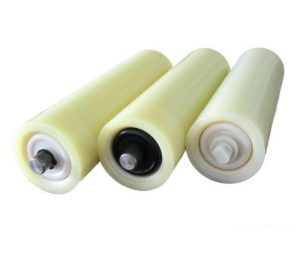
Roll surfaces vary. Plain steel is common for abrasive ore, nylon covers reduce build-up on sticky material, rubber rings absorb impact at transfer points, and ceramic lagging can help in wet or wearing conditions. The set may be a three-roll trough, a two-roll arrangement, or a single roll depending on belt width and trough angle.
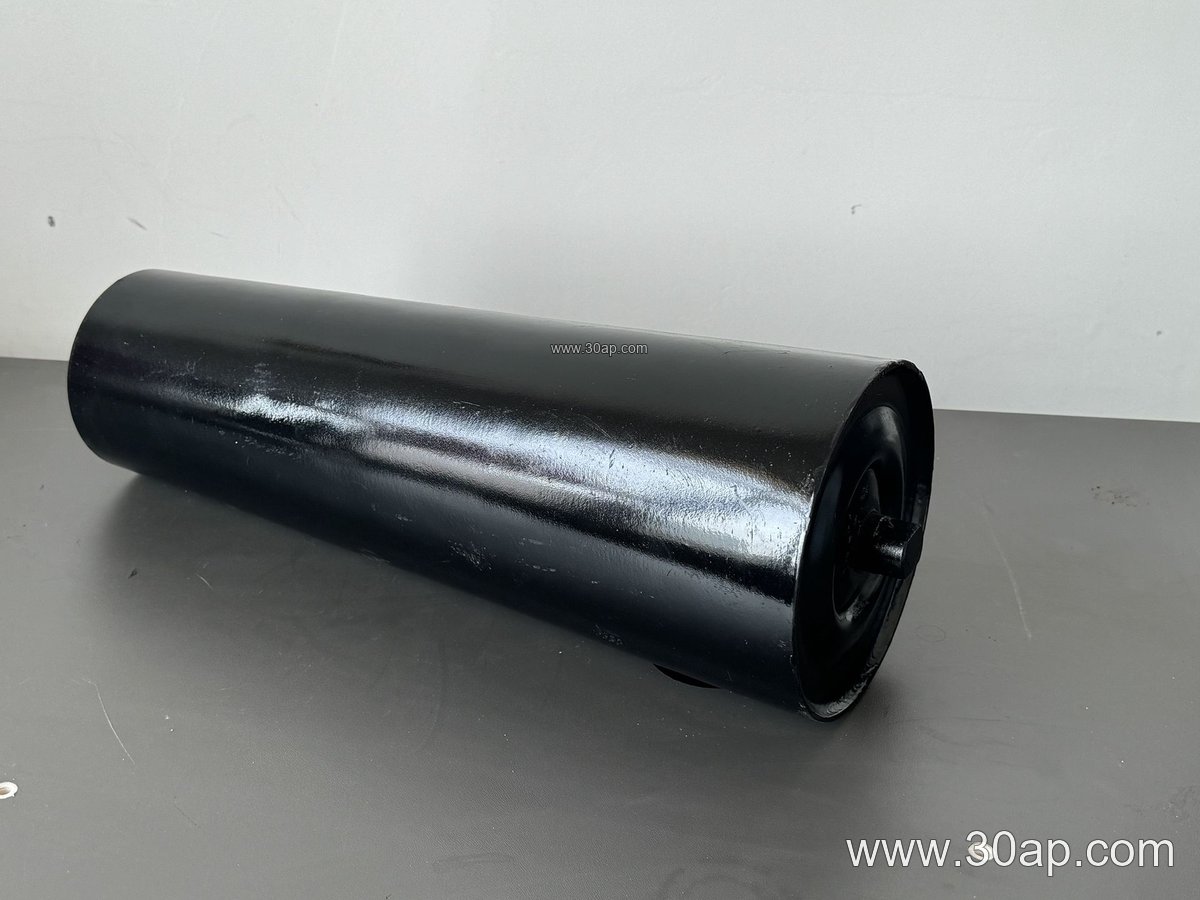
Common Arrangements and Reference Dimensions
The table below shows typical configurations. Values are reference examples, not fixed rules; roller length changes with belt width, trough angle, and roll position, and the center roll often differs from the side rolls.
| Item | Common Options |
|---|---|
| Roll diameter | Ø133 mm |
| Set form | Single roll, two-roll, three-roll trough |
| Trough angle | 20°, 30°, 35°, 45° |
| Belt width | B650, B800, B1000, B1200, B1400, B1600 |
| Roll length, three-roll example | B800 about 315 mm; B1000 about 380 mm; B1200 about 465 mm; B1400 about 530 mm |
| Bearing | 6205, 6305, 6306, 6308 |
| Roll surface | Steel, nylon, rubber ring, ceramic |
A 133 mm roll is often paired with belts in the B800 to B1400 range, but this is a design choice, not a hard limit. A narrow belt can run on larger rolls where impact is severe, and a wide belt may use smaller rolls in a return position where loads are light.
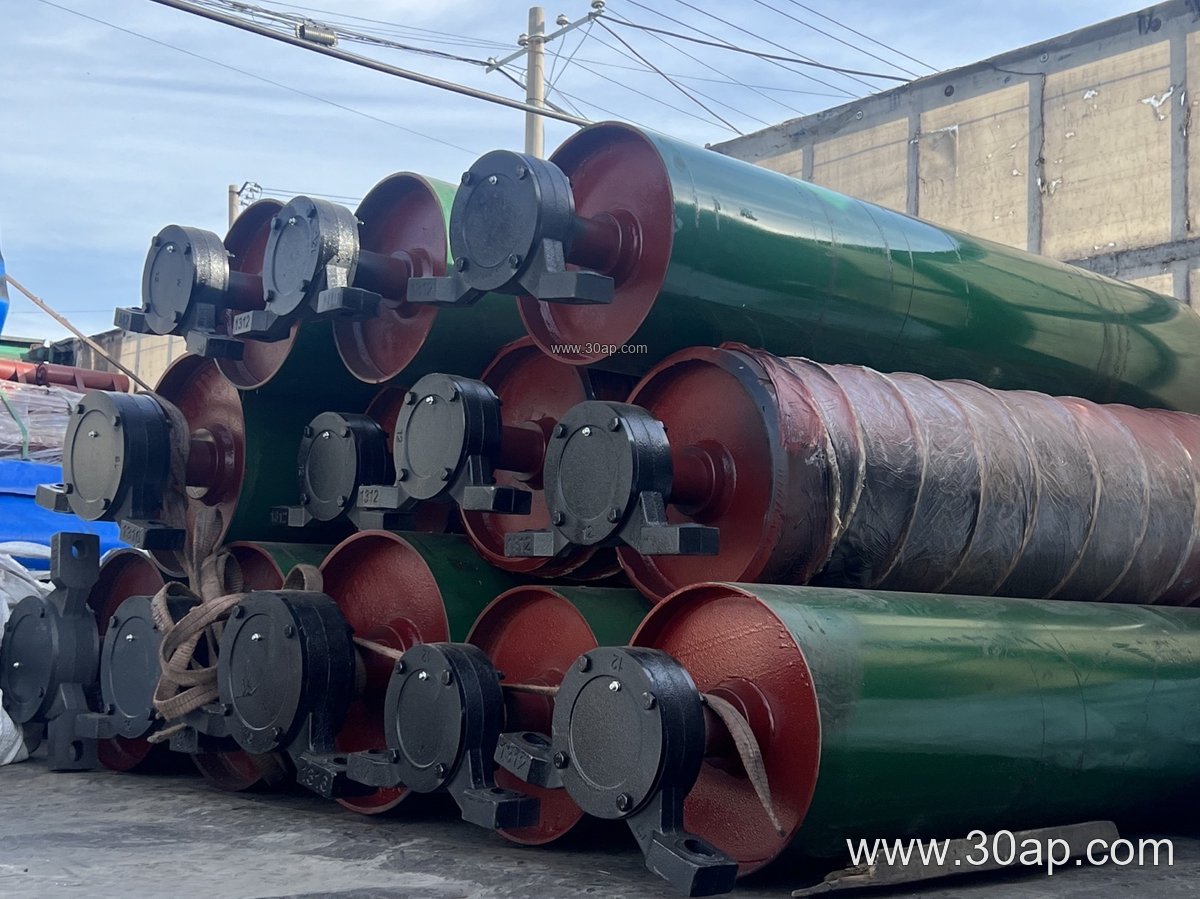
Where It Fits on the Conveyor
On the carrying side, a three-roll Ø133 conveyor idler set forms the trough that shapes the belt and keeps material centered. On the return side, a flat or V-return set supports the empty belt. At a transfer point, a rubber-ring impact set cushions falling rock before the belt reaches the standard troughing idlers. In a coal handling plant, troughing sets are the workhorses along the main run, while a bend pulley or drive pulley changes belt direction; those pulleys are separate components and are not interchangeable with idlers.
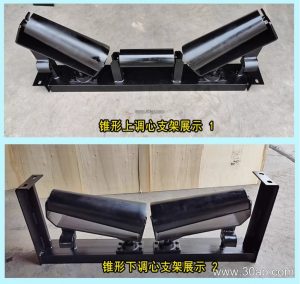
Alignment matters as much as the roll itself. Self-aligning sets with slightly forward-tilted rolls, usually about 1.5° to 2°, help correct minor belt drift, but they do not replace proper pulley alignment and belt training. A conveyor bracket that is bent or a frame that is out of square will cause edge wear no matter how good the rollers are.
Buyer Checklist
- Confirm belt width, trough angle, and whether the set is carrying or return duty.
- Match bearing and seal class to dust, moisture, and temperature at the site.
- Check shaft end fixing and bracket dimensions against the existing frame before ordering.
- Ask for roll length per position, since center and side rolls can differ.
- Plan a spare-roller stock for high-wear points such as transfer chutes and loading zones.
An Ø133 conveyor idler set is a straightforward component, but the details decide service life. Specifying the right roll surface, bearing, and seal for the actual material and environment is more valuable than choosing a roller by diameter alone.