What an NN300 Conveyor Belt Is
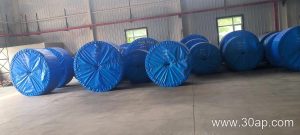
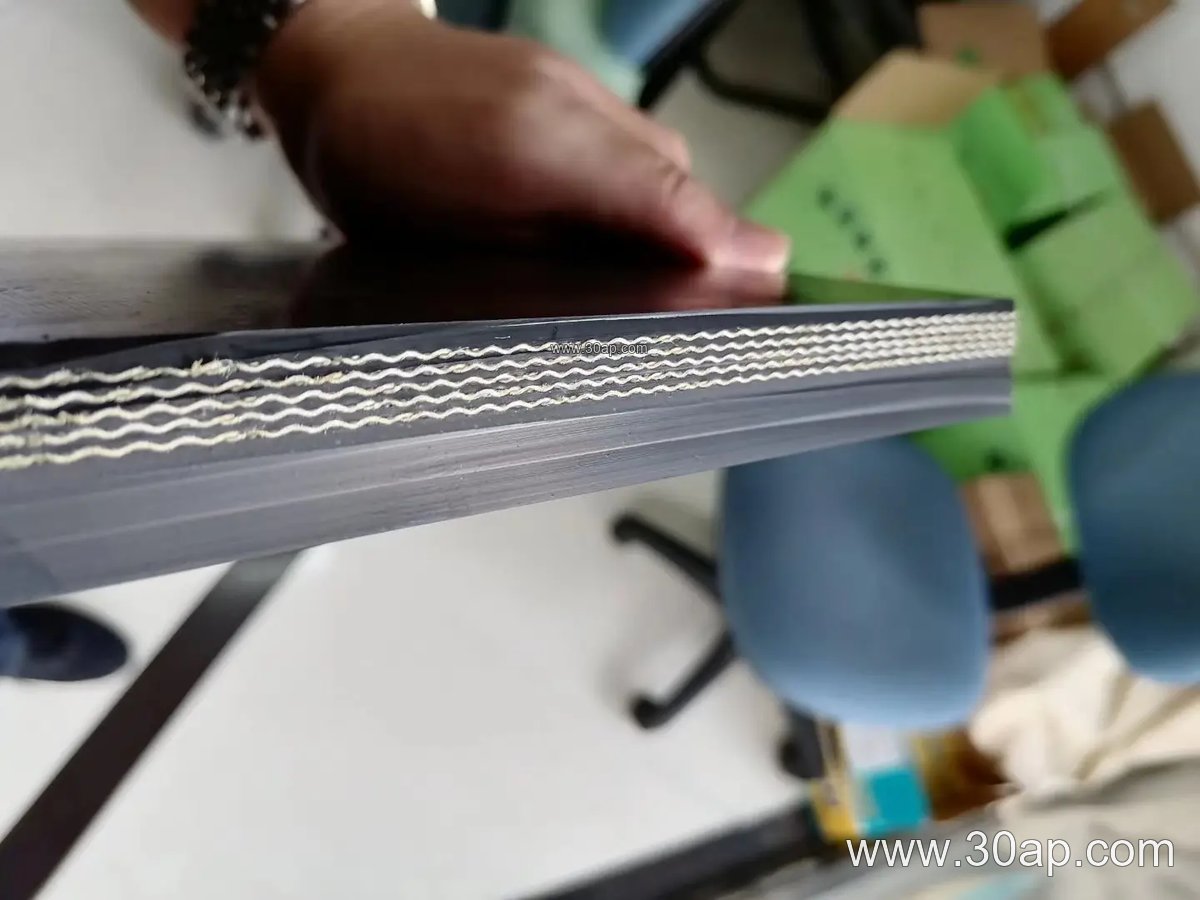
An NN300 conveyor belt is a nylon-nylon carcass belt rated for a breaking strength of 300 N/mm per ply. It belongs to the broader family of NN nylon conveyor belts, which use nylon fabric in both warp and weft directions. The double-nylon construction gives the belt high tensile strength, strong resistance to fatigue, and good flexibility, which makes it a practical choice for medium-duty to heavy-duty conveying in mines, coal preparation plants, cement works, power stations, and sand and gravel yards.
Because the carcass is entirely synthetic, the belt absorbs shock loads well and resists the repeated flexing that occurs as it travels around a drive pulley, tail pulley, and bend pulleys. The NN300 grade is often specified as an accurate equivalent name for this product: a 300-strength nylon-nylon conveyor belt.
Construction and Common Specifications
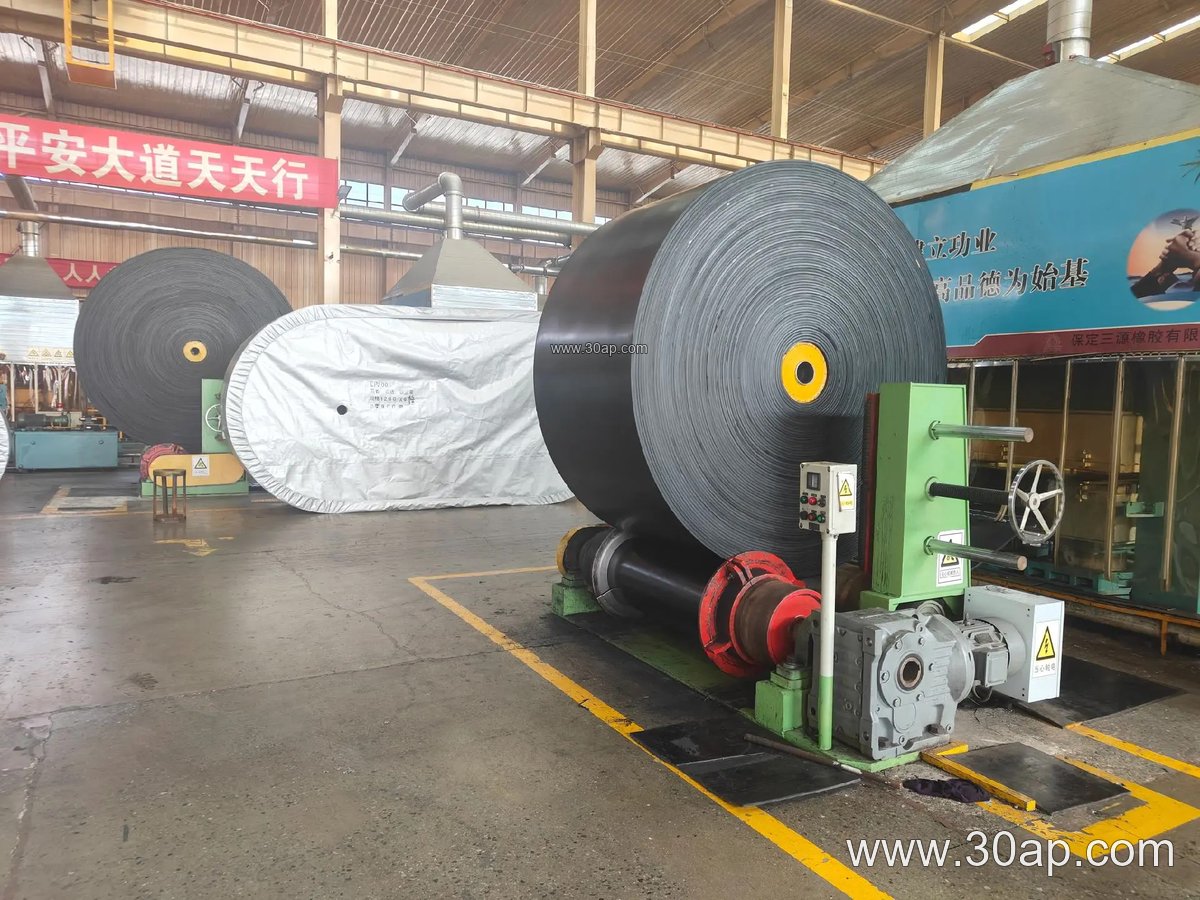
The belt is built from two or more plies of nylon fabric bonded together with rubber, then covered on both faces with rubber compound. Buyers usually specify the number of plies, the cover thickness, and the belt width together, because these factors determine the belt’s load capacity and service life.
| Parameter | Typical Options |
|---|---|
| Strength grade | NN300 (300 N/mm per ply) |
| Number of plies | Usually 2 to 6 |
| Belt width | B500, B650, B800, B1000, B1200, B1400, B1600 |
| Top and bottom cover | 3+1.5 mm, 4+2 mm, 5+2 mm, 6+2 mm, 8+3 mm |
| Cover grades | Wear-resistant, heat-resistant, oil-resistant, flame-retardant, anti-static, cold-resistant, acid and alkali resistant |
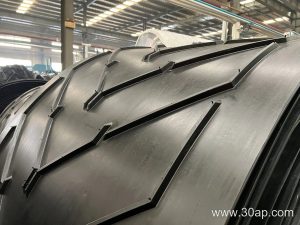
| Surface forms | Smooth, patterned, chevron, corrugated sidewall |
These values are common references, not fixed combinations. A wider belt does not automatically dictate one pulley diameter, and the shaft size is determined by the conveyor design rather than by belt width alone. Final specifications should always be confirmed with the manufacturer against the actual duty.
Where NN300 Belts Are Used
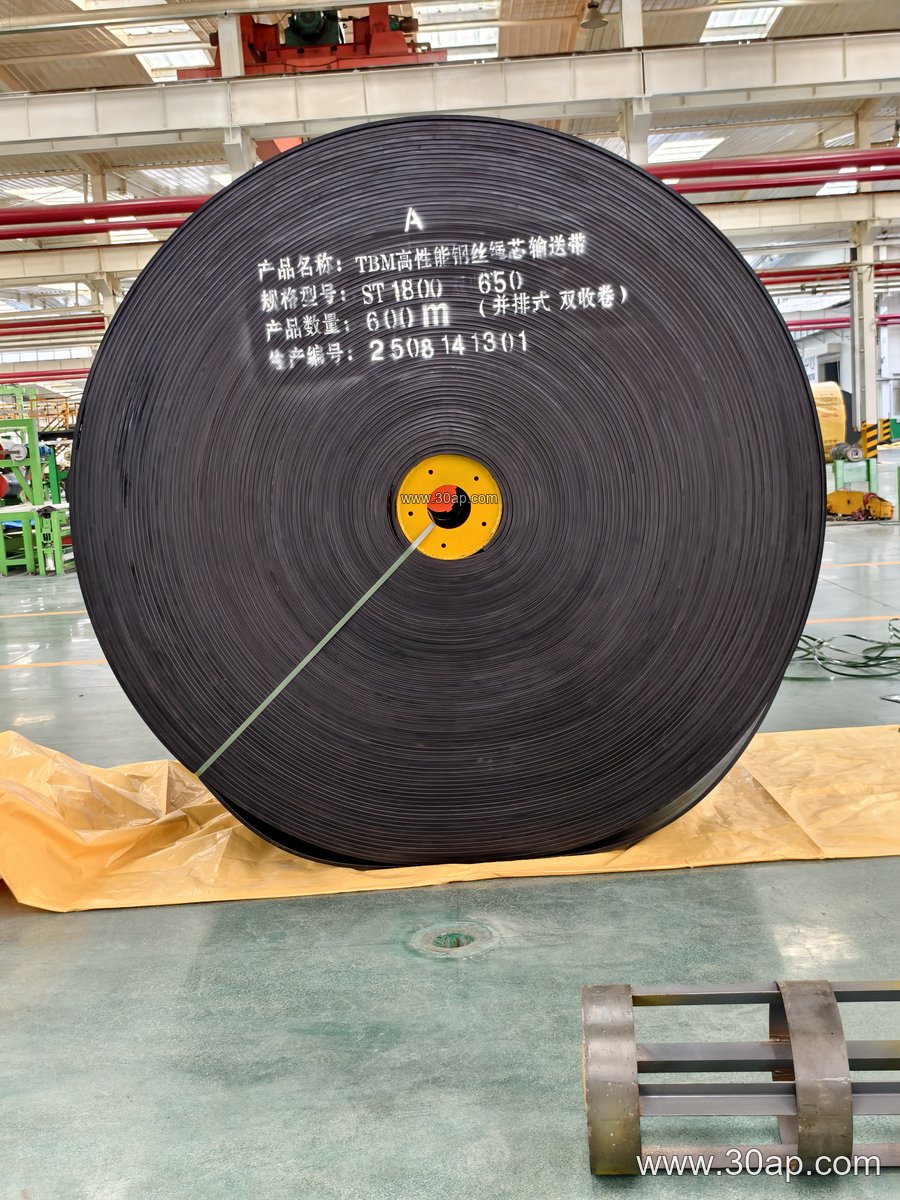
The combination of moderate strength and good flexibility suits continuous conveying of bulk materials over long distances and across multiple transfer points. Typical installations include:
- Coal handling and preparation plants, where flame-retardant or anti-static grades may be required
- Cement plants moving clinker, limestone, and raw meal
- Power plants handling coal and ash
- Sand and gravel yards and quarry operations
- Mining operations for ore and waste rock
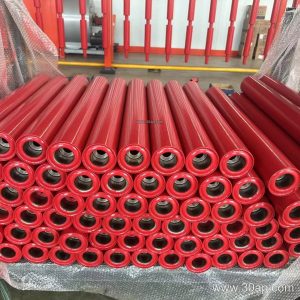
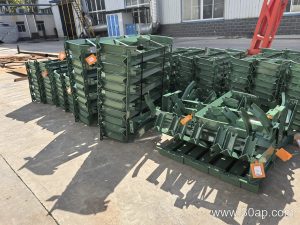
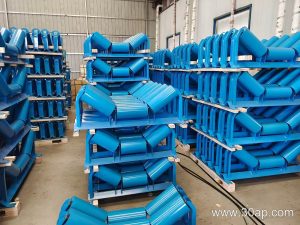
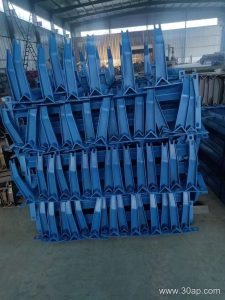
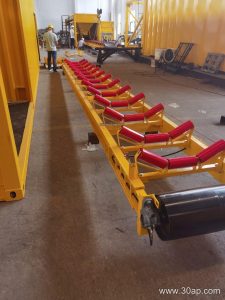
In these systems the belt runs on idler rollers, is driven by a head pulley, and is kept aligned by tail and bend pulleys. The belt also works with conveyor brackets and frames that support the whole structure, so the belt specification should be matched to the complete conveyor layout rather than treated in isolation.
Selection Points for Buyers
Choosing an NN300 belt starts with the material being carried: its lump size, density, moisture, and temperature. Abrasive rock may call for a thicker wear-resistant cover, while oily or hot materials need the appropriate cover grade. The required tensile strength follows from the belt width, the number of plies, and the load on the conveyor, and it should be checked against the actual working tension with a safety factor.
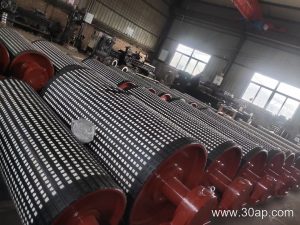
Pulley diameters matter as well. A belt with a relatively stiff carcass needs a larger drive pulley and tail pulley to avoid excessive bending stress, while bend pulleys guide the return strand. None of these pulley types is interchangeable; each has its own role, and the belt should be selected to suit the smallest pulley it will pass over.
Other practical checks include the splice method, the troughing angle of the idler rollers, and whether the installation needs a patterned or chevron surface for inclined sections. Buyers should also ask about cover thickness tolerances, ply adhesion, and edge quality, since these affect belt life in dusty and wet conditions.
Installation and Maintenance Notes
Correct alignment at installation prevents edge damage and premature wear. Keep the belt centered on the tail pulley and check that all idler rollers turn freely. Tension should be set so the belt does not slip on the drive pulley but is not overloaded. Inspect splices and edges regularly, especially in coal and cement plants where fines can work into the carcass. Prompt repair of small cover damage extends service life and protects the nylon plies from moisture and chemical attack.