Why Does a Conveyor Belt Wander at a Bulk Port Terminal?
Mistracking is rarely a belt defect on its own. At a bulk port terminal, a conveyor belt drifts because the belt, the structure, or the loading point has shifted out of line. Three causes deserve separate checks before any belt replacement is considered.
Check the Loading Point
Off-center coal or ore discharge pushes the belt sideways. Inspect chute position, skirt gaps and material build-up first; a centered load often removes the symptom without touching the belt.
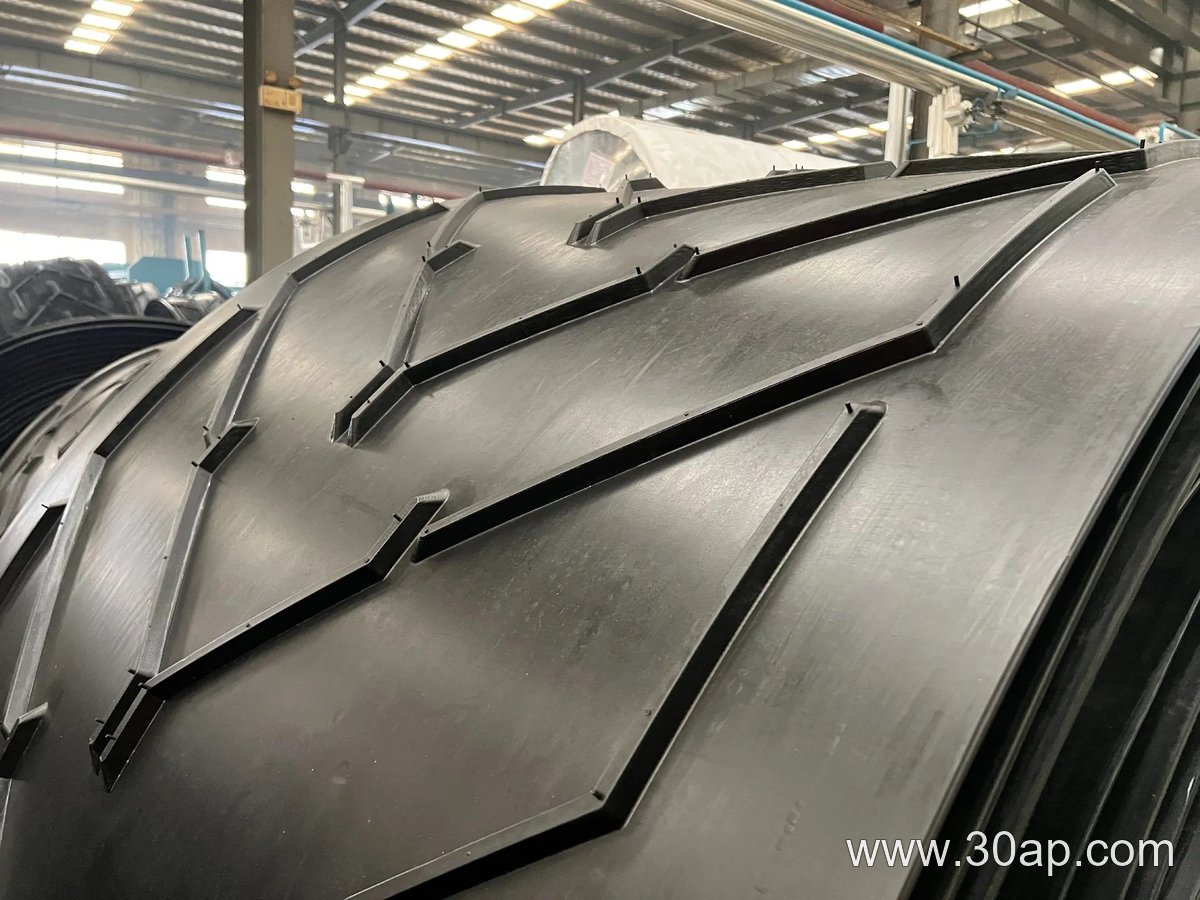
Check Pulley and Idler Alignment
A skewed drive pulley, head pulley or idler frame steers the belt continuously. Use a string line or laser on the frame, not on the belt edge, to confirm squareness.
Check Belt Tension and Splice
Uneven tension or a splice that is not square makes tracking change along the run. Compare take-up travel and splice angle before adjusting structure.
Why Does an Idler Roller Keep Losing Grease on a Reversing Conveyor in a Mineral Processing Plant
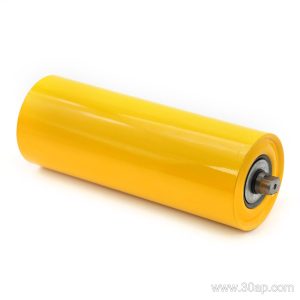
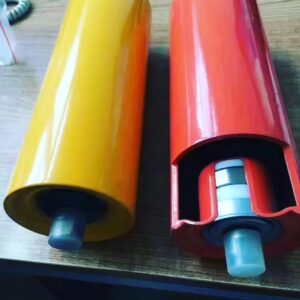
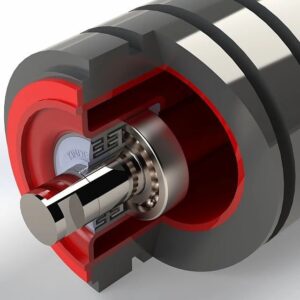
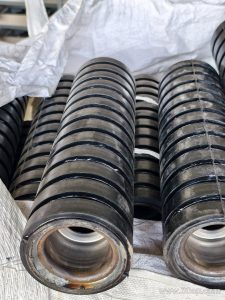
An idler roller on a reversing conveyor often leaks grease because its bearing seal was chosen for one direction of rotation. Seals that work well when the belt runs forward can pump lubricant outward when the belt reverses, especially under abrasive dust.
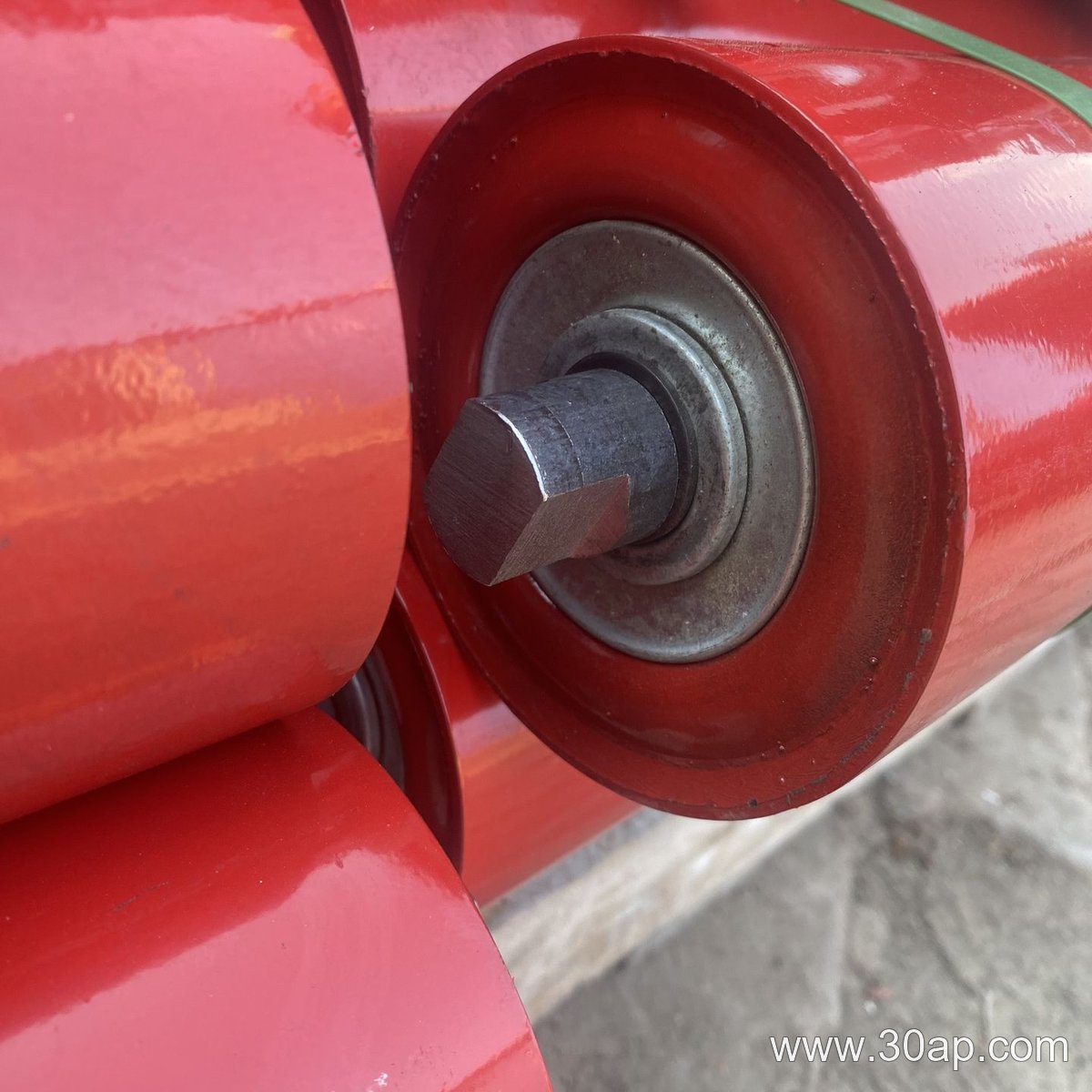
Checks That Point to the Seal, Not the Bearing
- Inspect the idler roller after a reversal cycle, not just at the end of a shift.
- Look for grease trails on the shell side facing the return run.
- Compare seal type on a unidirectional idler roller against a bidirectional one.
If the seal is a simple labyrinth without a bidirectional lip, the fix is a seal rated for reversing duty, not a thicker shell.
Start With the Duty, Not the Diameter
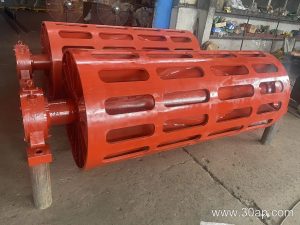
A common mistake is choosing a conveyor pulley by shaft size alone. In a cement plant, dust, speed and temperature decide the real duty.
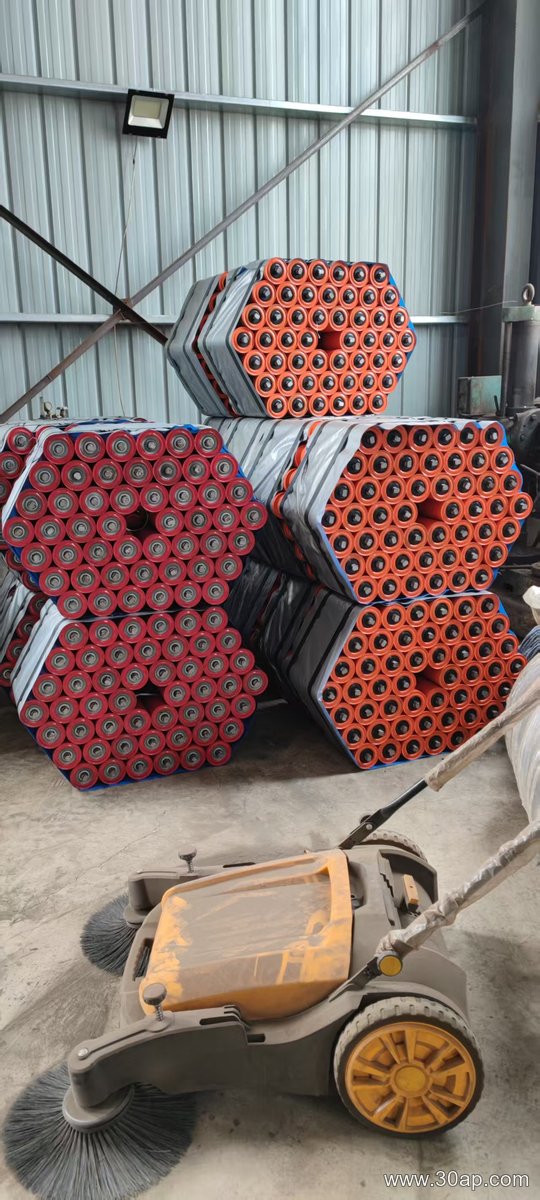
Four Checks Before You Specify
- Material: abrasive clinker dust demands a wear-resistant shell and lagging.
- Speed: higher belt speeds raise imbalance and bearing heat.
- Temperature: hot clinker limits lagging choice and bearing clearance.
- Conditions: outdoor, wet or dusty service calls for sealing and drainage.
Walk these four checks in order. Each answer narrows the conveyor pulley choice before price enters the decision. Hypothetical example only: a 630 mm drive pulley on a hot clinker line may need different lagging than one on a wet limestone conveyor.
Symptoms and causes of conveyor bracket cracking
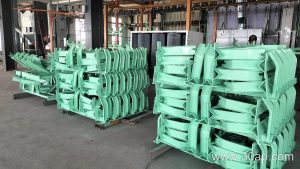
A cracked conveyor bracket usually shows a hairline fracture at the weld toe. Three plausible causes deserve separate checks: fatigue from repeated belt tension cycles, corrosion that thins the bracket, or a poor weld that concentrates stress.
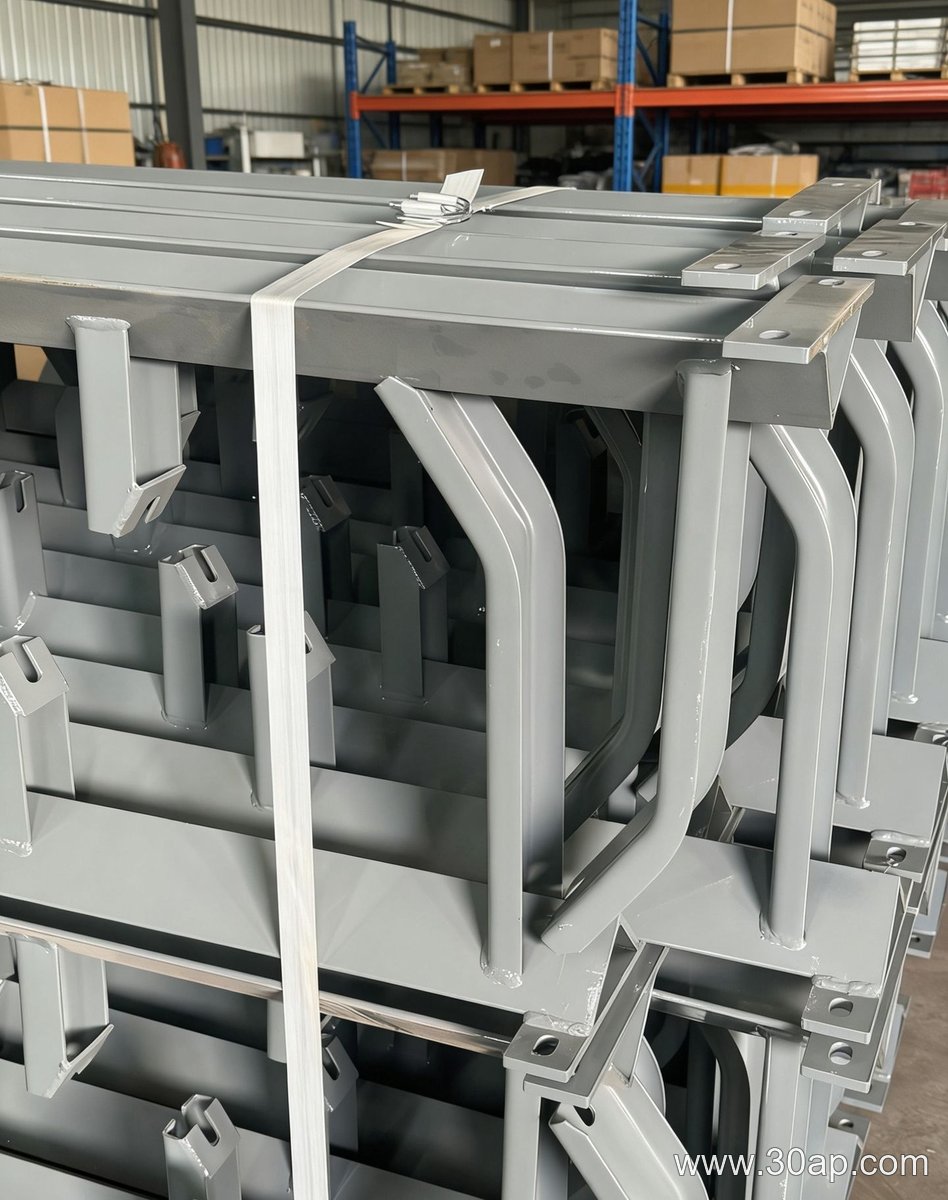
How to separate the causes
- Inspect the fracture face for beach marks, which point to fatigue.
- Check for rust staining or section loss, which suggests corrosion.
- Look for undercut or porosity at the weld, which indicates a fabrication fault.
Each cause needs a different fix, so confirm the mechanism before ordering a replacement conveyor bracket.