What an Iron Ore Conveyor Pulley Does
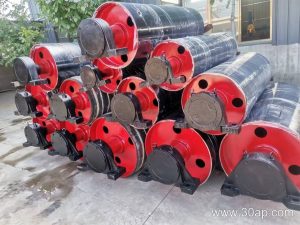
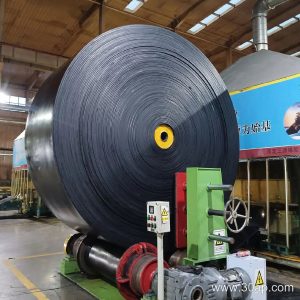
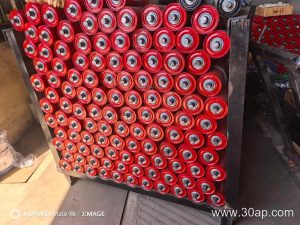
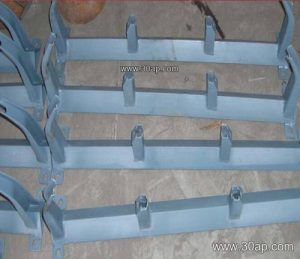
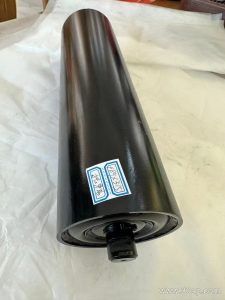
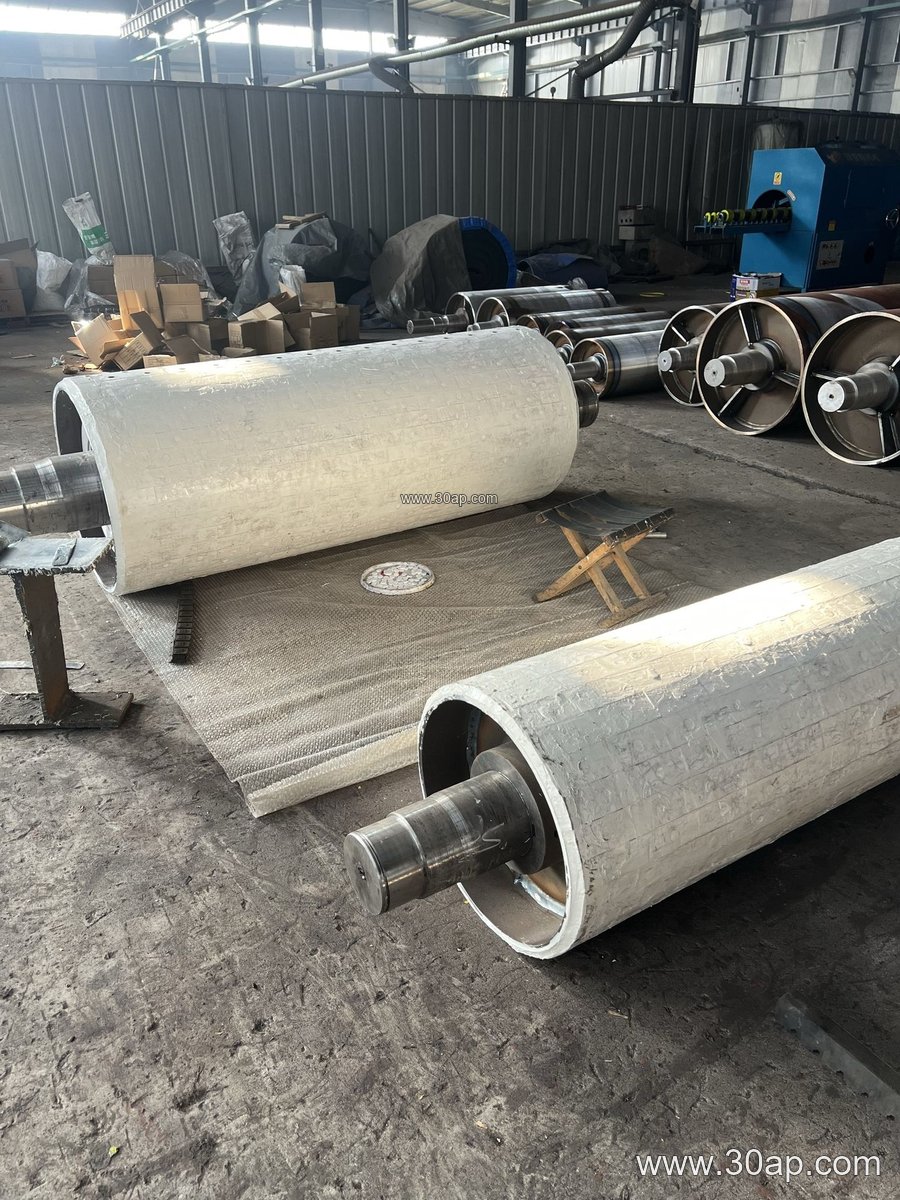
An iron ore conveyor pulley is the rotating drum that turns a conveyor belt, sets its tension, and keeps it tracking through the transfer points of a bulk handling line. In a crushing and screening circuit, the pulley often works alongside a conveyor belt, idler roller, and conveyor bracket, so it must cope with abrasive ore, heavy loads, and dusty conditions. The keyword product is the same as a belt conveyor pulley, and in this article the two names refer to the same assembly.
Drive, tail, and bend positions are not interchangeable. A drive pulley transmits torque from the gearbox to the belt; a tail pulley returns the belt at the loading end; a bend pulley changes belt direction. Each has different loads, so buyers should name the position clearly when requesting a quotation.
How the Drum Is Built
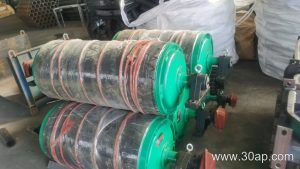
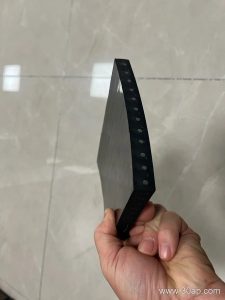
Most units combine a steel shell, end discs, a shaft, and bearing housings. The shell is machined for balance, and the surface may be plain or covered with rubber. Common surface forms include hot vulcanized rubber, cold bonded rubber, diamond grooving, herringbone grooving, ceramic lagging, and plain rubber. Lagging thickness is often 8, 10, 12, 15, or 20 mm, selected against slip risk and ore abrasiveness.
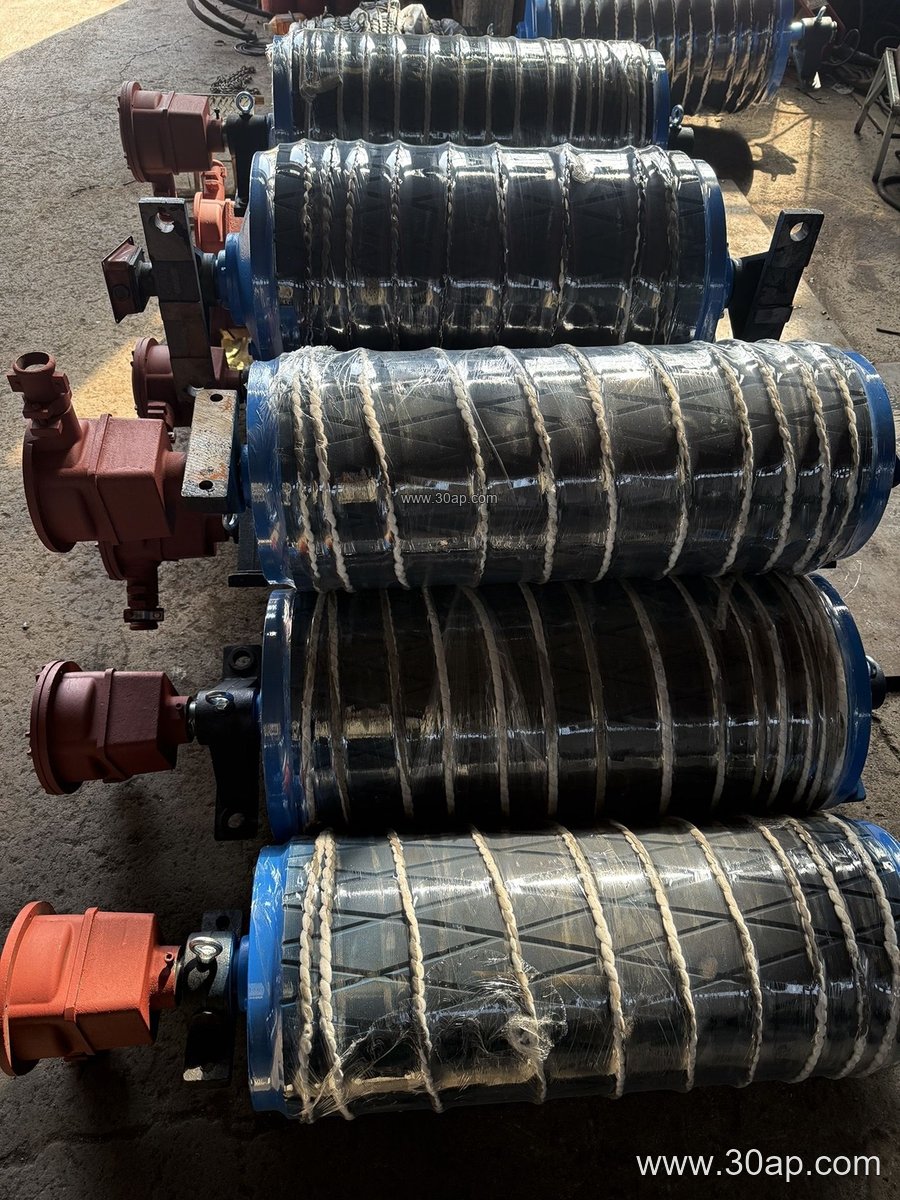
Shaft diameter is set by torque and radial load, not by belt width alone. Typical shaft sizes include Ø80, Ø100, Ø120, Ø160, and Ø200, but the final value comes from the design calculation. A pulley for a B1200 belt might use Ø1000 in one layout and a different diameter in another, depending on wrap angle, belt speed, and tension.
Where It Fits in the Plant
Iron ore concentrators, sintering plants, and pelletizing lines use these pulleys on transfer and stockyard conveyors. Similar duties appear in a limestone quarry, a coal washing plant, a cement clinker line, a power plant coal yard, and a port bulk terminal. In each case the pulley works with a conveyor belt, idler rollers, and steel conveyor brackets, and the environment decides the lagging and sealing choices.
- Head or discharge position: high tension and continuous torque; lagging helps grip.
- Tail position: often exposed to spillage and fines; protection against build-up matters.
- Bend or take-up position: smaller wrap and lower torque; still needs correct bearing support.
Reference Dimensions for Early Planning
The figures below are common reference values, not fixed pairings. Pulley face width is usually wider than the belt, and the diameter and shaft are confirmed by the conveyor designer.
| Belt width | Typical pulley face width | Common diameter range | Typical shaft range |
|---|---|---|---|
| B500 | about 600 mm | Ø250 to Ø400 | Ø60 to Ø90 |
| B800 | about 950 mm | Ø400 to Ø630 | Ø80 to Ø120 |
| B1000 | about 1150 mm | Ø500 to Ø800 | Ø100 to Ø160 |
| B1200 | about 1400 mm | Ø630 to Ø1000 | Ø120 to Ø180 |
| B1400 | about 1600 mm | Ø800 to Ø1250 | Ø140 to Ø200 |
| B1600 | about 1800 mm | Ø1000 to Ø1400 | Ø160 to Ø200 |
These bands are for orientation only. A B800 conveyor pulley with Ø500 and a B1200 unit with Ø1000 are both plausible, but a single belt width never locks the diameter to one value.
Buyer Checklist
- State the position: drive, tail, bend, take-up, or snub.
- Give belt width, belt speed, and calculated tension.
- Confirm shell diameter and face width with the conveyor designer.
- Choose lagging by slip risk, ore abrasiveness, and moisture.
- Specify shaft diameter from torque and load, not from belt width.
- Check bearing type, sealing, and lubrication access.
- Confirm balance grade and runout limits with the supplier.
Maintenance Notes
Inspect lagging for wear and glazing, check bearing temperature and grease condition, and verify that the belt tracks centrally. Spillage around a tail pulley in an iron ore plant can cause build-up that lifts the belt and damages the lagging. Cleaning and alignment checks cost little compared with an unplanned stop.
For a reliable iron ore conveyor pulley, match the drum to the duty rather than to a catalogue habit. The correct belt conveyor pulley keeps the belt stable, protects the splice, and supports steady output from the mine to the stockpile.