What a Cold Resistant Conveyor Belt Is
A cold resistant conveyor belt is a rubber conveyor belt designed to remain flexible and crack-free when it operates in freezing or sub-zero conditions. Also called a low-temperature conveyor belt or arctic-grade belt, it is not simply a standard belt with a different label. The rubber compound, the fabric or steel carcass, and the adhesion system are all adjusted so the belt can start up, track, and carry loads without becoming brittle. In cold climates, an ordinary belt may stiffen, lose troughability, and snap at the splice. A cold resistant conveyor belt addresses those failure modes directly.
The product belongs to the same family as EP, nylon, and steel cord belts. What changes is the polymer base and the plasticizer package, not the fundamental construction. The keyword here describes a service condition, so the belt is still selected by tensile strength, width, cover thickness, and carcass type.
How the Belt Is Built for Low Temperatures
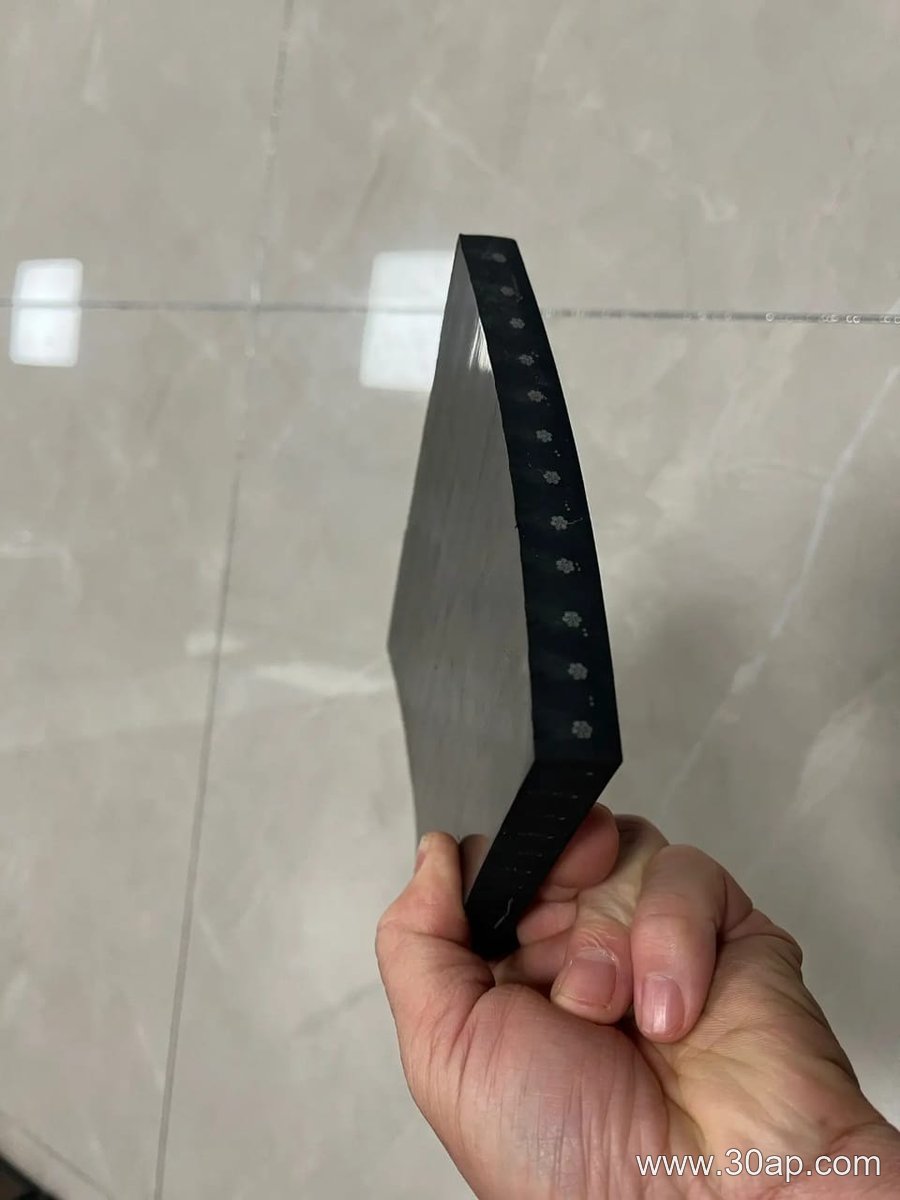
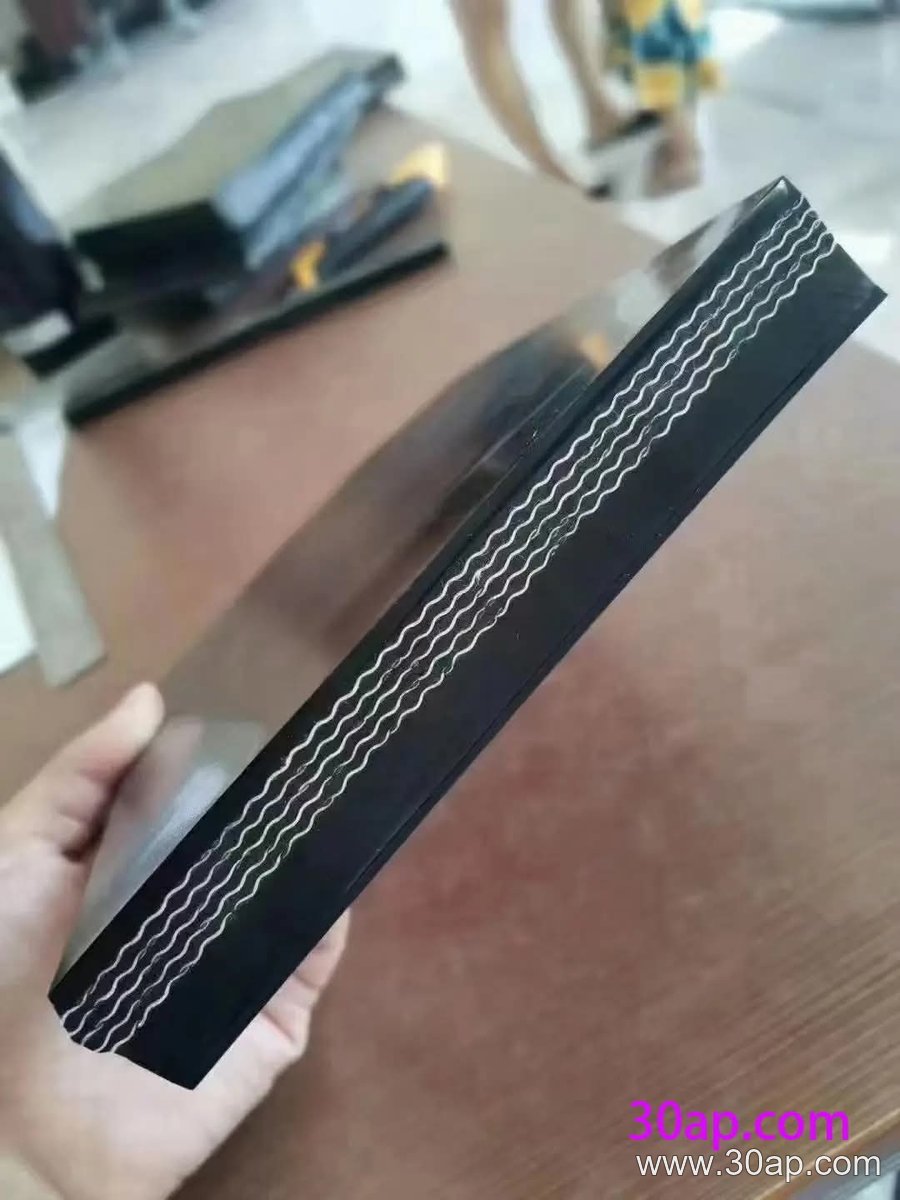
Cold resistance starts in the cover compound. Natural rubber and blends with special synthetic elastomers are common, combined with plasticizers that stay mobile at low temperature instead of turning glassy. This keeps the cover from cracking when it bends around a conveyor pulley at dawn in a winter yard. The carcass matters too. EP fabric, NN nylon, and steel cord constructions can all be produced in cold resistant versions, but the dipping and bonding agents must cure without becoming stiff. A typical cover might be 4+2 mm or 6+2 mm, and the carcass usually has 2 to 6 plies depending on the duty.
Two details are often overlooked. First, the splice is the weakest point in cold service, so the finger or step splice pattern and the vulcanizing gum must match the low-temperature compound. Second, the belt edges should be sealed properly; exposed fabric wicks moisture, and freeze-thaw cycling accelerates edge breakdown. Buyers should ask for the low-temperature brittle point of the cover, not just a room-temperature tensile figure.
Where Cold Resistant Belts Are Used
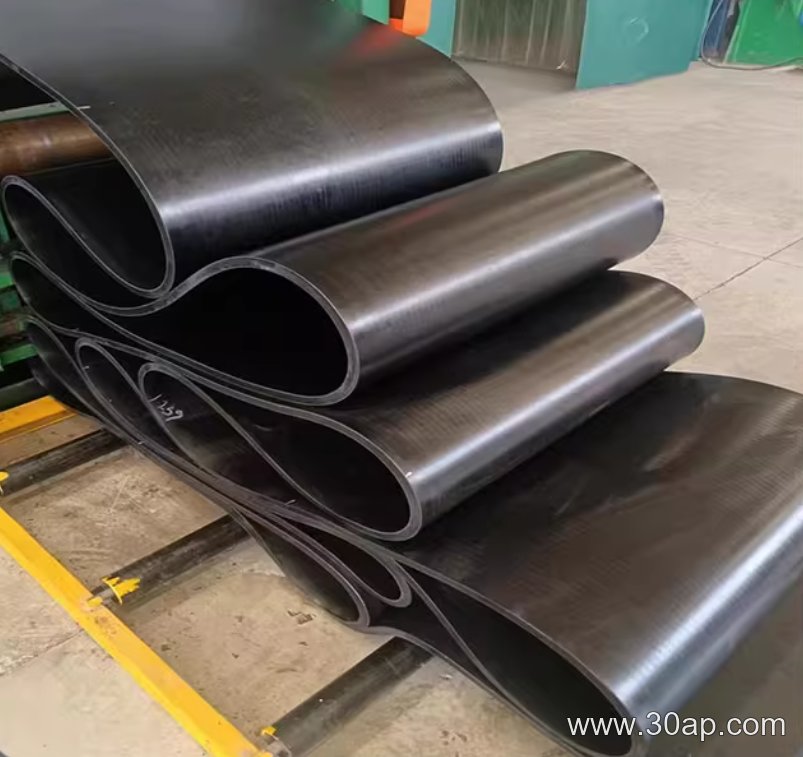
These belts appear in open-pit mines, quarries, coal preparation plants, port stockyards, and cement works in cold regions. They also serve fertilizer plants, salt handling, and food processing freezers where ambient air stays below zero. A common application is a yard conveyor that receives material from a stacker and discharges to a stockpile. Another is an overland conveyor that runs all winter without a heated gallery.
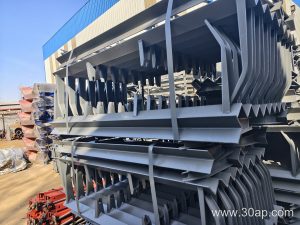
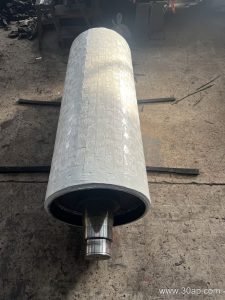
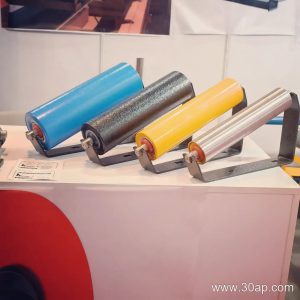
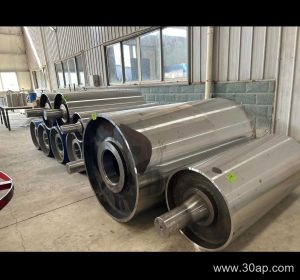
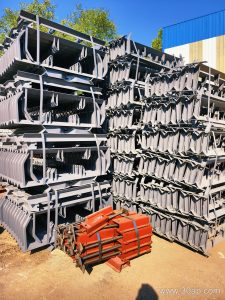
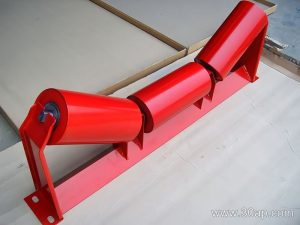
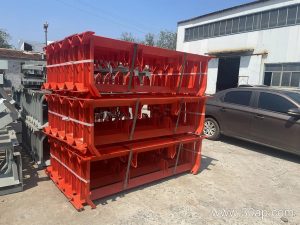
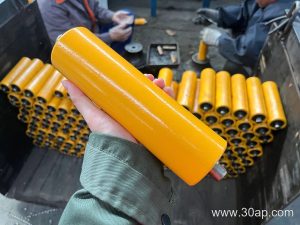
The full conveyor matters as much as the belt. A cold resistant belt still runs over idler rollers, a head or drive pulley, a tail pulley, and bend pulleys that change the line direction. It sits on conveyor brackets and frames that may frost or collect ice. The belt must tolerate those conditions, but it cannot compensate for a frozen idler roller or a misaligned conveyor pulley. In winter, startup torque rises because grease stiffens and material freezes to the belt surface. That is a system issue, and the belt specification should be discussed together with the drive and the loading point.
Specifications a Buyer Should Check
There is no single cold resistant specification that fits every plant. The reference values below are common ranges, not a promise from any manufacturer, and they should be confirmed against the actual design.
- Tensile strength grades: EP200, EP315, EP400, EP500, EP630, EP800, and higher grades can be supplied in cold resistant constructions. The grade is chosen from the calculated belt tension, not from temperature alone.
- Belt width: B500, B650, B800, B1000, B1200, B1400, B1600, B1800, and B2000 are common in bulk handling. Width follows the lump size, capacity, and troughing angle.
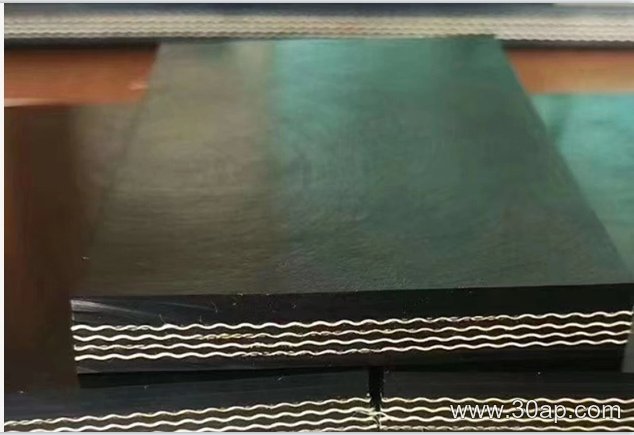
- Cover thickness: 3+1.5, 4+2, 5+2, 6+2, and 8+3 mm are typical top and bottom combinations. A thicker cover helps with abrasion and impact, but it also raises bending stiffness in cold weather, so the two effects must be balanced.
- Carcass: 2 to 6 plies are common for fabric belts; steel cord belts use a single layer of cords. More plies add strength but reduce flexibility.
- Surface form: smooth cover is standard, while a patterned or chevron surface can help on inclined sections. A corrugated sidewall belt is a different subtype used where material must be contained; it is mentioned here only for comparison and is not a replacement for a flat cold resistant belt.
Do not assume that a given belt width can only match one pulley diameter. Pulley diameter is set by the belt carcass, the number of plies, and the allowable bending stress, not by width alone. Likewise, shaft diameter is an engineering calculation, not a fixed number derived from belt width. The drive pulley, tail pulley, and bend pulleys each have their own function and should be specified separately.
Selection and Maintenance Notes
Start with the lowest expected ambient temperature and the coldest startup condition, not the average winter daytime figure. Then check the material being carried: wet coal, iron ore, and fertilizer behave differently when frozen. A belt that works in a dry, cold climate may fail in a damp, cold one because ice bonds to the cover.
During operation, keep the belt running straight and avoid over-tensioning. Cold rubber has less elongation, so a take-up that was set in summer may be too tight in January. Inspect the splice, edges, and pulley lagging regularly. Clean ice and frozen spillage from the return run, and make sure idler rollers turn freely. If a conveyor pulley is seized, the belt will be dragged over it, and no cover compound can survive that for long.
Storage also matters. Store cold resistant belts in a dry, shaded place above freezing when possible. If a belt has been stored below its rated temperature, let it warm gradually before installation and before splicing. A slow warm-up prevents condensation and gives the rubber time to regain flexibility.