What an Aggregate Production Line Idler Does
An aggregate production line idler is the rotating support that carries the conveyor belt and the material load along the length of a quarry or sand and gravel conveyor. In a crushing and screening circuit, the belt must stay centered, absorb impact from coarse rock, and keep running through dust and moisture. The idler roller is therefore more than a simple roller; it is a wear part that directly affects belt life and downtime. This article focuses on the aggregate production line idler itself, with notes on common configurations and practical selection points.
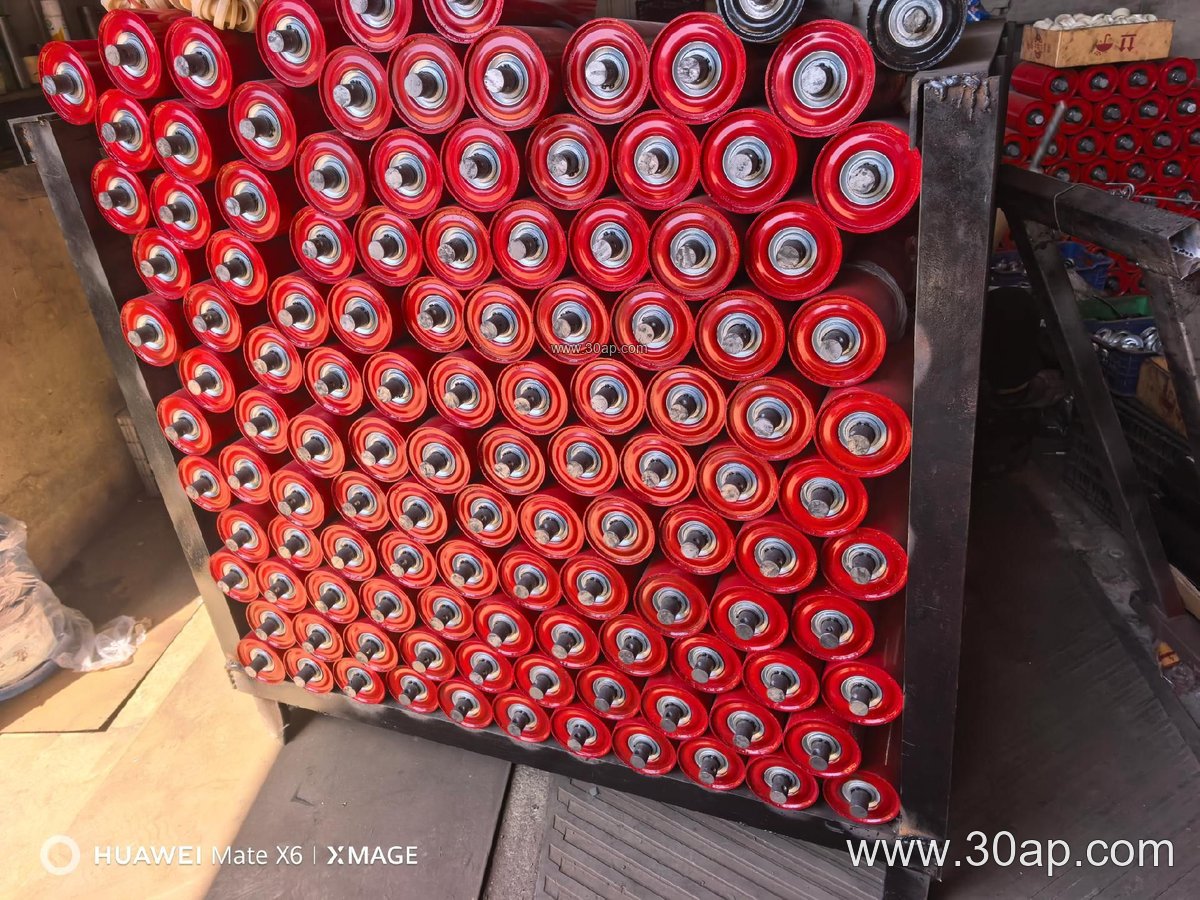
Construction and Common Surface Forms
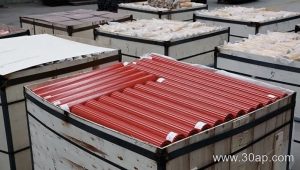
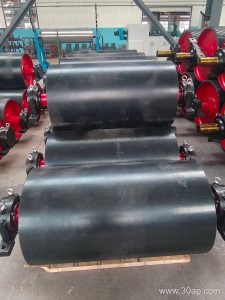
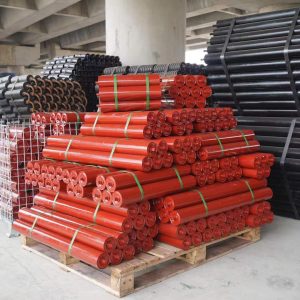
A typical idler roller uses a steel tube shell, a shaft, bearing housings, and a sealing arrangement. The roller surface may be plain steel, nylon, ceramic, or rubber rings. Rubber ring impact idlers are often chosen under crusher discharge points, while plain steel or nylon surfaces suit general carrying runs. Bearing size is matched to load and speed rather than to belt width alone; common bearing numbers include 6204, 6205, 6305, 6306, 6308, and 6310. Sealing quality matters in dusty aggregate plants, where fine stone powder can enter the bearing if the labyrinth or seal is inadequate.
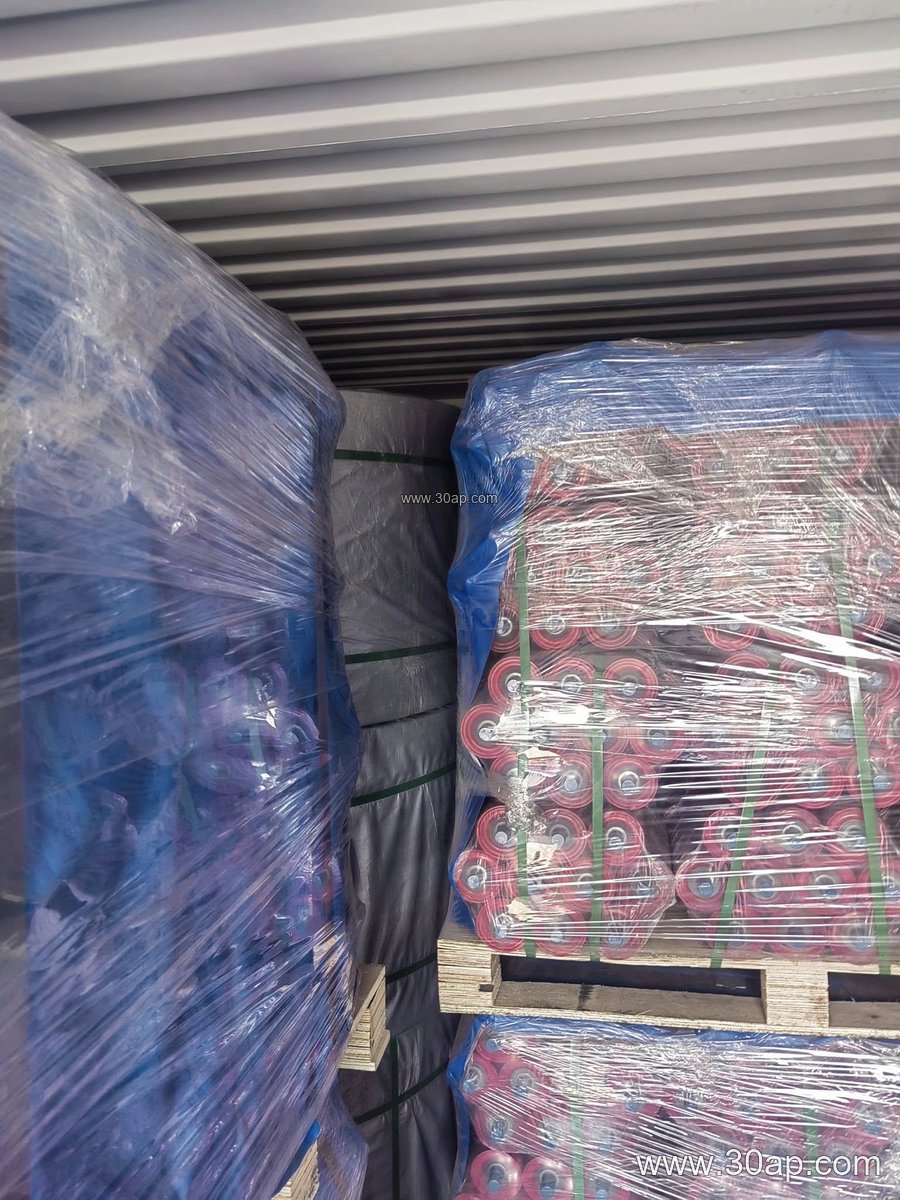
Where It Fits on the Conveyor
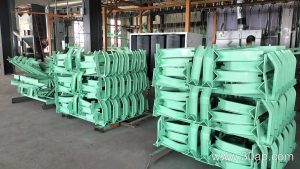
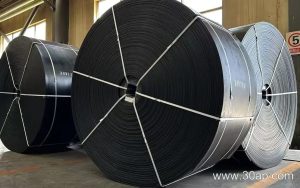
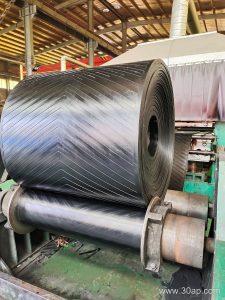
On the carrying side, three-roll troughing idler sets are common, with trough angles of 20, 30, 35, or 45 degrees. A 35-degree trough is widely used in aggregate conveying because it balances belt capacity and material stability. Transition idlers are placed near pulleys to help the belt change from flat to troughed shape without stress. On the return side, flat return idlers or V-return idlers support the empty belt. Self-aligning idlers, including friction and tapered types, are used where belt tracking is a concern. The belt itself, the conveyor pulley, and the conveyor bracket all interact with the idler; for example, a misaligned bend pulley can cause the belt to run off-center and overload the idler edges.
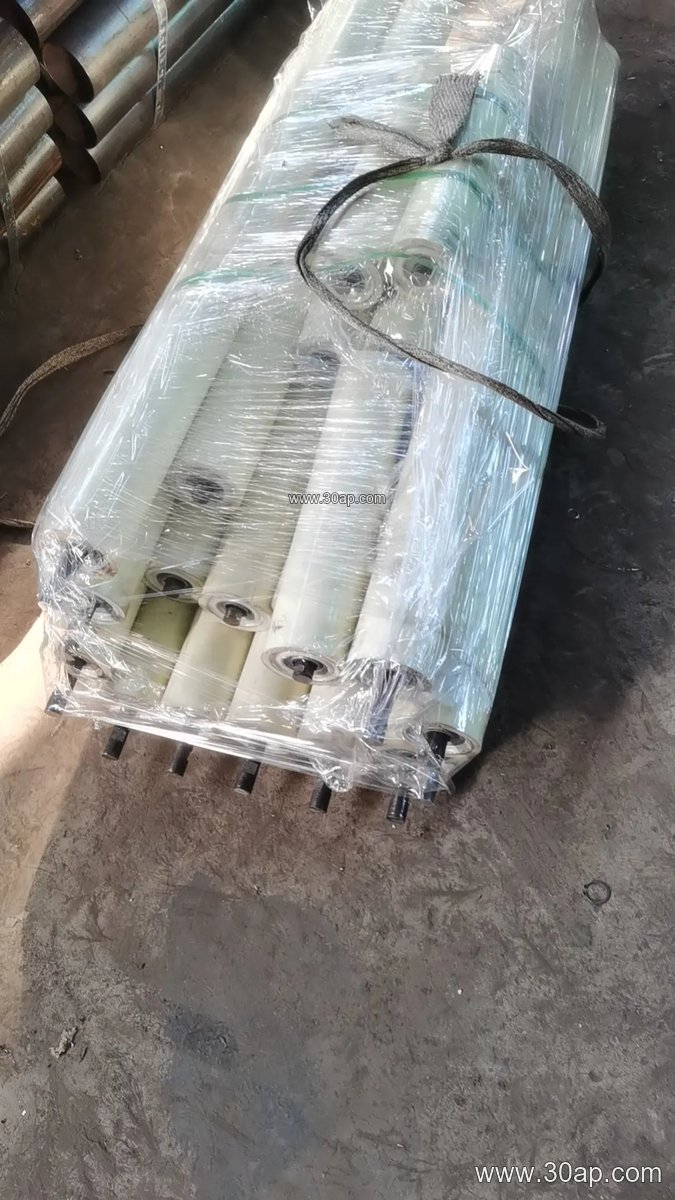
Common Reference Dimensions
The table below gives common reference values for aggregate production line idlers. These are examples for discussion, not fixed combinations; final dimensions follow the conveyor design, belt width, trough angle, and idler set form.
| Reference Item | Common Range or Example | Note |
|---|---|---|
| Roller diameter | Ø63, Ø76, Ø89, Ø102, Ø108, Ø127, Ø133, Ø159, Ø178, Ø194, Ø219 | Selected by load and belt speed |
| Belt width | B400, B500, B650, B800, B1000, B1200, B1400, B1600, B1800, B2000, B2200, B2400 | Idler length varies with width and trough form |
| Trough angle | 20°, 30°, 35°, 45° | 35° is common in aggregate duty |
| Idler set | single-roll, two-roll, three-roll troughing | Three-roll is typical for carrying side |
| Bearing | 6204, 6205, 6305, 6306, 6308, 6310 | Match to load and speed, not belt width alone |
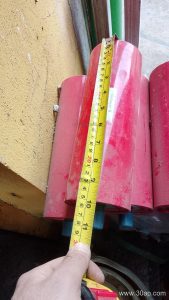
| Roller length example | B500 about 200 mm; B800 about 315 mm; B1000 about 380 mm; B1200 about 465 mm; B1400 about 530 mm; B1600 about 600 mm | Three-roll troughing example; side and center rolls may differ |
Buyer Checklist for Aggregate Duty
- Confirm the belt width and trough angle before specifying roller length; do not assume one belt width matches one pulley diameter.
- Check the impact zone: rubber ring impact idlers or cushion idlers may be needed under the crusher discharge.
- Review sealing and bearing selection for dusty conditions; a well-sealed idler reduces maintenance in a limestone quarry or cement plant.
- Consider self-aligning idlers on long conveyors where belt tracking is difficult.
- Keep spare idler rollers and brackets consistent with the existing conveyor bracket dimensions to avoid field modification.
Maintenance and Application Notes
In a sand and gravel line, idler failure often starts with a seized bearing or a worn roller shell. Regular inspection of rotation, noise, and belt tracking helps catch problems early. When replacing an idler, check the adjacent conveyor pulley and belt condition as well; a damaged belt edge can quickly wear new idlers. For coal handling in a power plant or a washing plant, dust and moisture control are important, while in a concrete mixing station the idler may see frequent starts and stops. The aggregate production line idler should be selected as part of the whole conveyor system, not as an isolated part.