What the ST1000 Conveyor Belt Is
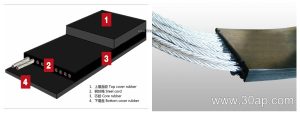
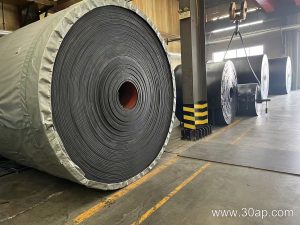
The ST1000 conveyor belt is a steel cord conveyor belt rated at a nominal tensile strength of 1000 N/mm. It belongs to the steel cord family of heavy-duty belts, where the load-bearing skeleton is made of parallel steel cords embedded in rubber rather than layered fabric plies. In a mining, coal, cement, power plant or aggregate operation, this belt is typically chosen for main haulage lines that carry large tonnages over long distances and need low elongation under load.
Because the cords run longitudinally and carry the tension, the ST1000 grade is an accurate shorthand for a steel cord belt with a 1000 N/mm nominal strength. It is not an EP or NN fabric belt, and it should not be confused with them when specifying a replacement.
How the Belt Is Built
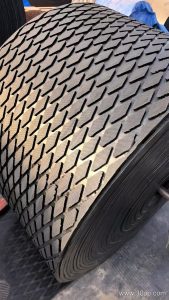
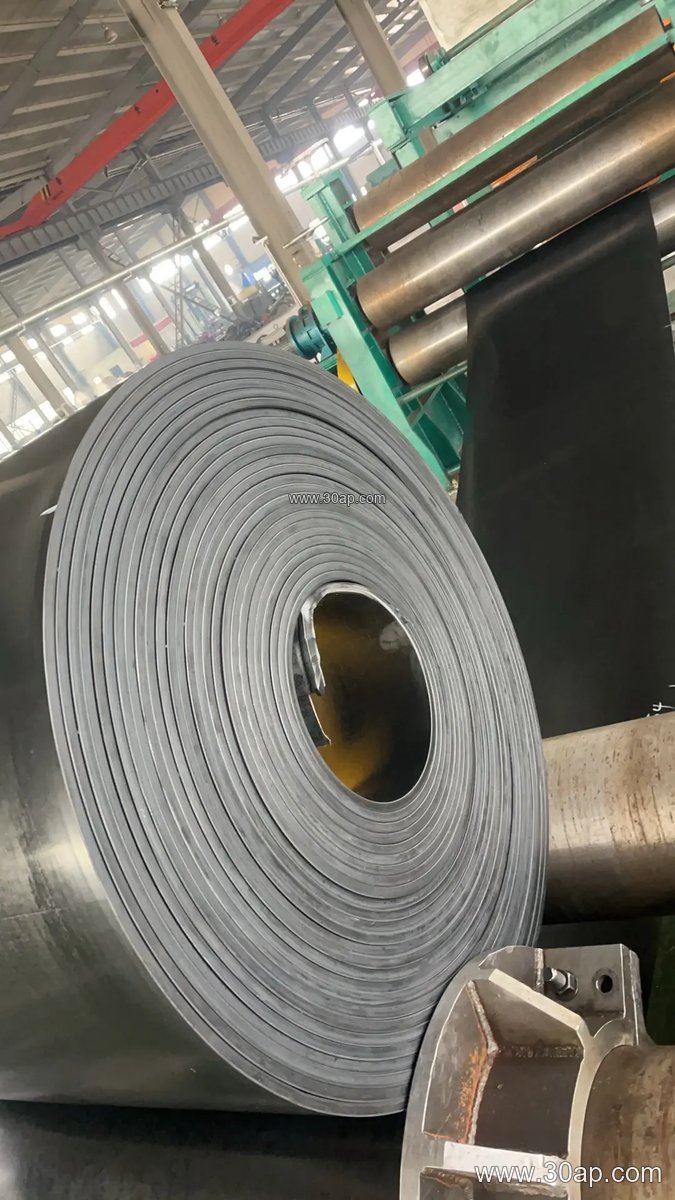
The construction is straightforward in principle but demanding in process control. Steel cords are spaced at a defined pitch, pressed into a core rubber, and then covered with top and bottom cover rubber through calendering and vulcanization. The result is a belt with very low stretch, good troughability and high resistance to impact and tearing when the covers and cord pitch are matched to the duty.
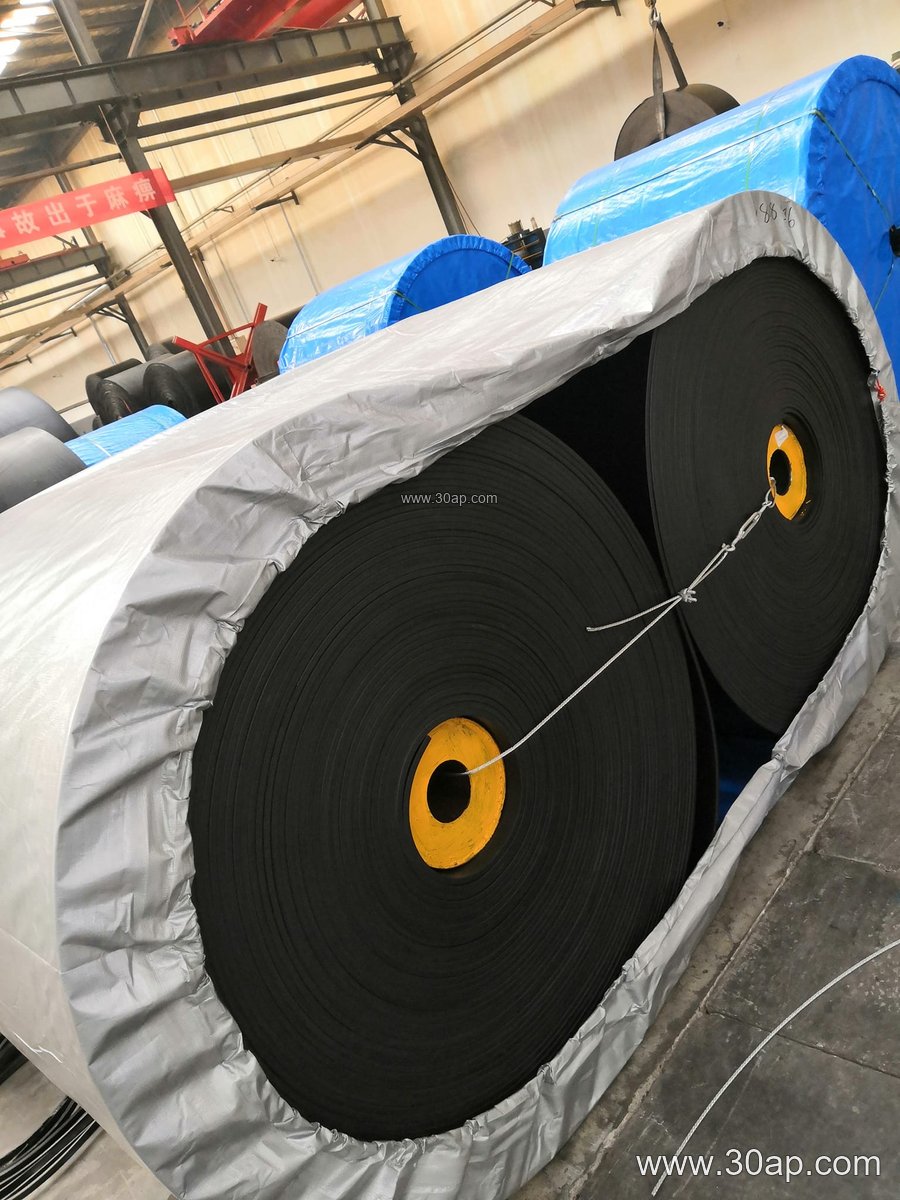
Common cover gauge combinations for heavy belts include 4+2 mm, 5+2 mm, 6+2 mm and 8+3 mm, expressed as top cover plus bottom cover. The correct combination depends on material lump size, drop height and abrasion severity rather than on the belt strength alone. Buyers should confirm cover grade as well as cover thickness, since abrasion, heat, oil and flame resistance are separate properties from the ST1000 tensile rating.
Typical Specifications and Reference Data
The values below are reference ranges, not universal specifications. Final dimensions are confirmed by the belt manufacturer and the conveyor designer.
Strength and Width
| Parameter | Reference range |
|---|---|
| Nominal tensile strength | ST1000 (1000 N/mm); higher grades such as ST1250, ST1600 and ST2000 exist for heavier duties |
| Common belt widths | B800, B1000, B1200, B1400, B1600 |
| Cover thickness examples | 5+2 mm, 6+2 mm, 8+3 mm |
| Skeleton | Steel cord, single-plane cord layout |
Belt Width and Pulley Diameter
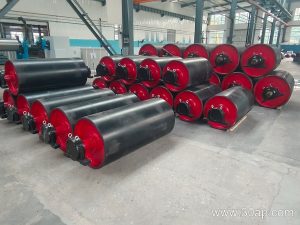
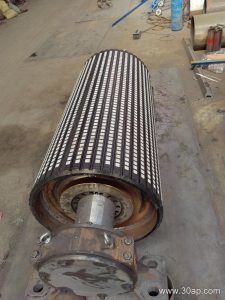
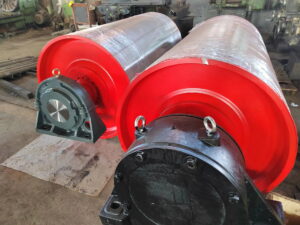
Belt width and pulley diameter are separate design decisions. A wider belt does not automatically require a larger pulley, and a given belt width does not lock in one pulley diameter. The pulley diameter is set by cord diameter, cord pitch, belt tension and the required fatigue life, so the drive pulley, tail pulley and bend pulley may each differ in size on the same conveyor. None of these pulley roles can be treated as interchangeable.
Where It Fits in the Plant
Steel cord belts of this strength class are common on main line conveyors in mines and coal preparation plants, on clinker and raw material lines in cement works, on coal handling systems in power stations, and on long haul conveyors in sand and gravel quarries. They suit high-capacity, long-center applications where fabric belts would stretch too much or need too many splices.
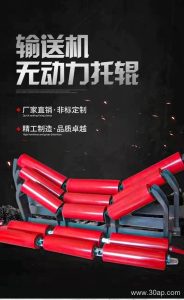
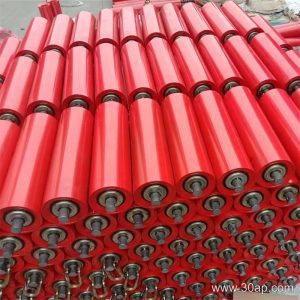
Supporting components matter as much as the belt. Troughing idler rollers set the belt profile and reduce sag, while conveyor pulleys transfer drive force and redirect the belt path. Conveyor brackets and frames hold the idlers and pulleys in alignment. A mismatch between belt stiffness and idler trough angle can cause edge lift or poor tracking, so the whole system should be reviewed together.
Selection and Use Notes for Buyers
- Confirm the actual duty: material type, lump size, capacity in tonnes per hour, incline angle and center distance. These drive the strength class and cover choice more than nominal belt width.
- Specify cover grade separately from strength. Abrasion-resistant, heat-resistant, oil-resistant, flame-retardant and antistatic covers are different products; a flame-retardant belt for coal service is not the same as a standard ST1000 belt.
- Check splice method and cord count. Steel cord belts are usually spliced by vulcanization with the cords re-laid at the joint; the splice is a weak point and should be planned at the design stage.
- Review pulley diameters, take-up travel and starting tension with the conveyor designer. Low elongation is an advantage, but it does not remove the need for adequate take-up.
- Plan inspection of idler rollers, pulley lagging and belt edges. Most belt damage starts at a seized idler or a misaligned pulley rather than in the belt body.
Used within its design envelope, an ST1000 steel cord belt is a durable choice for heavy material handling. The key is to treat strength, cover grade, width, pulley sizing and support equipment as one coordinated specification rather than isolated line items.