What a Trough Idler Does on a Belt Conveyor
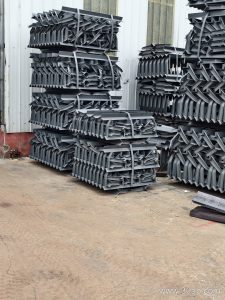
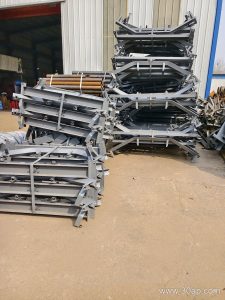
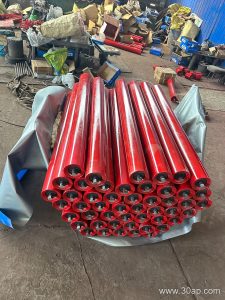
A trough idler is the set of rollers that shapes a conveyor belt into a shallow or deep trough. That shape keeps bulk material centered and reduces spillage. The idler roller itself turns as the belt moves, supporting the load without driving the belt. Its job is different from a conveyor pulley, which transmits power at the head or changes belt direction at the tail or bend. In a typical installation, the trough idler group sits on the carrying side and is held by a conveyor bracket or frame.
You will often hear this product called a troughing idler or troughing roller. Those are accurate equivalents for the same item. A single-roller, two-roller, or three-roller arrangement is common, but a three-roll troughing set is the most familiar form for wider belts.
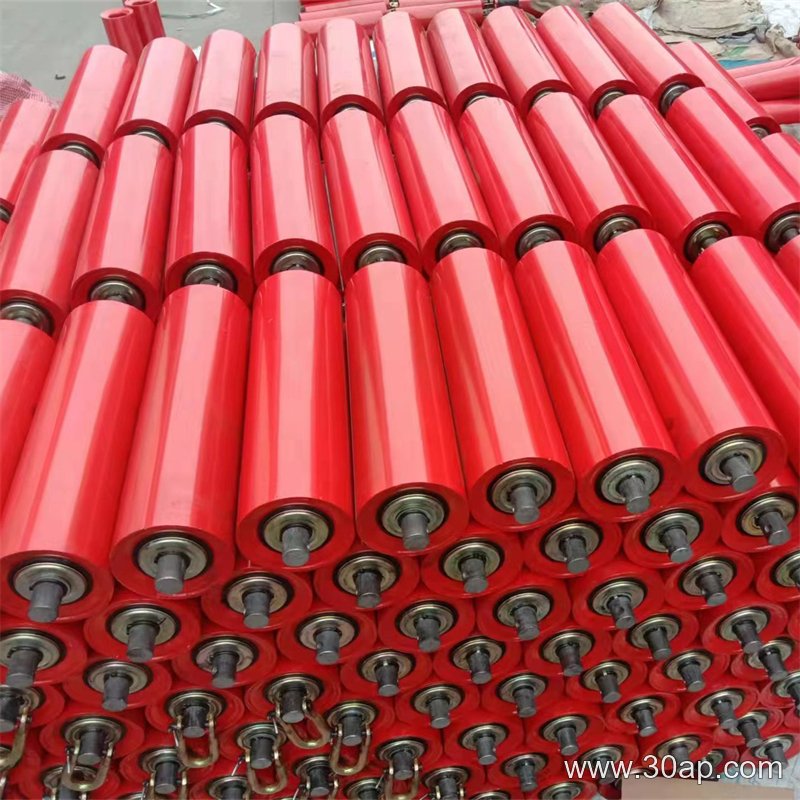
Construction and Common Features
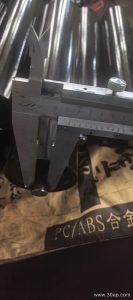
A trough idler is built around a steel tube shell, with bearing housings pressed into each end. The shaft runs through the rollers and is clamped to the bracket. Seals protect the bearings from dust and fine particles. Common roller diameters include Ø63, Ø76, Ø89, Ø102, Ø108, Ø127, Ø133, Ø159, Ø178, Ø194, and Ø219 mm. Bearing sizes such as 6204, 6205, 6305, 6306, 6308, and 6310 are used across different roller diameters, but one bearing size is not tied to only one roller diameter.
Roller length changes with belt width, trough angle, and the number of rolls in the set. For a three-roll troughing idler, common roller lengths are roughly 200 mm for B500, 250 mm for B650, 315 mm for B800, 380 mm for B1000, 465 mm for B1200, 530 mm for B1400, 600 mm for B1600, 670 mm for B1800, and 750 mm for B2000. These are examples only. The side rollers and the center roller can differ, and final dimensions are set by the conveyor design.
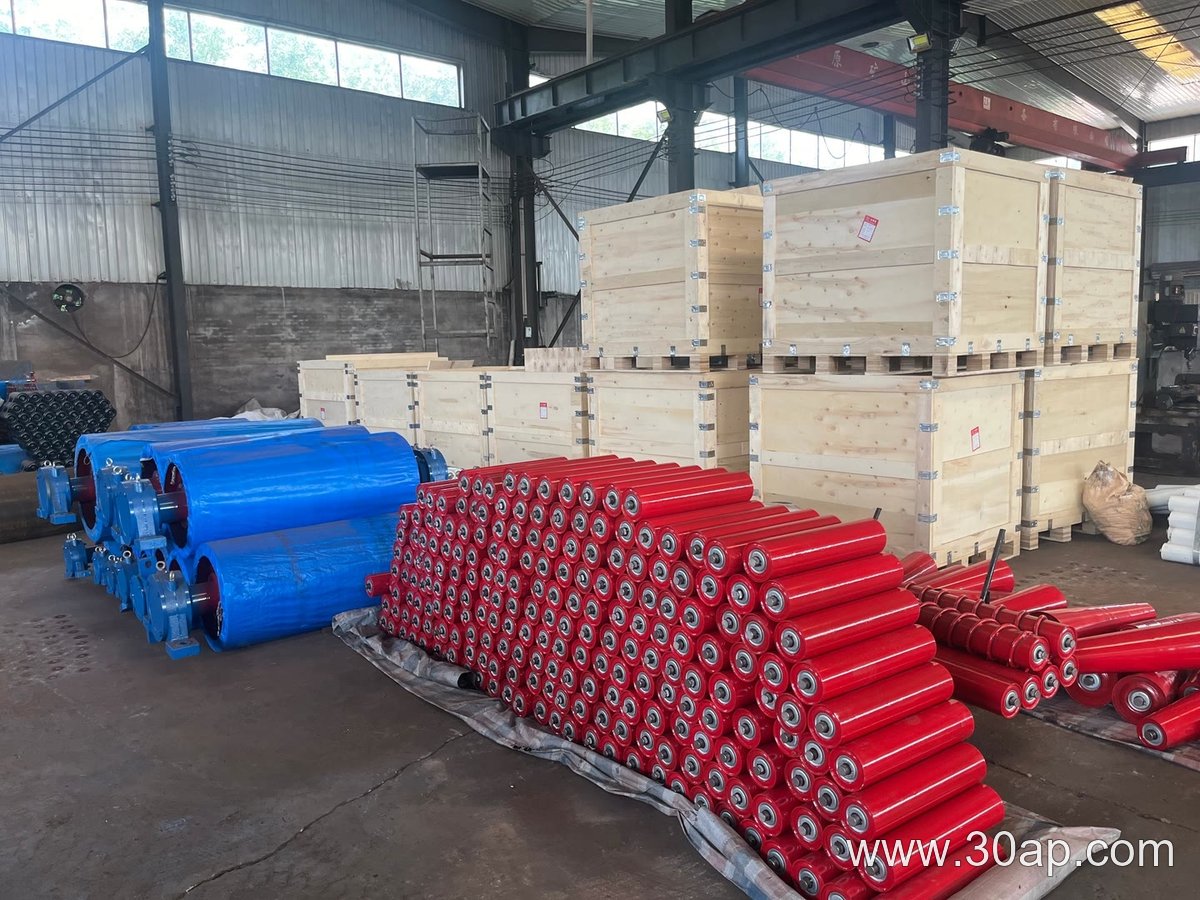
Trough Angles and Roller Surface Options
Trough angles of 20 degrees, 30 degrees, 35 degrees, and 45 degrees are common. A steeper angle gives a deeper material bed and better containment for free-flowing or lumpy loads. A shallower angle may suit wider belts or materials that need less depth. Some troughing idlers are forward-tilted by about 1.5 to 2 degrees to help with belt tracking. Forward tilt is not a universal requirement and should be specified only when tracking conditions call for it.
The roller surface can be plain steel, nylon, ceramic, or rubber rings. Steel is the standard choice for general duties. Rubber rings are often seen on impact or buffer idlers in the loading zone, where they absorb shock. Ceramic or nylon covers may be selected for special wear or friction situations. These surface forms do not change the basic troughing function; they adapt the idler to the material and the environment.
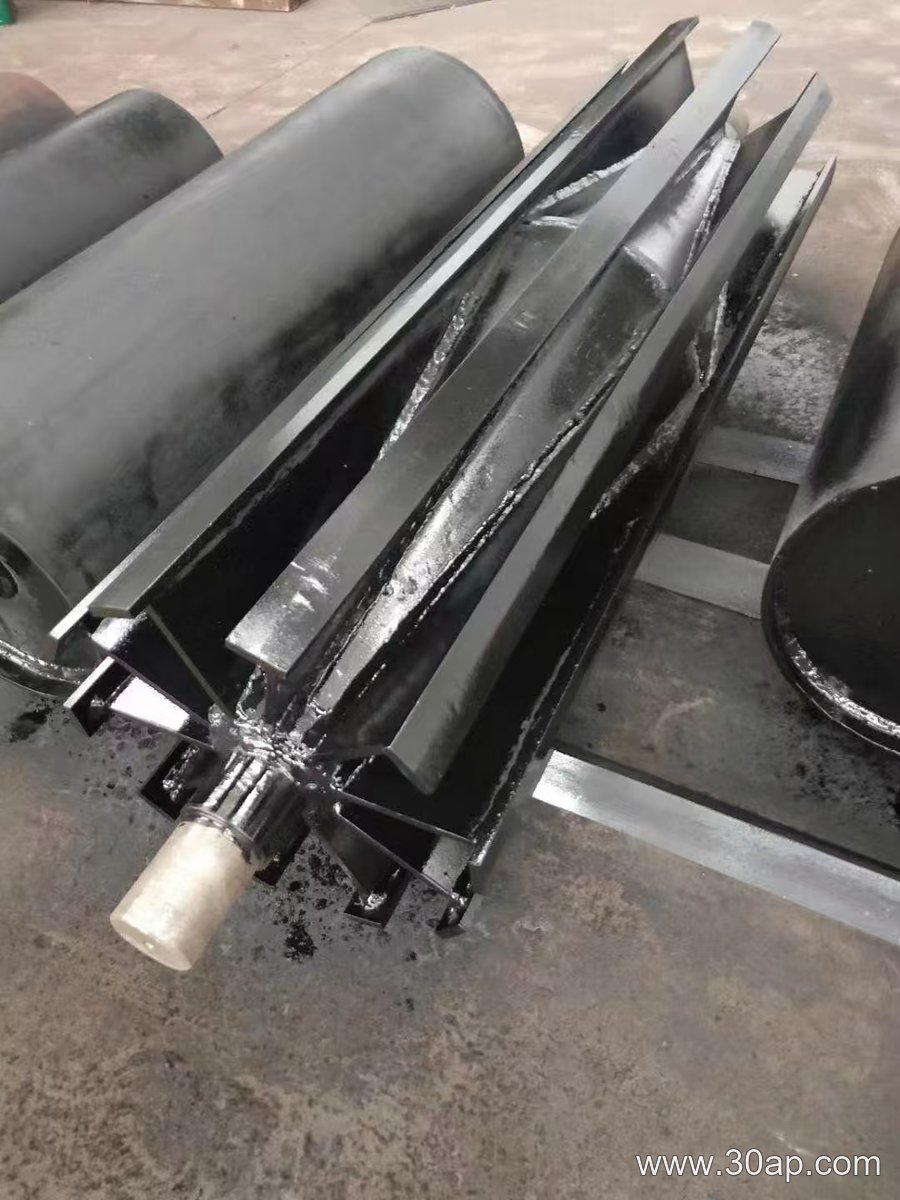
Where Trough Idlers Are Used
You will find trough idlers in sand and gravel pits, coal washing plants, and cement plants. They also appear in power plant coal handling, port bulk terminals, and crushing and screening circuits. In a quarry, a troughing idler keeps crushed rock on the belt as it moves from the crusher to the stockpile. In a coal yard, the same roller type supports the belt through transfer points and along the main conveying route.
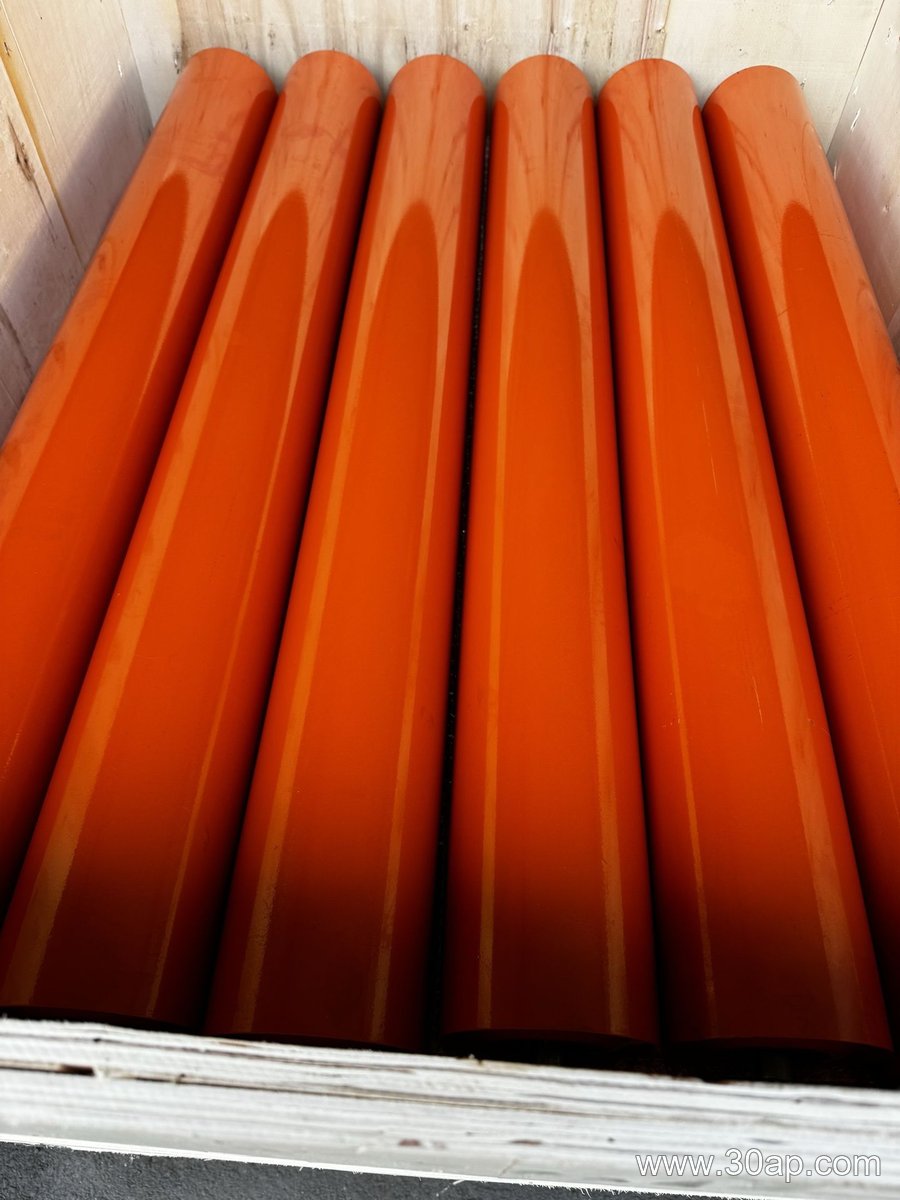
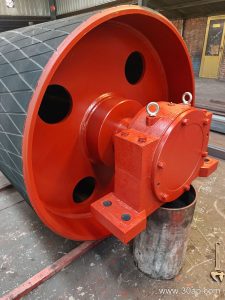
A return idler, such as a flat return or V-return roller, may be used on the empty side of the belt, but it is not a trough idler. The carrying side needs the trough shape; the return side usually needs only flat support. Similarly, a bend pulley or tail pulley is not a trough idler and cannot replace it.
Buyer Checklist for Trough Idlers
Before ordering, confirm the belt width, the trough angle, and the number of rolls in the set. Check the roller diameter and the shaft size required by the existing bracket. Ask whether the application needs standard steel rollers or a special surface such as rubber rings for impact. Verify the bearing and seal type against the dust and moisture level at the site.
Also consider the belt speed and the material load. A trough idler that is too small for the load may wear quickly, while an oversized roller may not fit the frame. The conveyor bracket or frame must match the idler shaft and the mounting hole spacing. For replacement, measure the old roller length and shaft end before choosing a new troughing idler.
Finally, keep spare trough idlers in stock for critical conveyors. A seized roller can damage the conveyor belt, so quick replacement matters. The right trough idler is not just a roller; it is a matched set that keeps the belt stable, the material contained, and the conveyor running.