What a Mining Flame Retardant Conveyor Belt Is
A mining flame retardant conveyor belt is a heavy-duty rubber belt engineered to resist ignition and limit flame spread in underground coal mines, hard-rock operations, cement plants, power stations, and sand and gravel yards. It is not a single rubber compound but a system: a carcass that carries tension and a cover that protects against abrasion, impact, and fire. The accurate equivalent name for this same product is fire-resistant conveyor belt. Both terms describe belting that meets flame spread requirements while remaining suitable for continuous material transport.
How the Belt Is Built
The carcass usually contains EP fabric, NN nylon, or steel cord. EP and NN belts are common in underground coal haulage, while steel cord constructions serve long overland and high-tension lines. Cover grade and thickness are selected by the duty: a typical flame retardant cover might be 4+2 mm or 6+2 mm, with 2 to 6 fabric plies in the carcass. The rubber compound includes additives that suppress flame propagation and reduce static buildup, which matters where coal dust or methane is present.
Typical Construction Reference
| Element | Common Options |
|---|---|
| Type | EP, NN nylon, steel cord, PVC, PVG |
| Tensile strength | EP200, EP315, EP500, EP800, EP1000, EP1600 |
| Belt width | B650, B800, B1000, B1200, B1400, B1600 |
| Cover thickness | 3+1.5, 4+2, 5+2, 6+2, 8+3 mm |
| Ply count | 2 to 6 layers |
These values are reference data. Actual supply depends on the manufacturer and the design duty.
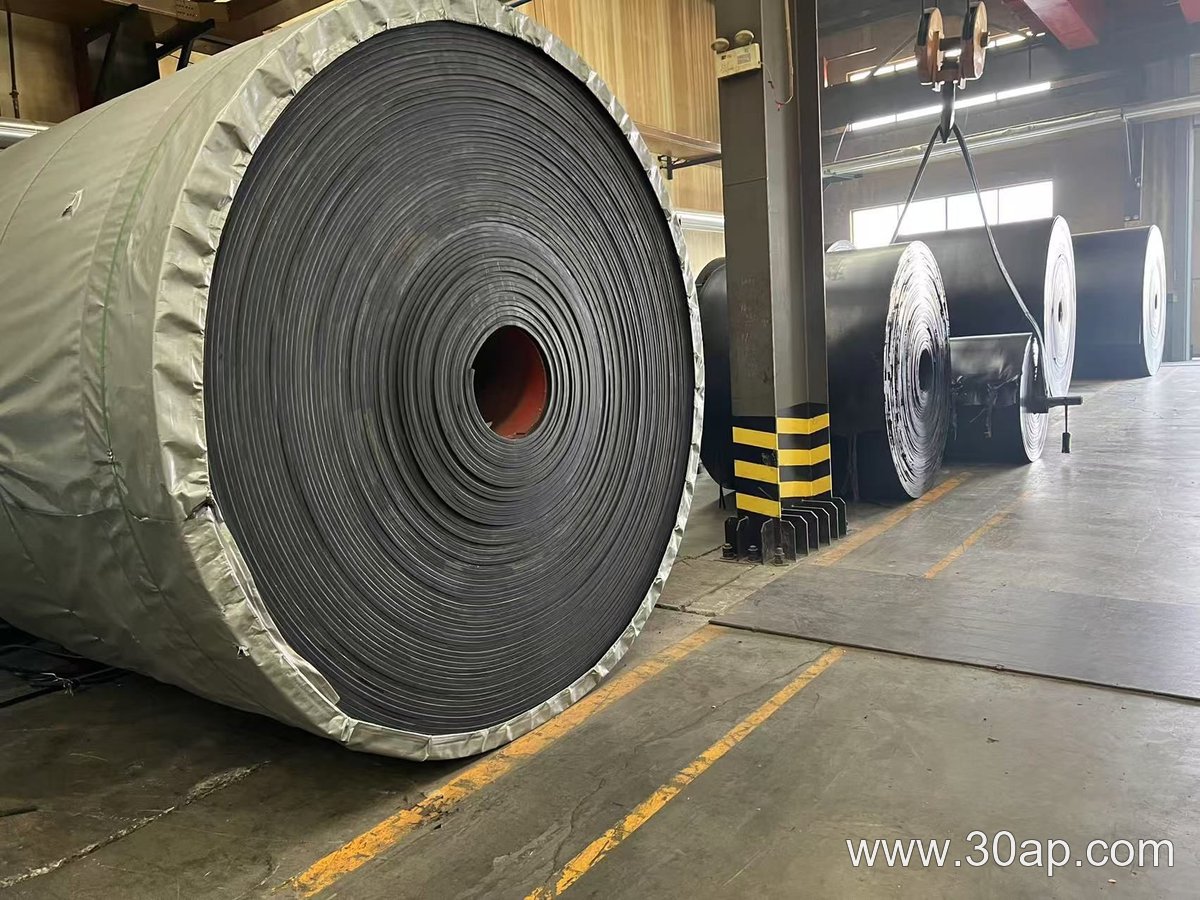
Where It Is Used
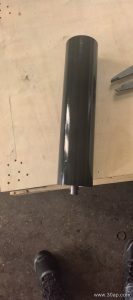
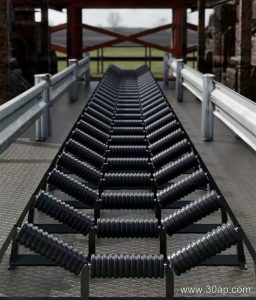
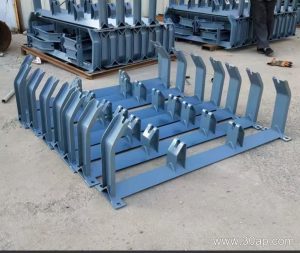
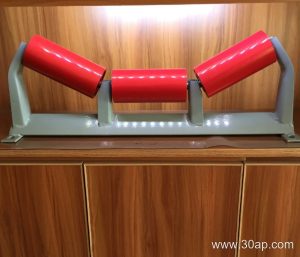
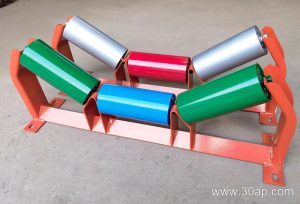
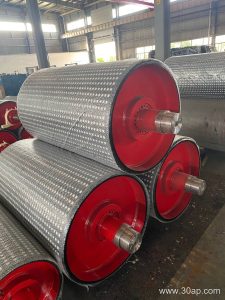
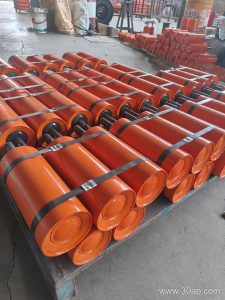
Underground coal mines are the classic application, where a fire-resistant belt is required on main haulage and panel belts. The same belting appears in cement plants moving clinker and limestone, in power plants handling coal, and in sand and gravel operations. In these circuits, the belt runs over idler rollers, wraps a head or drive pulley, returns through a tail pulley, and is supported by conveyor brackets and frames. Drive, tail, and bend pulleys are not interchangeable names: the drive pulley transmits power, the tail pulley returns the belt, and a bend pulley changes direction. A mining flame retardant conveyor belt must track correctly over each of them.
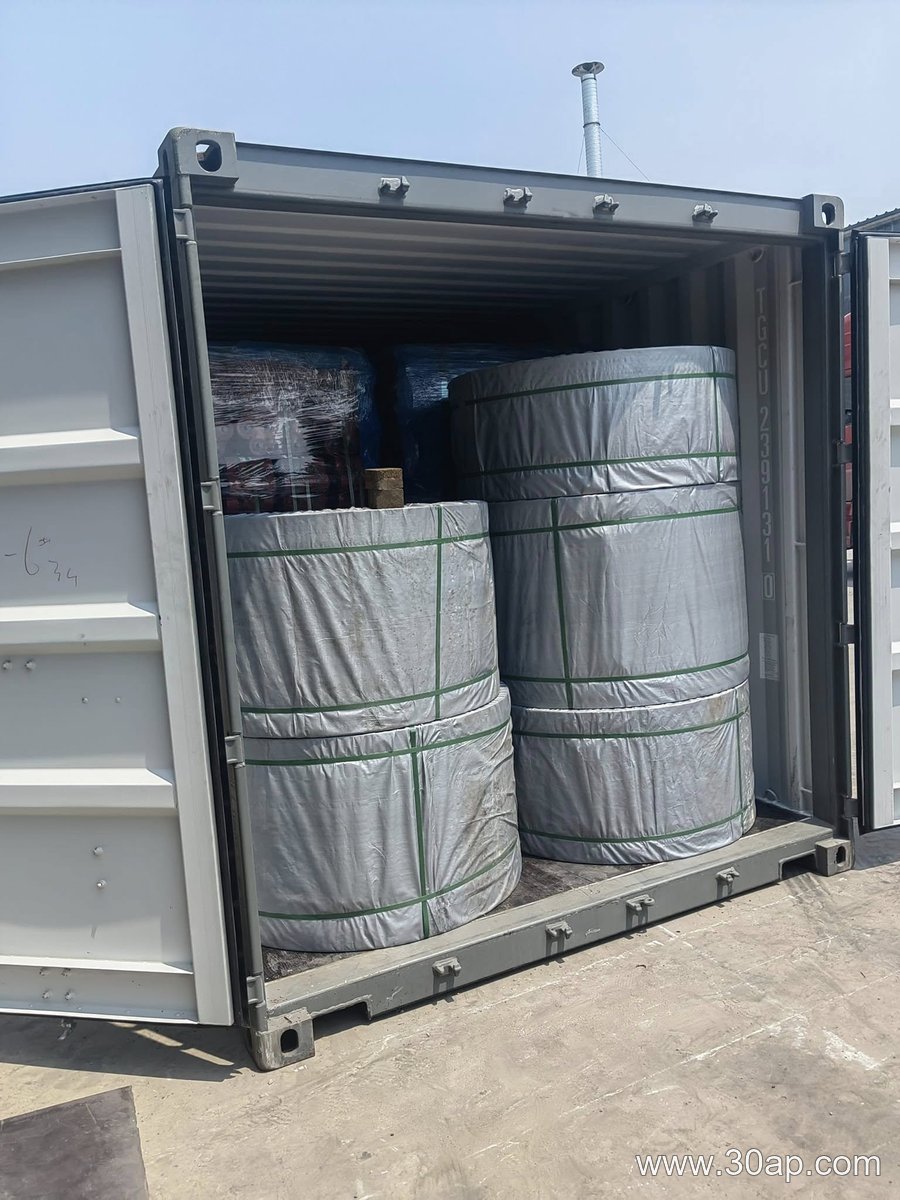
What Buyers Should Check
- Flame resistance and antistatic performance for the specific environment.
- Tensile grade and ply count matched to the conveyor length and load.
- Cover thickness and rubber grade for abrasion, impact, or oil exposure.
- Belt width and pulley face width, confirmed by the conveyor design rather than assumed from one another.
- Whether a smooth, patterned, or cleated surface is needed for the incline.
A buyer should also confirm the belt’s compatibility with existing idler rollers and pulley diameters. One belt width does not dictate one pulley diameter; the pulley size follows the belt’s minimum bend radius, the carcass type, and the tension rating. Shaft diameter is a separate mechanical decision and should not be inferred from belt width alone.
Maintenance Notes
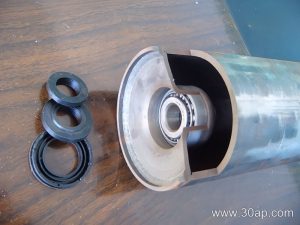
Keep the belt aligned, avoid material spillage at transfer points, and inspect the cover for cuts or exposed carcass. Worn idler rollers or a misaligned conveyor pulley can cause edge damage and reduce service life. In coal or dusty environments, damaged covers expose the carcass and can compromise flame resistance, so repair or replace the belt promptly.
For comparison, a standard abrasion-resistant belt may last well in a quarry but is not a substitute where flame spread rules apply. The flame retardant grade remains the correct choice for mines, coal handling, and enclosed plants.