What an EP100 Conveyor Belt Is
An EP100 conveyor belt is a fabric-reinforced rubber belt built on polyester-polyamide (EP) carcass plies. The “100” refers to the nominal tensile strength of the carcass, commonly expressed as 100 N/mm per ply. In practice, an EP100 belt is a light-to-medium duty workhorse: it carries crushed stone, clinker, coal, sand, gravel, and similar bulk materials on short to medium conveyors where the belt is not exposed to extreme impact or very long center distances.
It is a distinct product from other belt families. NN nylon conveyor belts use a different carcass construction, steel cord belts rely on wire ropes for very high tension, and PVC or PVG belts serve lighter or fire-sensitive duties. Those are alternatives for comparison, not replacements for the EP100 belt itself.
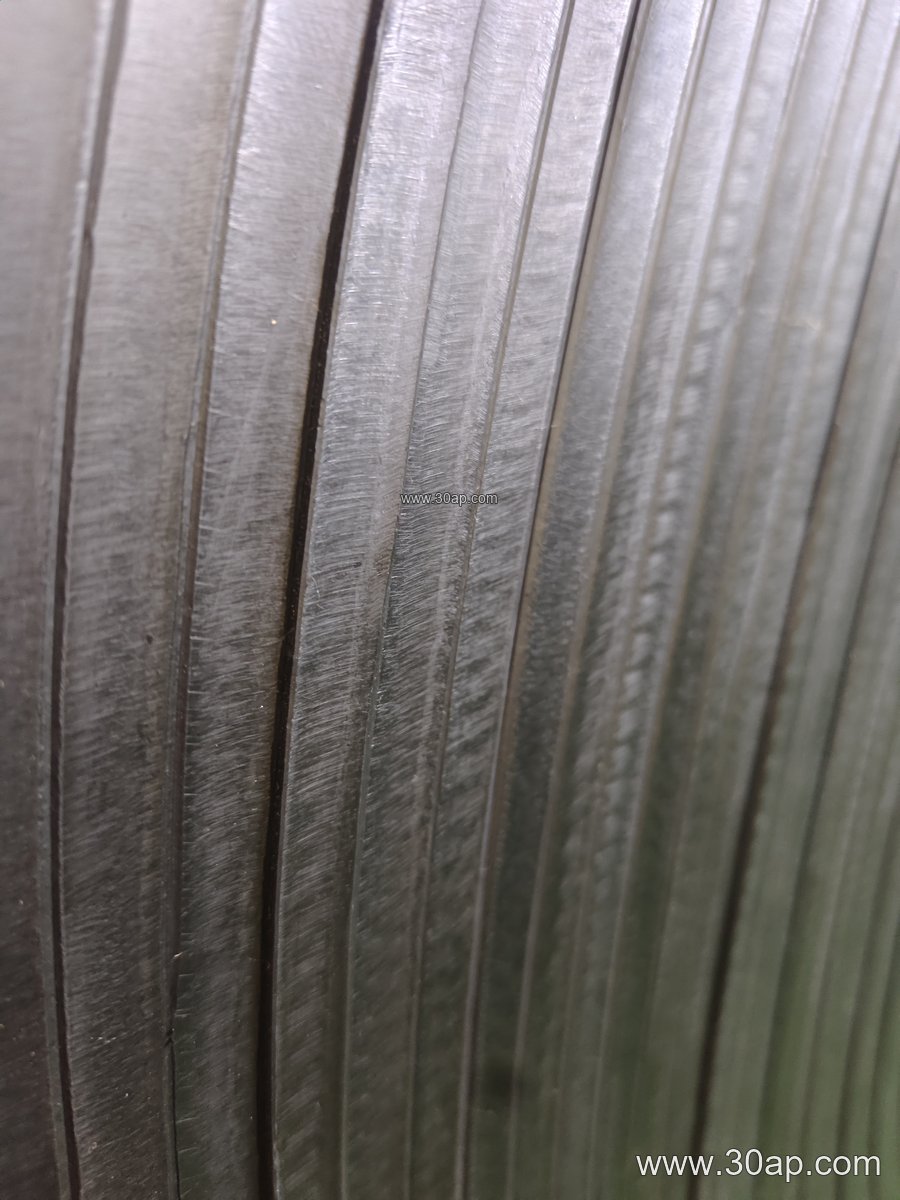
Construction and Cover Compounds
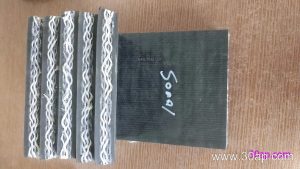
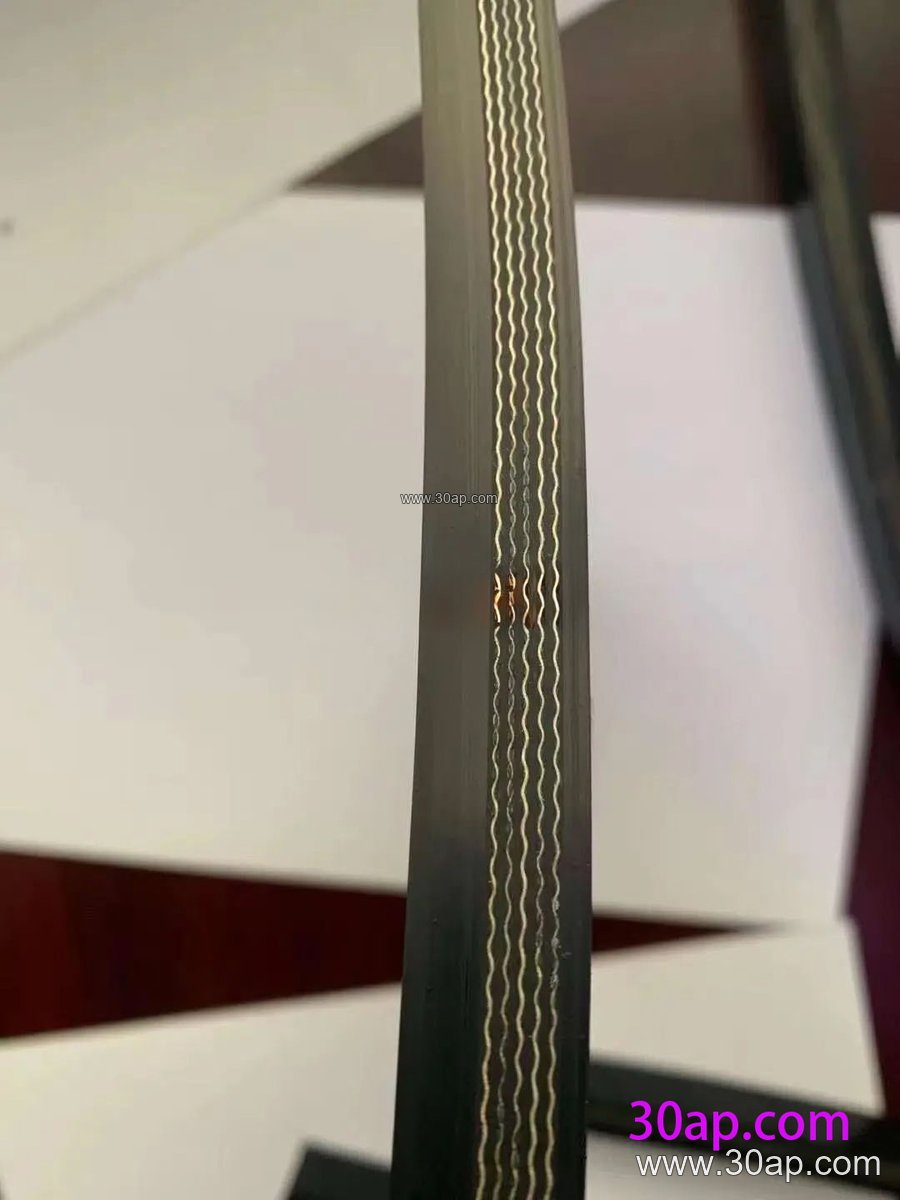
The carcass is made of EP fabric plies bonded in rubber. Typical constructions run from 2 to 6 plies, with the ply count selected according to the required strength and the pulley and loading conditions. Top and bottom covers protect the carcass and carry the load; common cover gauge combinations include 3+1.5 mm, 4+2 mm, 5+2 mm, 6+2 mm, and 8+3 mm.
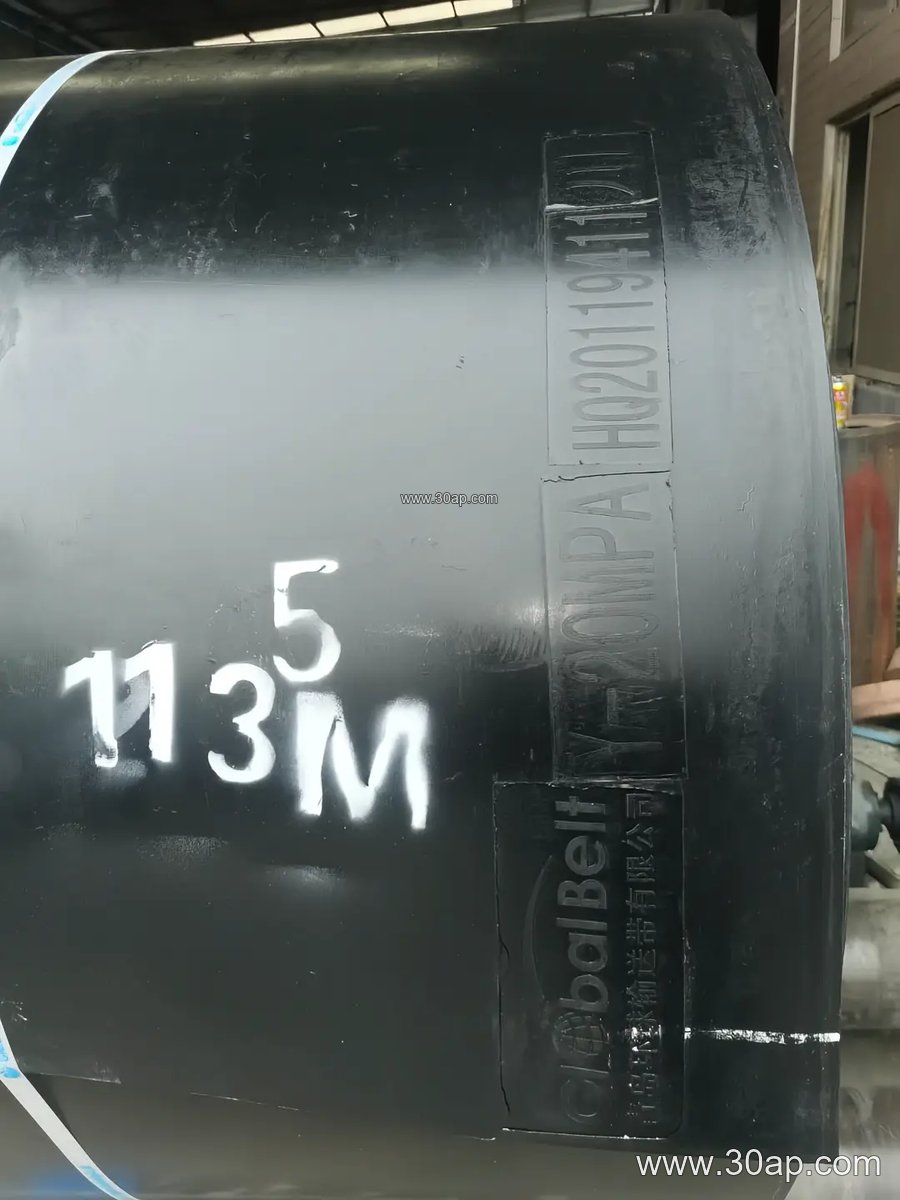
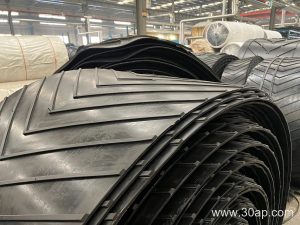
Cover compound matters as much as carcass strength. Standard abrasion-resistant rubber suits sand and gravel; heat-resistant grades suit cement clinker and sinter; oil-resistant grades suit oily scrap or certain mineral feeds; flame-retardant and antistatic grades are chosen for coal and other combustible dust environments; and cold-resistant or acid-alkali grades cover specific site conditions. Surface forms such as patterned, chevron (人字纹), or corrugated sidewall belts are separate variants chosen for inclined or steep conveying, not a substitute for a plain EP100 belt on a standard troughed conveyor.
Common Specification Reference
The table below shows typical reference values. Actual constructions vary by manufacturer and should be confirmed against the conveyor design.
| Parameter | Common reference values |
|---|---|
| Carcass type | EP (polyester-polyamide) fabric plies |
| Nominal strength | EP100; higher grades in the EP series (EP200, EP315, EP400 and above) are used where more tension is needed |
| Belt width | B500, B650, B800, B1000, B1200, B1400, B1600 and wider |
| Ply count | Usually 2 to 6 plies |
| Cover gauges | 3+1.5, 4+2, 5+2, 6+2, 8+3 mm |
| Cover grades | Wear-resistant, heat-resistant, oil-resistant, flame-retardant, antistatic, cold-resistant, acid-alkali resistant |
Belt width and pulley diameter are matched by conveyor design, not by a fixed rule. A given width can run on different pulley sizes depending on tension, ply count, and the required bend radius, so the drive pulley, tail pulley, and bend pulley should each be confirmed from the conveyor layout.
Where It Fits in the Plant
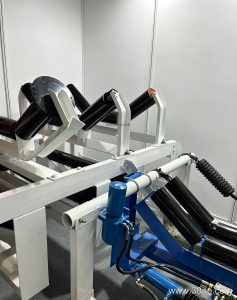
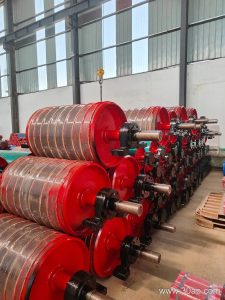
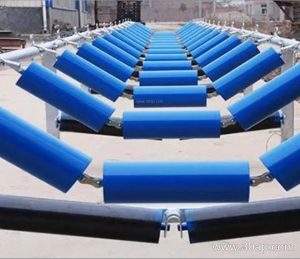
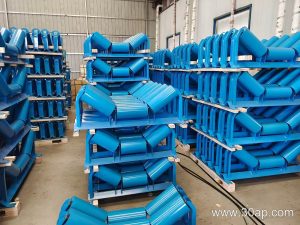
EP100 belts are common in sand and gravel plants, cement lines, power plant coal handling, and general mine haulage where loads are moderate. They work alongside conveyor idler rollers that support the belt, conveyor pulleys that drive and redirect it, and conveyor brackets that hold the frame together. In a typical coal yard or crushing circuit, the belt runs on a troughed idler set, wraps the drive pulley at the head, returns over the tail pulley, and is tensioned by a take-up arrangement. Because the carcass is flexible, EP belts generally tolerate smaller pulleys than steel cord belts of similar strength, which helps in compact transfers and mobile plants.
Buyer Checklist
- Confirm the required belt tension and select ply count and strength accordingly; do not assume EP100 suits every conveyor.
- Match the cover grade to the material: abrasive stone, hot clinker, oily feed, or combustible coal dust each call for a different compound.
- State the belt width and the pulley diameters so the manufacturer can check the bend and ply requirements.
- Check splice method compatibility, since vulcanized or mechanical joints affect belt life.
- Review the idler roller spacing and pulley condition; worn rollers or undersized pulleys shorten belt life regardless of belt quality.
- Ask for the manufacturer’s data sheet for the exact construction, because cover gauges and ply counts are project-specific.
A well-matched EP100 conveyor belt gives reliable service in medium-duty mining, coal, cement, and aggregate duty. The key is to treat the belt as part of a system: correct strength, correct cover, and properly sized pulleys and idler rollers all matter together.