Sizing an idler roller for a restricted conveyor layout
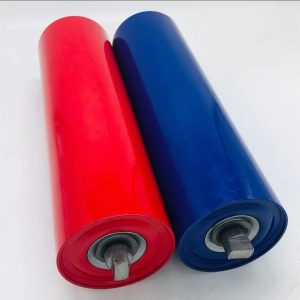
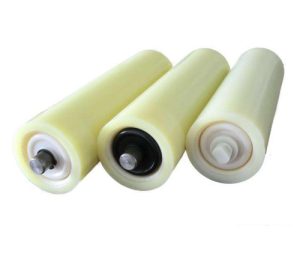
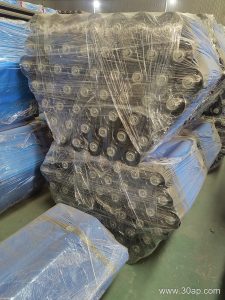
In a hypothetical mineral-processing plant retrofit, engineers face a strict dimensional constraint: the vertical clearance beneath the existing stringer frame limits the maximum shell diameter of every idler roller to 127 mm. This restriction forces a careful balance between load capacity, rotational speed, and bearing life.
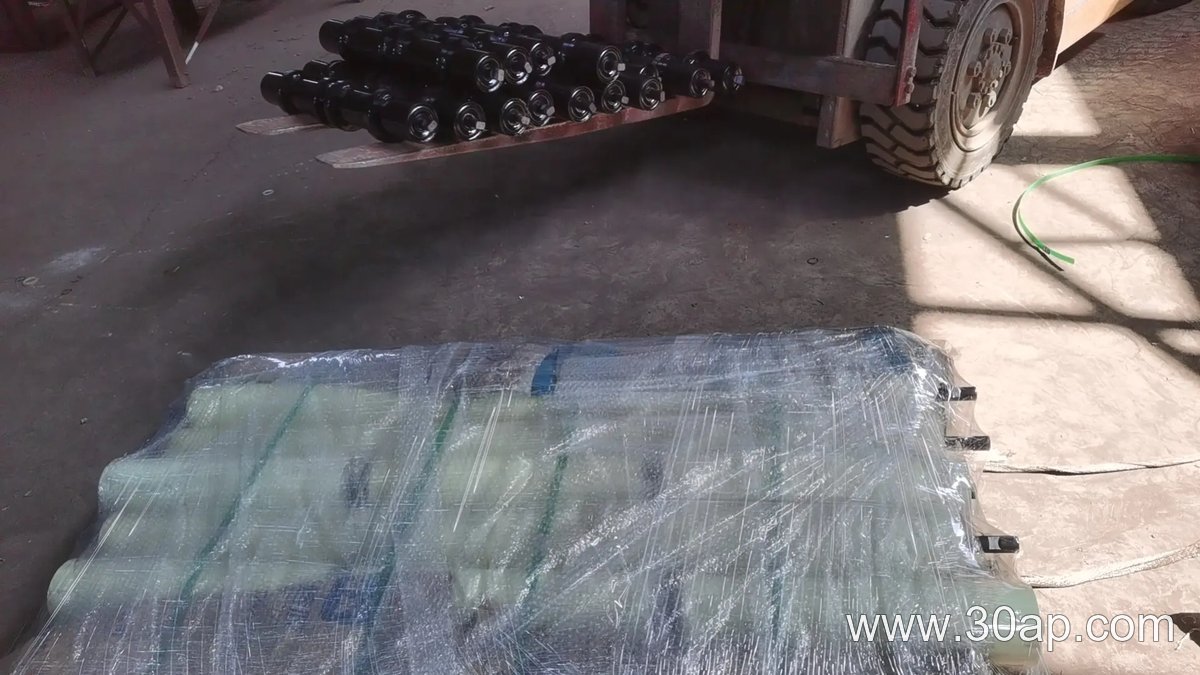
- Evaluate maximum belt tension against shell wall thickness to prevent premature fatigue failure under heavy ore impacts.
- Calculate operating RPM using belt velocity and the restricted 127 mm outside diameter to ensure deep-groove ball bearings stay within safe thermal limits.
- Verify that shaft deflection under maximum lump weight does not pinch the internal bearing seals.
What Drives the Cost of a Heavy Duty Conveyor Pulley in Bulk Material Handling
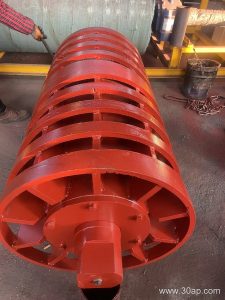
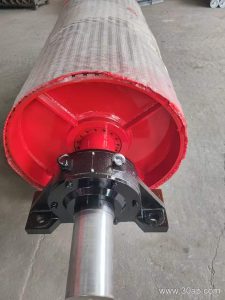
Procuring a heavy duty conveyor pulley for a high-throughput bulk-material port terminal requires balancing capital expenditure against operational reliability. Purchasing managers often find that sticker prices vary widely for units sharing identical nominal diameters, but this variance stems from four fundamental cost drivers rather than arbitrary markups.
Materials and Shell Thickness
Steel plate quality and shell thickness dictate baseline material expenses. Heavy-duty applications demand thick-walled carbon steel or specialized abrasion-resistant alloys. Thicker plates increase raw material weight and cost, while high-grade steel plates require specialized cutting and pre-heating protocols before welding.
Dimensions and Face Width
Face width and diameter scale directly with material costs and machining time. Larger shells demand more raw plate stock and longer lathe operations to ensure true concentricity and dynamic balance.
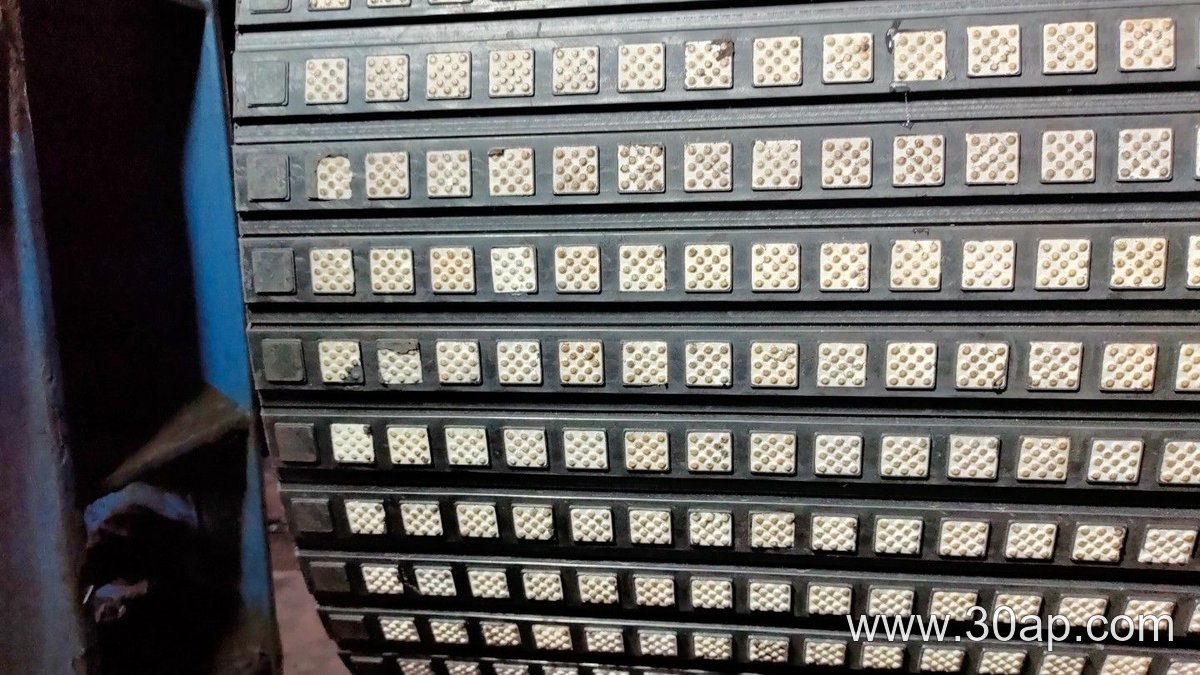
Manufacturing Processes
Fabrication complexity adds labor overhead. Procedures like submerged arc welding for drum seams, stress-relieving heat treatments, and precision locking-element hub installations require skilled labor and strict quality control.
Freight and Logistics
Massive dimensions and heavy overall weights incur high shipping tariffs. Transporting a large conveyor pulley often requires specialized flatbed trucking or overseas container reinforcement, making freight a major portion of the landed cost.
Balancing Structural Rigidity and Alignment Flexibility
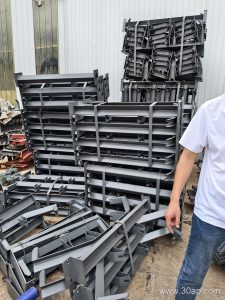
A conveyor bracket must rigidly support idler loads while accommodating thermal expansion and minor structural deflection in heavy industrial settings. Engineers constantly balance plate thickness against weight constraints to prevent fatigue failure under cyclic loads.
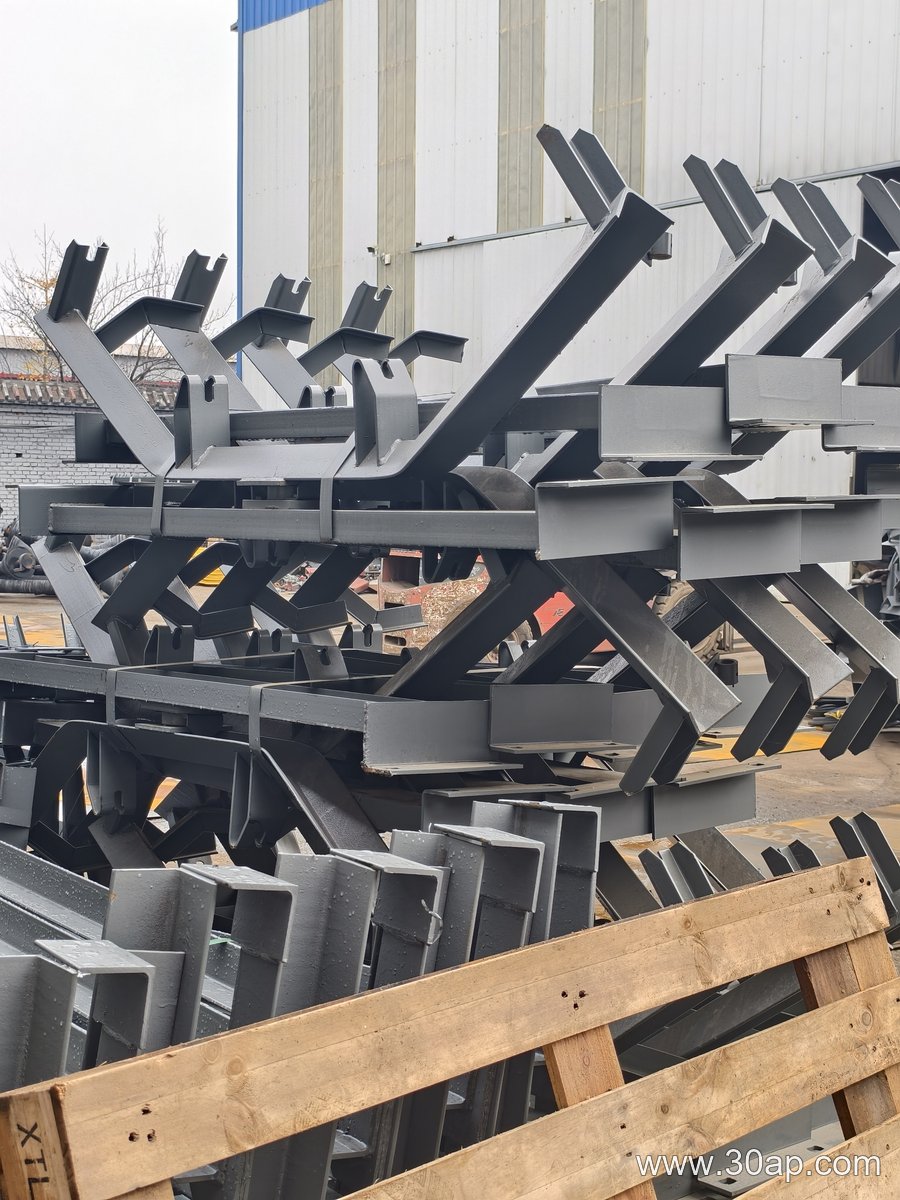
Engineering Trade-Offs in Bracket Design
- Thicker gauge steel improves load capacity but increases overall dead weight on stringers.
- Slotted mounting holes simplify field adjustments yet reduce shear resistance under side-loading forces.
- Welded assemblies offer permanent rigidity but concentrate stress at joint toes compared to formed profiles.
Optimizing these parameters ensures reliable belt tracking without premature structural wear.
How to Evaluate a Chinese Manufacturer When Sourcing an Abrasion Resistant Conveyor Belt
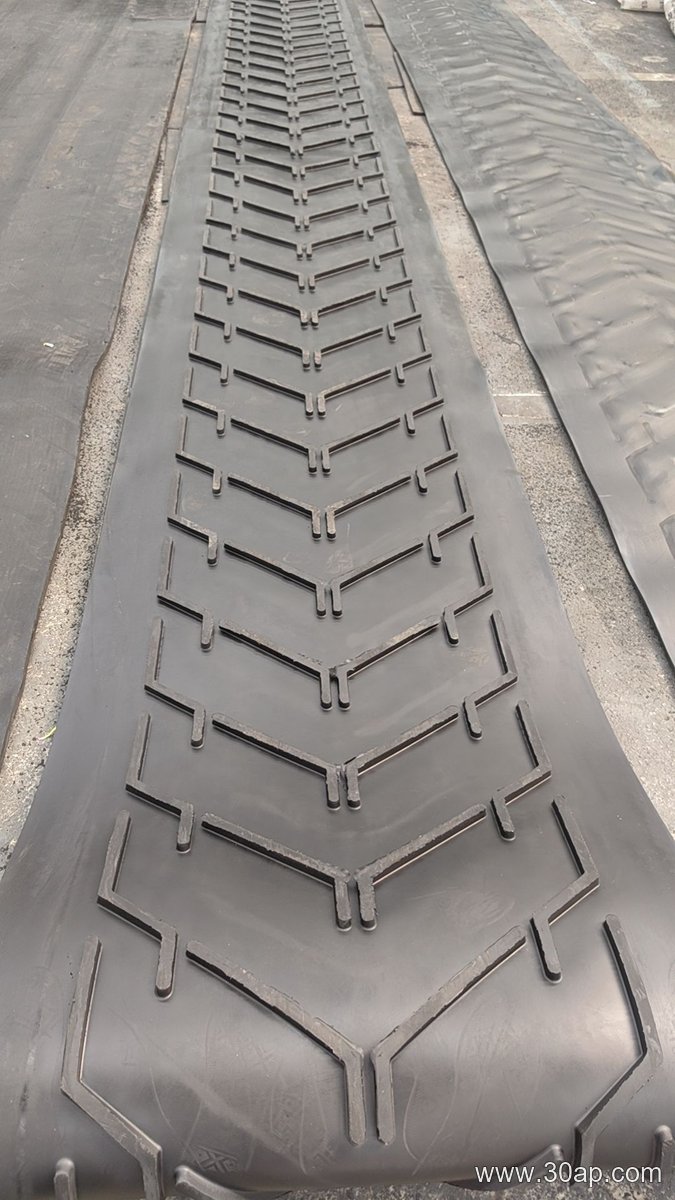
Sourcing an abrasion resistant conveyor belt from an overseas supplier requires strict preparation of technical specifications and systematic factory audits. A thorough specification must define cover compound grades, minimum tensile strength, and expected operational wear parameters for the intended manufacturing line.
- Verify raw rubber compound test reports for abrasion loss values rather than relying on generic trade terms.
- Inspect internal carcass construction details, including EP fabric ply counts and adhesion strength between layers.
- Review quality control checkpoints covering thickness tolerance, width uniformity, and splice integrity before final shipment.