What an Acid Resistant Conveyor Belt Is
An acid resistant conveyor belt is a rubber-covered belt designed to carry materials that release acids, salts, or other corrosive compounds. It is not simply a standard belt with a thicker cover. The cover compound, the carcass, and the splice method are all selected so the belt can survive chemical attack while still tracking and hauling loads. In fertilizer plants, mineral processing lines, and some coal preparation circuits, acid-bearing fines, slurries, and damp ore can shorten the life of an ordinary belt within months. The acid resistant conveyor belt uses a cover formulation with low reactivity and a carcass that resists hydrolysis and chemical degradation.
How the Belt Is Built
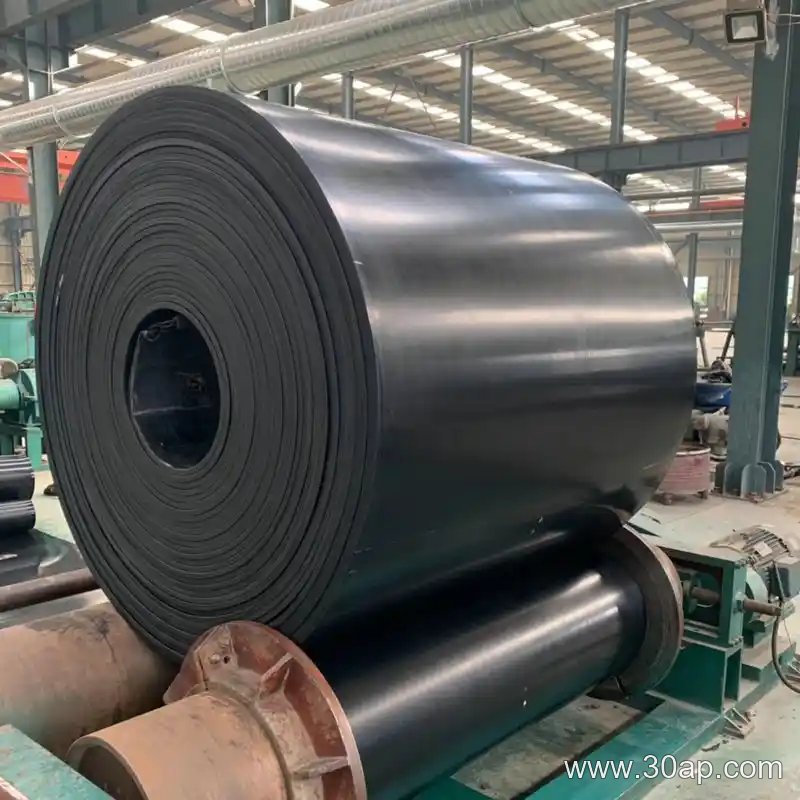
Most acid resistant belts follow the same layered construction as other rubber conveyor belts. The top cover protects against the carried material, the bottom cover protects against the rotating parts, and the carcass carries tension. Common carcass options include EP (polyester-cotton) fabric, NN nylon fabric, and steel cord, depending on the duty. The cover grade is the key difference. A corrosion-resistant cover usually has a higher polymer content and selected fillers that slow acid penetration. Cover thickness is often specified as top cover plus bottom cover, for example 4+2 mm or 6+2 mm. A thicker cover helps in wet or splash-heavy conditions, but it also adds weight and may require more attention at the pulley and idler roller contact points.
Where It Fits in the Conveyor Line
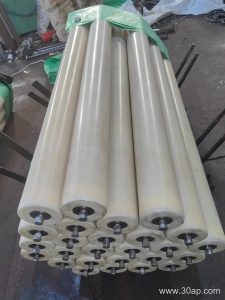
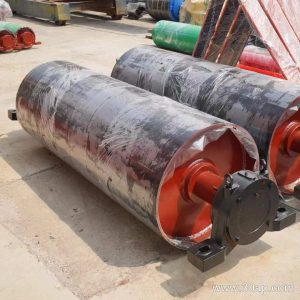
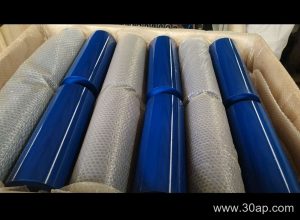
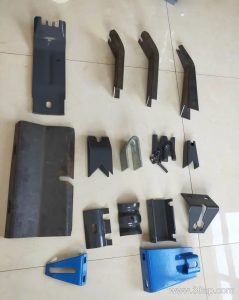
An acid resistant conveyor belt can be used on the same structural frame as other belts. It runs over the drive pulley, tail pulley, and bend pulleys, and it is supported by idler rollers and held in place by conveyor brackets. Those parts are not interchangeable in function. The drive pulley transmits motion, the tail pulley returns the belt, and a bend pulley changes direction. The belt itself must match the pulley diameters and trough angle chosen by the system designer. In a cement plant handling gypsum, a power plant moving wet ash, or a sand and gravel yard washing aggregate, acid attack is often combined with abrasion. In those cases the cover needs both acid resistance and good wear resistance.
Common Types and Parameters
Acid resistant belts are not one single construction. The list below shows reference ranges often used in project specifications. Actual values depend on the manufacturer and the design of the conveyor.
- Carcass type: EP fabric, NN nylon, or steel cord
- Fabric plies: usually 2 to 6 layers
- Tensile grades: EP200, EP315, EP400, EP500, EP630, EP800, EP1000, EP1250, EP1600, EP2000
- Belt width: B500, B650, B800, B1000, B1200, B1400, B1600, B1800, B2000
- Cover thickness: 3+1.5 mm, 4+2 mm, 5+2 mm, 6+2 mm, 8+3 mm
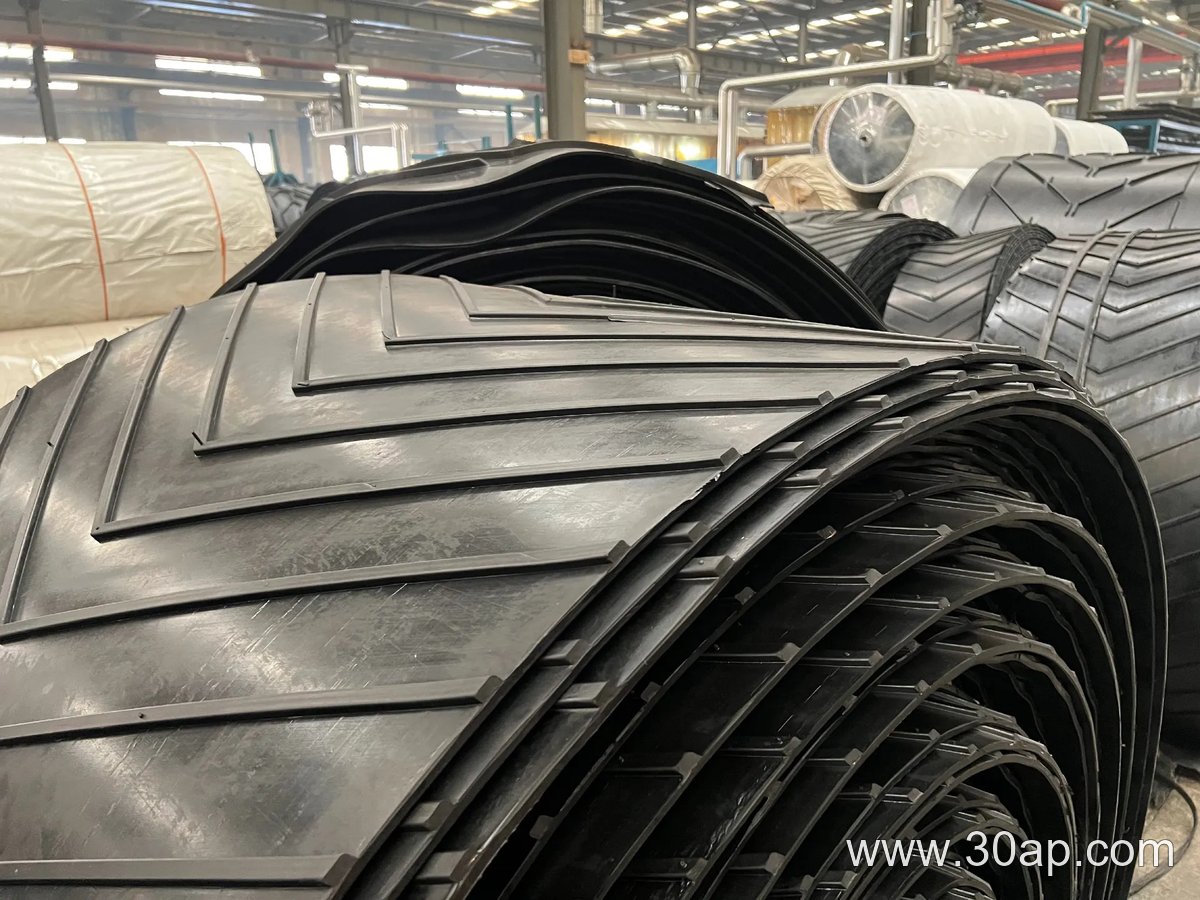
- Surface form: smooth, patterned, chevron, or corrugated sidewall
For comparison, a heat resistant belt is chosen when the main threat is hot clinker or sinter, while an acid resistant grade is chosen when the main threat is chemical attack. A belt can be both heat and acid resistant, but the compound becomes more specialized and the selection should be reviewed by the belt supplier.
Selection and Maintenance Notes
Buyers should first identify the acid type, concentration, and temperature at the belt surface. A dilute acid at ambient temperature is a different duty from a hot acid slurry. The second step is to confirm the tensile grade and width against the actual load. A B800 belt and a B1200 belt can both be acid resistant, but they suit different tonnages and different pulley widths. There is no rule that one belt width must use one pulley diameter. Pulley diameter is calculated from belt tension, ply count, and carcass flexibility.
During operation, keep the idler rollers turning freely. A stuck roller can rub through the cover and expose the carcass to acid. Check the conveyor pulley lagging for chemical damage, and inspect the conveyor brackets for corrosion that could misalign the frame. Washdown areas should drain well, because standing acidic water at the tail pulley is a common cause of early belt failure. Store spare belts away from direct sunlight, ozone sources, and pooled chemicals. When splicing, use a compound compatible with the cover grade, and allow the splice to cure fully before running the belt under load.
Quick Buyer Checklist
- Confirm acid type, concentration, and temperature
- Choose carcass type and tensile grade for the load
- Match belt width to the conveyor frame and pulley face
- Select cover thickness for abrasion and splash exposure
- Verify pulley diameters and trough angle with the system designer
- Plan inspection of idler rollers, pulleys, and brackets
An acid resistant conveyor belt is a system component, not a standalone upgrade. When the cover compound, carcass, and mechanical parts are selected together, the belt lasts longer in fertilizer, mineral, coal, cement, power, and sand and gravel operations.