What the EP400 Conveyor Belt Is
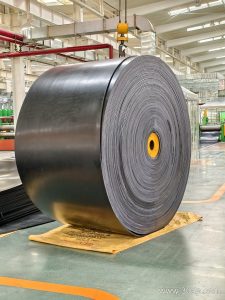
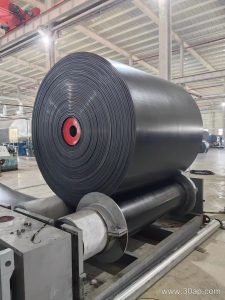
An EP400 conveyor belt is a fabric-reinforced rubber belt built on polyester-polyamide (EP) carcass layers. The number 400 refers to the nominal tensile strength of the carcass, commonly expressed as 400 N/mm per ply in the reference classification. Because the EP fabric combines low elongation with good fatigue resistance, this belt grade is often chosen for main haulage lines where moderate to heavy loads run continuously.
Buyers also meet the same product under the equivalent name polyester-polyamide conveyor belt, or simply EP belt at 400 strength class. It is not the same product as an NN nylon conveyor belt, and it should not be confused with steel cord or PVC/PVG belts, which serve different duty ranges.
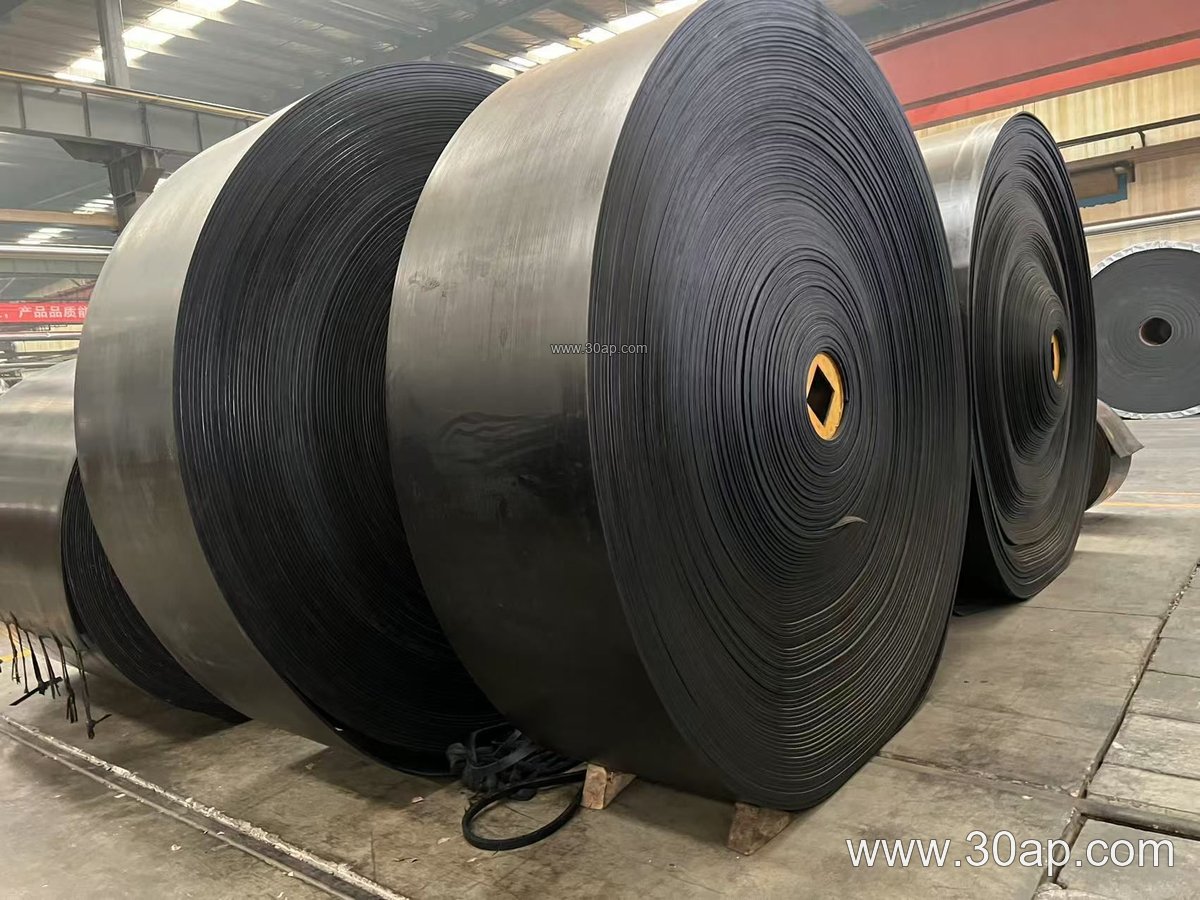
Construction and Surface Options
The carcass usually contains 2 to 6 plies depending on the duty and the safety factor chosen by the designer. Cover rubber protects the fabric from abrasion, impact and moisture. Typical cover combinations include 3+1.5 mm, 4+2 mm, 5+2 mm, 6+2 mm and 8+3 mm, with the first figure being the top cover and the second the bottom cover. The right cover thickness depends on lump size, drop height and abrasion severity rather than on belt width alone.
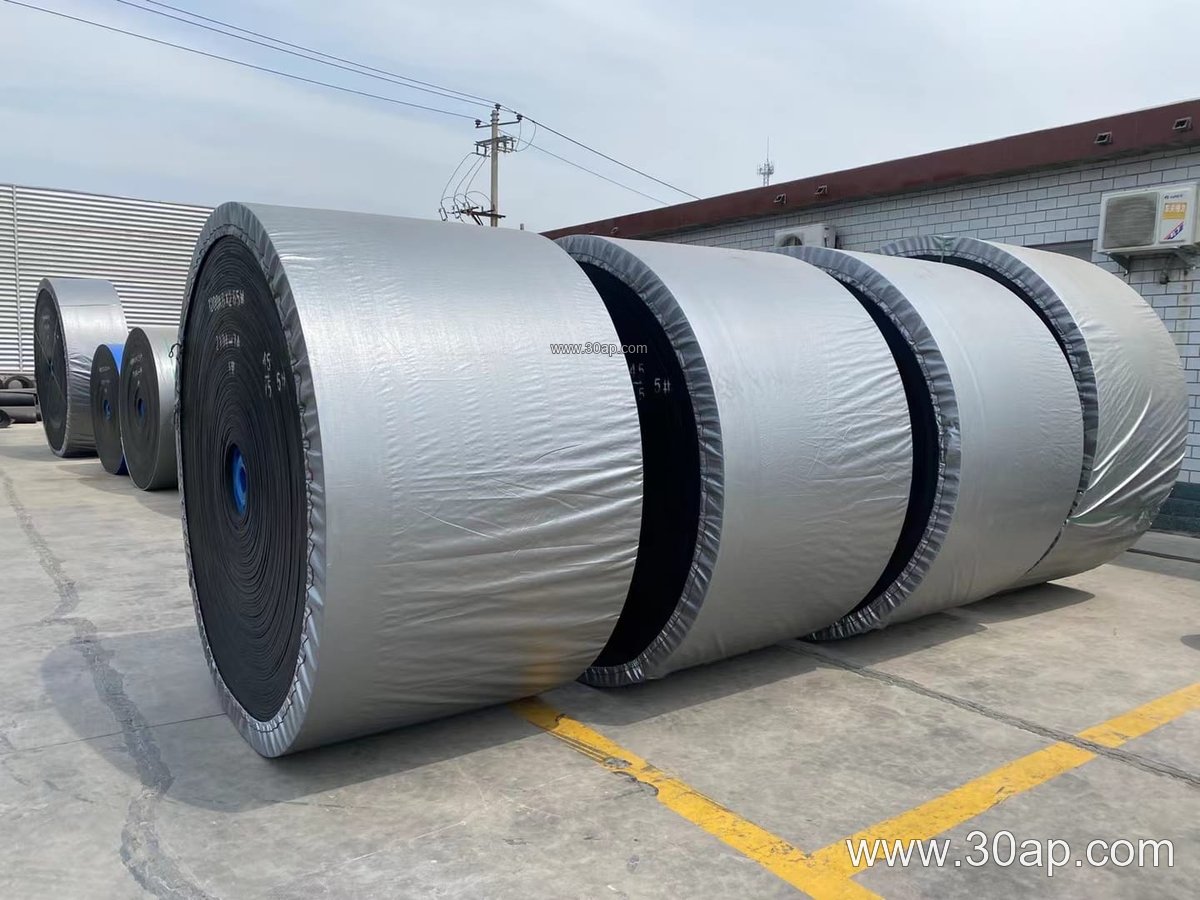
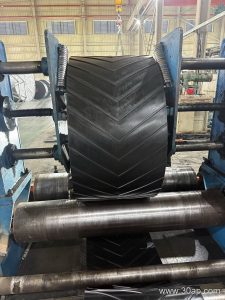
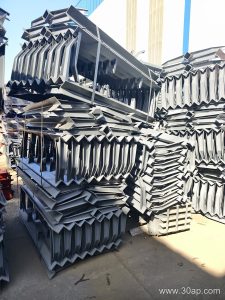
For specific environments, the same EP400 carcass can be supplied with wear-resistant, heat-resistant, oil-resistant, flame-retardant and antistatic, cold-resistant, or acid and alkali resistant covers. Patterned versions such as herringbone or chevron surfaces are used on inclines, while corrugated sidewall belts handle steep or vertical paths. These are cover and edge variants of the same belt family, not separate strength classes.
Common Widths and Strength Reference
Standard belt widths in this class range from narrow lines to wide main conveyors. The table below lists reference values only; actual supply is confirmed per project.
| Parameter | Common reference values |
|---|---|
| Strength class | EP200, EP315, EP400, EP500, EP630, EP800, EP1000, EP1250, EP1600, EP2000 |
| Belt width | B500, B650, B800, B1000, B1200, B1400, B1600, B1800, B2000 |
| Cover thickness | 3+1.5, 4+2, 5+2, 6+2, 8+3 mm |
| Carcass plies | Usually 2 to 6 layers |
There is no fixed rule that one belt width matches one pulley diameter. Belt width, pulley face width, shaft load and troughing geometry are separate design decisions, so a B1000 belt may run on different pulley sizes in different installations.
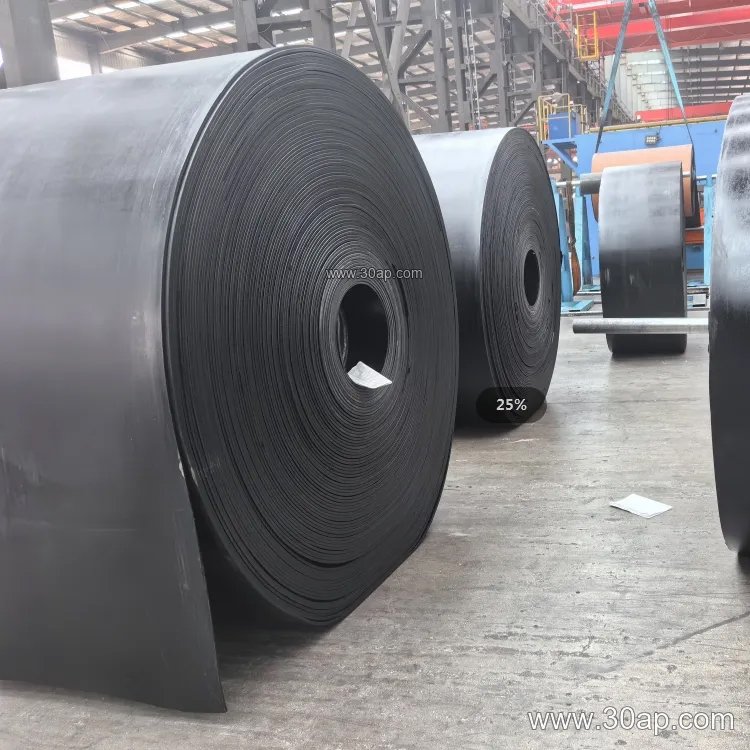
Where It Fits in the Plant
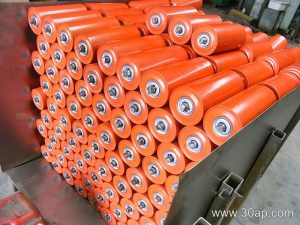
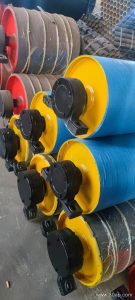
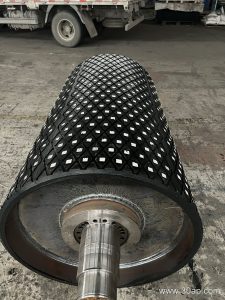
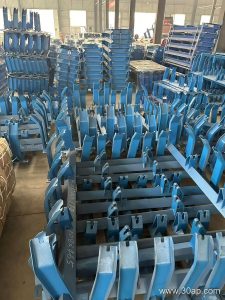
This belt grade appears across mining, coal preparation, cement plants, power stations, sand and gravel yards, and bulk ports. In a typical circuit it runs over conveyor pulleys at the head and tail, supported by idler rollers on the carrying side and return side, with conveyor brackets holding the idlers and frame in alignment. The EP400 carcass suits long horizontal runs and gentle inclines where impact is moderate and the belt must resist repeated flexing at every pulley.
Selection and Maintenance Notes
- Check the calculated belt tension against the selected strength class, and keep a sensible safety factor for start-up and surge loads.
- Match cover grade to the actual material: hot clinker, oily scrap or fine abrasive stone each calls for a different cover compound.
- Confirm pulley diameters with the belt supplier so that the carcass is not over-flexed at the drive pulley.
- Keep idler rollers turning freely and check pulley lagging, since a seized idler can damage the cover quickly.
- Track belt edge wear and splice condition during routine inspections; early splice repair avoids unplanned stops.
A well-matched EP400 conveyor belt, with the right cover and a properly maintained pulley and idler system, gives predictable service in demanding bulk handling duty.