What a Feed Point Impact Idler Does
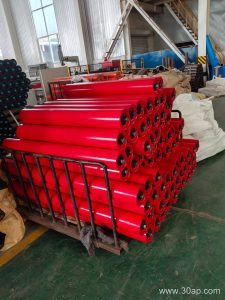
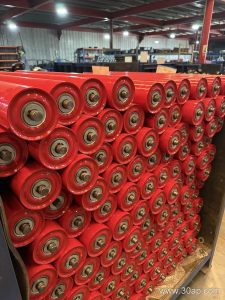
A feed point impact idler is a heavy-duty carrying roller installed directly beneath the loading chute or transfer point of a conveyor belt. Its job is to absorb the kinetic energy of falling material and protect the belt carcass from cutting, puncturing, and excessive wear. Unlike a standard carrying idler, this roller works under repeated shock loads, so its construction and mounting differ from ordinary troughing sets.
The same product is also called a impact roller or buffer idler in many workshops. Those names refer to the same item, not to a drive pulley, tail pulley, or bend pulley. When specifying a replacement, use the full term feed point impact idler so the supplier knows it is for the loading zone rather than a general carrying position.
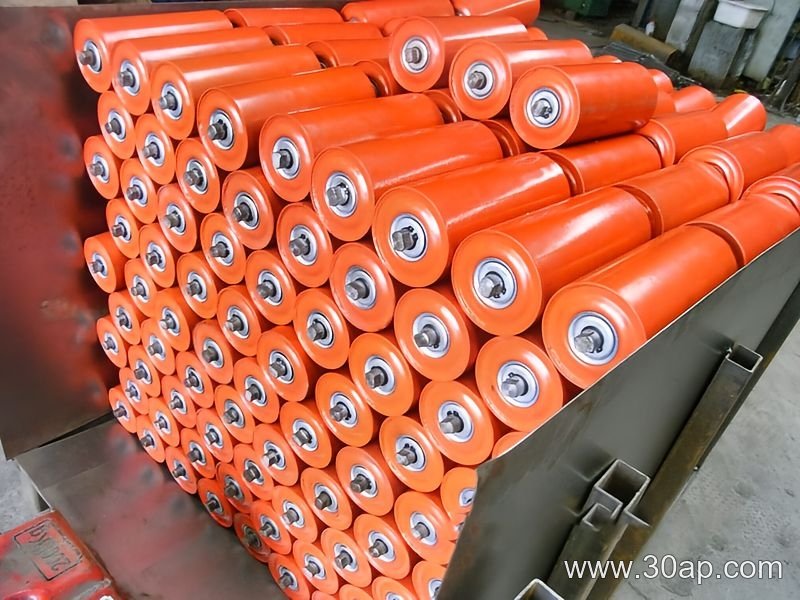
Construction and Surface Options
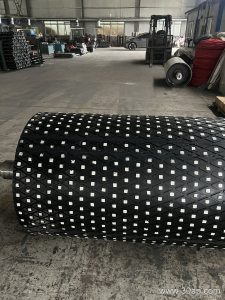
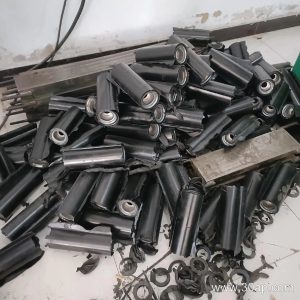
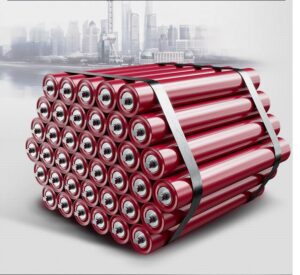
A typical impact idler uses a steel tube body with rubber rings or a rubber disc surface. The rubber absorbs impact and reduces the chance of material sticking to the roller. Some designs use a solid rubber ring set, while others use a spiral or segmented rubber covering. The shaft and bearing housing are usually reinforced to handle vibration.
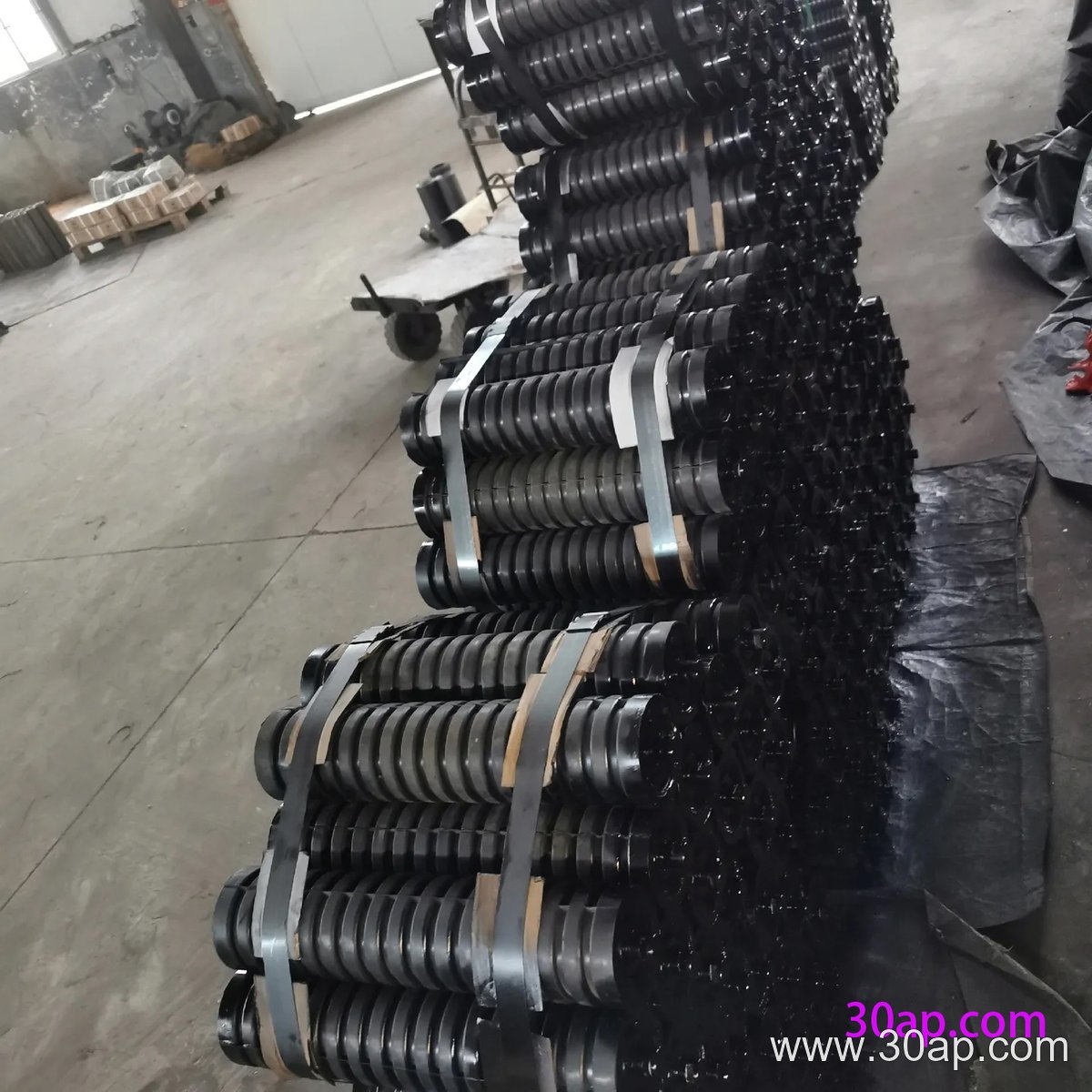
Common roller diameters for this duty include 89 mm, 108 mm, 133 mm, 159 mm, and 178 mm. Bearing sizes such as 6205, 6305, 6306, and 6308 appear in many impact idler assemblies. These values are reference examples only; the correct combination depends on belt width, material lump size, drop height, and the idler manufacturer’s design.
Common Reference Data
| Parameter | Typical range or example |
|---|---|
| Roller diameter | 89 mm to 178 mm, selected by load and belt width |
| Belt width | B500 to B2400, with intermediate sizes available |
| Trough angle | 20°, 30°, 35°, or 45° for three-roll sets |
| Bearing | 6205, 6305, 6306, 6308 as common examples |
| Roller surface | Rubber rings, rubber discs, or steel tube with rubber lagging |
These figures are not fixed pairings. A B800 belt, for instance, can use different roller diameters and bearing sizes depending on the conveyor speed and the actual impact energy. The shaft diameter is determined by the idler frame and load calculation, not by belt width alone.
Where It Fits on the Conveyor
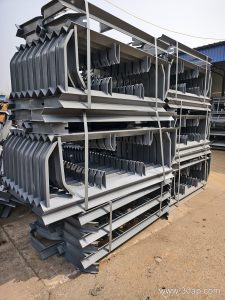
Impact idlers are placed in the loading zone, usually as a group of three or more rollers forming a trough. They may be mounted on a rigid frame or on a spring-loaded bracket that allows vertical movement. The conveyor bracket and mounting base must be strong enough to resist the repeated downward force from the falling material.
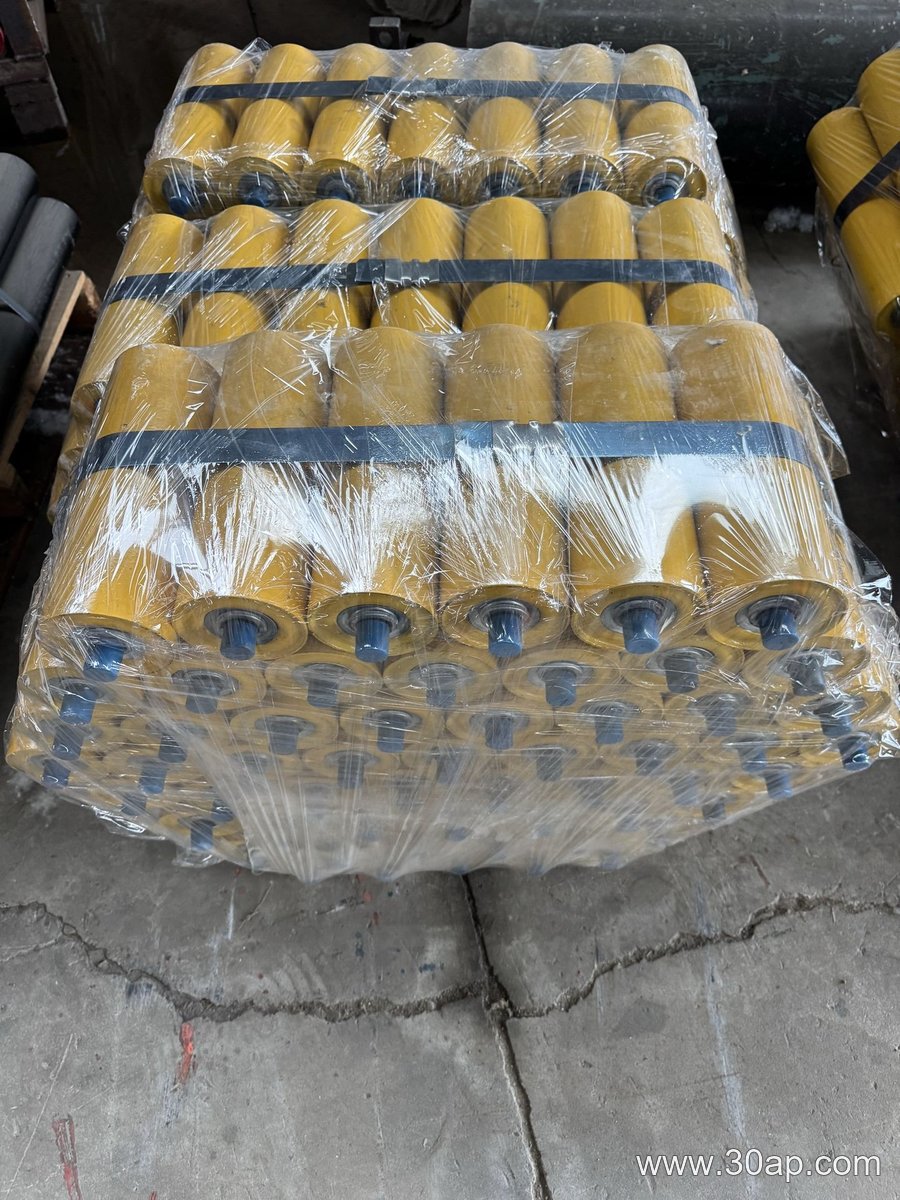
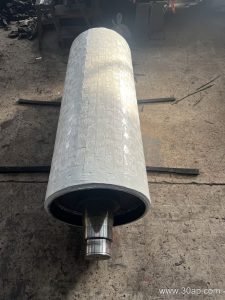
These rollers appear in quarry loading points, limestone crushing circuits, coal preparation plants, and aggregate transfer stations. In a coal handling system, for example, the impact zone may sit below a crusher discharge chute. In an aggregate line, it sits under the primary feed hopper. The roller is not used at the drive, tail, or bend position; those locations use a conveyor pulley instead.
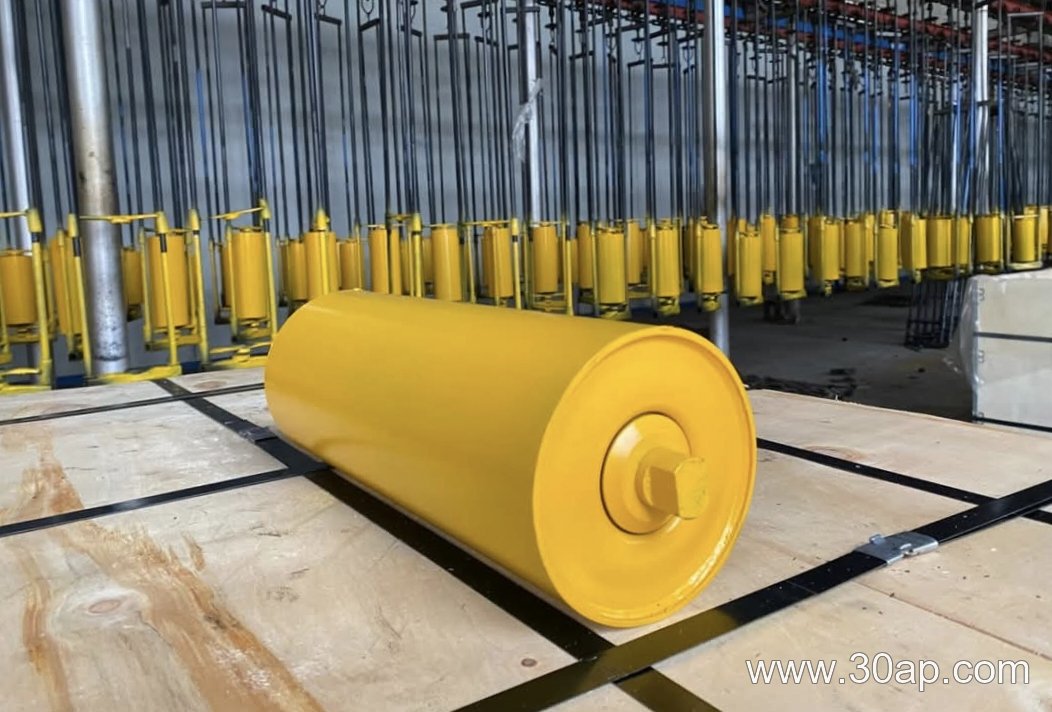
Selection and Maintenance Notes
When choosing a feed point impact idler, consider the maximum lump size, the drop height from the chute, the belt speed, and the material density. A roller with a larger diameter and thicker rubber covering generally handles bigger lumps and higher drop heights. The trough angle should match the existing carrying idlers so the belt maintains a consistent profile.
Maintenance checks should include rubber ring wear, bearing play, and frame alignment. A worn rubber surface exposes the steel tube and increases belt wear. A loose bearing housing causes vibration and can damage the belt edge. Replacing the impact idler before the rubber is completely worn is cheaper than repairing a damaged conveyor belt.
Buyers should ask for the roller diameter, bearing model, shaft size, mounting dimensions, and rubber hardness. Do not assume that one belt width always matches one roller diameter. Provide the actual loading conditions so the supplier can recommend a suitable impact roller rather than a standard carrying idler.