What a Belt Tracking Idler Does
A belt tracking idler is a specialized roller assembly used to keep a conveyor belt centered on its path. In industries such as mining, coal preparation, cement, power generation, and aggregate crushing, belt misalignment causes spillage, edge damage, and excessive wear on the conveyor belt. The tracking idler, sometimes called a self-aligning idler or training idler, corrects the belt’s lateral movement automatically. It is not a drive pulley, tail pulley, or bend pulley; those components transmit power or change belt direction, while the tracking idler only guides the belt.
How a Belt Tracking Idler Is Built
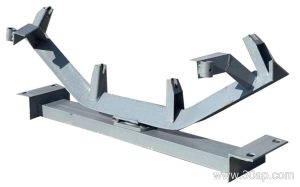
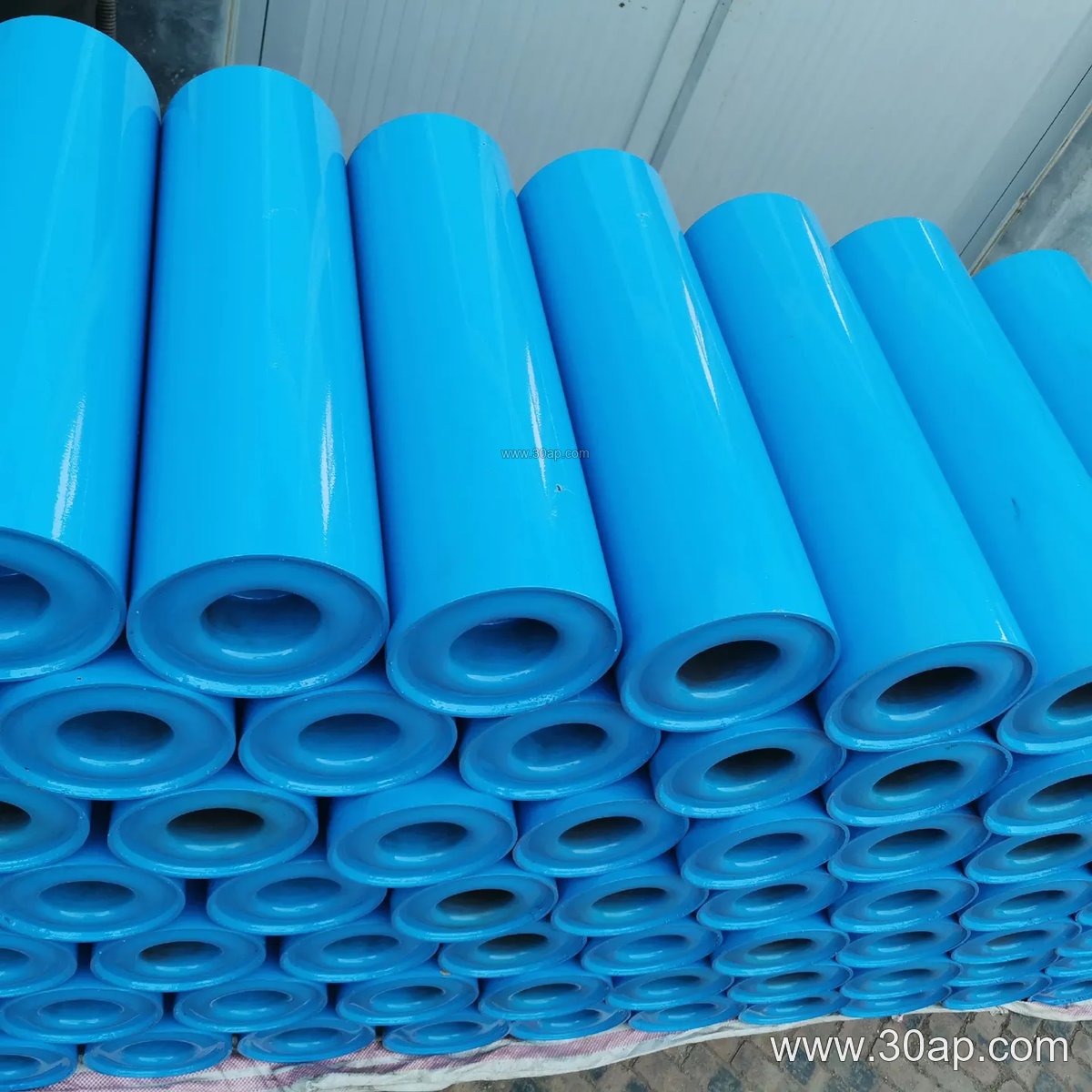
The construction varies, but common designs include a set of rollers mounted on a pivoting frame. When the belt drifts to one side, it contacts a vertical guide roller or a tapered end, causing the frame to rotate slightly. This rotation steers the belt back toward the center. The rollers themselves often use steel pipe, nylon, ceramic, or rubber lagging on the surface. Bearings such as 6204, 6205, 6305, 6306, 6308, or 6310 are typical, though the bearing size must match the roller diameter and load, not just the belt width.
Common Types and Where They Fit
Several tracking idler designs exist. A friction self-aligning idler uses friction between the belt and a small roller to trigger correction. A tapered aligning idler has conical ends that create a centering force. A return training idler is installed on the return strand to keep the belt aligned after it leaves the head pulley. These are distinct from standard carrying idlers, impact idlers, or spiral idlers, which serve different purposes such as load support or material shedding. The tracking idler is usually placed at intervals along the conveyor, often after the drive pulley or before the tail pulley, depending on the belt’s tendency to wander.
Key Parameters for Selection
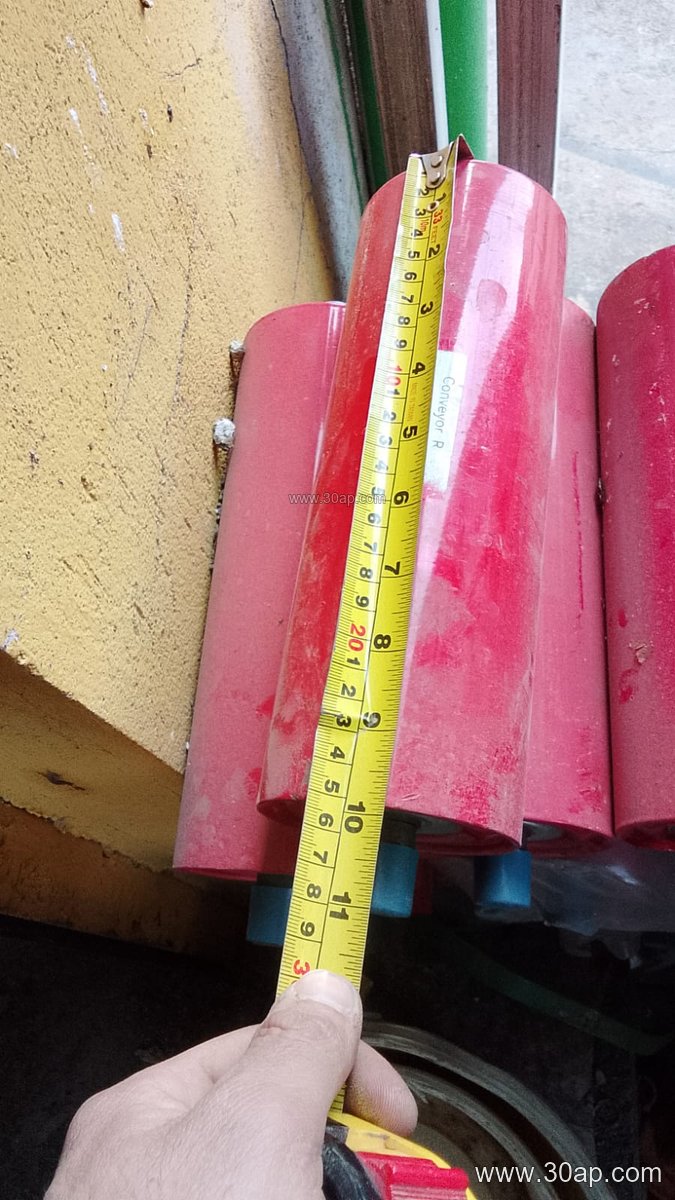
A buyer should consider roller diameter, belt width, trough angle, and roller length. The table below gives common examples, but actual values are determined by the conveyor design and should not be treated as fixed pairings.
| Parameter | Common Examples |
|---|---|
| Roller diameter | Ø63, Ø76, Ø89, Ø102, Ø108, Ø127, Ø133, Ø159, Ø178, Ø194, Ø219 mm |
| Belt width | B400, B500, B650, B800, B1000, B1200, B1400, B1600, B1800, B2000, B2200, B2400 |
| Trough angle | 20°, 30°, 35°, 45° |
| Roller surface | Steel pipe, nylon, ceramic, rubber ring |
| Bearing | 6204, 6205, 6305, 6306, 6308, 6310 |
| Roller length (three-roll troughing, typical) | B500: ~200 mm; B650: ~250 mm; B800: ~315 mm; B1000: ~380 mm; B1200: ~465 mm; B1400: ~530 mm; B1600: ~600 mm; B1800: ~670 mm; B2000: ~750 mm |
Note that side rollers and center rollers can have different lengths. A single belt width does not dictate a single pulley diameter or shaft diameter. The conveyor bracket and idler roller must be matched to the actual load and belt speed.
Applications and Maintenance
Belt tracking idlers are found in coal mines, limestone quarries, iron ore processing, cement plants, power plant coal handling, port terminals, and sand and gravel lines. In dusty or wet conditions, sealed bearings and wear-resistant roller surfaces help extend service life. Regular inspection should check for roller rotation, frame pivoting freedom, and buildup that could restrict movement. A misaligned belt that persists after adjusting the tracking idler may indicate a problem with the conveyor pulley alignment or loading point, not the idler itself.
What a Buyer Should Know
When ordering a belt tracking idler, specify the belt width, desired roller diameter, trough angle, roller length, bearing type, and surface material. Confirm the mounting dimensions and the conveyor bracket interface. Avoid assuming that a larger diameter is always better; the idler must fit the existing structure and handle the belt tension. Ask for the manufacturer’s recommendation based on your conveyor layout, material characteristics, and operating hours. A properly selected tracking idler reduces downtime and protects the conveyor belt, but it is not a substitute for correct pulley alignment or proper loading.