What a Cement Conveyor Belt Has to Handle
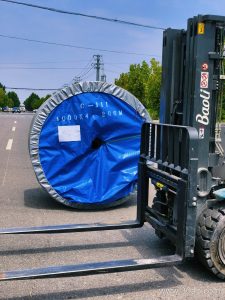
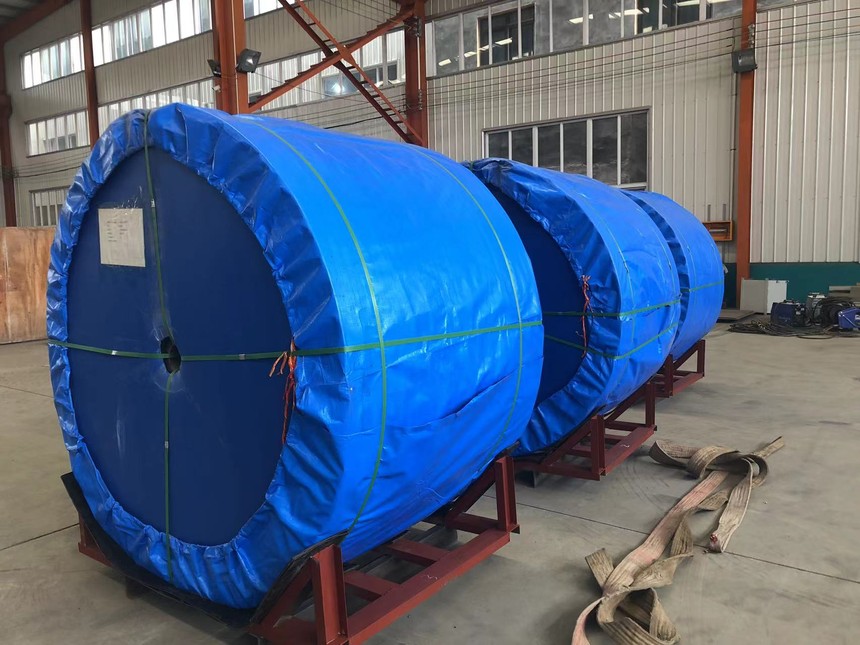
A cement conveyor belt is the load-carrying component in the bulk handling line that moves clinker, limestone, gypsum, slag, and cement from crushers and silos to mills, ship loaders, or packing stations. The duty is rarely gentle. Material can arrive hot, abrasive, dusty, or damp, and the belt often runs in the open or in partially enclosed galleries where dust and fines settle on every surface. That is why a general-purpose belt is seldom the best answer for a cement plant, a quarry, or a sand and gravel yard that feeds a cement operation.
The same product is also called a rubber conveyor belt for cement duty, or simply a cement plant belt. These are accurate equivalents for the same item, not different machines.
How the Belt Is Built
Construction normally combines a carcass, cover rubber, and edge protection. The carcass carries tension; the covers protect the carcass from abrasion, heat, and oil. Common carcass options include EP fabric, NN nylon, and steel cord, with two to six fabric plies being typical for many medium-duty lines.
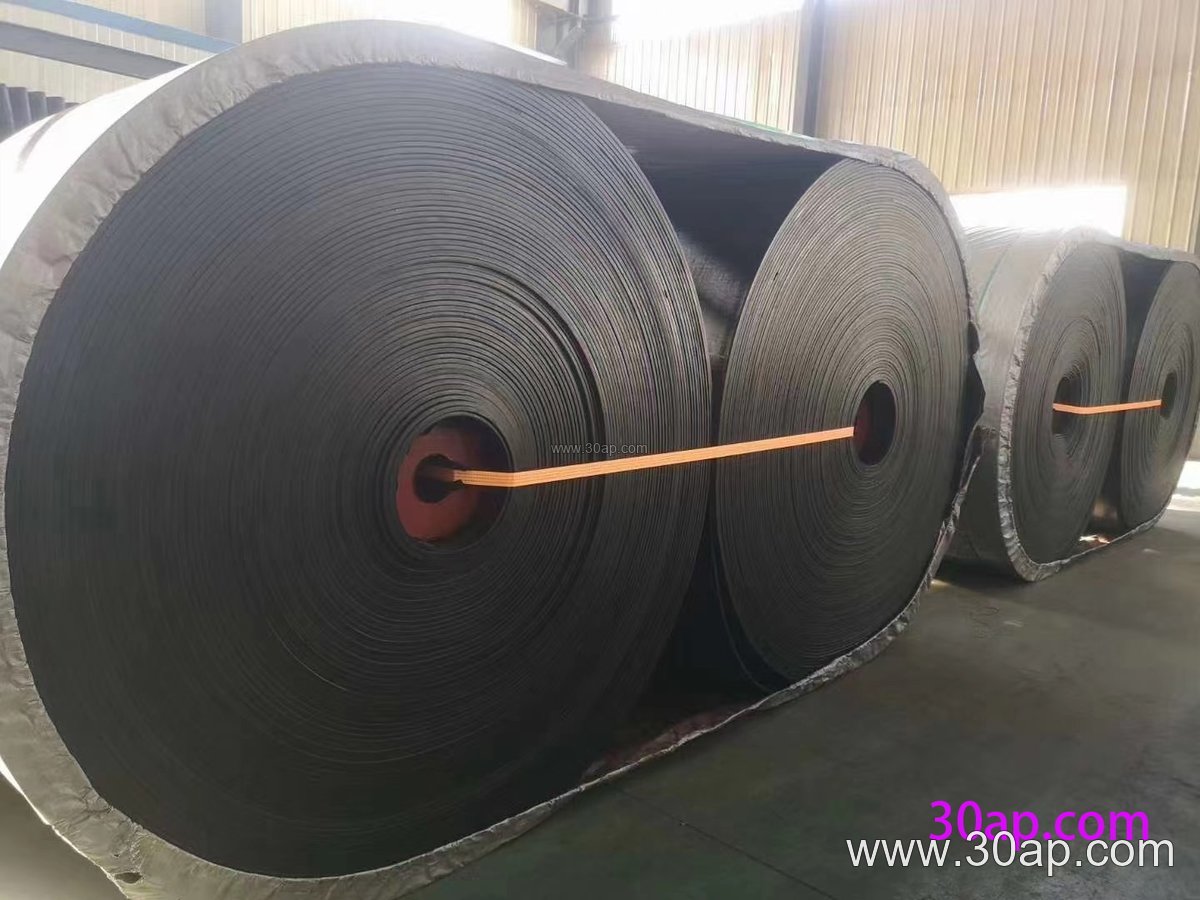
- EP conveyor belt: good tensile strength and low elongation, widely used on medium and long hauls.
- NN nylon belt: strong impact resistance, useful under crusher discharge points.
- Steel cord belt: for very long center distances and high tonnage.
- PVC or PVG belt: often chosen where fire resistance or oil resistance matters.
Cover grades matter because clinker and limestone cut and wear rubber quickly. A wear-resistant cover, heat-resistant cover, or oil-resistant cover is selected according to the material temperature and composition. Flame-retardant and antistatic grades are common in coal handling and enclosed areas.
Common Specifications at a Glance
The table below shows reference values that appear in project discussions. They are not universal requirements and should be confirmed against the actual conveyor design.
| Item | Typical range | Notes |
|---|---|---|
| Belt width | B500, B650, B800, B1000, B1200, B1400, B1600, B1800, B2000 | Selected from capacity, lump size, and troughing angle |
| Tensile strength | EP200, EP315, EP400, EP500, EP630, EP800, EP1000, EP1250, EP1600, EP2000 | Higher grades for longer or steeper conveyors |
| Cover thickness | 3+1.5, 4+2, 5+2, 6+2, 8+3 mm | Top cover plus bottom cover |
| Ply count | 2 to 6 layers | Fabric carcass; steel cord differs |
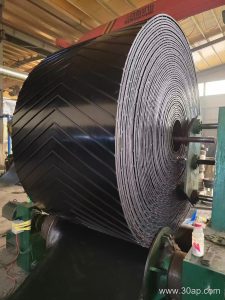
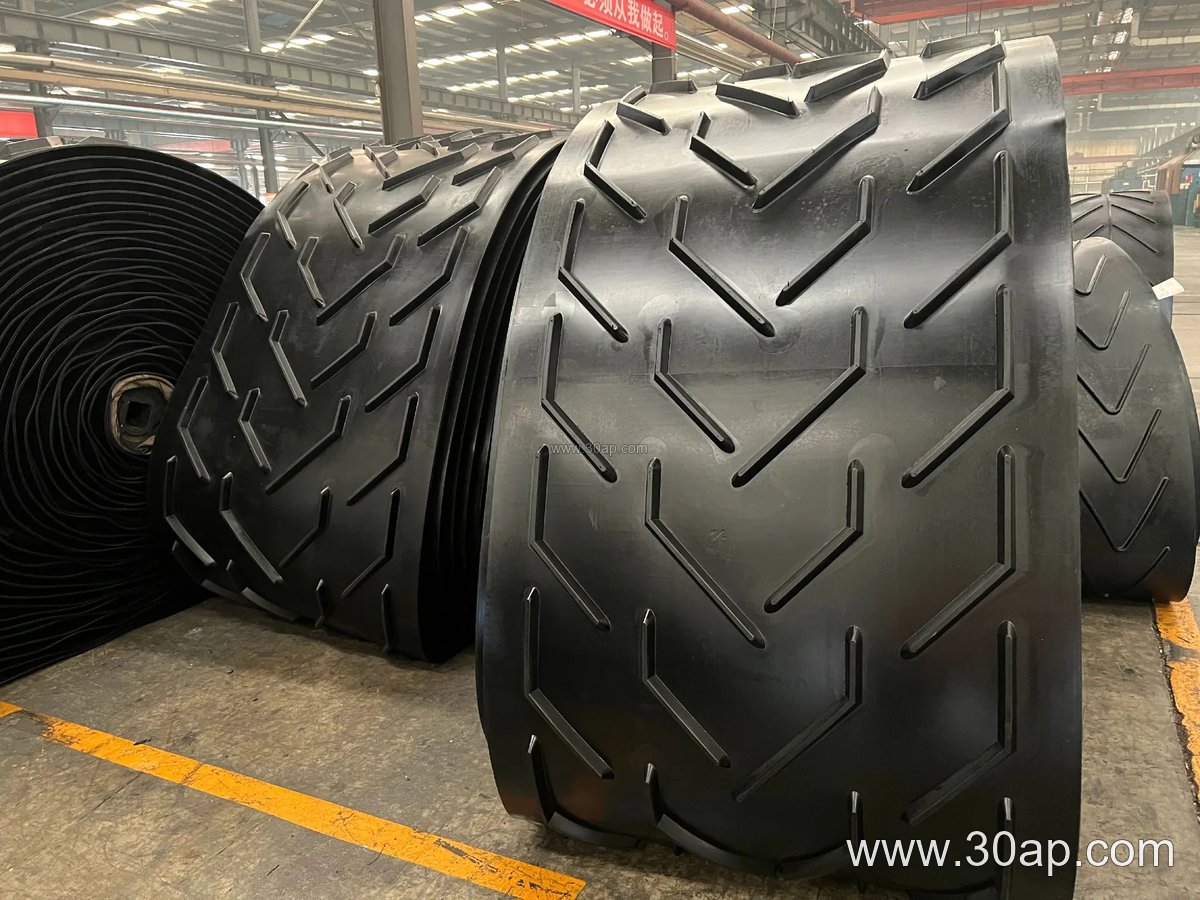
| Surface form | smooth, patterned, chevron, corrugated sidewall | Patterned or cleated belts help on inclines |
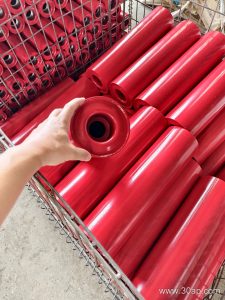
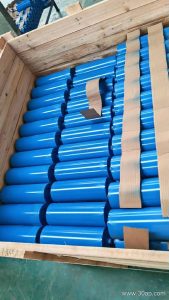
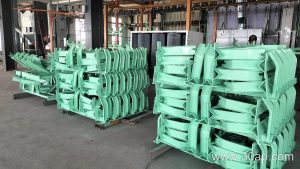
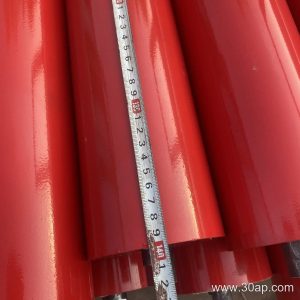
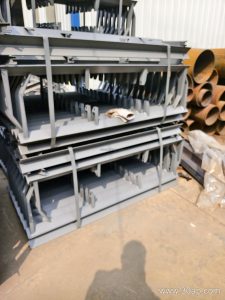
Width and pulley diameter are related through the conveyor design, but one belt width does not lock in a single pulley size. The drive pulley, tail pulley, and bend pulley each have their own role and are not interchangeable. A conveyor pulley is sized from torque, wrap angle, and belt tension, while idler rollers and conveyor brackets are matched to the trough profile and the belt’s load support needs.
Where It Fits in the Plant
In a cement plant, belts appear at the quarry face, the crushing station, the raw mill feed, the clinker cooler discharge, the gypsum and pozzolan blending lines, and the final cement transport to silos. Similar duties exist in a coal mine feeding a power plant, a sand and gravel yard, and a metallurgical plant handling slag or ore. The material may be dry and dusty or wet and sticky, and the belt must track well even when the load shifts to one side.
What a Buyer Should Confirm
- Material type, temperature, and lump size, because these drive cover grade and carcass choice.
- Conveyor length, incline, and capacity, which influence belt width and tensile grade.
- Whether fire resistance, antistatic behavior, or oil resistance is required.
- Pulley and idler roller compatibility, including troughing angle and transition distance.
- Whether a patterned, chevron, or corrugated sidewall belt is needed for the incline.
Maintenance also deserves attention at the buying stage. A belt that runs misaligned will wear its edges and damage the conveyor pulley lagging. Regular inspection of idler rollers, brackets, and skirt rubber helps avoid premature failure. Keeping a spare belt on site is common in cement plants because a stopped kiln feed line is expensive.
In short, a cement conveyor belt should be chosen as a system component rather than a generic rubber strip. The right carcass, cover, and surface form will last longer, track better, and reduce downtime in the cement, mining, and power industries.