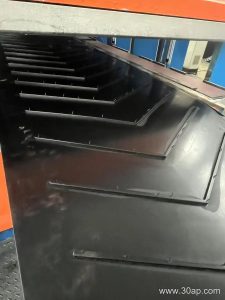
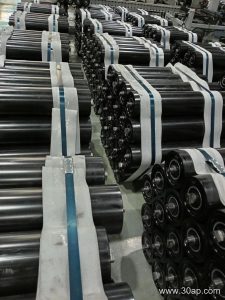
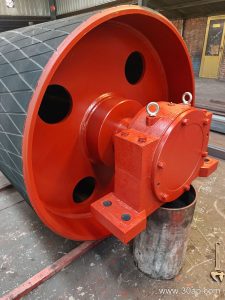
What the Impact Idler Bracket Does at the Load Point
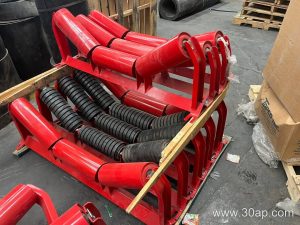
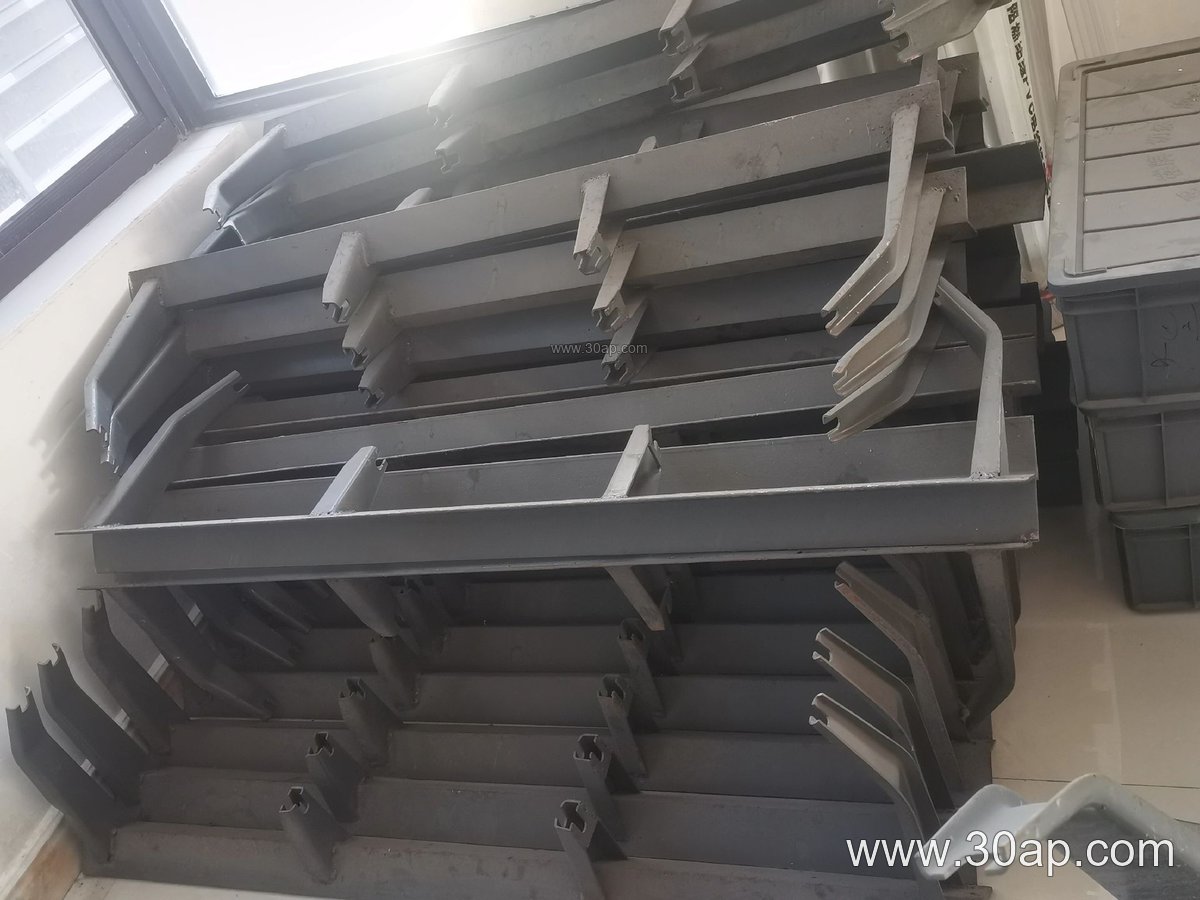
On a belt conveyor, the loading zone takes more punishment than any other section. Ore, clinker, or crushed stone drops onto the conveyor belt with force, and the first rows of idlers absorb that energy. An impact idler bracket is the support frame that holds those cushioning rollers in place under the chute, keeping them aligned with the belt line while the material strikes. It is also called a buffer idler bracket, and the two names describe the same component. Its job is not only to carry weight but to keep the roller position stable so the belt does not sag, drift, or wear unevenly where the load lands.
Construction and Common Materials
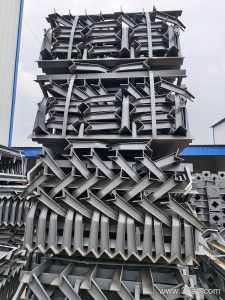
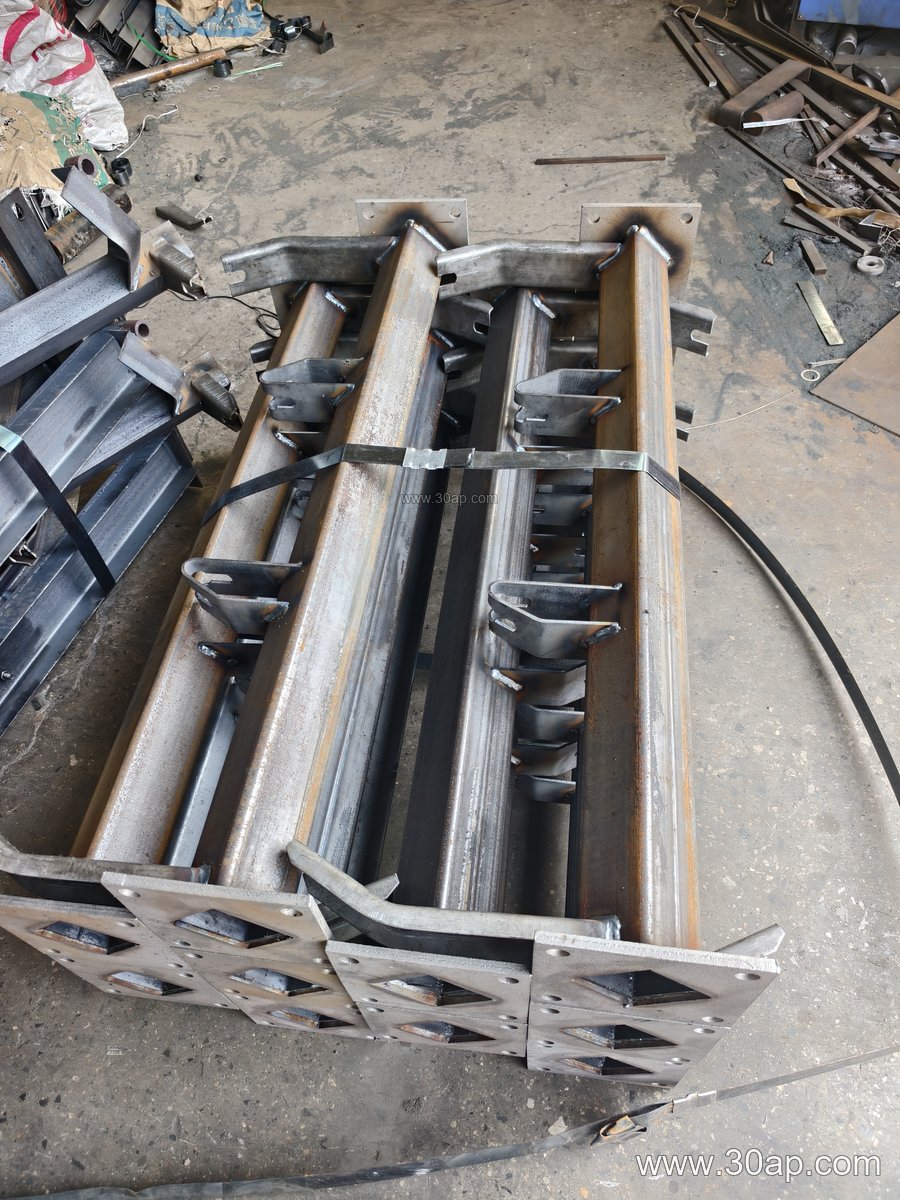
Fabrication is usually straightforward. Most units are built from angle steel, channel steel, or folded steel plate, then welded into a frame that matches the trough shape of the carrying side. The bracket may be fixed or adjustable, depending on whether the user needs to fine-tune trough angle after installation. Rubber rings or spring elements are not part of the bracket itself; they belong to the impact idler roller it supports, so the bracket should be selected to suit the roller diameter and mounting pattern.
Where These Brackets Are Used
Impact idler brackets appear wherever material transfer is aggressive. A limestone quarry, an iron ore transfer tower, a coal washing plant, and a cement plant feed point all rely on them. Power plant coal handling systems and port bulk terminals also use them under ship unloaders or stacker-reclaimer discharge. In a sand and gravel line, they sit beneath the crusher outlet. The common thread is a drop height or a heavy lump size that would otherwise damage a standard carrying bracket and shorten belt life.
Relationship With Rollers, Belts, and Pulleys
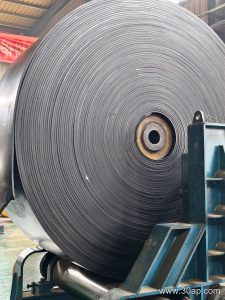
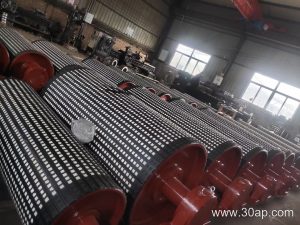
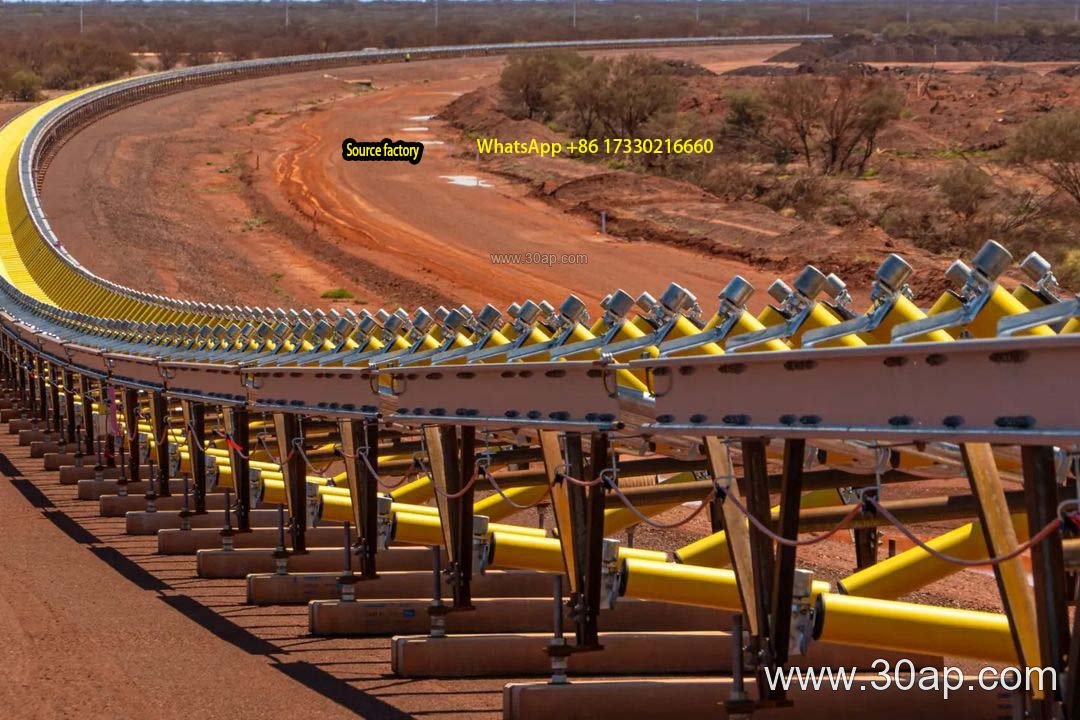
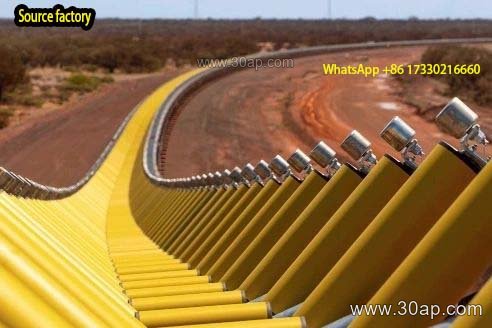
The bracket does not work alone. An impact idler roller fits into the frame, the conveyor belt runs over the roller, and the whole assembly sits between the tail pulley and the drive pulley. A conveyor pulley at the discharge end may be a drive pulley, while the return end uses a tail pulley; neither is a substitute for the load-zone bracket. When specifying, the bracket must match the roller diameter and the belt width so that the trough profile stays consistent through the loading area. Typical combinations include B800 with a 35-degree trough and Ø108 rollers, or B1200 with a 45-degree trough and Ø133 rollers, but these are examples rather than fixed rules.
Common Reference Data
The table below lists values that appear in general design practice. They are reference points, not a supply promise, and the final choice depends on belt width, material lump size, and the conveyor layout.
- Types: trough bracket, transition bracket, return bracket, V-return bracket, impact bracket, self-aligning bracket, forward-leaning bracket, suspended bracket, adjustable bracket.
- Materials: angle steel, channel steel, folded steel plate.
- Belt widths: B500, B650, B800, B1000, B1200, B1400, B1600, B1800, B2000, B2200.
- Trough angles: 20 degrees, 30 degrees, 35 degrees, 45 degrees. Adjustable frames can move between these angles.
- Roller diameters: Ø89, Ø108, Ø133, Ø159, Ø194.
- Forward lean: often about 1.5 to 2 degrees.
Mounting hole spacing and beam length change with belt width and trough angle, so they should be confirmed against the drawing rather than assumed from a single number.
Buyer Checklist
Before ordering, confirm the belt width, the roller diameter, the required trough angle, and whether the frame must be fixed or adjustable. Check that the bracket material suits the environment: dusty, wet, or corrosive conditions may call for a heavier section or a surface treatment. Ask for the mounting dimensions and compare them with the existing conveyor bracket layout. If the loading zone also uses a self-aligning or forward-leaning bracket nearby, make sure the impact bracket does not conflict with that function. A correctly matched impact idler bracket protects the belt, extends roller life, and keeps the transfer point running smoothly in mines, quarries, cement works, and power stations.