What an Abrasion Resistant Conveyor Belt Is
An abrasion resistant conveyor belt is a rubber-covered belt designed to resist surface wear when it carries sharp, heavy, or highly abrasive bulk materials. Instead of treating wear as a minor maintenance issue, this belt uses a tougher cover compound and a strong carcass so the top cover keeps its thickness longer under constant scraping and impact. In everyday plant language it is often called a wear-resistant belt or anti-abrasive belt, but it remains the same product: a conveyor belt built for abrasive duty.
The goal is not unlimited life. It is predictable, slower wear so the belt reaches the end of its service interval without premature cover failure. That distinction matters when comparing an abrasion resistant conveyor belt with a standard general-purpose belt, which may use a softer cover and wear faster on the same duty.
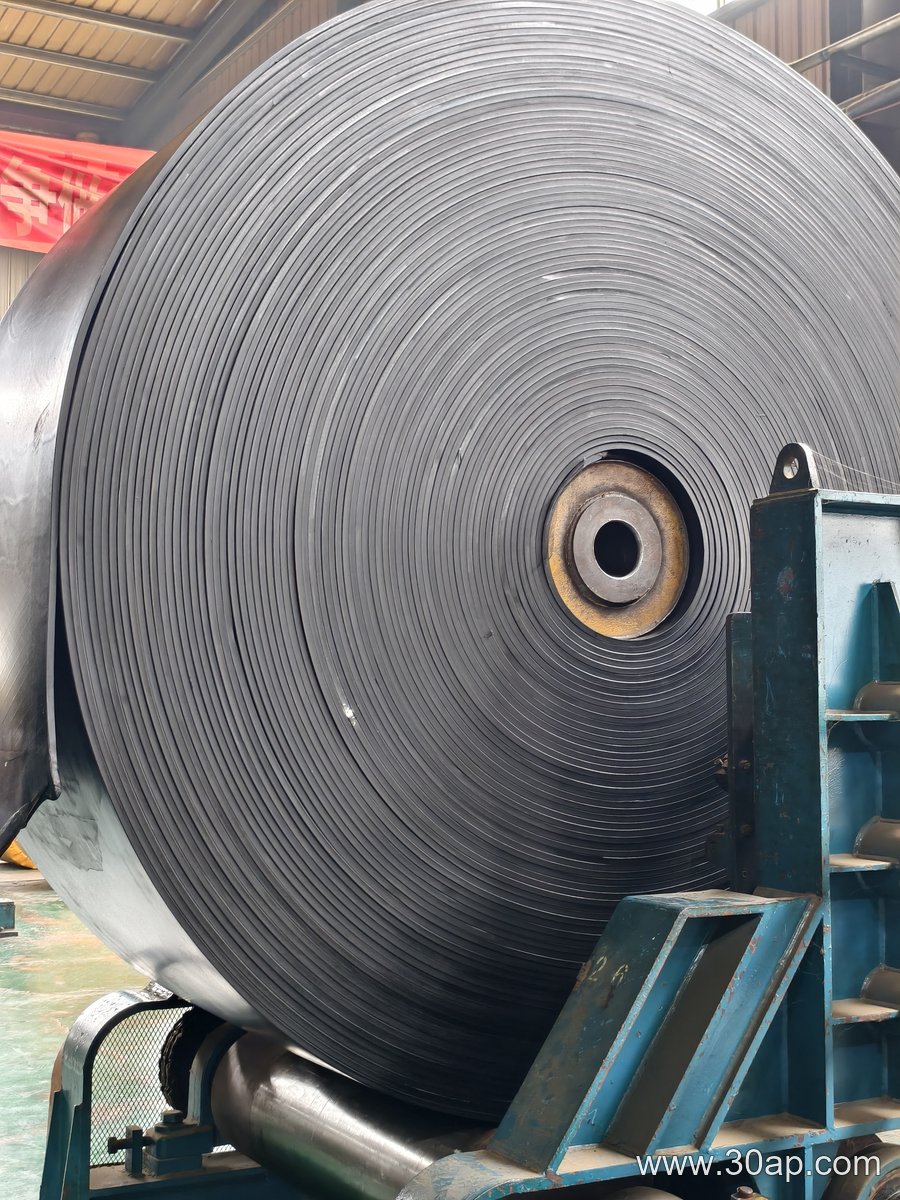
How the Belt Is Built
The construction has three main parts: the carcass, the cover compounds, and the bond between them. The carcass carries the load and resists stretching. Common carcass types include EP fabric, NN nylon fabric, and steel cord. EP (polyester-nylon) belts are widely used in abrasive bulk handling because they combine low stretch with good troughability. NN nylon belts offer high elasticity, while steel cord belts suit very long runs and high tension.
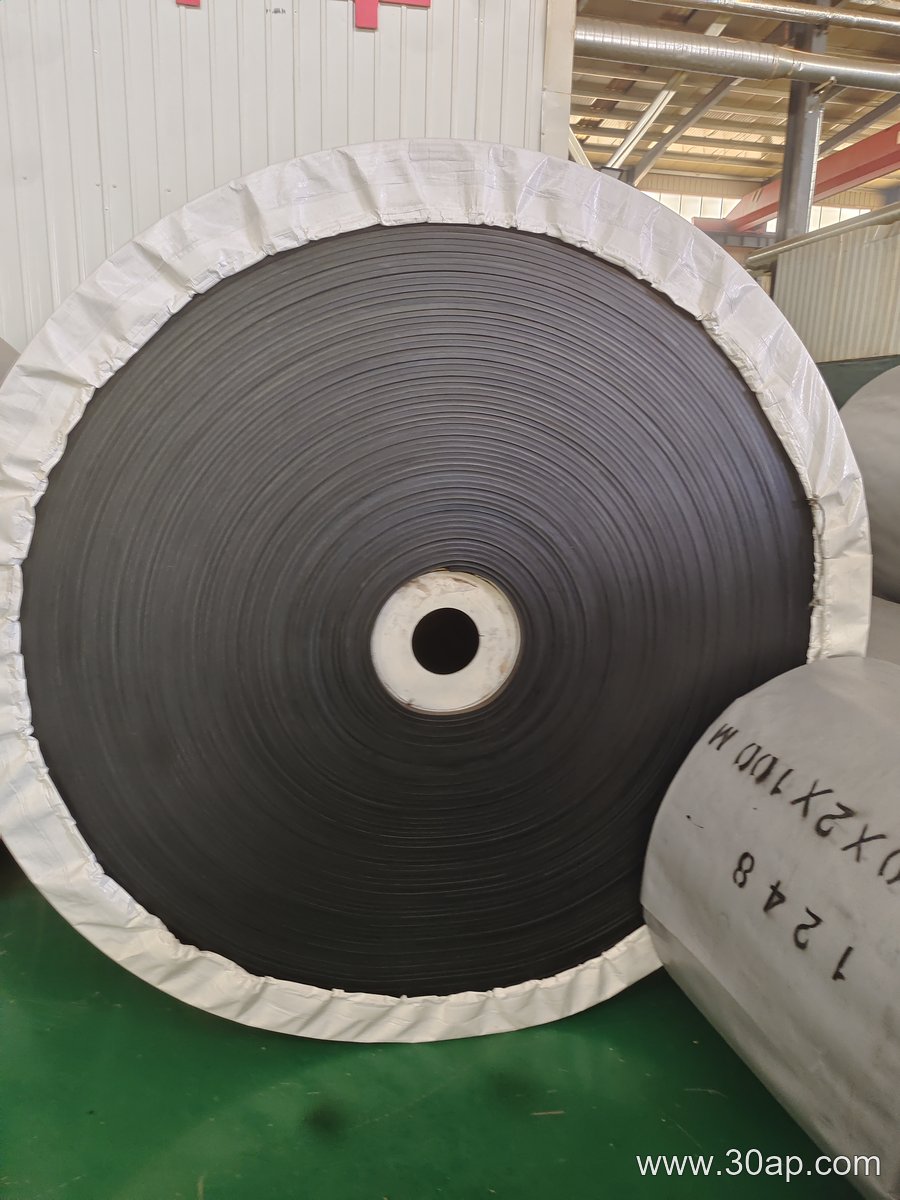
For abrasion resistance, the top cover is the working layer. A harder, tougher rubber compound resists cutting and gouging from lumpy material. Cover thickness is usually expressed as top cover plus bottom cover, for example 4+2 mm, 5+2 mm, 6+2 mm, or 8+3 mm. A thicker top cover gives more wear material before replacement is needed. The bottom cover can be thinner because it mainly runs against idler rollers and pulleys.
Reinforcement options also matter. An abrasion resistant conveyor belt may be produced with a single type of cover or combined with other properties such as heat resistance, oil resistance, flame retardancy, or antistatic behavior. These are separate qualifiers, not replacements for abrasion resistance.
Where It Is Used
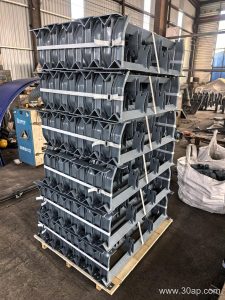
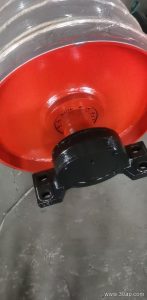
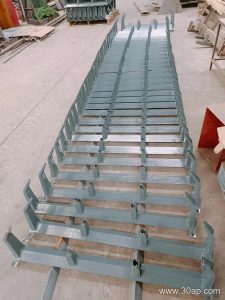
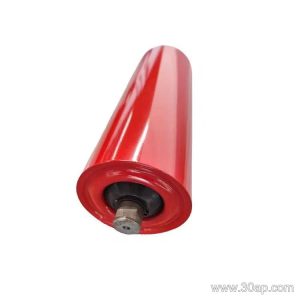
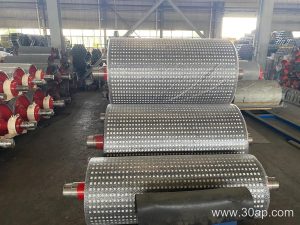
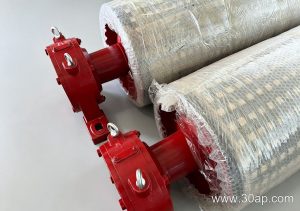
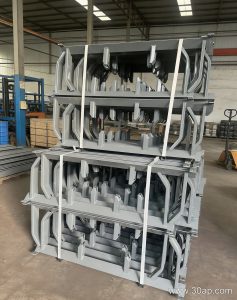
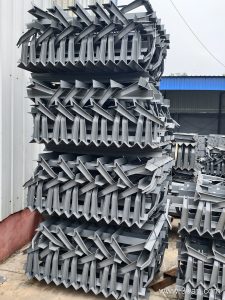
This belt fits operations where the material itself causes wear. Typical examples include crushed stone, gravel, sand, clinker, coke, ore, and some recycled materials. It is common in quarries, cement plants, mines, and bulk terminals. The belt usually runs on a conveyor frame with idler rollers supporting the loaded side, a conveyor pulley at the head and tail, and a conveyor bracket holding the rollers and pulleys in place.
Drive pulleys, tail pulleys, and bend pulleys are not interchangeable. Each has a different function, and the belt must be able to flex over each one without cracking. Abrasion resistance protects the cover; the carcass and pulley diameters together determine how well the belt handles bending fatigue.
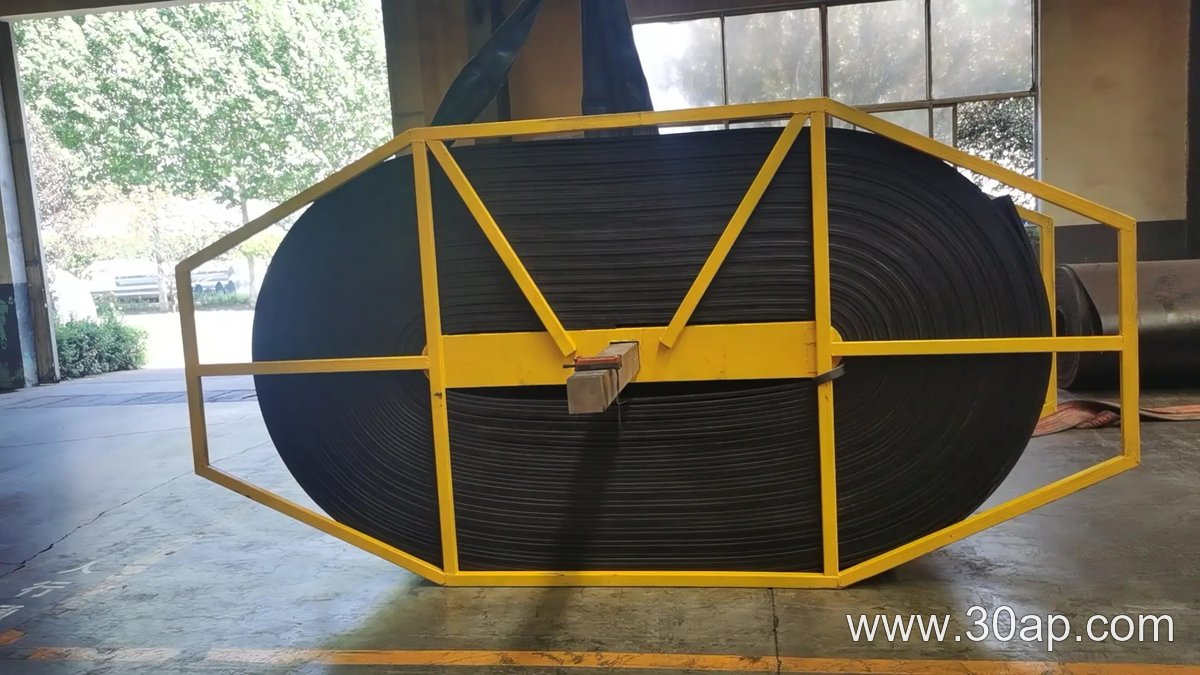
Common Reference Data for Selection
The table below lists common reference values, not fixed supply promises. Actual belt design depends on the application, and different manufacturers offer different combinations.
| Item | Common reference |
|---|---|
| Belt type | EP, NN nylon, steel cord, PVC, PVG |
| Strength grade | EP200, EP315, EP400, EP500, EP630, EP800, EP1000, EP1250, EP1600, EP2000 |
| Belt width | B500, B650, B800, B1000, B1200, B1400, B1600, B1800, B2000 |
| Cover thickness | 3+1.5, 4+2, 5+2, 6+2, 8+3 mm |
| Fabric plies | Usually 2 to 6 layers |
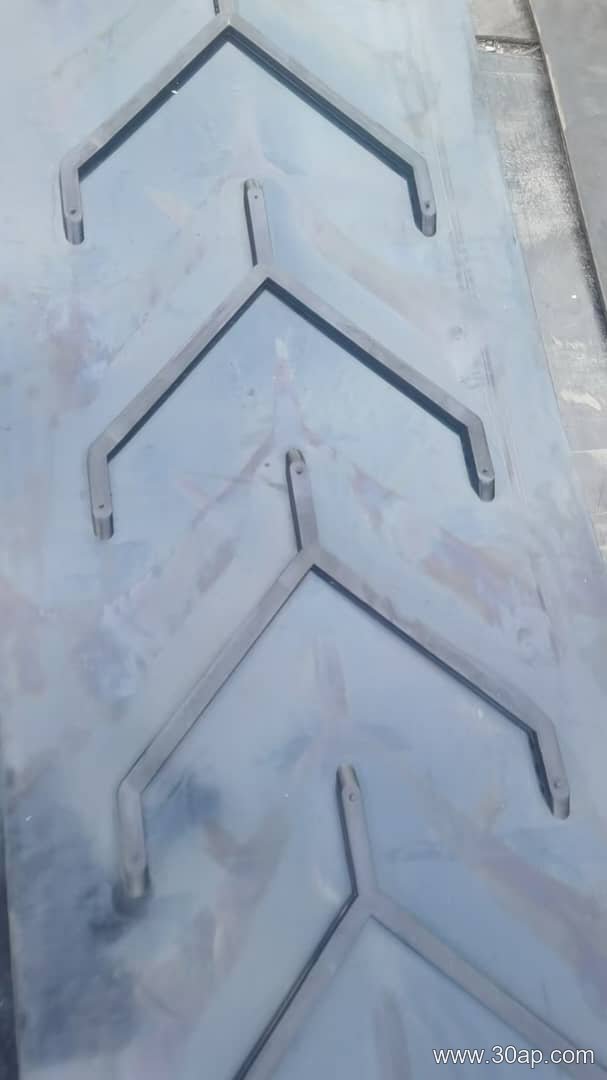
| Surface forms | Smooth, patterned, chevron, corrugated sidewall |
Width and pulley diameter are matched by design, not by a single rule. A wider belt does not automatically require one specific pulley diameter, and shaft size is calculated from torque, load, and bearing life rather than belt width alone.
What a Buyer Should Check
- Material size and sharpness: lump size and edge shape drive cover wear.
- Cover thickness: thicker top cover usually means longer wear life, but adds weight and stiffness.
- Carcass strength: choose EP, NN, or steel cord based on tension and run length.
- Pulley and idler compatibility: confirm the belt can trough and flex correctly.
- Environmental factors: heat, oil, cold, or fire risk may require additional qualifiers.
- Maintenance: check skirt rubber, chute loading, and idler roller condition to avoid concentrated wear.
Loading conditions often decide real belt life. A well-centered load with minimal drop height reduces impact and edge damage. Worn idler rollers or a misaligned conveyor pulley can cause uneven wear even on a high-quality abrasion resistant conveyor belt. For that reason, selection should always consider the whole conveyor, not the belt alone.