What an Impact Idler Bracket Does
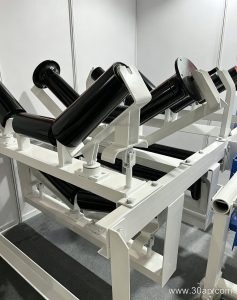
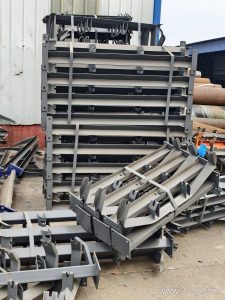
An impact idler bracket is the support structure that holds impact idler rollers at the loading point of a conveyor belt. In mining, quarrying, cement plants, and coal handling systems, material drops onto the belt with considerable force. The bracket absorbs and distributes that force so the belt and the idler roller underneath are not damaged. Unlike a standard carrying idler bracket, this component is designed to work with rubber or polymer rings that cushion the drop. It is often called a buffer idler bracket or shock-absorbing idler bracket, but the function remains the same: protect the belt at the point of impact.
How It Is Built
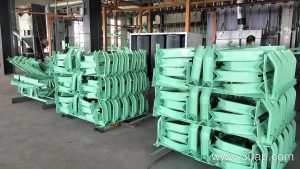
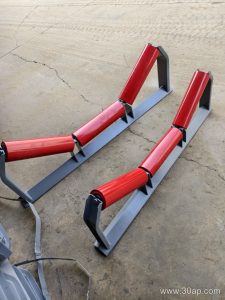
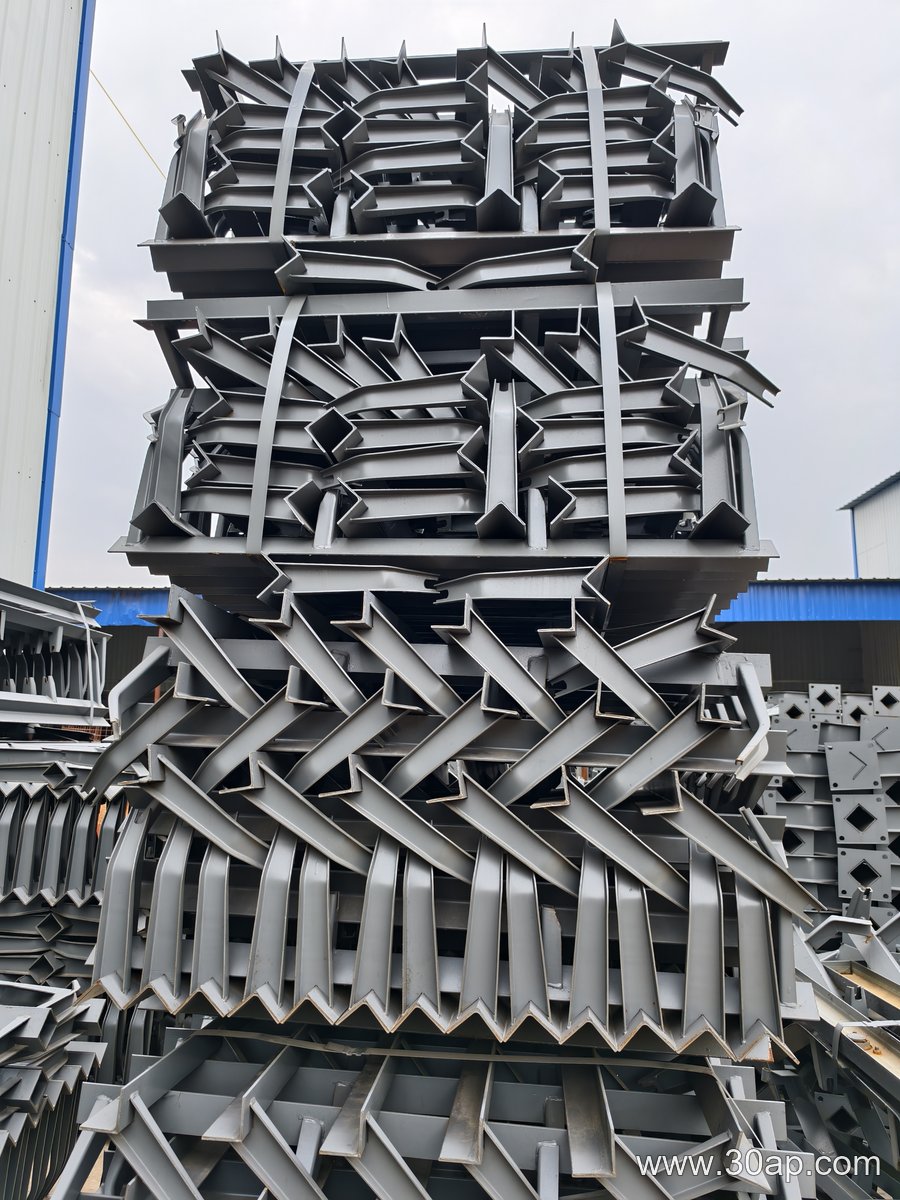
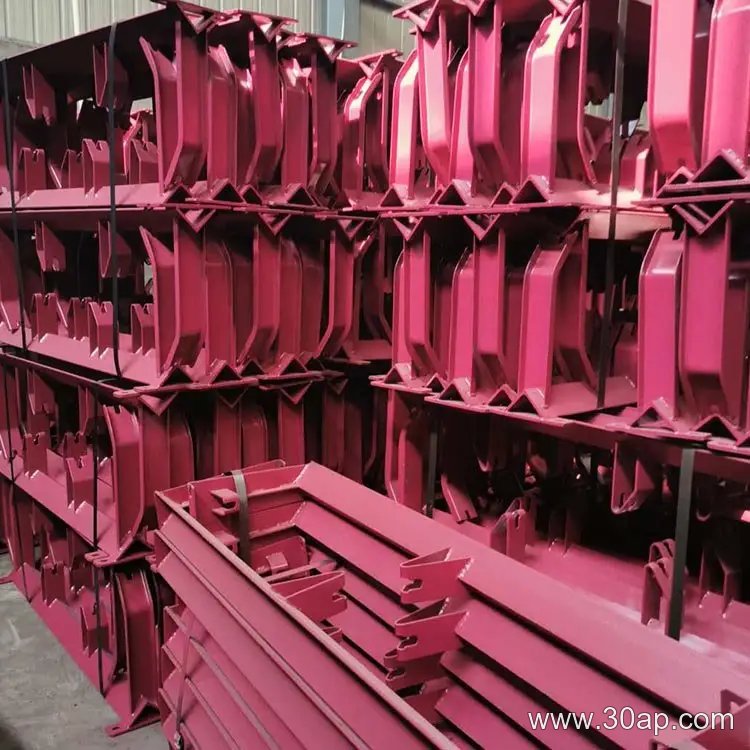
Most impact idler brackets are fabricated from angle steel, channel steel, or bent steel plate. The frame may be fixed or adjustable, depending on the trough angle required. A typical bracket has mounting slots or holes that allow the idler roller to sit at 20, 30, 35, or 45 degrees. The bracket itself does not spin; it simply holds the impact idler in place. Some designs include a rubber or spring cushion between the bracket and the roller to further reduce shock. The structure must be strong enough to resist repeated loading without bending or cracking.
Where It Fits in a Conveyor System
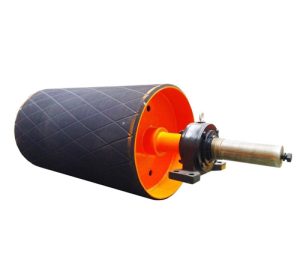
You will find impact idler brackets at transfer points, crusher discharges, and anywhere material falls onto the conveyor belt. They are common in limestone mines, iron ore plants, coal washeries, power plant coal yards, and aggregate crushing lines. The bracket works together with the conveyor belt, impact idler rollers, and sometimes a conveyor pulley at the head or tail. A conveyor bracket of this type is not interchangeable with a return bracket or a training bracket, because each has a different role. The impact bracket is specifically for the loading zone.
Key Parameters and Selection
When selecting an impact idler bracket, several parameters matter. Belt width, trough angle, and roller diameter must match the existing conveyor structure. Common belt widths include B500, B650, B800, B1000, B1200, B1400, B1600, B1800, B2000, and B2200. Roller diameters often seen are Ø89, Ø108, Ø133, Ø159, and Ø194. Trough angles of 20, 30, 35, and 45 degrees are typical. Adjustable brackets can be set to different angles within that range. Installation hole spacing and beam length change with belt width and trough angle, so they are not fixed numbers. The table below shows common combinations, but these are examples, not mandatory matches.
| Belt Width | Trough Angle | Roller Diameter | Bracket Type |
|---|---|---|---|
| B500 | 20° | Ø89 | Fixed |
| B650 | 30° | Ø89 | Adjustable |
| B800 | 35° | Ø108 | Fixed |
| B1000 | 35° | Ø133 | Adjustable |
| B1200 | 45° | Ø133 | Fixed |
| B1400 | 45° | Ø159 | Adjustable |
| B1600 | 35° | Ø159 | Fixed |
| B1800 | 45° | Ø194 | Adjustable |
Note that a single belt width can accept different trough angles and roller diameters depending on the conveyor design and material characteristics. Never assume one belt width only matches one roller size.
What Buyers Should Know
Before ordering an impact idler bracket, confirm the belt width, the required trough angle, and the roller diameter. Check whether the bracket will be fixed or adjustable. Consider the material being handled: sharp rock, wet coal, or hot clinker may require different cushioning. Ask for the mounting dimensions and verify they fit your conveyor frame. A well-chosen bracket extends belt life and reduces downtime at the loading zone. It is a small part, but in heavy-duty industries like mining, quarrying, and cement production, it makes a real difference.